Last updated November 18, 2026

Free written scope consultation - allowances, timeline, and change-order rules on paper before a single trade is scheduled
The Complete Bathroom Remodeling Guide for Garden Grove Homeowners
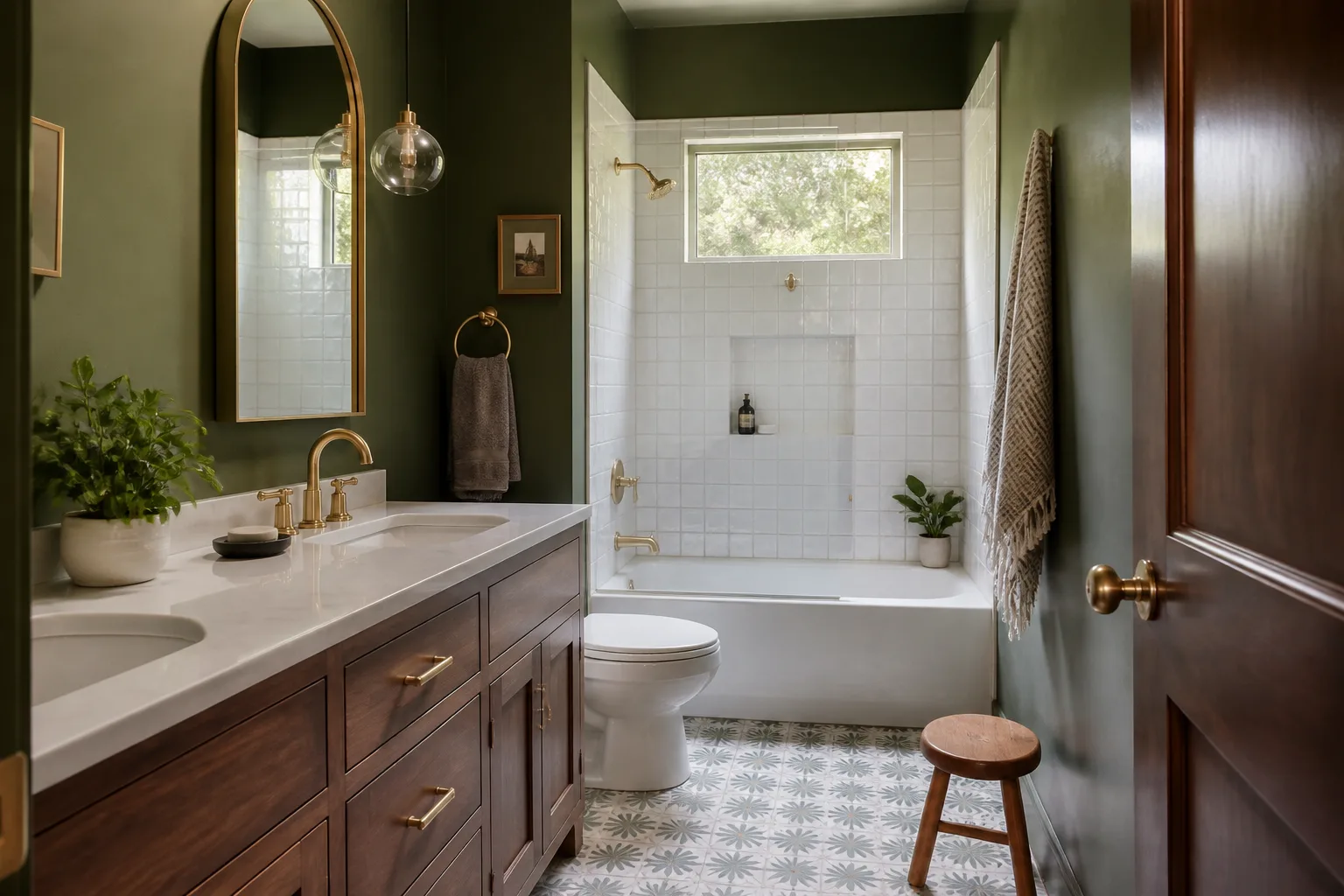
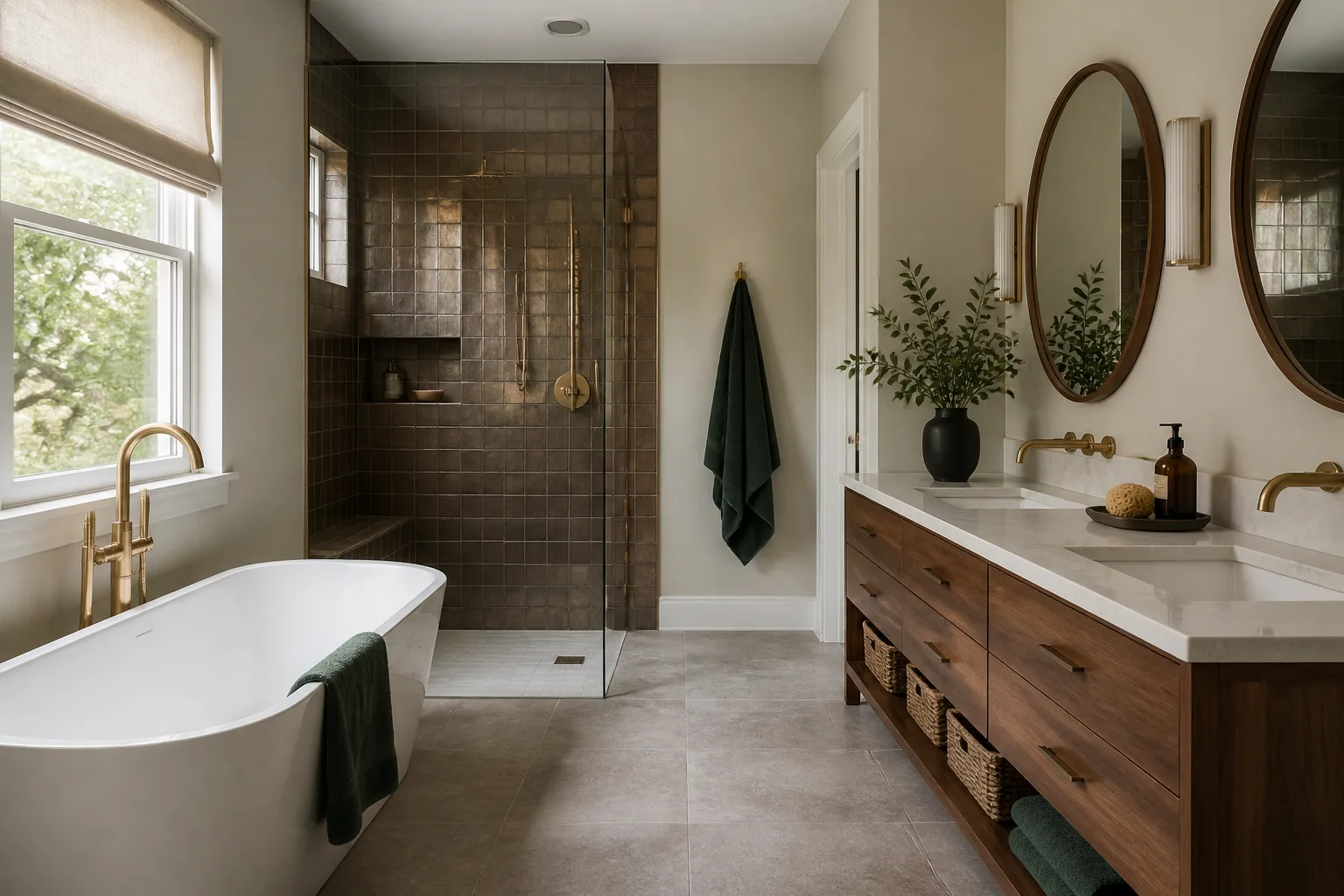
Here’s the number that should change how you plan your bathroom remodel: tile and fixtures usually account for 30-40% of the total cost. The other 60-70% lives behind the wall, under the floor, and in the ceiling. That’s where remodels succeed or fail, and it’s the part nobody puts on a Pinterest board. A bathroom in Garden Grove isn’t a design project that happens to involve plumbing. It’s a plumbing, electrical, and waterproofing project that happens to end up looking nice. The homeowners who get burned are almost always the ones who hired someone who thought about it in the other order. This guide walks through the systems first, then the finishes, with real cost ranges and the Garden Grove permit rules you’ll want to know before anyone swings a hammer.
Quick Answer
A bathroom remodel in Garden Grove typically runs $14,000 to $35,000 for a full gut of a standard 5×8 or 5×10 bath, and $6,000 to $12,000 for a surface refresh that keeps the layout. The biggest cost drivers are whether the plumbing moves, how the shower gets waterproofed, and how early you lock in materials. Pull a permit for any panel work, plumbing relocation, or floor-structure change. It protects your resale disclosure and your insurance.
Styles & brands we work with
- Kitchen remodeling
- Bathroom remodeling
- Home additions & ADU
- Roofing
- Windows & doors
- Driveway & pavers
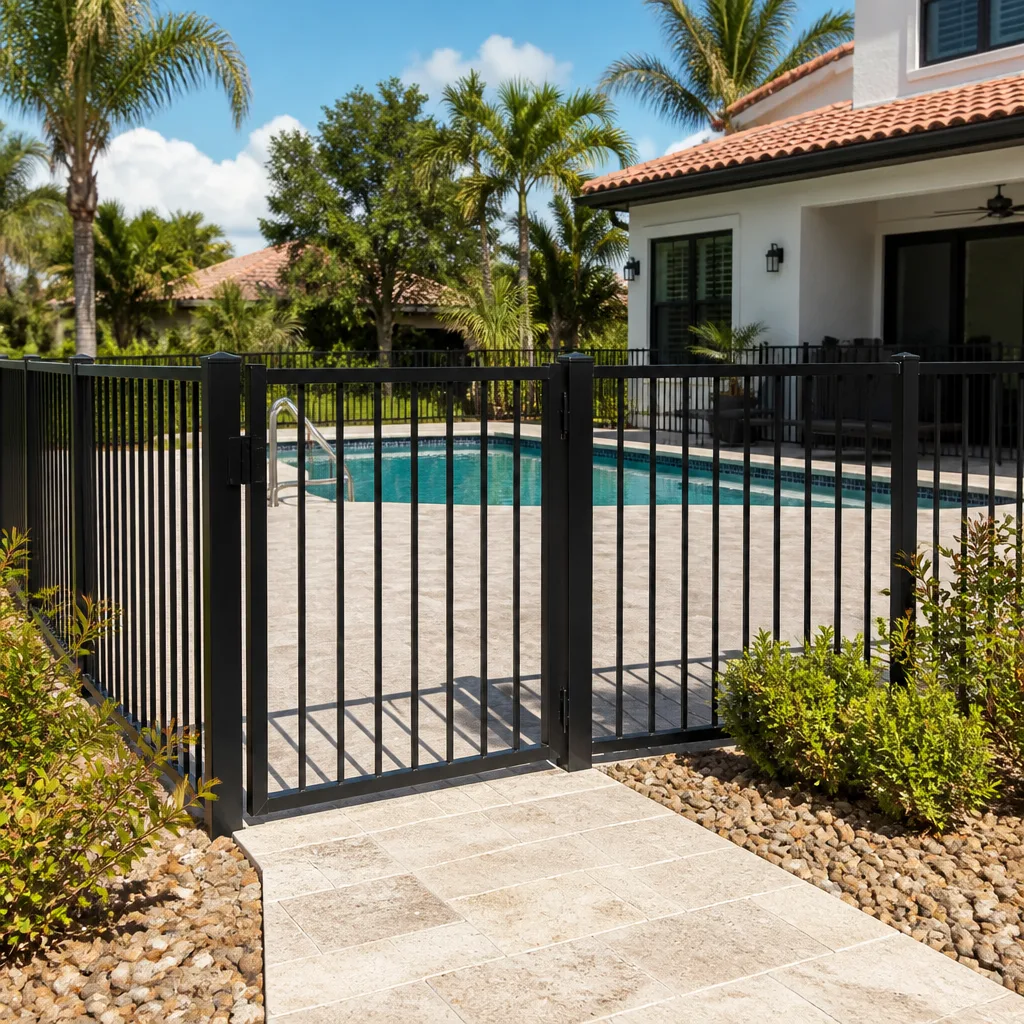
- Fence
Table of Contents
- Does a Bathroom Remodel in Garden Grove Need a Permit?
- Waterproofing: The Part You Can’t See Until It Fails
- Ventilation and the California Code Requirement
- What a Garden Grove Bathroom Remodel Actually Costs
- Allowances, Change Orders, and the Surprise Invoice
- Lead Times in the Orange County Market
- The Right Order of Operations
- Common Mistakes to Avoid
Does a Bathroom Remodel in Garden Grove Need a Permit?
Yes, in three specific situations: any electrical panel work, any plumbing relocation (moving a drain, supply line, or fixture to a new spot), or any structural change to the floor system. Those are the triggers. A straight cosmetic swap, like replacing a vanity in the same spot or re-tiling over an existing properly prepped shower, generally doesn’t pull a permit, but the moment you touch the systems behind the wall, Garden Grove’s building department wants eyes on it.
Here’s the part that matters more than the permit fee. When a home sells, the seller’s disclosure asks whether work was permitted. A bathroom remodel done without one is a disclosure item a buyer’s agent will flag, and depending on the scope, your homeowner’s insurance may decline a claim tied to unpermitted work. The inspector is not the enemy in this story. As we like to say around here, the permit inspector works for you, not for us. That inspection is the only independent check that the waterproofing, venting, and electrical are actually correct before the tile goes up.
We pull permits and get inspections signed on every eligible job, because the last contractor most customers used told them permits were optional. They aren’t. If someone tells you a Garden Grove bathroom with a relocated shower drain doesn’t need a permit, that’s your sign to keep calling. Explore more of our Barrett & Sons Construction Garden Grove home services if you want to see how we handle the broader scope of a home project.
Waterproofing: The Part You Can’t See Until It Fails
A proper tile shower is a waterproof box with tile hung on it, not tile glued to drywall. The waterproofing layer, usually a sheet membrane or a liquid-applied membrane over a cement backer board, is what keeps water out of your framing. Every shower we build gets a sloped substrate underneath so water drains toward the weep holes in the drain, a membrane that runs continuously up the walls and over the curb, and fasteners spaced correctly so the membrane isn’t punctured. Fastener spacing gets skipped constantly on cheap jobs, and it’s exactly what you can’t see once the tile is on.
What does a failed waterproofing job look like two years later? Loose tiles near the drain or the shower pan. Grout lines that keep cracking no matter how many times they’re re-grouted. A soft spot in the subfloor at the curb. Dark staining on the ceiling below the bathroom (which is the case for a lot of Garden Grove’s single-story ranch homes with a bathroom over a crawl space or an attached garage). By the time you see any of that, the repair is a full tear-out, not a patch.
How to tell if waterproofing was done right before tile goes up
- Ask to see the membrane in place before tile is set, and confirm the substrate slopes toward the drain.
- Check that the membrane runs up the walls continuously, not cut at the shower pan line.
- Confirm the drain is a proper weep-hole drain with the membrane clamped into it, not just mortared flush.
- For a curb, ask whether it’s built from solid material or wood blocking wrapped in backer, because wood swells and cracks tile.
- Ask whether a flood test was performed and how long the pan held water.
We’re a Driveway & Pavers in Garden Grove crew on a lot of jobs, and the same principle applies there: the drainage work under the surface is what determines whether the finished surface lasts. Same idea, different material.
Ventilation and the California Code Requirement
California building code requires mechanical ventilation in any bathroom without an operable window. That means a fan sized to the room, with a minimum CFM rating generally around 50 for a small bath and higher for larger rooms or ones with a shower. The code exists because moisture in a bathroom with no exhaust ends up in the walls and ceiling. It’s a mold problem in the making, and Garden Grove’s coastal-influenced humidity makes it worse than a dry inland climate would.
Here’s the trap. A fan installed by a general electrician who’s never done ventilation work can be wired perfectly and still fail its job if it doesn’t exhaust to the outside. Two things go wrong most often in older Garden Grove homes: the fan vents into the attic instead of through the roof or a wall, or it terminates in a soffit where the moist air just recirculates back in through the eave vents. Either way, you get a bath fan that spins quietly and does nothing.
- A proper bathroom exhaust runs through rigid ducting, insulated where it passes through unconditioned space, terminating outdoors with a damper.
- The duct should be as short and straight as possible, with the fewest possible elbows.
- The fan needs a timer or humidistat control so it runs long enough to actually clear moisture, usually 20-30 minutes after a shower.
- The exterior termination needs a flapper or hood so air doesn’t come back in when the fan is off.
If you’re adding onto the home to create a new bath, we cover that scope in Home Additions & ADU in Garden Grove. Ventilation gets designed in from the start on new construction.
What a Garden Grove Bathroom Remodel Actually Costs
Cost in Garden Grove splits into three tiers, and each one tells you something about how much is happening behind the wall. An in-place remodel keeps the plumbing and layout exactly where they are. A layout change moves fixtures and pulls new supply and drain lines, which is where the cost jumps. A full gut replaces the shower system, subfloor, wiring, and vent. You can see the range in a structured breakdown:
- Surface refresh (in-place, keep fixtures): $6,000-$12,000. New vanity, paint, tile over properly prepped surfaces, fixture swaps in the same locations.
- In-place remodel (same layout, new systems): $14,000-$24,000. Full waterproofed shower, new subfloor where needed, electrical updates, ventilation corrected.
- Layout change or full gut: $28,000-$45,000+. Plumbing relocated, walls reconfigured, new panel circuits, tile and vanity upgraded through Cambria or Silestone.
- Contingency hold for any tear-out: 10-15% of the total. Older homes find surprises in the subfloor, plumbing, or wiring the day the tile comes down.
Field tile keeps the material cost down and looks honest. Custom or large-format tile raises labor, because the cuts are harder and there’s less room for error. Custom widths for a fully customized vanity in Wellborn cabinetry push cost up but give you storage layout nobody else has. Stone counters in Cambria or Silestone land in a similar band and give you options for matching the tile. Want a sense of how this compares to a kitchen, which runs higher because of appliance cost? Run the same numbers for other rooms and you’ll see the pattern. The bathroom cost is dominated by the trades behind the tile.
Allowances, Change Orders, and the Surprise Invoice
An allowance is a placeholder dollar amount in the contract for a material the customer hasn’t picked yet. Tile, fixtures, vanity, shower door. Sounds reasonable. In practice, an allowance is where surprise invoices come from, because the contract says $3 per square foot for tile and the customer picks a $9 tile. The difference gets billed at the end. Nobody likes that call.
The fix is simple: every allowance gets written down with a stated range, and every price change arrives as a written change order before work happens. Not after. Not verbally on the way out the door. Our rule of thumb is that the allowance that isn’t on paper is a surprise waiting for a date. When a bathroom allowance is documented with a range the customer has already seen, the change order conversation becomes a formality.
- The scope arrives in writing, with every line item, before the contract is signed.
- Every allowance has a stated dollar range and a named material or brand.
- Any scope change gets a written change order, signed before work moves.
- No change order gets presented after demo day for something that could have been priced on the front end.
Lead Times in the Orange County Market
Fixtures and material lead times are the top reason a bathroom remodel runs long right now, in Garden Grove and across Orange County. A shower valve, a specific toilet model, or a custom vanity door can be weeks out from the manufacturer, and if demo happens before the boxes are in the garage, your bathroom sits open. That’s not a minor inconvenience. It’s weeks of walking past an open hole to the planks over the subfloor.
The rule we work by: materials get locked in before demo day. Choose the fixtures. Confirm the manufacturer and SKU. Get a delivery date. Confirm it. Then call the demo crew. If a piece of material is backordered, the schedule moves, and it’s better to hear that before the tile comes down than the day it does. Picking a well-known brand helps here, because supply chains for the majors are more predictable than a boutique line nobody recognizes. Wellborn and Cambria both come to mind as choices where we can actually tell you what the lead time looks like.
The Right Order of Operations
A bathroom remodel has a natural sequence, and skipping a step is how jobs get expensive. Here’s the order every job should follow, and the order we use:
- Scope and permits. Every line, every allowance, every plan. Permit pulled if eligible.
- Material lock. Fixtures, tile, vanity, shower door chosen and ordered with delivery dates confirmed.
- Demo. Tear out to studs and subfloor, so we can see what’s actually there.
- Rough-in. Plumbing relocated, electrical run, venting corrected, subfloor installed or repaired.
- Inspection. The city inspector signs off on the rough-in before the walls close.
- Waterproofing and tile. Membrane installed, then substrate check, then tile set.
- Fixtures and finishes. Vanity, top, sink, fixtures, shower door, paint.
- Final inspection and punch list. Everything walked, tested, and signed.
There’s a reason the sequence matters. If tile goes up before the inspection, the inspector can’t see the waterproofing or the rough-in, and the job either sits open or gets re-inspected. That’s a schedule hit nobody wants, and it’s the exact failure mode of the last contractor most customers used. Fence installation in Garden Grove follows a similar logic: posts set before panels, layout confirmed before digging. If you want to see how we apply that to exterior work, look at Fence Installation in Garden Grove. Same discipline, different trade.
Common Mistakes to Avoid
- Letting demo happen before materials are in hand. In Garden Grove, a backordered shower valve can leave an open bathroom for weeks. Lock in materials first.
- Skipping the permit on plumbing relocation. It looks fine until resale disclosure time. Then it’s the buyer’s inspection and your insurance company’s problem.
- Hiring a tiler who isn’t a waterproofing installer. Tile installation and a proper shower system are two different skills. Ask which one the person does.
- Putting a fan in without confirming it vents outdoors. If it dumps into the attic or a soffit, you’ve spent money on a fan that recirculates moisture.
- Accepting a verbal allowance. If the allowance range isn’t in the contract, you’ve agreed to a price you don’t know yet.
- Choosing a vanity before the fixtures go in. The sink cutout, the plumbing rough-in, and the mirror height all depend on the fixture locations. Plan the systems first.
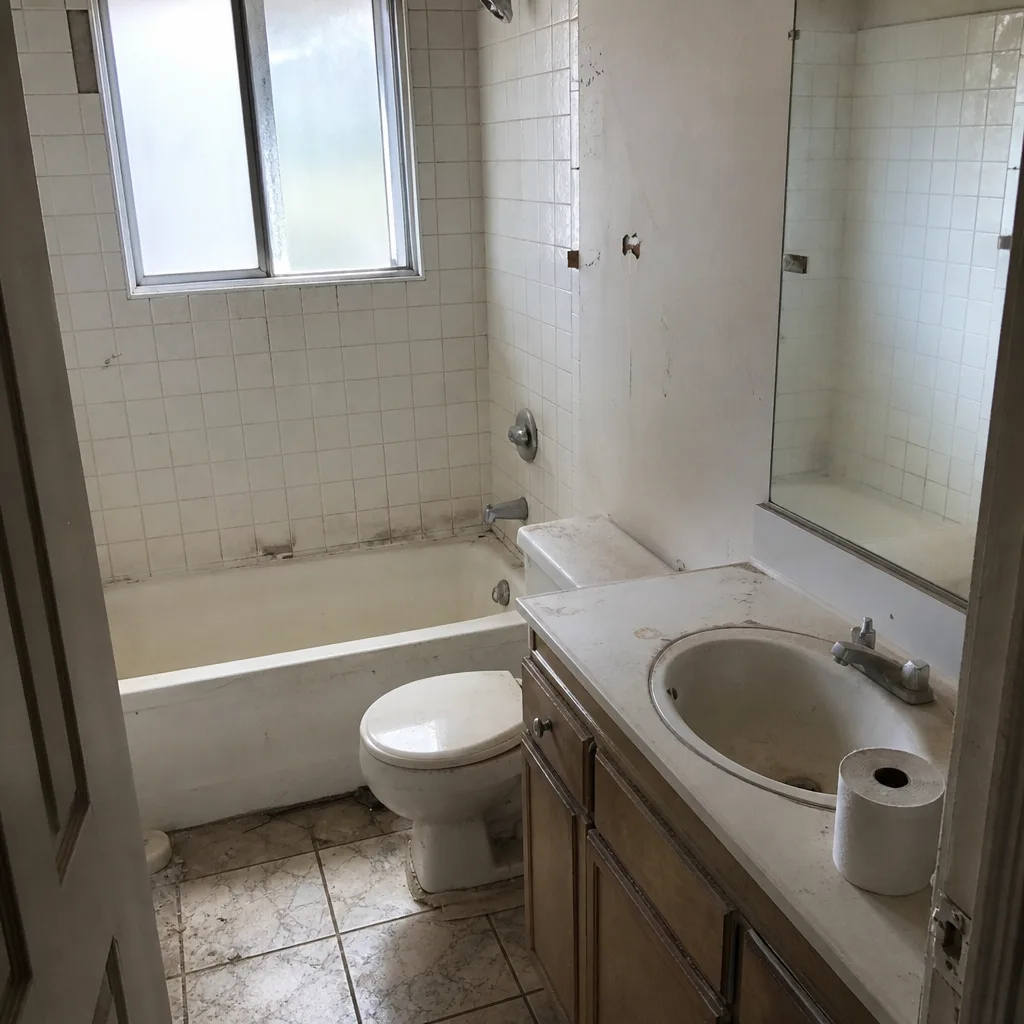
- Not holding a contingency on a house older than about 30 years. Garden Grove has a lot of original 1960s and 1970s bathrooms, and the subfloor under that old tile is sometimes the biggest surprise in the whole job.
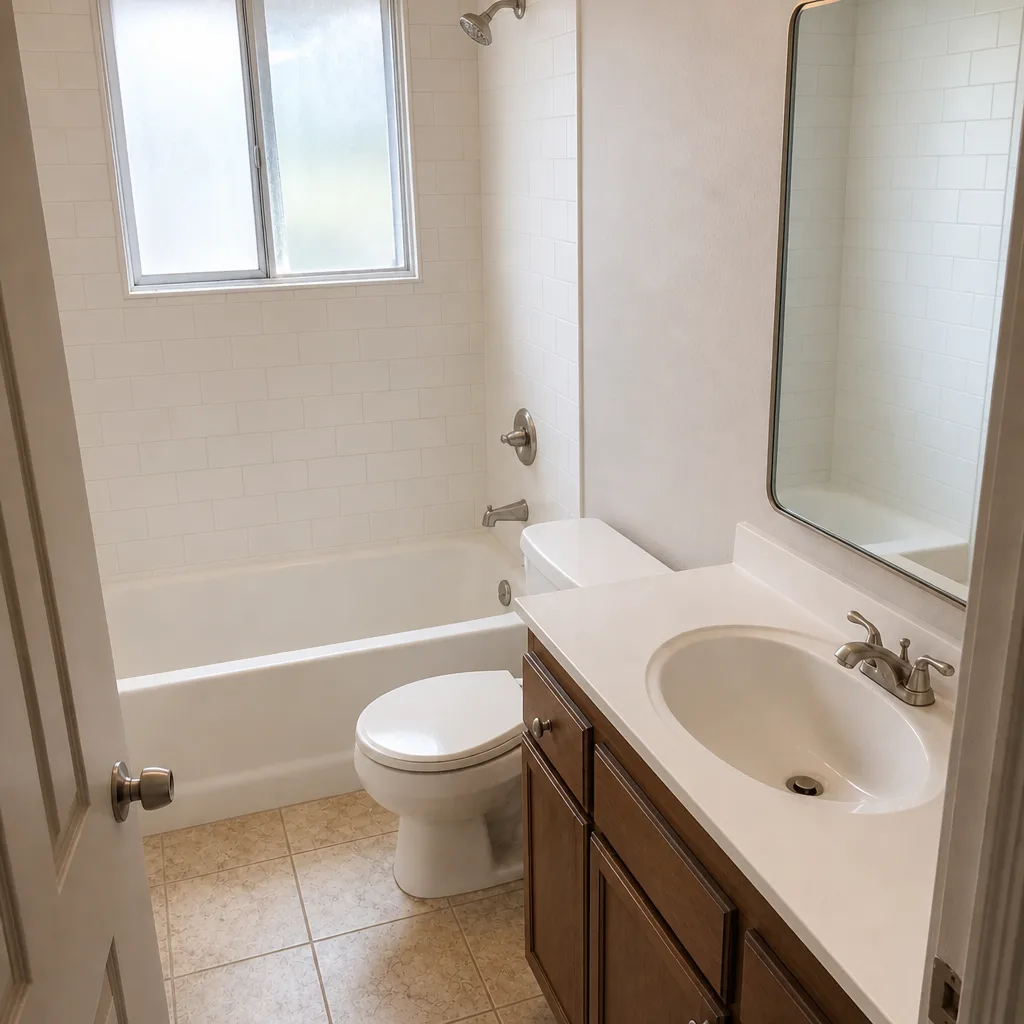
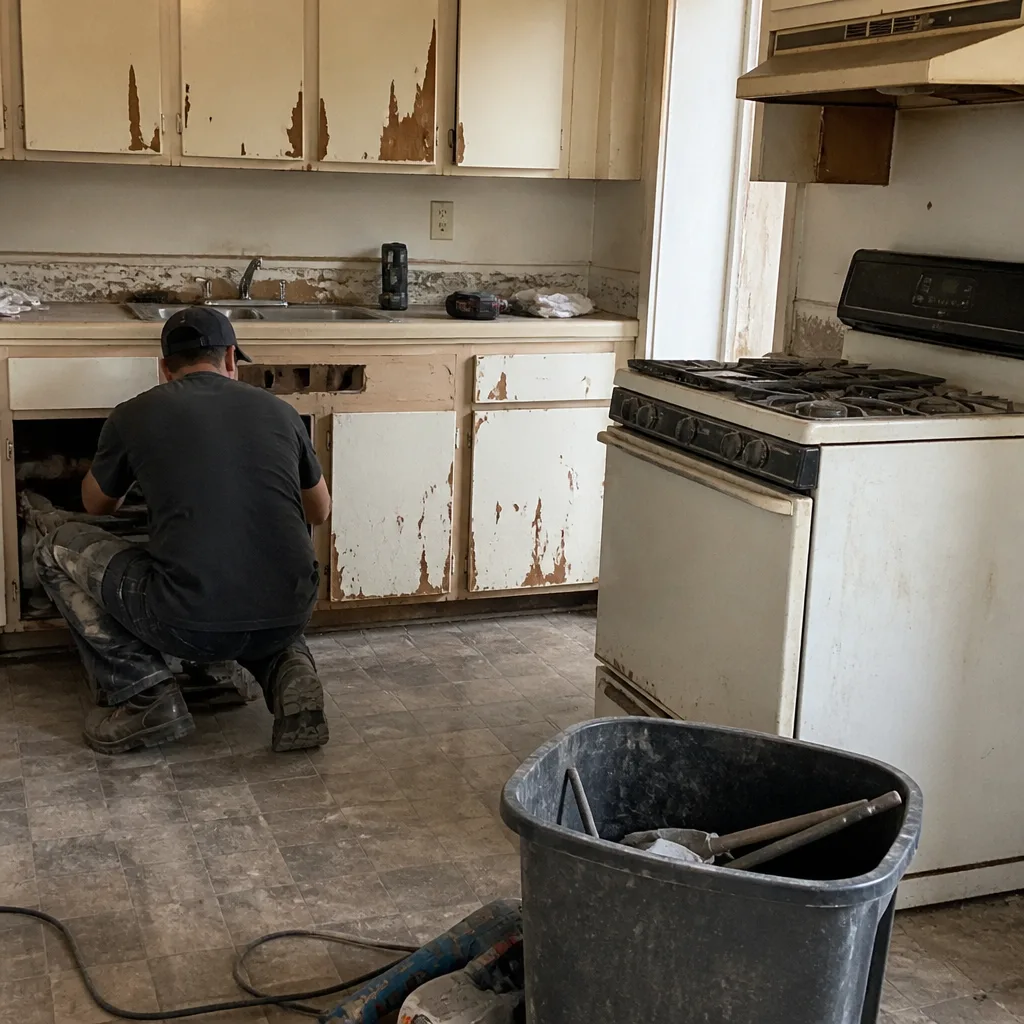
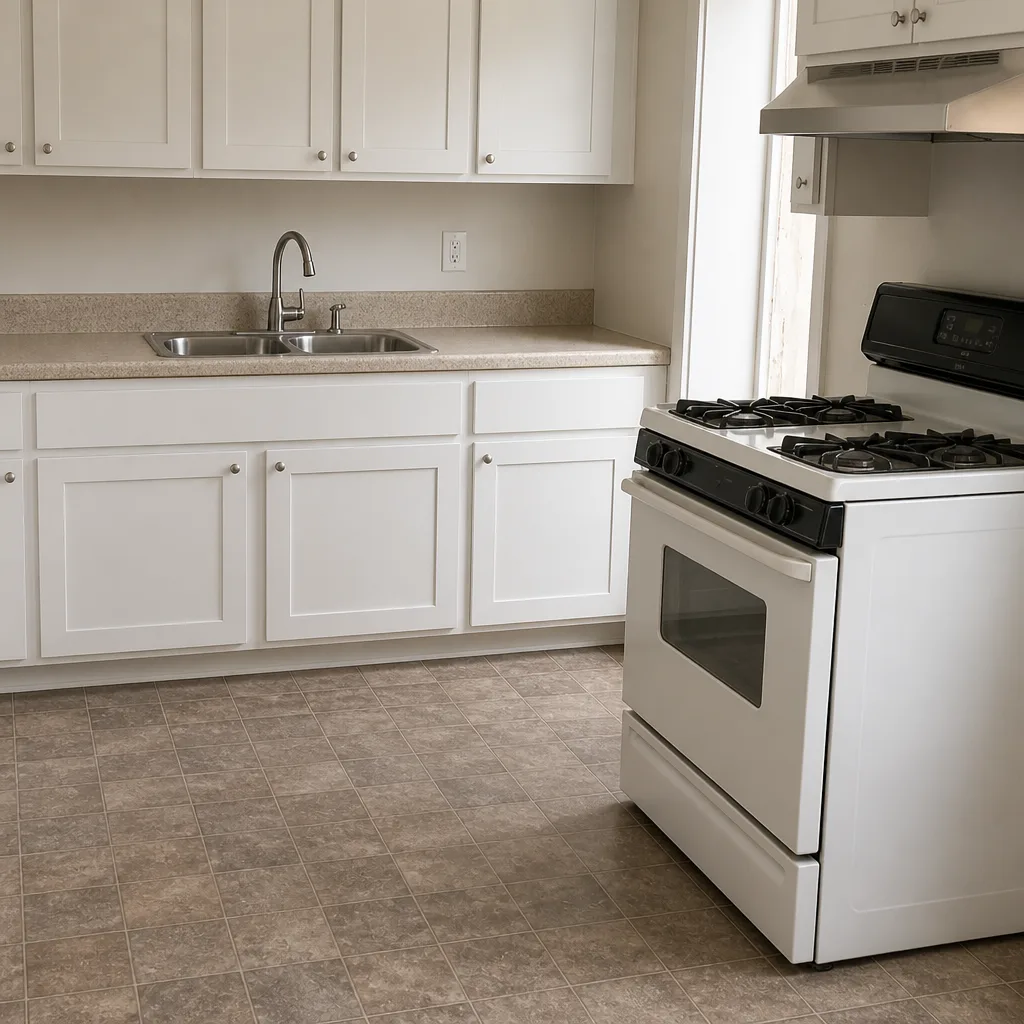
See the difference
 Before
 After
 Before
 After
 Before
 After
When to Call a Professional
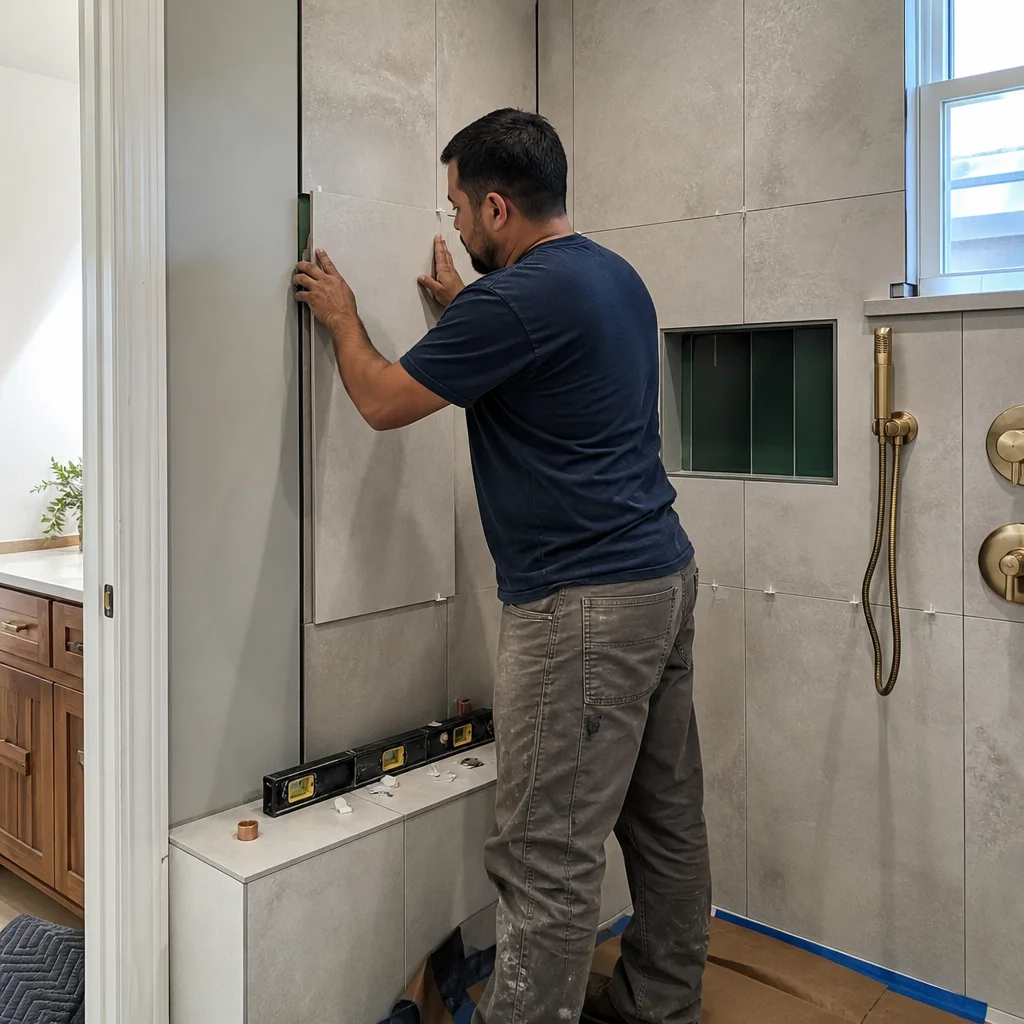
Call a professional when the scope touches the systems. That means relocating a fixture, moving a drain, correcting a panel or running new electrical circuits, replacing a shower pan or waterproofing system, or opening up the floor and ceiling to see what’s underneath. Those are the tasks where a mistake costs thousands to fix and, worse, can show up two years later while you’re selling the house. The danger to flag plainly: any shower system tear-out is check-before-you-touch work, because an improper waterproofing assembly installs invisibly and fails in place. Don’t accept a “we’ll figure it out once the tile comes down” plan. A written scope on the front end is the only honest way to price this.
Barrett & Sons Construction Garden Grove offers free estimates in Garden Grove. Call (833) 703-5196 and we’ll walk the bathroom with you and quote the work in writing.
Frequently Asked Questions
A surface refresh runs $6,000-$12,000, an in-place remodel with the same layout runs $14,000-$24,000, and a full gut or layout change runs $28,000-$45,000 or more depending on systems work. The big cost drivers are plumbing relocation, waterproofing, and whether the floor needs repair under the old tile. Call (833) 703-5196 for a free exact quote.
Only if the scope changes, and every change arrives as a written change order before the work proceeds. We don’t hand over a surprise invoice at the end. If the allowance for a material is documented up front with a stated range, the price you agreed to is the price you pay, outside of an actual scope change.
Yes. Every eligible job gets the permit pulled and the inspection signed, including rough-in inspection before the walls close. That’s the one independent check on the work behind the tile, and it matters for your resale disclosure and insurance. If a contractor tells you permits are optional on a plumbing relocation, they aren’t.
An in-place remodel typically runs three to five weeks from demo to final inspection, and a layout change or full gut runs five to eight weeks. Lead time on fixtures and materials is usually the part that stretches the schedule, so lock in materials before demo day. Call (833) 703-5196 and we’ll give you a realistic schedule based on your scope.
Replacing a fan in the same location, with the same venting, generally doesn’t require a permit. If the venting is being corrected, run to a new exterior termination, or a new circuit is required, that’s permit work. The larger question is whether the existing fan actually vents outdoors, so check the termination before assuming the old install was done right. Call us for a free second opinion on any written estimate.
Yes, and keeping the plumbing in place is the single biggest way to control cost. An in-place remodel keeps the drains and supplies where they are, replaces the waterproofing and tile, updates electrical and ventilation, and swaps fixtures in the same locations. You still get a new bathroom, just without the tear-out cost of a layout change.
The Bottom Line
A Garden Grove bathroom remodel is won or lost in the parts nobody photographs. Permits on plumbing relocation, a properly sloped and membrane-sealed shower system, a ventilation fan that actually reaches the outside, and materials locked down before demo day. Those are the four things that separate a bathroom that lasts twenty-five years from one that looks nice for two. Every line item, allowance, and price change belongs in writing before work begins. If you want to see what a written scope and a free second opinion on someone else’s estimate looks like, call (833) 703-5196.
Our technicians have up to 28 years of experience, and every completed job is backed by our written 90-Day Done Right Promise. If something isn’t right, one call brings us back. We answer the phone live, day or night.
Written by the team at Barrett & Sons Construction Garden Grove.