Last updated November 18, 2026


Free written scope consultation - allowances, timeline, and change-order rules on paper before a single trade is scheduled
Choosing the Right Construction Brand: A Buyer’s Guide for Garden Grove
Every major building materials manufacturer makes at least three tiers of product under the same brand name. The tier your contractor defaults to without asking you is almost always determined by their volume discount agreement, not by what’s right for your application. A GAF roof can be a bottom-rung shingle or the top of the line, and both boxes say GAF. A KraftMaid cabinet can be a stock box or a semi-custom build. In Garden Grove, where marine air off the coast and hot inland afternoons both work on your house, the difference between tiers shows up faster than most homeowners expect. This guide teaches you to stop asking “what brand?” and start asking “which product line, and why?”
Quick Answer
A brand name on a bid tells you almost nothing by itself. What matters is the product line, the model number, and the warranty tier behind it, plus who’s installing it and whether their workmanship warranty will survive a claim. The right construction brand in Garden Grove is the one whose specific product tier fits your project, your climate, and a contractor willing to put that tier in writing.
Styles & brands we work with
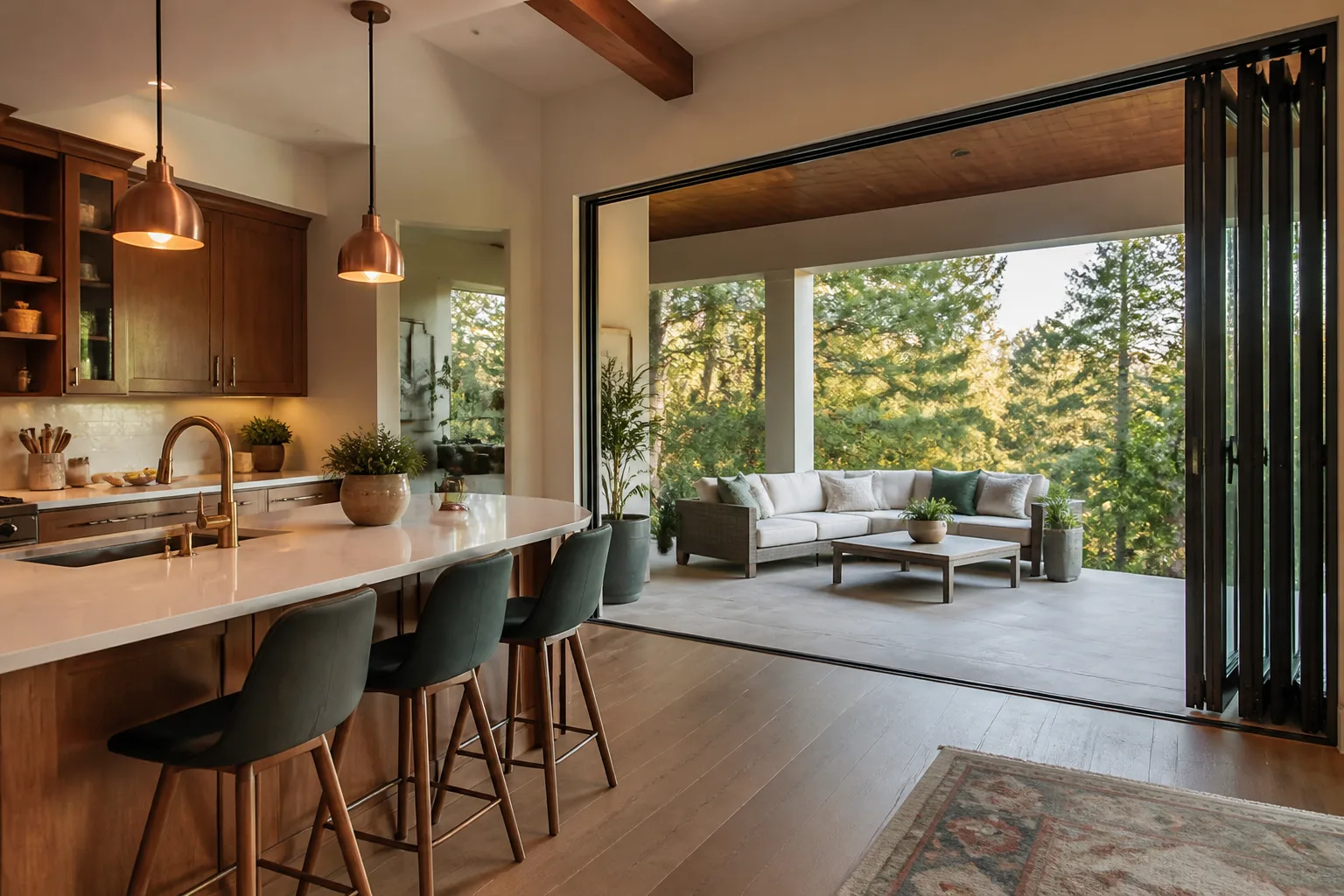
- Kitchen remodeling
- Bathroom remodeling
- Home additions & ADU
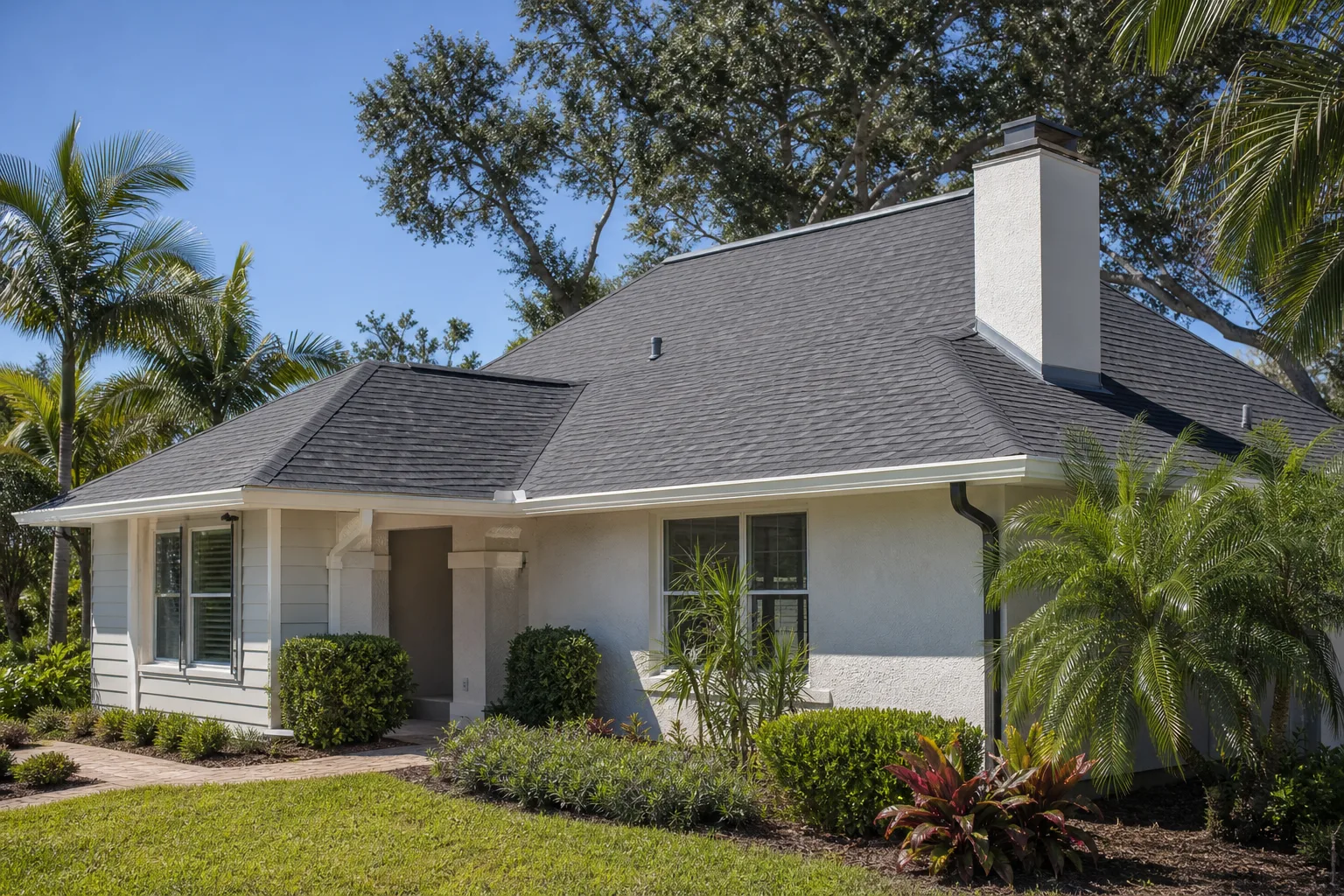
- Roofing
- Windows & doors
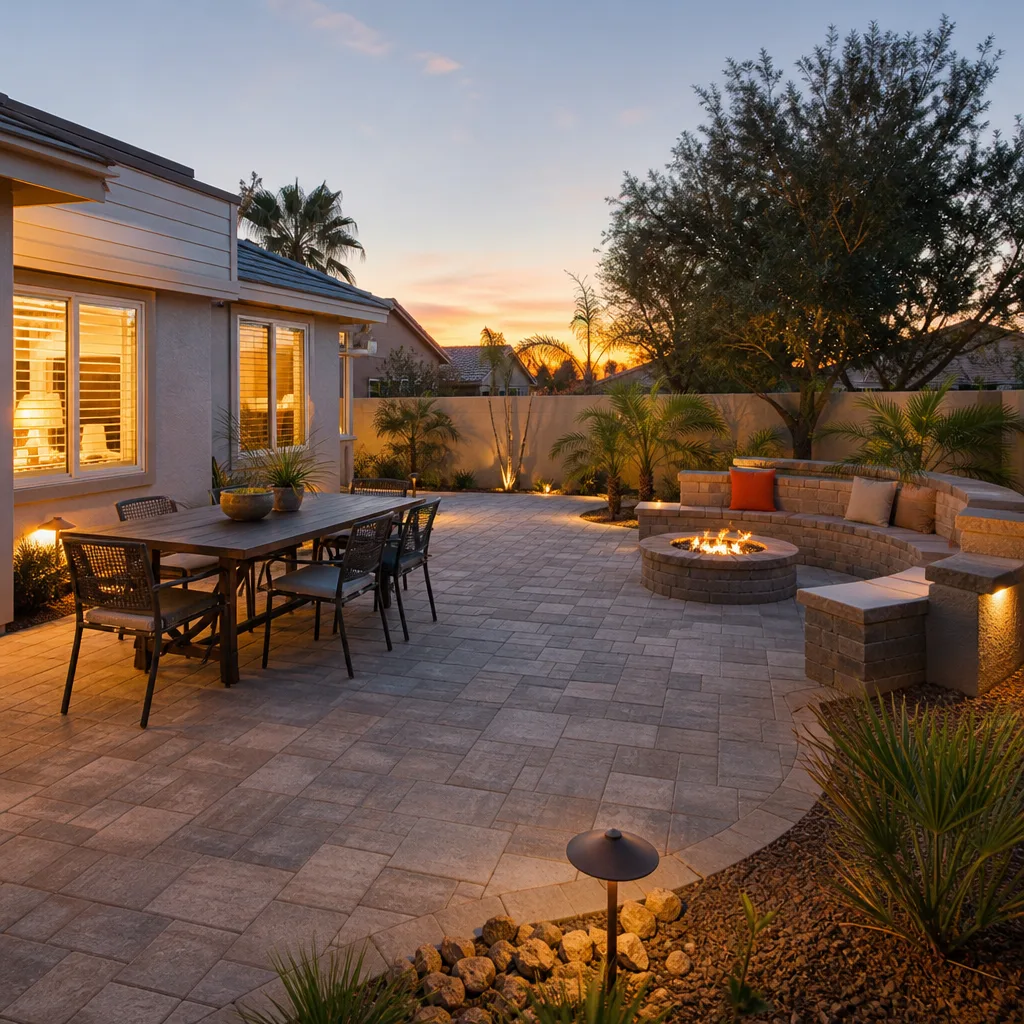
- Driveway & pavers
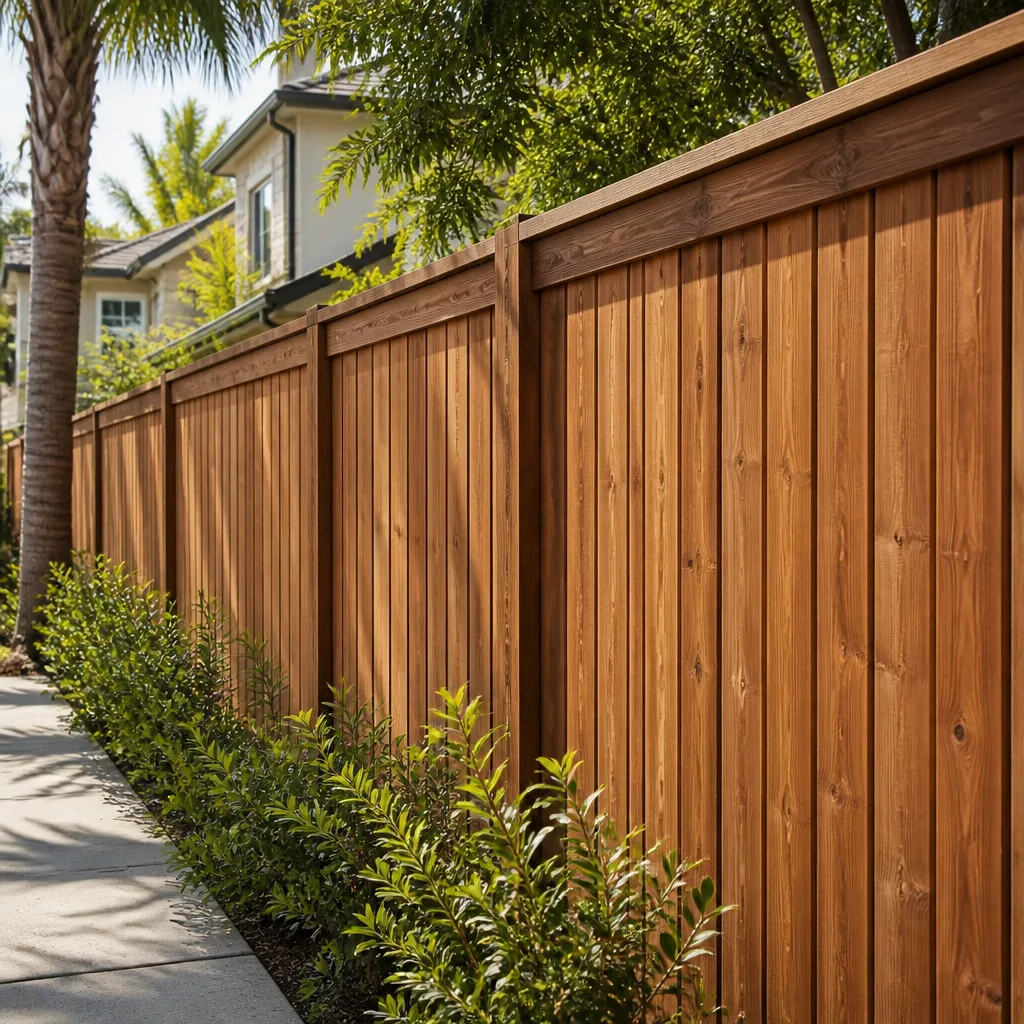
- Fence
Table of Contents
- How to Decode a Material Specification on a Bid
- Brand Tier Matters More in Some Categories Than Others
- The Product Categories Where Brand Tier Is Significant in Garden Grove
- Questions That Reveal Which Tier a Contractor Is Specifying
- How Installation Errors Void Manufacturer Warranties
- What Premium Brands Actually Signal About Accountability
- The Contractor Who Specs Down and Says the Brand Covers It
How to Decode a Material Specification on a Bid
A bid that says “install GAF roofing” is not a specification. It’s a category. A specification names the product line and the model number and tells you where the material sits in the manufacturer’s lineup. Ask any roofer in Garden Grove to show you the model number on the spec sheet, and you’ll learn quickly whether they know their own materials or just order whatever the distributor pushes.
Here’s the pattern a real specification follows:
- Product line name. Not “GAF Timberline” alone, but GAF Timberline HDZ or Timberline UHDZ. Those are different products with different warranties, and the price difference is real.
- Model number or SKU. Pull it up on the manufacturer’s own website and read the warranty page yourself. If the contractor can’t produce a model number, the bid isn’t specific enough to compare.
- Warranty tier. Most manufacturers run a limited warranty and an enhanced or lifetime warranty. The enhanced one usually requires registration and sometimes a certified installer. Ask who registers it.
- Underlayment and accessories. A premium shingle over cut-rate underlayment is a warranty problem waiting for the first Santa Ana wind event.
- Allowance language. If the bid says “$X allowance for tile,” the tier is hidden inside that allowance. Push for the specific tile and grout line before you sign.
If the spec isn’t in writing, the contractor’s volume discount determines it, not your house. That’s the whole game. And a contractor who won’t put a product line on paper is telling you something about how they handle the rest of the job, too.
Brand Tier Matters More in Some Categories Than Others
Garden Grove sits in that coastal-to-inland transition zone where mornings come in damp off the Pacific and afternoons bake dry. That climate drives which product categories punish a cheap tier and which ones honestly don’t care.
Categories where tier matters:
- Roofing. A bottom-tier three-tab under a premium label won’t last through fifteen years of coastal fog and dry heat cycles. The higher-tier architectural shingles carry better wind ratings and thicker asphalt, and in Garden Grove that shows up in the second decade, not the first.
- Windows. Andersen vs. Andersen matters. The 100 Series, 200 Series, and 400 Series use different frame materials and glazing options. In a climate with morning damp, a vinyl-clad or wood-clad frame at the right tier holds up differently than a builder-grade alternative.
- Exterior paint and sealers. UV exposure here eats cheap coatings. The premium line isn’t vanity; it’s the difference between a re-coat in five years and a re-coat in eight.
- Hardscape pavers. Properly manufactured pavers from a named line like Techo-Bloc or Tremron hold color and edge integrity under foot traffic and hose-downs far better than commodity concrete block. The base prep matters more than the paver, but the paver tier matters too.
Categories where commodity is genuinely fine: drywall, standard lumber framing, basic insulation, and interior door slabs. No one in Garden Grove needs a premium-name drywall, and a contractor who charges you a premium tier on one is padding the bid, not protecting you.
The Product Categories Where Brand Tier Is Significant in Garden Grove
Let’s get specific, because this is where most buyers get talked in circles.
- Roofing. GAF and CertainTeed both manufacture entry, mid, and top tiers. A CertainTeed Landmark is a solid mid-grade; a CertainTeed Presidential is a different product entirely. Ask for the wind rating and the warranty registration requirement at each tier.
- Kitchen cabinetry. KraftMaid makes stock, semi-custom, and full-custom lines under the same badge. In Garden Grove’s older ranch homes, the cabinet tier determines whether the boxes square up against walls that haven’t been plumb since the 1960s. A semi-custom line gives you the fillers and trim to make a re-faced or replaced kitchen look built-in.
- Countertops. Cambria is a quartz product with a specific warranty, but even within Cambria there are series and finishes. A bid that says “quartz” without the series tells you nothing about price or durability.
- Windows and doors. Andersen and Marvin both tier their lines significantly. Get the series number on the bid and look up the U-factor and the warranty length on the manufacturer’s site before signing.
- Hardscape. Belgard, Techo-Bloc, and Tremron all run multiple product lines. For a driveway in Garden Grove, the difference between a 60mm and an 80mm paver plus base depth matters more than the brand name. Ask which tier and which base.
Every one of those brands has a lower tier, and every one is a legitimate product in the right application. The point is that the tier should be a decision, not a default.
Questions That Reveal Which Tier a Contractor Is Specifying
These are the exact questions to put to any contractor bidding a job in Garden Grove. Write them down and bring them to the consult.
- “What’s the specific product line and model number for this material?” If the answer is a brand name only, that’s your answer.
- “Why this tier for my project?” Listen for a reason tied to your application (coastal damp, sun exposure, family size, budget horizon) rather than “it’s what we always use.”
- “Can you show me the manufacturer warranty page for that exact model?” A professional pulls it up without flinching.
- “Who registers the manufacturer warranty, and what’s required to keep it valid?” Get the name of the person or process in writing.
- “Are your installers certified or trained by this manufacturer for this product line?” Some premium warranties require certified installation. If your contractor isn’t certified, the top tier is wasted money.
- “What’s the workmanship warranty, and does it survive a manufacturer claim denial?” This is the question that separates real contractors from brand-name-only salespeople.
- “If you change the tier after we sign, how does that get documented?” The right answer is a written change order before any work happens, with the price difference spelled out.
We put every scope, allowance, and price change on paper before the work starts, because the allowance that isn’t on paper is a surprise waiting for a date. Ask the same of anyone you hire in Garden Grove. If your contractor can’t explain the tier they’re specifying and why it fits your house, keep asking, or keep looking.
How Installation Errors Void Manufacturer Warranties
Manufacturer warranties almost never cover installation errors, and installation errors are the number one reason claims come back denied. The premium shingle you paid extra for is worthless if the installer skipped the ice-and-water shield at the valley, used the wrong fasteners, or failed to register the product within the window after installation.
Common installation errors that void the manufacturer warranty:
- Improper fastener placement or depth. Roofing and siding manufacturers specify the exact nailing pattern and depth. Miss it and the warranty is gone.
- Missing required accessories. Underlayment, drip edge, and ventilation are specified in the manufacturer instructions. Skip one and you’re on your own.
- No registration. Many premium-tier warranties require registration within 30 to 90 days. A contractor who doesn’t hand you the registration paperwork is quietly voiding your coverage.
- Installing over a compromised substrate. A premium window over rotted framing is a claim denial waiting to happen.
- Substituting the tier after quote. If the bid said one model and the crew installed a lower tier, the warranty attached to the model you thought you bought doesn’t apply.
This is why the workmanship warranty matters as much as the product warranty. A product warranty covers the material. It does not cover the labor to fix the installation. When the manufacturer denies the claim and the installer has already cashed the check, you’re the one holding the invoice. The 90-Day Done Right Promise we put on every contract exists for exactly that gap: if it isn’t done right, we come back and make it right. One call. That’s the cushion between you and the warranty gap.
What Premium Brands Actually Signal About Accountability
A premium brand in a bid signals something about the contractor, but not what most homeowners assume. It doesn’t mean the contractor cares more about your house. It means they’ve invested in a relationship with a manufacturer or distributor that gets them access to the top tier, and they’re willing to put a verifiable name on the paperwork. That’s a real signal, because a contractor who specs down has an easier time hiding behind a brand name when something fails.
Look at what’s on display in Garden Grove: Paul’s Hardware on Garden Grove Boulevard, the places on Brookhurst Street, the supply yards off the 22. A contractor who knows the tier structure of the materials they install talks about it easily. They can tell you why a Techo-Bloc or Tremron paver makes sense for a driveway project versus a commodity block. They can tell you which GAF shingle carries the wind rating your roof needs and which one is just a familiar box. They carry the manufacturer’s paperwork, not just the sticker on the truck.
That’s the accountability test: the contractor should be able to tell you the brand, the tier, the model number, the warranty, and who’s registering it, without a single prompt from you. Anything less is a marketing claim dressed up as a specification.
The Contractor Who Specs Down and Says the Brand Covers It
This is the most common move in the industry, and it’s the reason homeowners feel cheated after premium-brand jobs. The bid says “Premium GAF roofing.” The crew installs the entry line inside the GAF family. When the roof fails early, the homeowner calls the manufacturer, who points to the warranty on the model that was actually installed, and the answer is a limited warranty with an exclusion for installation error. The contractor says “it’s a GAF roof, take it up with GAF.” The homeowner is left with a half-life roof and a bill for a replacement.
The defense is simple. Put the tier on the bid, in writing, with the model number, before you sign. Put the warranty registration responsibility in writing too, with a deadline. And put the workmanship warranty on the contract, in plain language, so that when the manufacturer’s warranty has an escape hatch, you still have someone to call.
You’ll find the same pattern in hardscape bids. “Belgard pavers” can mean a top-tier Belgard with a proper base build or a thin commodity paver on two inches of crushed stone, and Garden Grove’s clay-heavy soil in some neighborhoods punishes the shortcut within a couple of wet seasons. Ask for the paver line, the base depth, and the polymeric sand spec. If the contractor specs down, you’ll find out right there. Browse our Driveway & Pavers in Garden Grove page for the specifics we put on a hardscape bid.
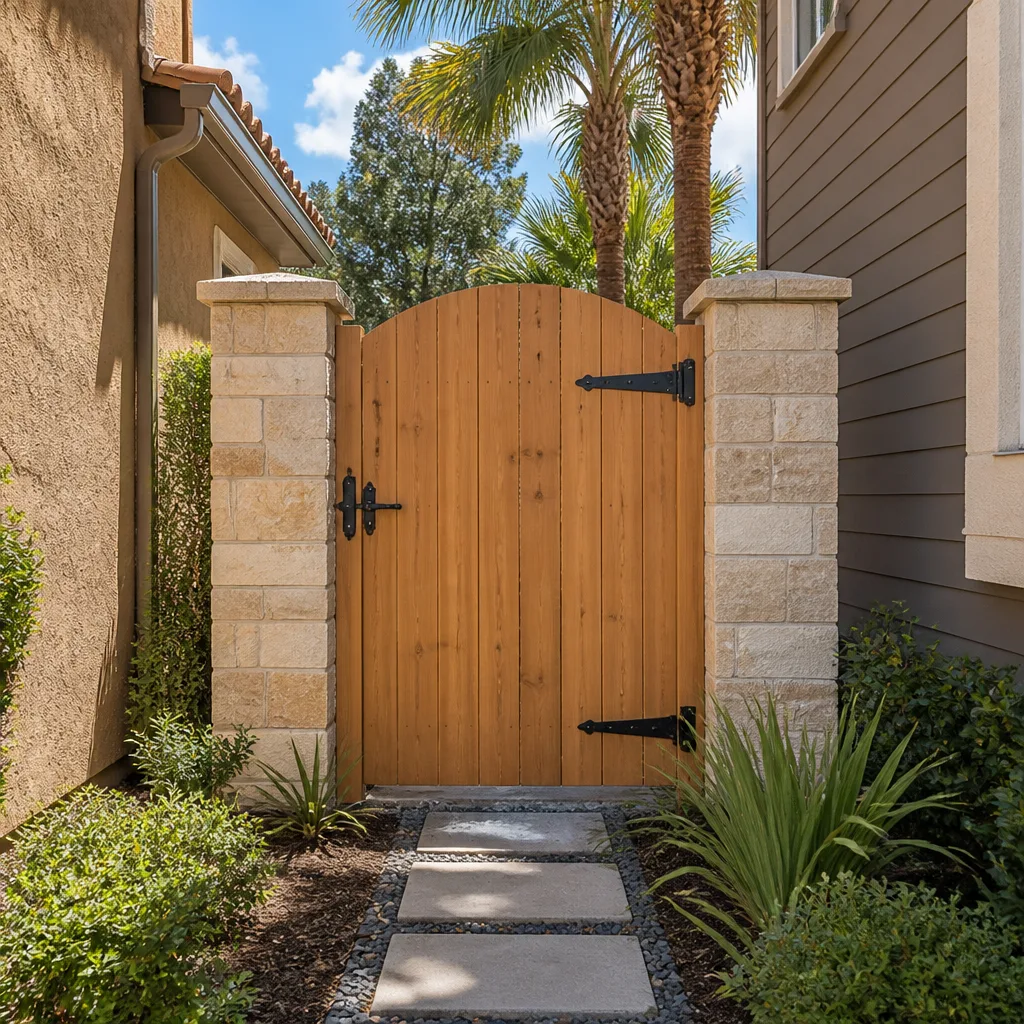
The same goes for a fence. A “premium cedar fence” bid should tell you the board thickness, the post spacing, the fastener material, and the stain system. If it doesn’t, you’re buying a label, not a fence. Our Fence Installation in Garden Grove page breaks down what a real spec looks like.
Common Mistakes to Avoid
- Accepting a brand name as a specification. “Andersen windows” isn’t a spec; “Andersen 400 Series, model number X, with Low-E glazing” is. Don’t sign a bid that names a brand without naming the product line.
- Assuming the contractor’s “premium brand” claim is on the contract. It usually isn’t. If the tier isn’t in writing, it’s the contractor’s choice at ordering time, not yours.
- Skipping the warranty registration. Many premium warranties in Garden Grove require registration within a specific window. Ask who registers and get it in writing.
- Comparing bids on total price only. A bid $1,500 lower that quotes a lower-tier Roofing product and skips the underlayment upgrade isn’t a lower price; it’s a different product. Compare line by line.
- Not asking about the workmanship warranty. If the product warranty has an escape hatch and the contractor doesn’t back their installation, you’re on the hook for the labor. Ask upfront.
- Letting an “allowance” hide the tier. A $3,000 tile allowance means nothing if the tile line isn’t named. Push for the tile and grout line before signing.
- Assuming the crew is certified for the product line. Some premium warranties require certified installers. If the crew isn’t certified, the premium tier is wasted.
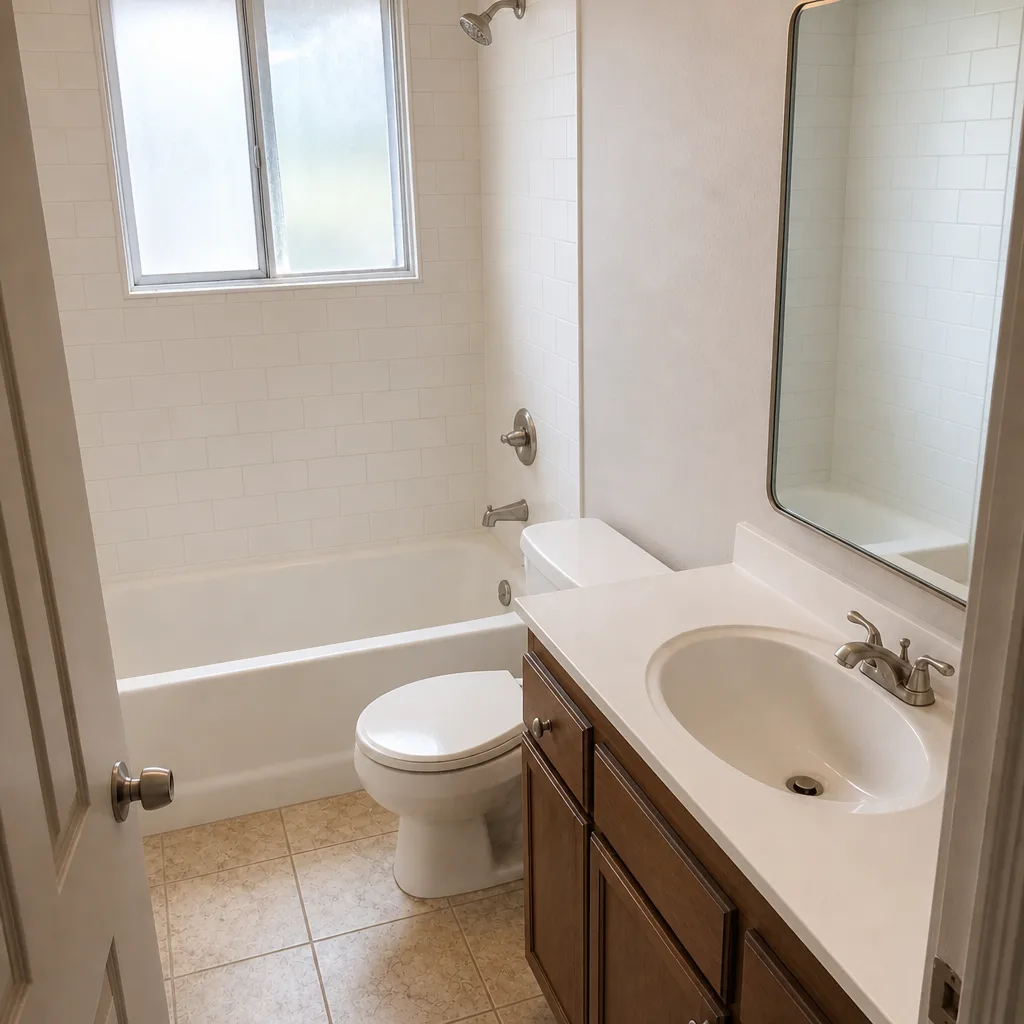
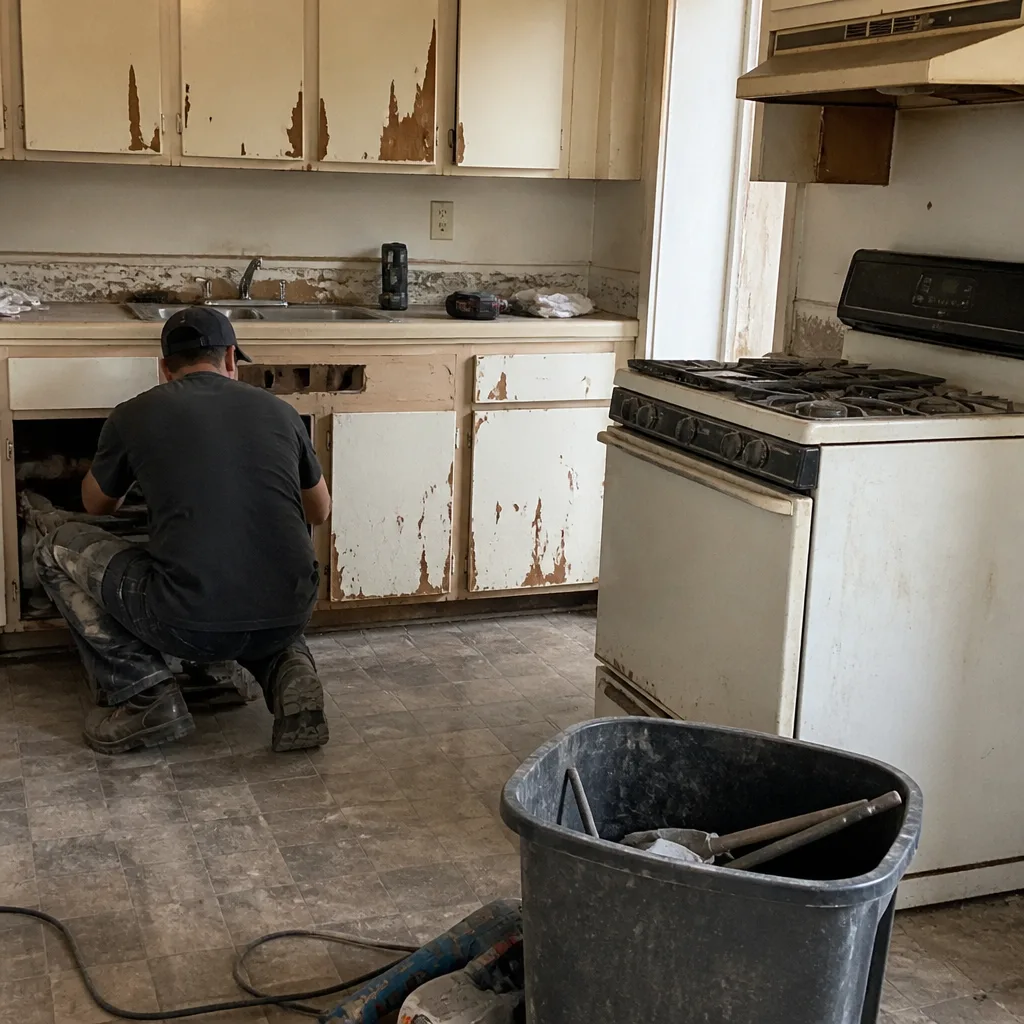
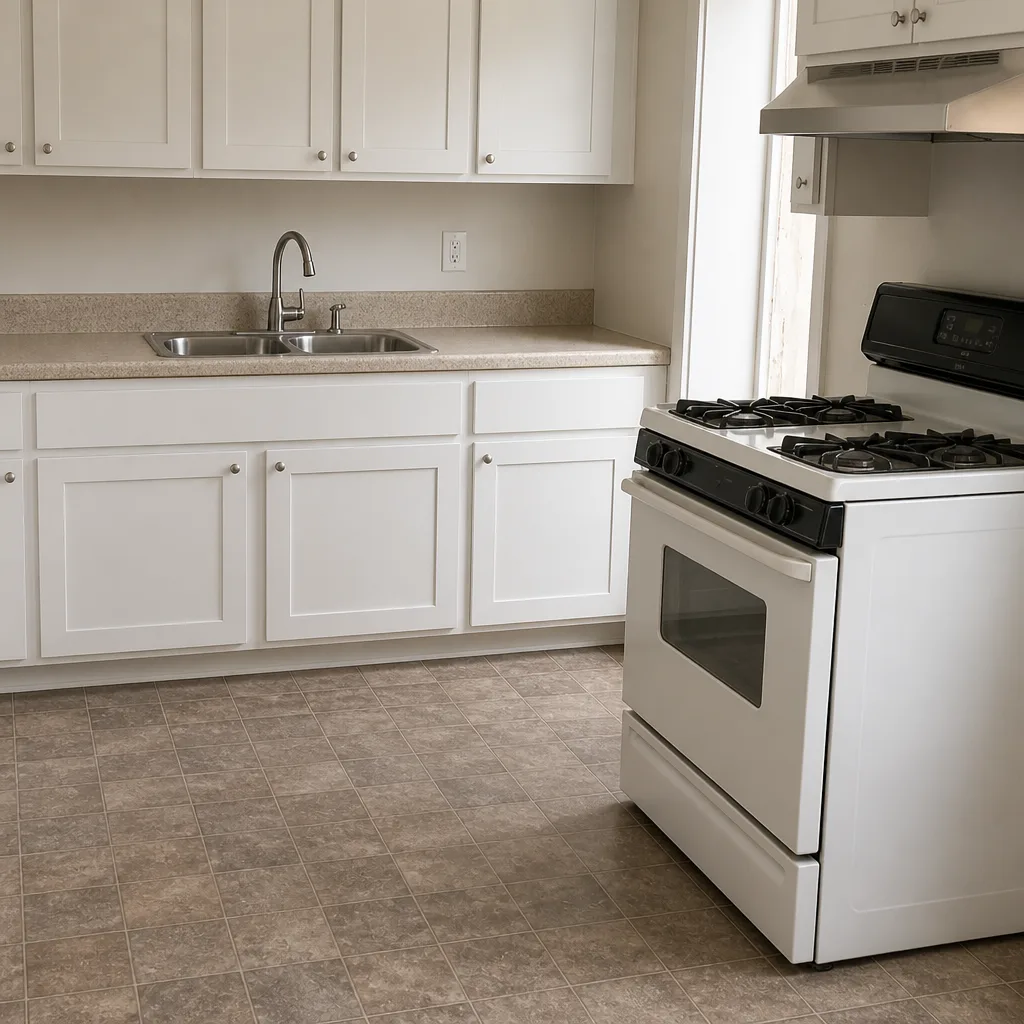
See the difference
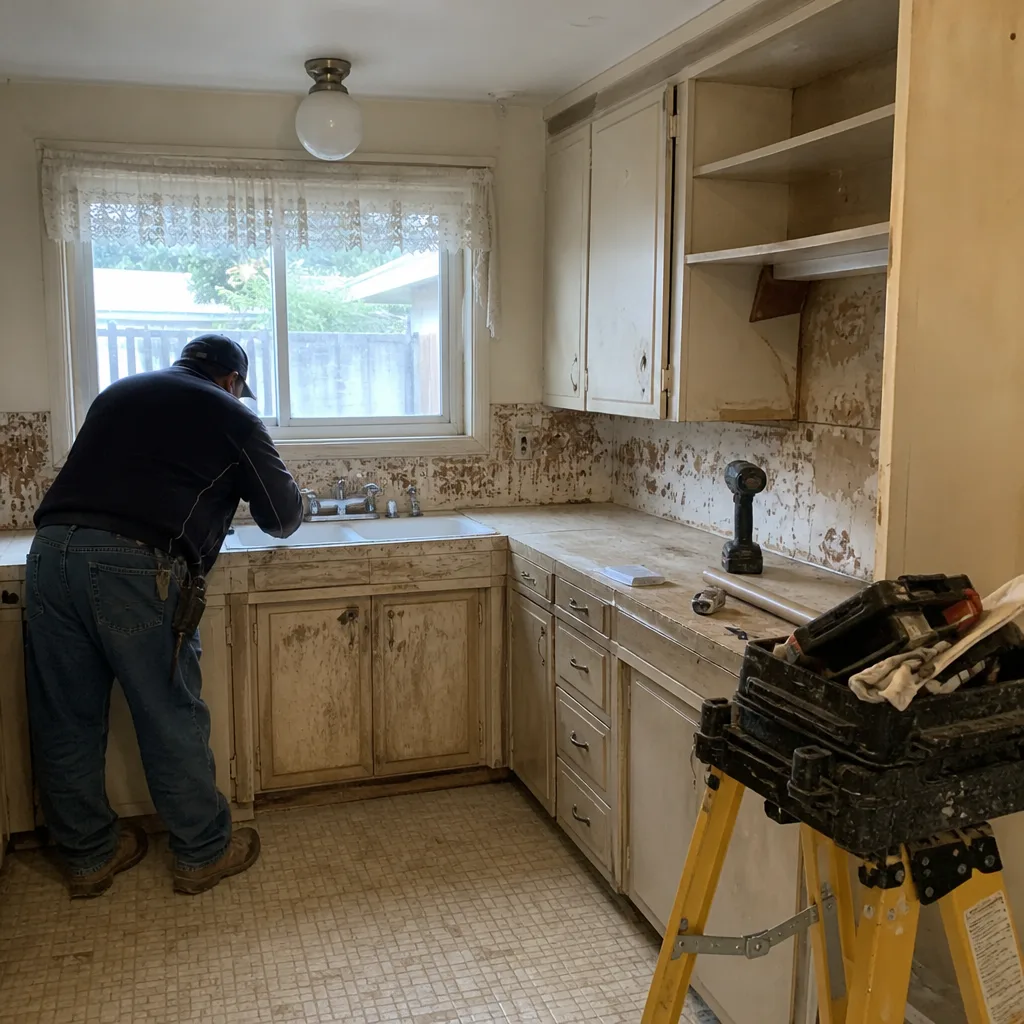 Before
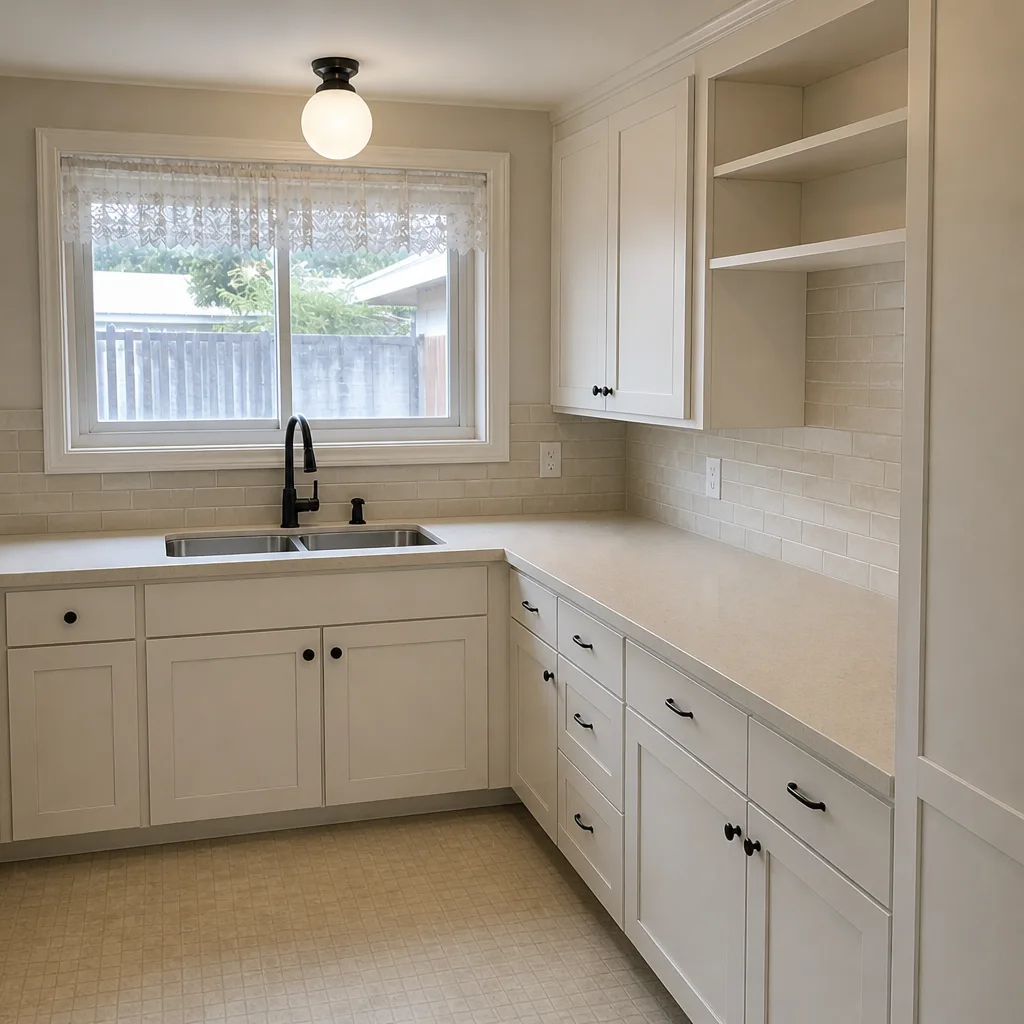 After
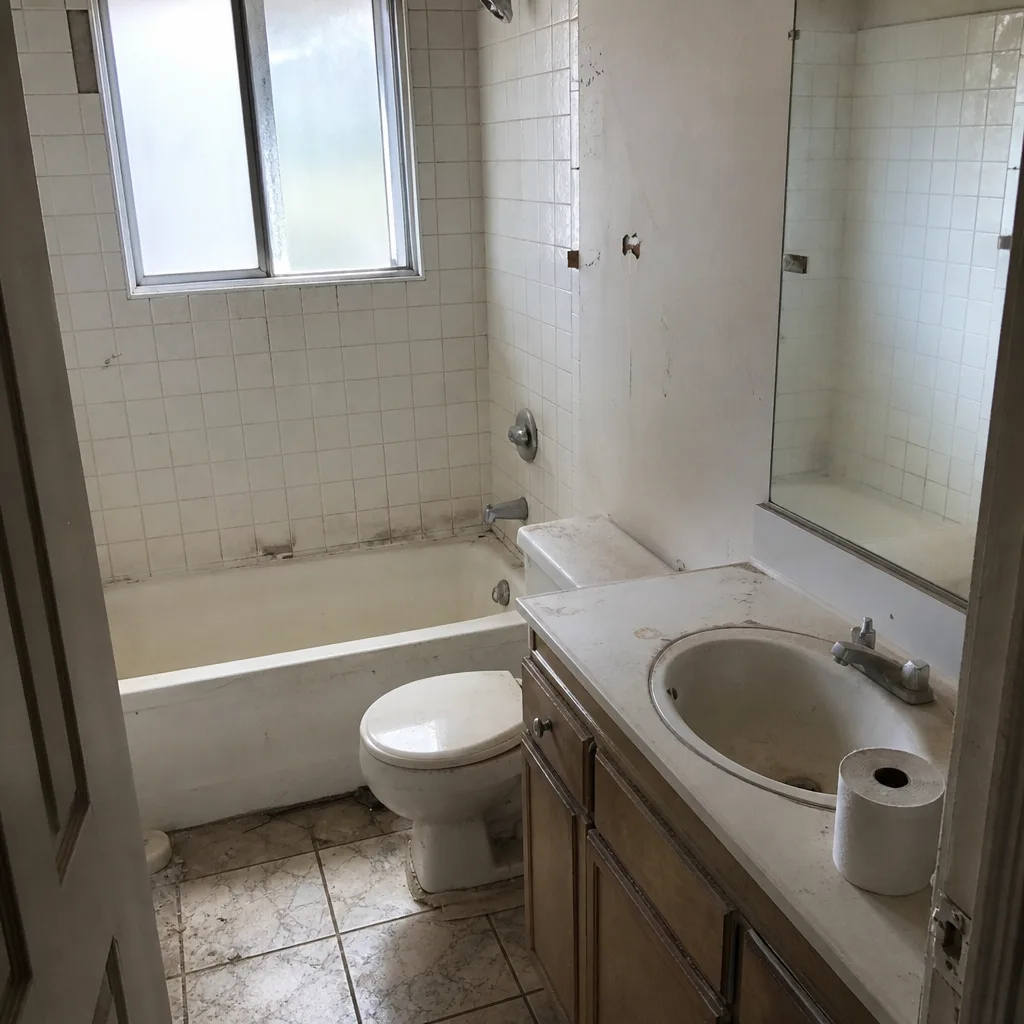 Before
 After
 Before
 After
When to Call a Professional
Some of this you can parse on your own. The rest requires a pro, especially when the material choice intersects with structure or wet systems. Call a professional when the bid includes roofing, windows, exterior framing, or a full kitchen or bath replacement, and especially when the tier question affects whether the manufacturer’s warranty will actually be honored. Bringing a second set of eyes to a bid is not a sign you don’t know what you’re doing. It’s how experienced homeowners in Garden Grove catch spec-down bids before they sign. Start with the Barrett & Sons Construction Garden Grove home page for what we cover, and use the Free Second Opinion on Any Written Estimate offer if you want a read on a bid you’re holding. If your project is bigger than a material swap, our Home Additions & ADU in Garden Grove page explains the tier decisions that matter on a larger build. Barrett & Sons Construction Garden Grove offers free estimates in Garden Grove, call (833) 703-5196.
Frequently Asked Questions
GAF and CertainTeed for roofing, Andersen and Marvin for windows and doors, KraftMaid for cabinetry, Cambria for quartz countertops, and Belgard, Techo-Bloc, or Tremron for hardscape. The brand matters less than the specific tier and model number, and whether your installer is certified to preserve the warranty on that tier.
Ask for the product line name and model number in writing, then look it up on the manufacturer’s own site. If the bid only names the brand, the tier is a contractor decision at ordering time, not yours. Call (833) 703-5196 and we’ll walk you through a bid line by line if you want a second opinion.
No. Manufacturer warranties cover the material, not the installation, and installation error is the most common reason claims get denied. That’s why the workmanship warranty matters as much as the product warranty. Insist on both in writing before you sign.
In roofing, windows, exterior paint, and hardscape, yes, the tier difference shows up in the second decade of ownership. For drywall, framing lumber, and standard insulation, the commodity tier is genuinely fine and paying premium is padding the bid. Ask the contractor to explain why each product tier is appropriate for your specific project.
Roofing, windows, exterior paint, and hardscape pavers. That’s where the coastal morning damp and the inland heat cycle work hardest on the material. Even within a premium brand like GAF or Techo-Bloc, the lower-tier product may not be built for a fifteen-year service life in this climate. Ask which tier and why.
The product line, model number, quantity, price difference, and the date the change was authorized. A change order should land before the work happens, not after, and it should be signed by both parties. Every scope, allowance, and price change on a Barrett & Sons job goes on paper before anyone touches the work.
The Bottom Line
The most important question you can ask a contractor isn’t “what brand?” It’s “which product line, and why?” In Garden Grove’s climate, the tier difference shows up in roofing, windows, exterior coatings, and hardscape within the second decade, and a bid that hides the tier is a bid that leaves the choice to a volume discount agreement. Get the product line, the model number, and the warranty registration in writing. Get the workmanship warranty on the contract too, because the manufacturer’s warranty has an escape hatch and you need someone on the other side of it. Call (833) 703-5196 for a free estimate.
Written by the team at Barrett & Sons Construction Garden Grove.