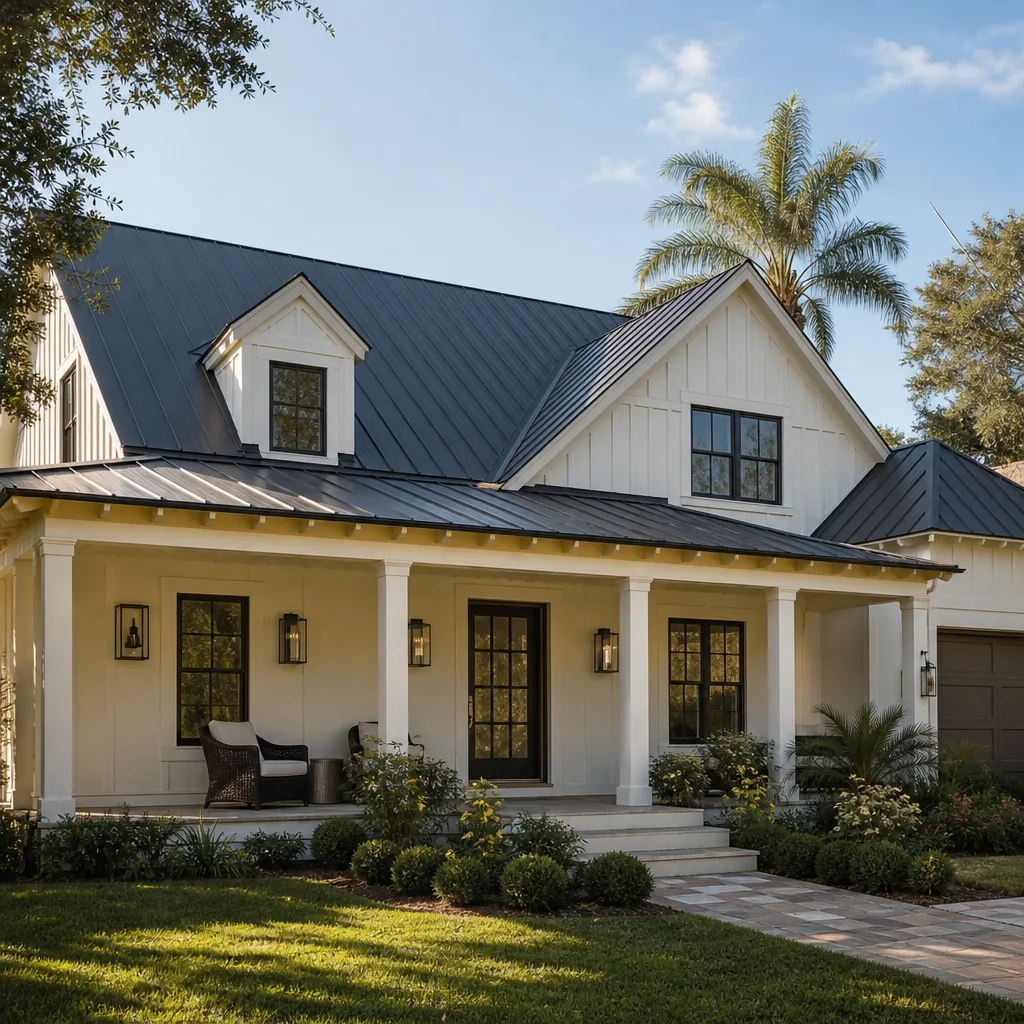
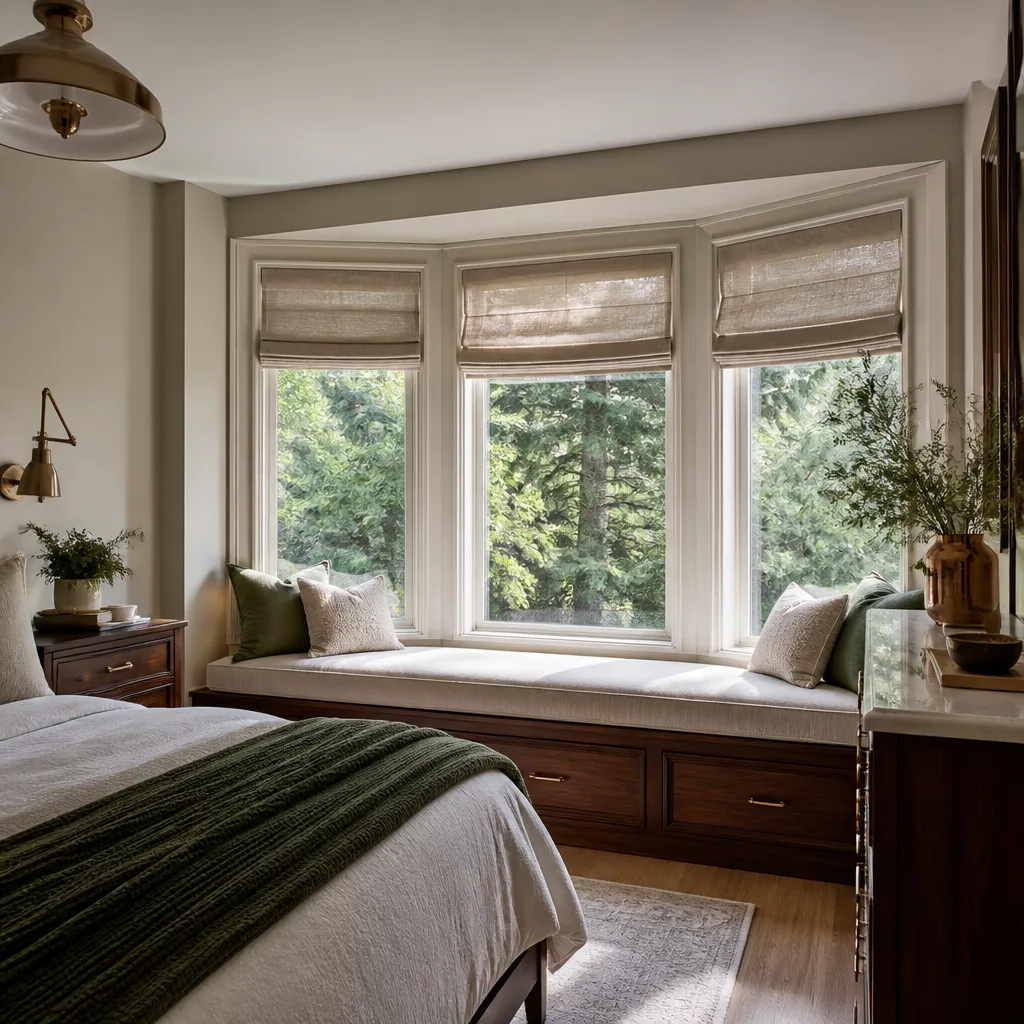
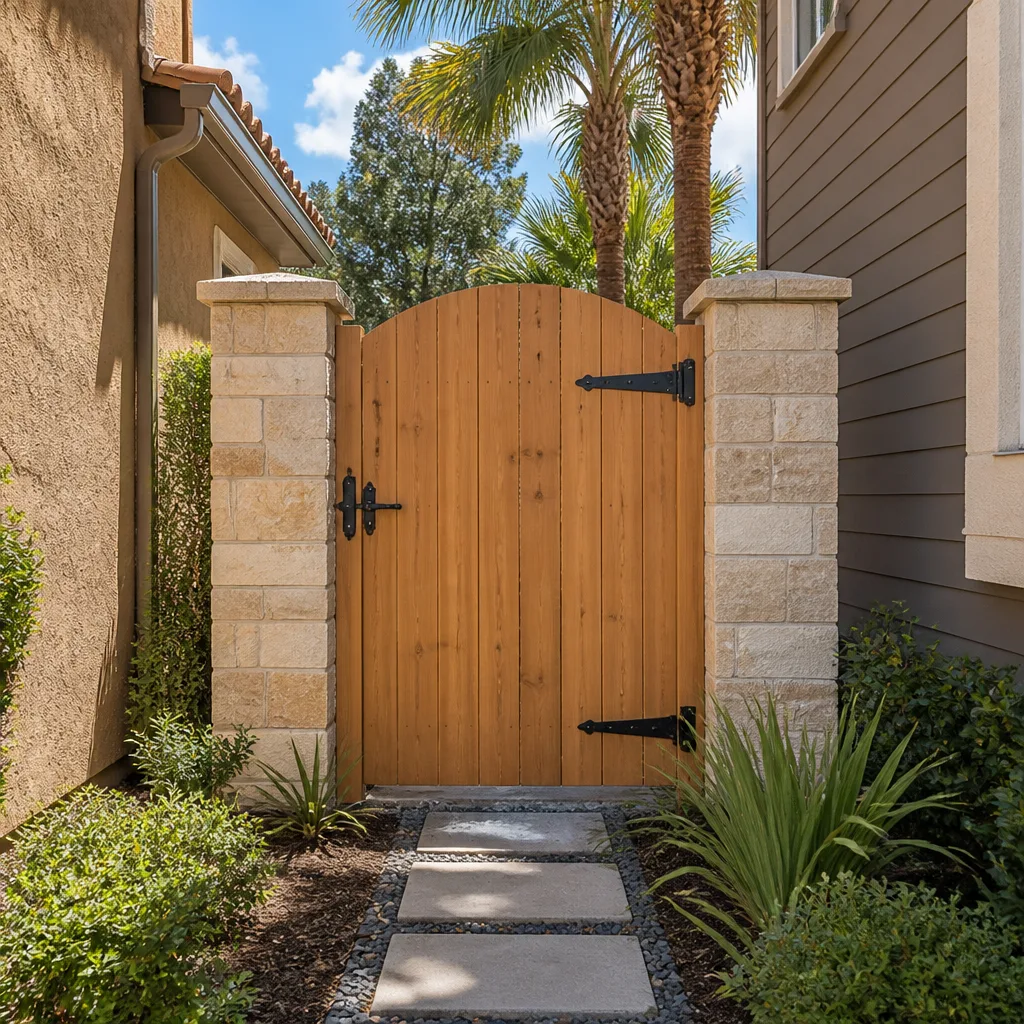
Free written scope consultation - allowances, timeline, and change-order rules on paper before a single trade is scheduled
Styles & brands we work with
- Kitchen remodeling
- Bathroom remodeling
- Home additions & ADU
- Roofing
- Windows & doors
- Driveway & pavers
- Fence
See the difference
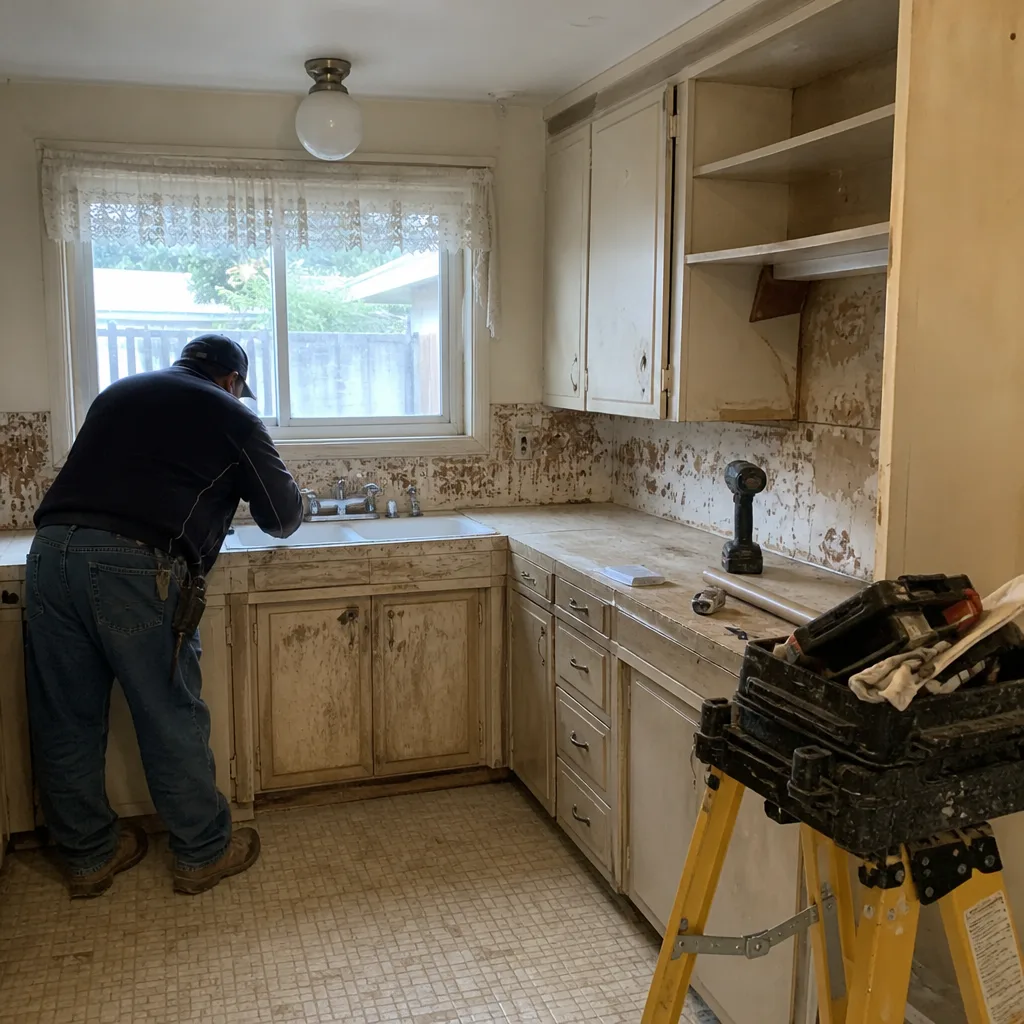 Before
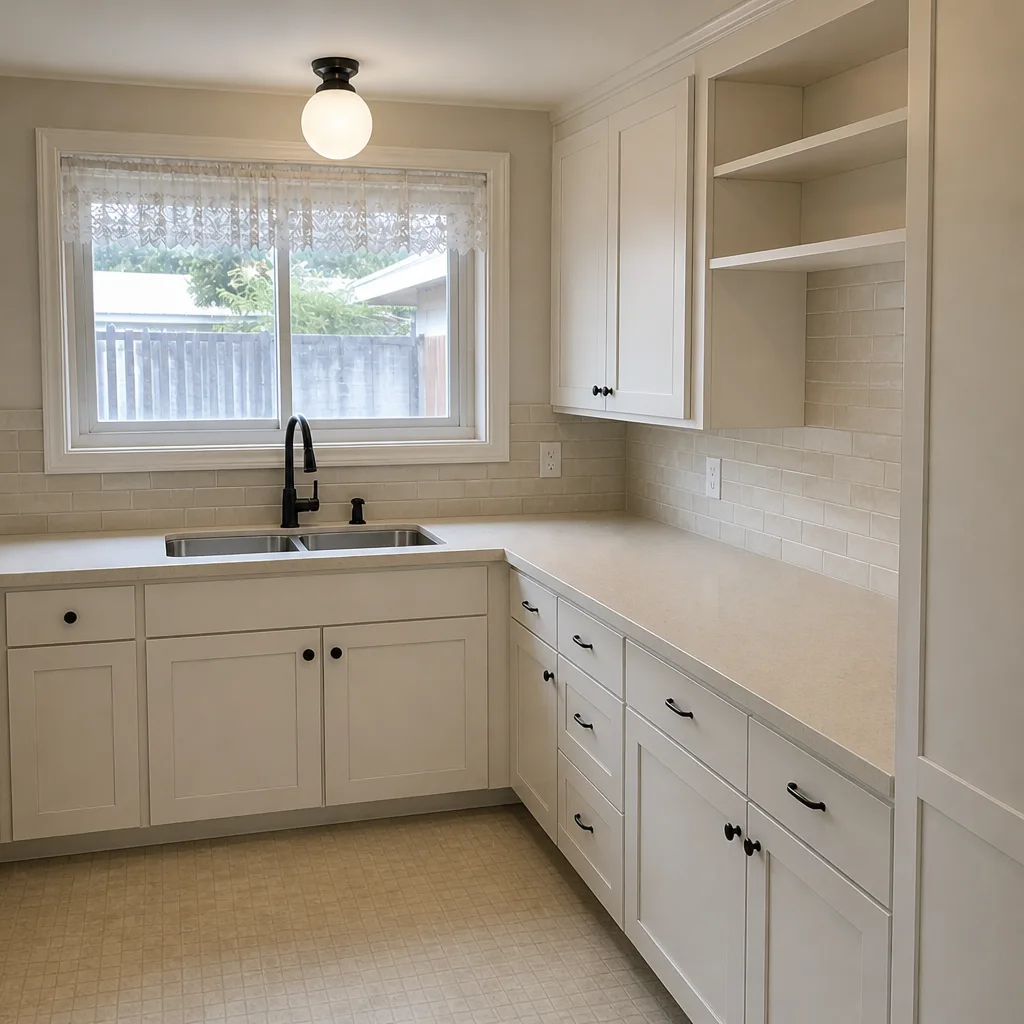 After
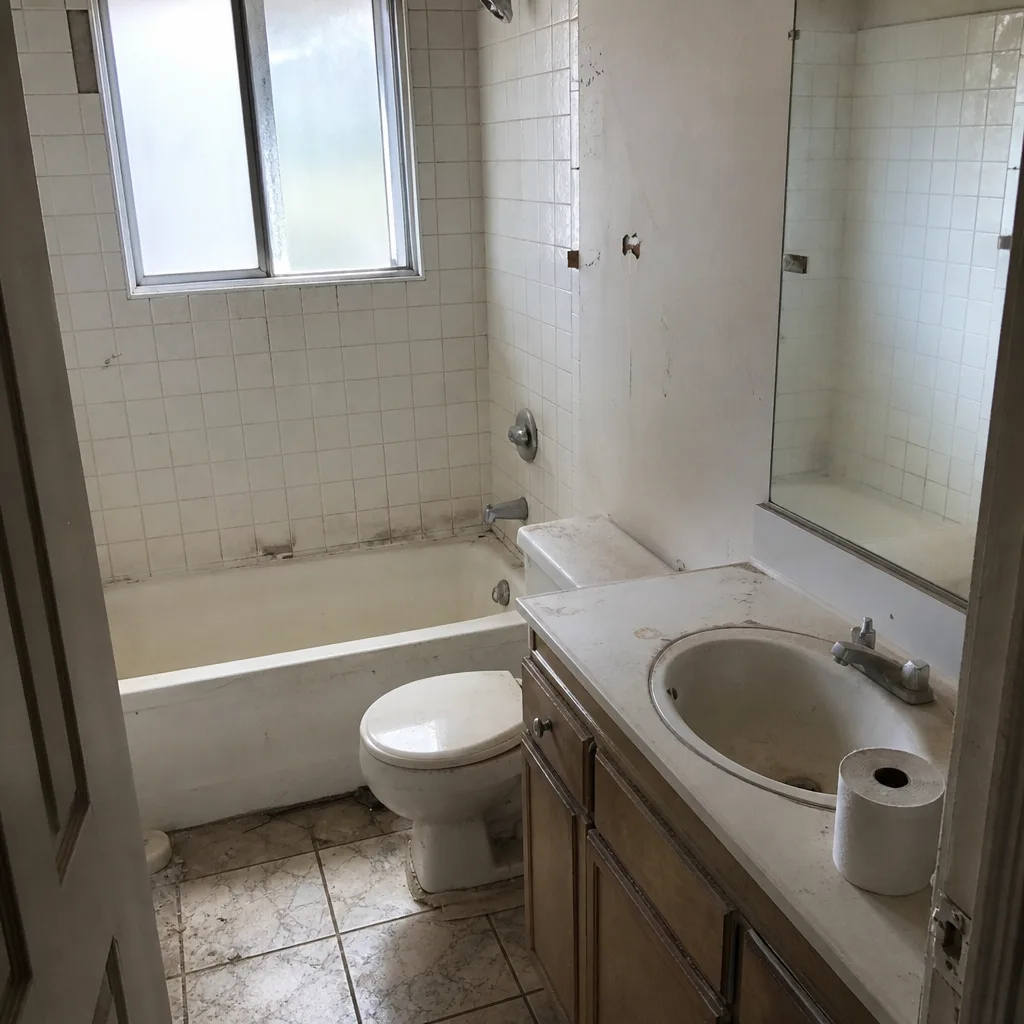 Before
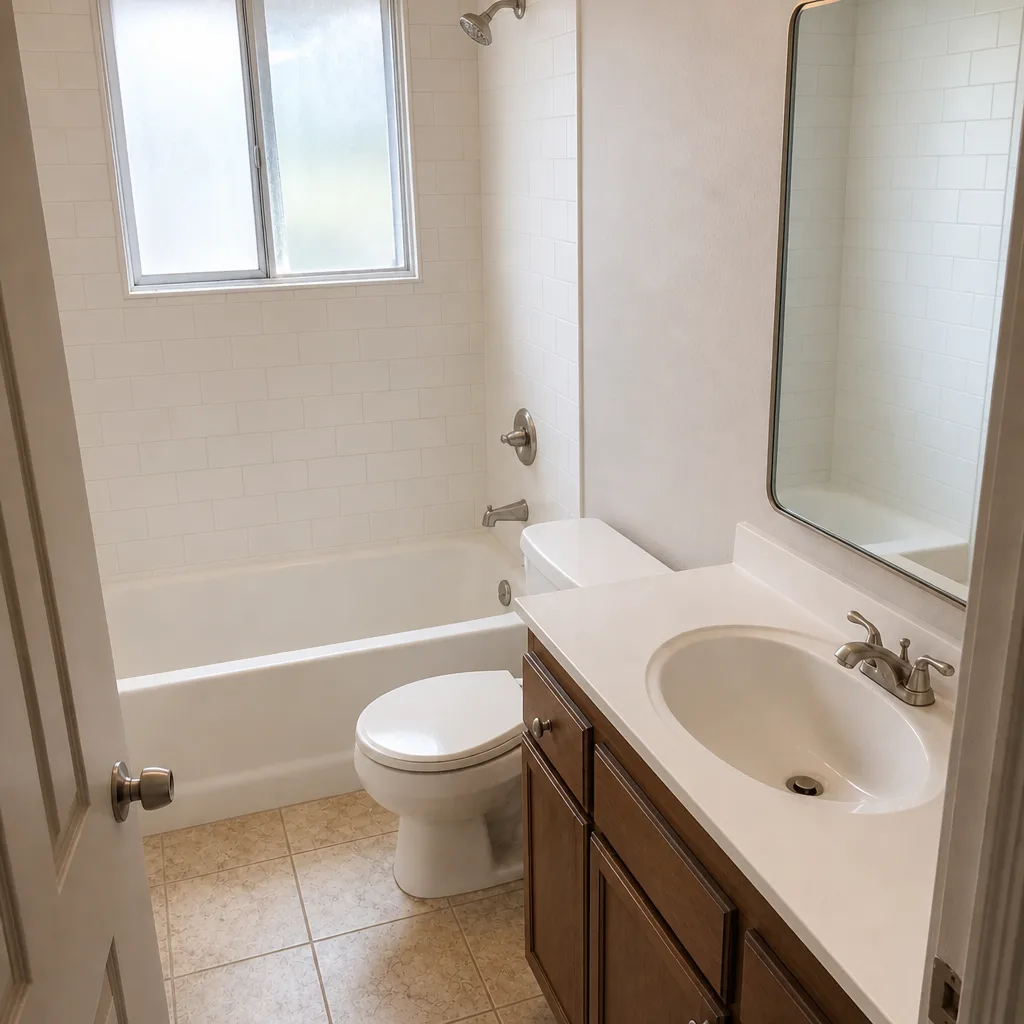 After
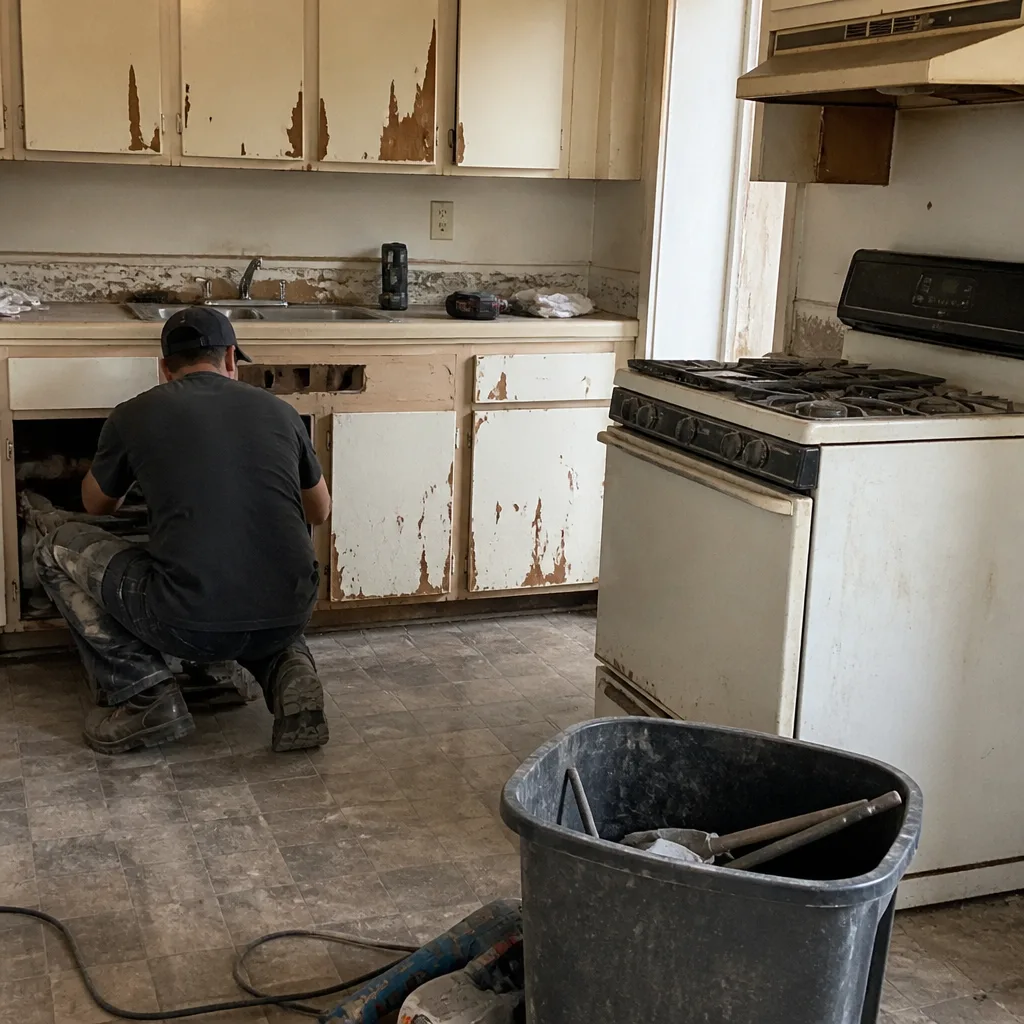 Before
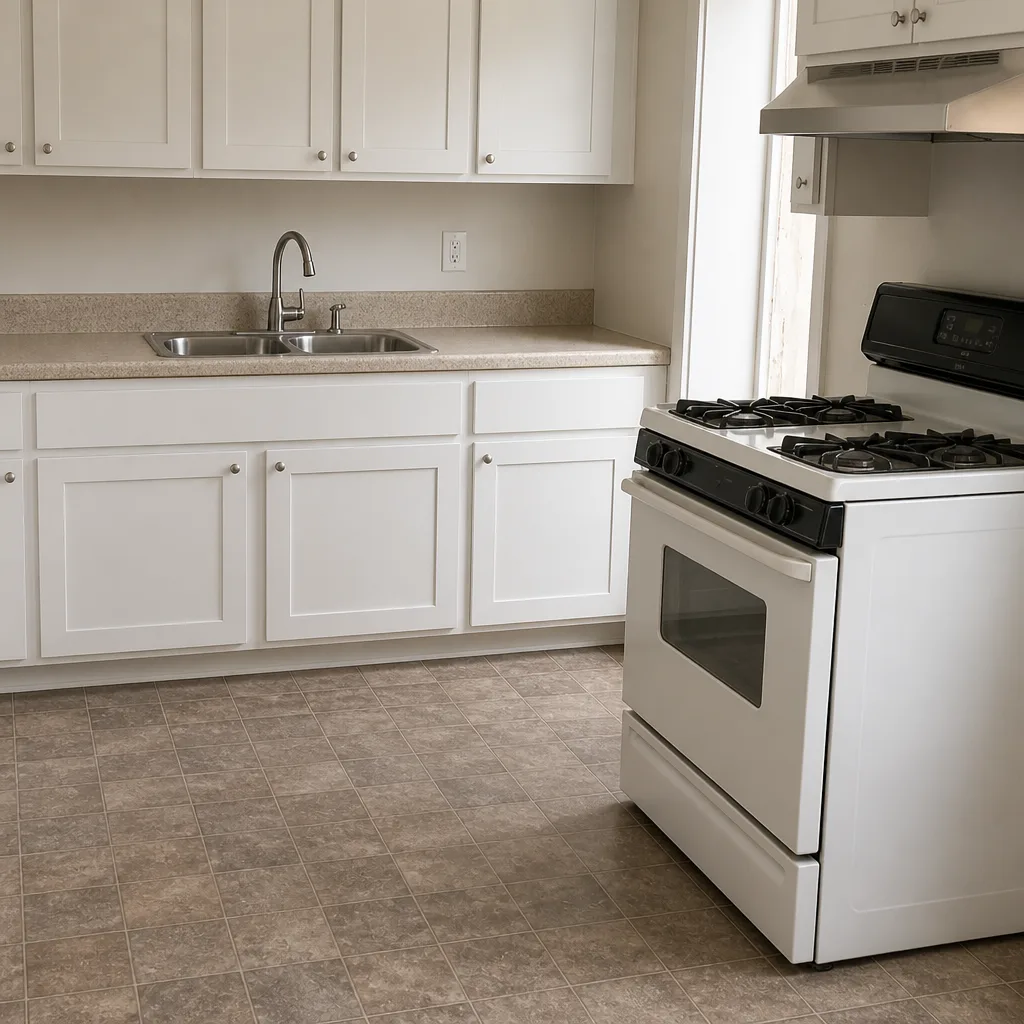 After
General Contractor vs Handyman in Garden Grove, CA: Who’s Actually on the Hook
Choose a licensed general contractor the moment your job touches structure, a permit, or anything over $500 in combined labor and materials. Anything else that’s cosmetic and small, a licensed handyman can handle. That’s the short answer. The part worth understanding in Garden Grove is why that $500 line exists and what it costs you when someone crosses it: as soon as the wall comes open, the permit goes un-pulled, and the work hides behind drywall, the person legally responsible shifts from the person who did it to the person who owns the house. Call (833) 703-5196 and we’ll tell you honestly which side of that line your job sits on.
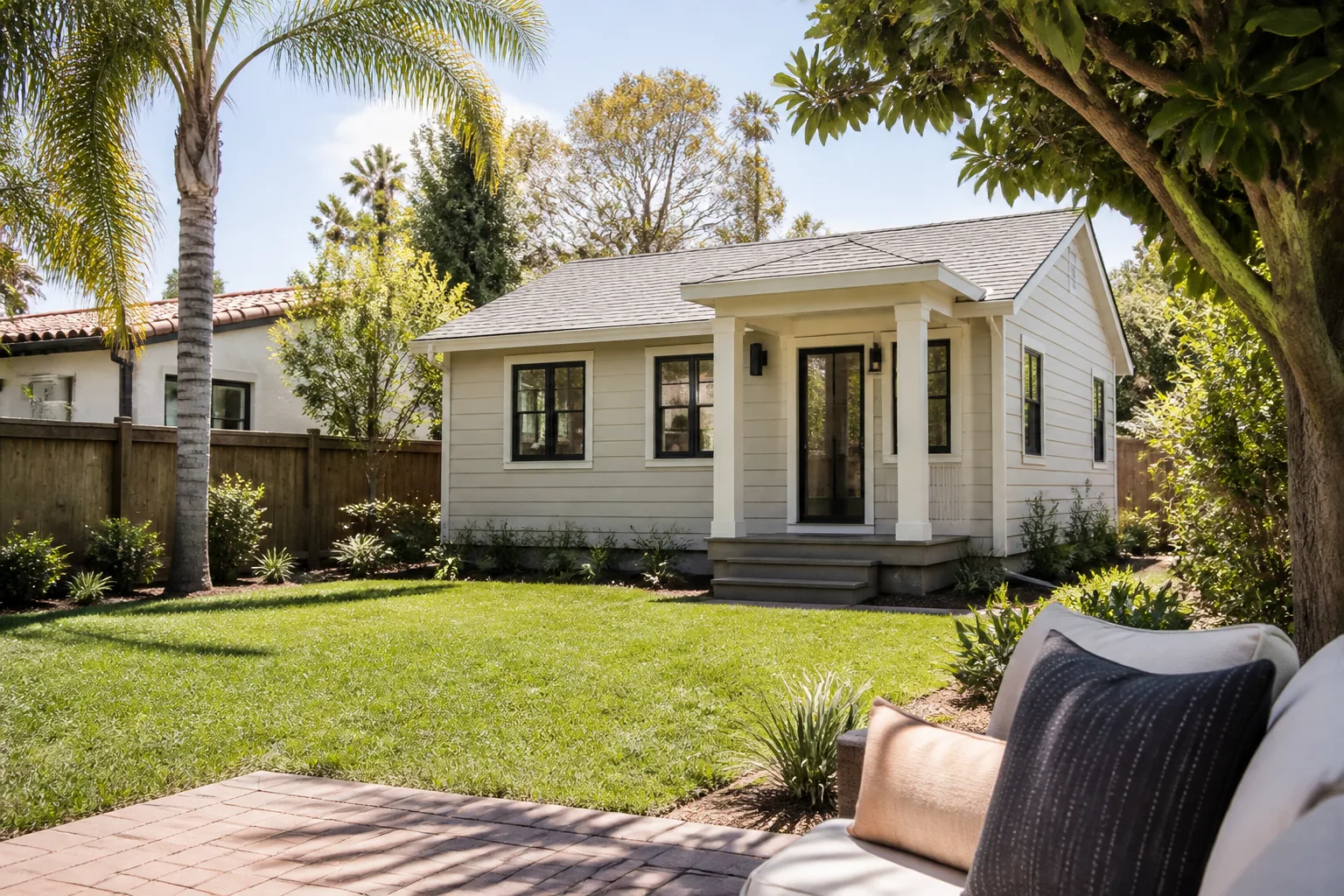
What the $500 Line Means in a Garden Grove Ranch House
California law is blunt here. Any single project where combined labor and materials exceed $500 legally requires a licensed contractor, and that’s the whole job history, not one invoice you happened to split. In a 1950s tract home in Garden Grove, almost every meaningful scope crosses that threshold before lunch on day one. A bathroom tile and shower job, a rear addition, a detached ADU, even replacing a sliding door that reveals a soft header once it comes out.
General Grove’s housing stock makes that line narrower than it looks on paper. Most of the city’s homes are small three-bedroom single-story ranch plans from the 1950s and ’60s, many now being expanded with rear additions, second stories, and detached ADUs. When you open a wall, you routinely hit original galvanized or early copper plumbing, old two-wire electrical, and slab-on-grade foundations. A licensed GC runs into those conditions on every job and builds the cost of what’s behind the wall into a written scope up front. A handyman finds the same conditions and has to decide whether to tell you, guess at the fix, or put the drywall back up.
The lots make it tighter still. In the older Garden Grove core, lots run about 50 to 60 feet wide with homes set close to the property line, so a second-story addition or an ADU triggers setback and privacy (window placement) review that surprises builders used to wider suburban lots. That review is a permit process. Nobody handles it quietly.
A Handyman’s Honest Place (and Where It Ends)
We’re not going to tell you a handyman shouldn’t exist. There’s real work a licensed handyman does well, and if that’s all your job needs, hire one and save the money.
- Patching drywall after a plumbing repair
- Replacing a faucet or a toilet fill valve on existing plumbing
- Hanging a door, swapping hardware, re-caulking a shower
- Fence board replacement on an existing, permitted fence line
- Touch-up paint, trim repair, a stuck window that just needs adjusting
The work ends and gets complicated the moment a job looks cosmetic on the surface but turns structural the second you open it up. A handyman swapping a window in a Garden Grove ranch home may not recognize that the rough opening sits inside a shear wall panel, a wall designed to resist seismic movement. The window goes in fine. The wall’s bracing doesn’t come back the same way, and the homeowner has no reason to suspect anything until years later. A licensed general contractor with 28 years of experience on these exact houses knows what a shear wall looks like before the saw comes out, and knows when to stop and call a structural engineer. That’s not a sales point, it’s a safety boundary.
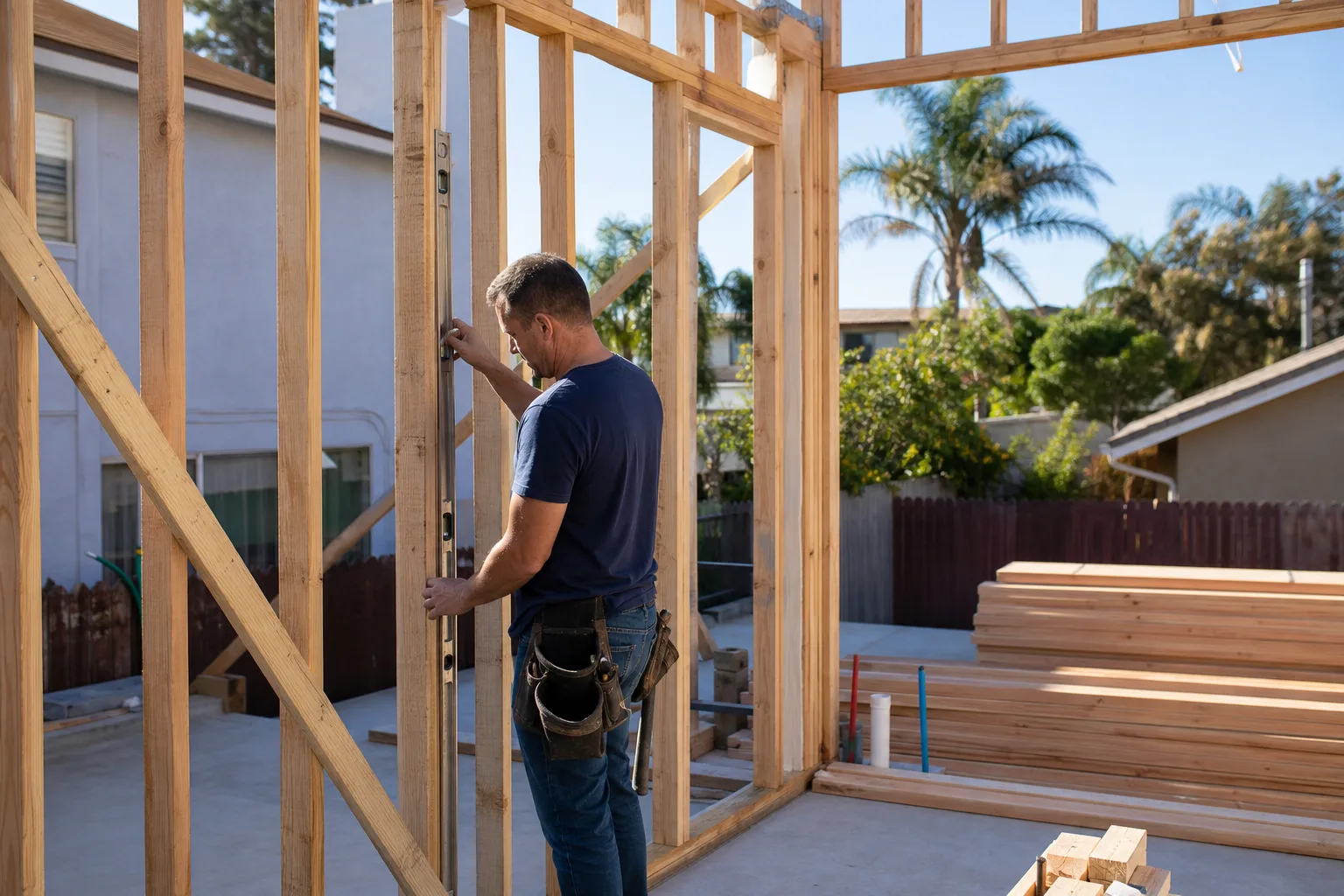
Who’s Actually Liable When the Wall Comes Back Open
Here’s the story we hear most often in Garden Grove, and it’s the reason this page exists. A homeowner expanding a kitchen hired a handyman to remove and replace a load-bearing wall header. No permit, no engineer, no inspection. The header was undersized. Two years later, cracks spread through the drywall. The homeowner’s insurance carrier denied the claim outright because the work was an unpermitted structural modification. The handyman had become unreachable, which is what happens when there’s no license on the line. The general contractor who came back and rebuilt it correct charged more than the whole original job would have cost.
That’s the real general contractor vs handyman distinction in Garden Grove: it isn’t license versus no license, it’s who is legally exposed if the work fails inspection or causes damage. The answer is that the homeowner inherits the liability when nobody with a license stood behind the work. A licensed general contractor carries general liability insurance and workers’ comp, and that coverage matters to you directly. If a subcontractor or helper is injured on your Garden Grove property during unpermitted work, you can be held liable as the property owner. A handyman with no license to protect has no insurance to protect you with.
| Who handles it | Permit pulled | Insured & bonded | Backs the work | Liability if it fails |
|---|---|---|---|---|
| Licensed handyman | For small jobs, sometimes | Usually | Limited to the repair | Shared, job by job |
| Unlicensed handyman | Rarely | No | Nothing enforceable | Falls to you |
| Licensed GC (Barrett & Sons) | Every eligible job | General liability & workers’ comp | Written 90-Day Done Right Promise | Stays with the GC |
What a Garden Grove GC Scope Looks Like, and What It Costs
When we write a scope for a Garden Grove home, it starts with what could be behind the wall and what that costs if it is. Every allowance is written down. Every price change arrives as a written change order before a nail moves, because an allowance that isn’t on paper is a surprise waiting for a date. If you want a rough sense of where a real GC scope lands in this market:
| Scope | Typical Garden Grove range |
|---|---|
| Bathroom remodel | $9,000-$28,000 |
| Kitchen remodel | $14,000-$45,000 |
| Home addition | $45,000-$130,000 |
| ADU construction | $90,000-$220,000 |
| Roof replacement | $8,000-$20,000 |
| Window replacement | $4,500-$15,000 |
| Garage conversion | $30,000-$80,000 |
We install materials you can look up, not mystery brands off a van: KraftMaid and Cambria in kitchens, Andersen and Marvin on windows, GAF and CertainTeed on roofs, and IKO and Tamko shingles where they fit the budget. Every eligible job gets permits pulled and inspections signed, because the permit inspector works for you, not for us, and that’s exactly why we like him. See what we handle across our home services in Garden Grove.
Why a 90-Day Promise Needs a Permit Behind It
The 90-Day Done Right Promise is written on every contract, not buried in fine print: if it isn’t done right, the team comes back and makes it right, one call. That promise only works because every scope is written, every eligible permit is pulled, and every trade is licensed. A handyman can’t offer the same guarantee because there’s nothing to enforce it against, no license, no inspection record, no written scope to point back to.
That’s the accountability model Barrett & Sons Construction Garden Grove runs on. You’re dealing with a name on the truck, not a stranger with a business card and a phone that goes to voicemail. Our technicians bring up to 28 years of experience on these Garden Grove homes, and we carry the L.O.C.A.L. values into every job: local roots, on time, community first, accountable, loyal. If you’ve been through a national shop that quoted one price on the phone and handed you a different bill at the door, you already know the difference you’re paying for. For comparisons across the trades, our guide to roofing in Garden Grove explains how we handle a scope that also needs a structural look.
Frequently Asked Questions About General Contractor vs Handyman in Garden Grove
Yes. A bathroom remodel anywhere in Garden Grove routinely passes $9,000 in combined labor and materials, which is well over California’s $500 threshold for licensed contractor work. That means your tile, shower valve, electrical, and any relocated plumbing fall under a licensed GC’s scope with permits pulled, not a handyman’s patchwork. Call (833) 703-5196 and we’ll walk through what your bath actually needs.
The homeowner takes on the liability and the repair bill. If unpermitted structural or plumbing work later causes damage, your insurance carrier can deny the claim, just like the kitchen header story above, and you’re left paying a licensed GC to open the wall, redo the work right, and get it inspected. Call (833) 703-5196 for a free second opinion on any written estimate before you sign.
No. An ADU or addition is permitted work requiring a licensed contractor, engineered plans, and multiple inspections, and the city’s small lots and tight side setbacks make the review stricter, not looser. Home addition builds here typically run $45,000 to $130,000 and ADUs $90,000 to $220,000, all with a written scope and change orders on every price move. Call (833) 703-5196 for an exact quote on your lot.
A handyman is cheaper on the day, and a general contractor is cheaper over the life of the house. The gap closes fast the first time a handyman’s unpermitted work has to be torn out and rebuilt after an inspection or a denied claim, and that rebuild costs more than doing it right the first time. Ask anyone on your street, or call (833) 703-5196 for a free estimate and a written scope.
If you’d rather have it looked at before you decide, Barrett & Sons Construction Garden Grove offers a no-pressure assessment in Garden Grove. We’ll tell you straight whether your job is a handyman-sized fix or a permit-and-GC scope. Call (833) 703-5196 for a free estimate.
Written by the team at Barrett & Sons Construction Garden Grove, serving Garden Grove, CA.