Last updated November 18, 2026

Free written scope consultation - allowances, timeline, and change-order rules on paper before a single trade is scheduled
The Complete Guide to Construction in Garden Grove
Garden Grove is one of the only cities in Orange County where a backyard addition can trigger review from both the city and a neighboring HOA at the same time. Yet most contractor websites hand you the same boilerplate advice they’d give someone in Sacramento. That mismatch costs homeowners real money here. Garden Grove’s post-war tract homes, its dense web of HOAs, and Orange County’s layered permit jurisdiction create a construction environment with rules and rhythms that generic guides completely ignore. This guide treats Garden Grove as the specific place it is. You’ll learn how the city’s 1950s and 1960s housing stock affects structural work, why OC Health and Fire district sign-offs slow projects nobody warns you about, how to sequence trades on an older slab, and how to actually read a contractor’s license through the CSLB.
Quick Answer
Construction in Garden Grove means working within a city permit system layered on top of Orange County Health and Fire district reviews, on housing stock that’s mostly 60 to 75 years old. Most projects move smoothly when you get HOA design approval before permit submission and plan trade sequencing around the original slab and plumbing chases. The contractors who cause problems here are the ones who skip permits or quote before they’ve read your HOA’s architectural rules.
Styles & brands we work with
- Kitchen remodeling
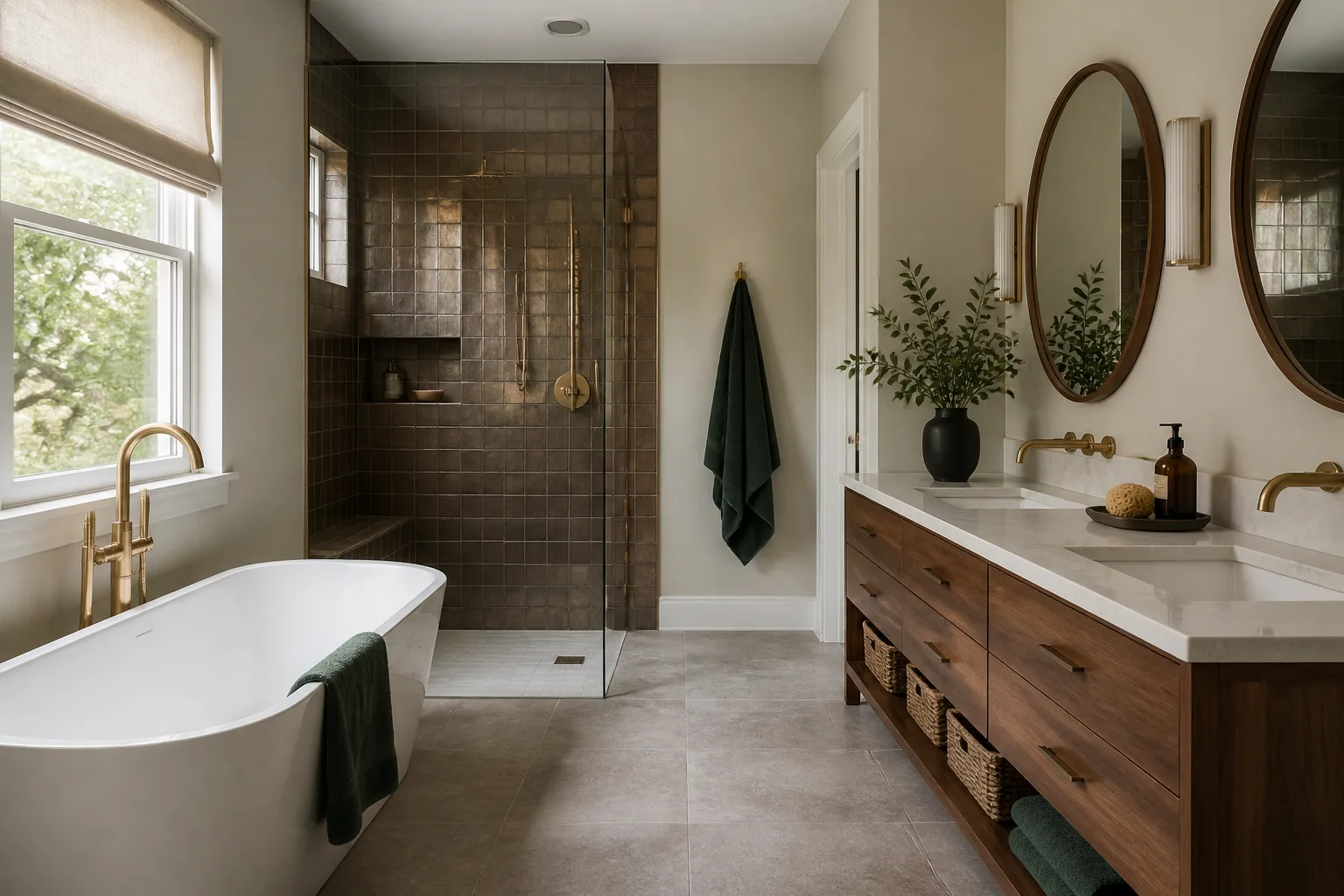
- Bathroom remodeling
- Home additions & ADU
- Roofing
- Windows & doors
- Driveway & pavers
- Fence
Table of Contents
- How Garden Grove’s Post-War Housing Stock Changes the Work
- The Permit Overlap Nobody Warns You About
- Why HOA Approval Comes Before Permit Submission
- Trade Sequencing on Older Slab Foundations and Plumbing Chases
- How to Read a Garden Grove Contractor’s License Through the CSLB
- What Construction Costs in Garden Grove in 2026
- Common Mistakes to Avoid
- When to Call a Professional
How Garden Grove’s Post-War Housing Stock Changes the Work
Most of Garden Grove was built between 1950 and 1965. That matters more than most guides admit. The tract homes that fill neighborhoods like West Garden Grove, Garden Park, and the streets around Chapman and Brookhurst were framed with old-growth dimensional lumber that’s often denser and stronger than what you buy today, but they were also built on shallow stem-wall foundations with no vapor barrier and original cast-iron drain lines that are now past their service life.
Wall a new bathroom without checking that cast iron, and you’ll be opening the same wall again in eighteen months. Add a second story onto a 1958 ranch without a structural engineer’s stamp, and the plan checker will send you home. In our experience, roughly a third of the Garden Grove remodels we look at need some foundation or drain work before the finish trades can even start.
Three things to inspect on any pre-1965 home here before you sign a scope:
- The drain line. Cast iron from the 1950s corrodes from the inside out. A camera inspection costs a few hundred dollars and tells you whether your project budget needs a $4,000 to $12,000 repipe line item.
- The slab and stem walls. Look for hairline cracks wider than a credit card, uneven floors, and doors that stick only in summer. Those are settlement signals, not cosmetic issues.
- The electrical panel. Many homes still have a 100-amp panel or, occasionally, a fused box. Any kitchen or addition project will likely need a panel upgrade to 200 amps, which runs roughly $2,500 to $4,500.
Older homes also tend to have original single-pane windows and old shake or composition roofs well past their rated life. If your project touches the envelope, budget for upgrades now rather than discovering them mid-job. Our Barrett & Sons Construction Garden Grove home page lays out the full range of trades we handle if you want to see how these pieces fit together.
The Permit Overlap Nobody Warns You About
Garden Grove building permits are handled through the city’s building division, but that’s only the first layer. Depending on what you’re building, your project may also need sign-offs from the Orange County Health Care Agency (for anything touching certain utility connections or food-related uses) and the Orange County Fire Authority (for additions near property lines, new driveways that change emergency access, and anything involving a second dwelling unit).
Here’s the part that costs time. These reviews don’t always run in parallel. A typical addition or ADU in Garden Grove can sit in plan check for six to twelve weeks, and a chunk of that is waiting on a fire district comment that came back after the city’s first review. Homeowners who assume “permit” means one office get surprised.
A realistic Garden Grove permitting sequence looks like this:
- Zoning check. Confirm setbacks, lot coverage, and height against your parcel’s zoning. This takes a day and saves weeks.
- HOA design approval (if you’re in an association). Do this first. See the next section.
- City plan submittal with stamped structural drawings for anything structural.
- Fire district review if your project touches access, setbacks near property lines, or an ADU.
- Health department review only if utility connections or specific use types apply.
- Permit issuance, inspections, final sign-off.
For anything in the addition or ADU category, read our Home Additions & ADU in Garden Grove guide before you draw anything. The setback and fire-access rules shape the whole design, not just the permit.
Why HOA Approval Comes Before Permit Submission
Garden Grove has a high density of homeowner associations, especially in the newer pockets and the planned communities clustered around the city’s center and east side. That fact changes the correct order of operations. Most homeowners, and a surprising number of contractors, submit plans to the city first and worry about the HOA after. That’s backwards.
If your HOA’s architectural review committee wants a different fence material, a smaller addition footprint, or a different roof color than your submitted plans show, you’ll be resubmitting to the city with revised drawings. That’s another four to eight weeks and often another plan-check fee. Doing HOA review first means you submit once.
What the HOA review typically covers:
- Exterior materials, colors, and rooflines
- Fence height, style, and material (many associations here restrict block and metal fence combinations)
- Driveway and hardscape finishes – some require specific paver lines, and we regularly install Tremron and Techo-Bloc products to match association-approved palettes
- Setback and screening for additions and accessory structures
- Landscaping changes visible from the street
Build the HOA timeline into your project schedule from day one. A realistic Garden Grove project has an HOA review of two to six weeks before the city ever sees the plans. Our Fence Installation in Garden Grove page covers how much the HOA rules affect fence and hardscape work specifically, since that’s where the two processes collide most often.
Trade Sequencing on Older Slab Foundations and Plumbing Chases
Trade sequencing on a Garden Grove ranch home isn’t the same as on a new build. The old slab limits how you can run new plumbing, the shallow stem walls limit where you can anchor, and the original chases are often too narrow for modern drain sizes. Get the order wrong and you’ll be tearing out finished work.
A sequencing that works on most Garden Grove homes:
- Structural and drainage first. Foundation repair, drain-line replacement, and any under-slab work happen before anything else touches the home.
- Rough framing and structural openings. Open up walls for new plumbing and electrical before the rough-in trades arrive.
- Rough plumbing, electrical, and HVAC. All three roughs get inspected together in most Garden Grove projects. Doing them in one inspection cycle saves weeks.
- Insulation and drywall. After rough inspection passes.
- Finish trades. Tile, cabinets, and trim, in that order for kitchens and baths.
- Final inspection and sign-off.
The single biggest mistake on older Garden Grove homes is skipping step one. If the slab or drain line is compromised, everything you build on top of it inherits the problem. That’s why our Driveway & Pavers in Garden Grove projects often start with a base and drainage review before the first paver goes down – the same principle applies across trades.
How to Read a Garden Grove Contractor’s License Through the CSLB
Every licensed contractor in California has a number you can look up at the Contractors State License Board (CSLB) website in about ninety seconds. Do it before you sign anything. The license status matters more than the letterhead.
What the CSLB record actually tells you:
- Active status means the license is current and in good standing. “Expired,” “suspended,” or “inactive” are all red flags you should walk away from.
- Classification shows what type of work the contractor is licensed for. A Class B (General Building) license covers most whole-home and remodel work. A C-39 (Roofing) or C-27 (Landscaping) license covers specific trades. Hiring a C-27 contractor to remodel a kitchen is a license violation.
- Bond and insurance on file shows the contractor carries the required contractor’s bond and workers’ compensation coverage, or has an approved exemption.
- Complaint history shows any disciplinary actions or complaints filed against the license. A single complaint can mean anything; a pattern of them is a signal.
- Business name and address should match the contract and the quote. If the name on the quote doesn’t match the name on the license, ask why before you sign.
Ask for the license number in writing, along with the business address and the exact name the license is filed under. A contractor who won’t hand those over without friction is telling you something. We publish ours so you can look it up – that’s the standard you should demand from anyone in Garden Grove.
What Construction Costs in Garden Grove in 2026
Pricing in Garden Grove tracks close to the Orange County average, but older housing stock pushes labor costs up on remodels because of the demo and repair work that comes with 60-year-old homes. Here’s what you’re actually looking at for common projects in the current market:
| Project | Typical Garden Grove range |
|---|---|
| Bathroom remodel (full gut, mid-grade finish) | $18,000 – $42,000 |
| Kitchen remodel (mid-grade, layout unchanged) | $35,000 – $85,000 |
| Roof replacement (asphalt composition, 1,500 sq ft) | $12,000 – $22,000 |
| Window replacement (whole house, mid-grade) | $9,000 – $20,000 |
| Fence installation (block, per linear foot) | $45 – $95 |
| Driveway pavers (per square foot) | $12 – $22 |
| Home addition (per square foot) | $280 – $500 |
| Detached ADU (600 sq ft, mid-grade) | $180,000 – $320,000 |
Two things move these numbers more than anything in Garden Grove. First, permit and plan-check fees, which for an ADU can run $6,000 to $12,000 across city and fire district. Second, discovery costs – the surprise drain line, the failing electrical panel, the termite damage under the sub-floor. Get a written, line-item scope before you sign, and don’t let a contractor quote you from memory. “The allowance that isn’t on paper is a surprise waiting for a date,” as we like to say. Any legitimate change to the scope should arrive as a written change order before the work happens.
Common Mistakes to Avoid
- Submitting to the city before the HOA approves. You’ll resubmit with revised drawings and lose another four to eight weeks. HOA first, every time.
- Skipping the cast-iron drain inspection on a pre-1965 home. A $300 camera inspection up front can save a $12,000 repipe discovery after drywall is up.
- Hiring a contractor by trade classification for the wrong trade. A landscaping license doesn’t cover a kitchen. Check the CSLB classification before you sign.
- Letting someone tell you permits are optional. Garden Grove’s building division tracks unpermitted work, and it follows the property at resale. Unpermitted additions get flagged in escrow and can require demolition.
- Not factoring OC Fire Authority review into the schedule. Additions within setback proximity and ADUs typically require fire district review that adds four to six weeks on top of city plan check.
- Accepting a verbal change to the scope. Every addition, every material swap, every extra should be a written change order before the work starts.
- Choosing the lowest bid on an old Garden Grove home. The cheapest quote is usually the one that leaves out foundation repair, drain work, and permit fees – all of which come due later.
When to Call a Professional
Some Garden Grove projects are genuinely do-it-yourself. Painting, swapping fixtures, and small trim repairs are within reach for a careful homeowner. The work that isn’t safe or legal to take on yourself falls into clear categories: anything structural (framing changes, foundation repair, additions), anything involving the electrical panel, any gas line work, any roofing work at height, and any project that requires a permit or an HOA architectural approval. Those jobs touch fire safety, structural integrity, and resale value in equal measure.
If you’re pricing a Garden Grove project and want a straight answer on whether you need a permit, what the HOA will require, or what a real scope should include, call us. Barrett & Sons Construction Garden Grove offers free estimates in Garden Grove – call (833) 703-5196. A live person answers, and we’ll put the scope in writing before anything moves.
See the difference
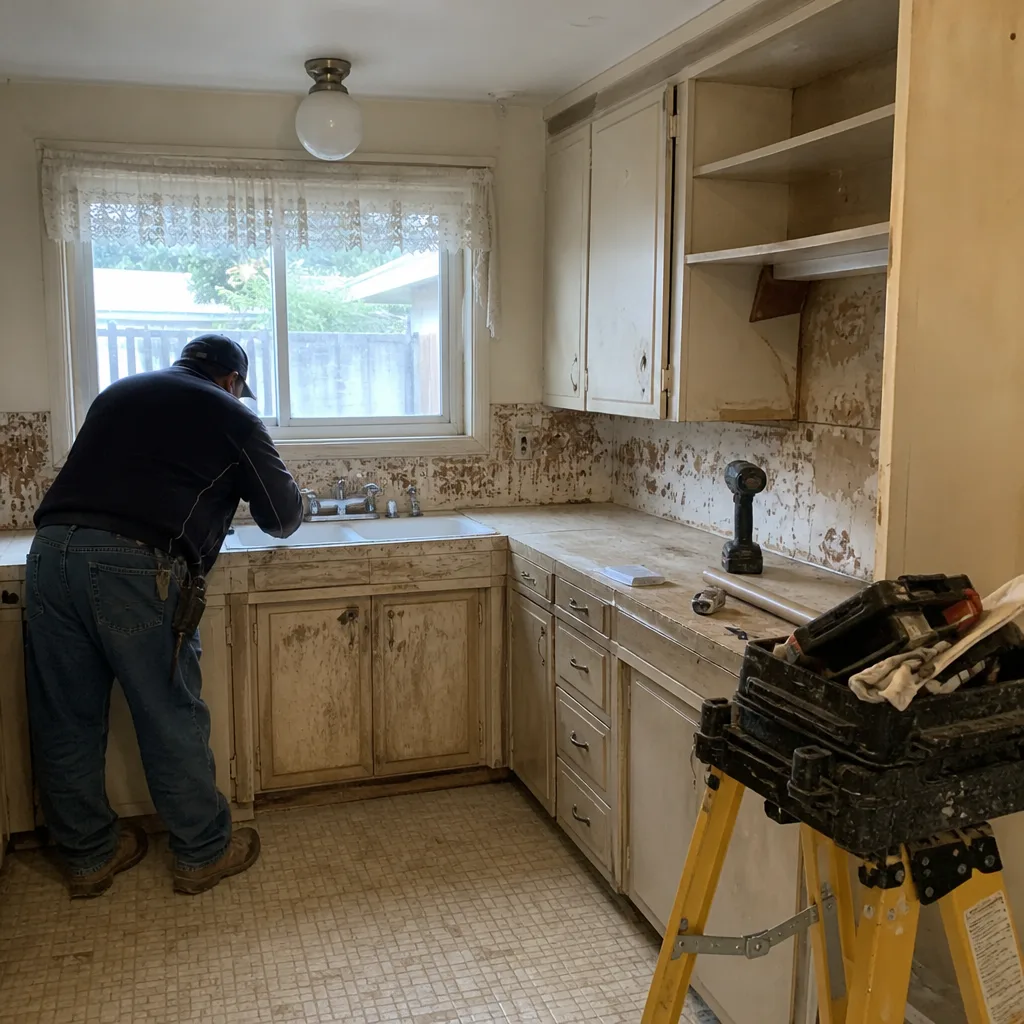 Before
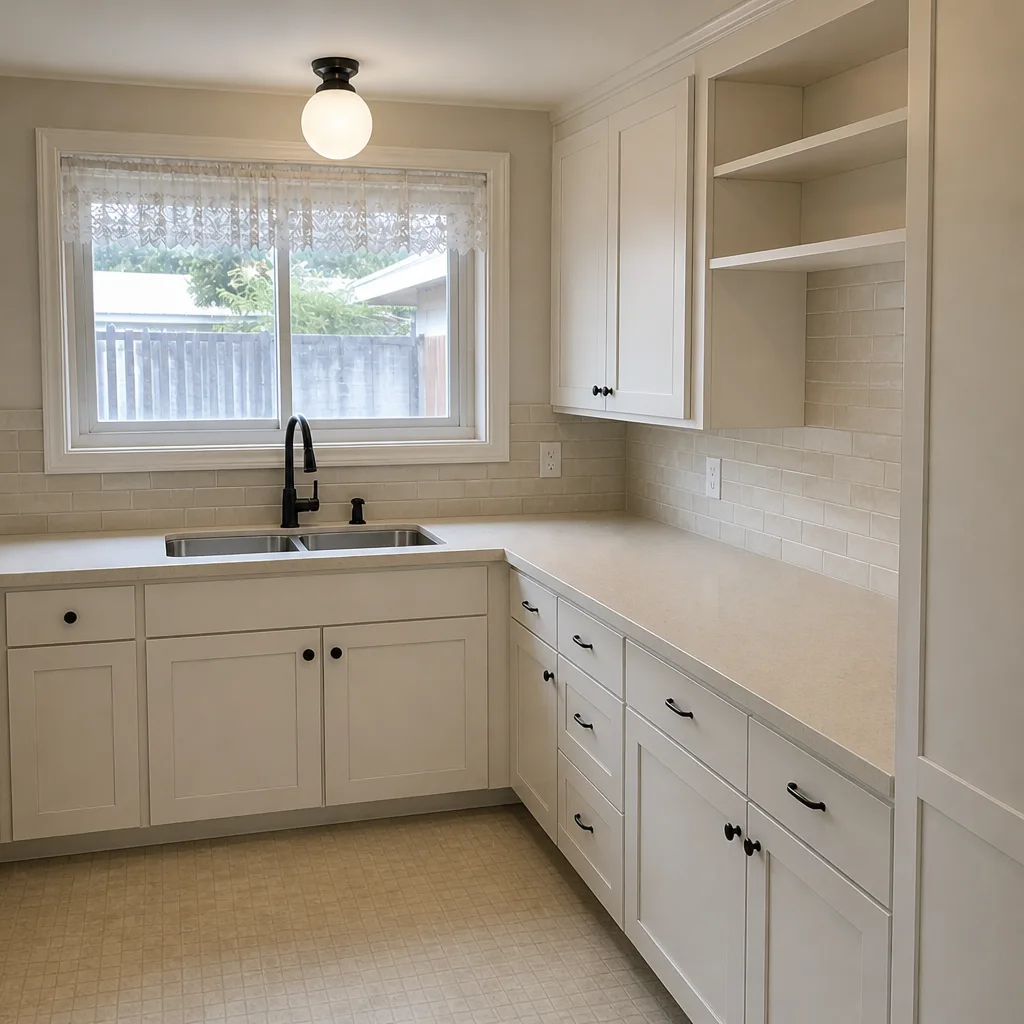 After
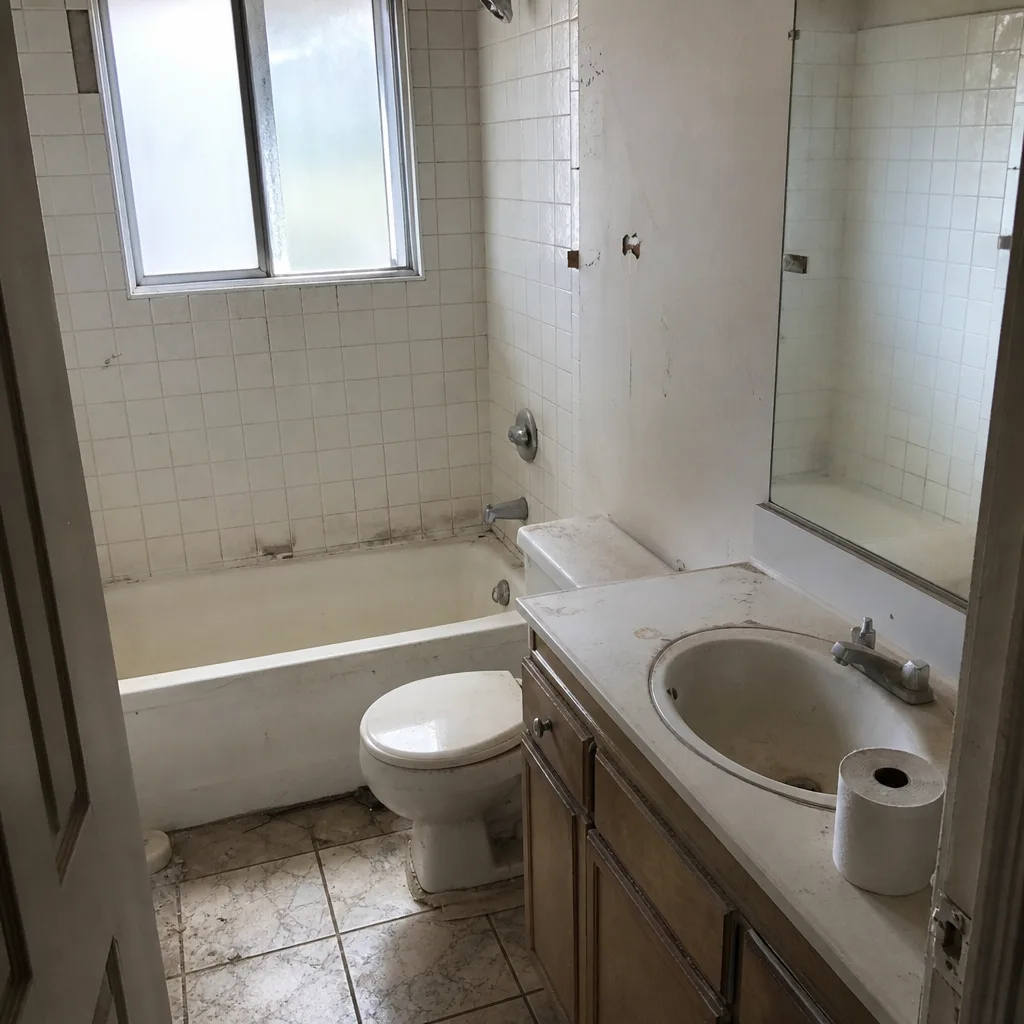 Before
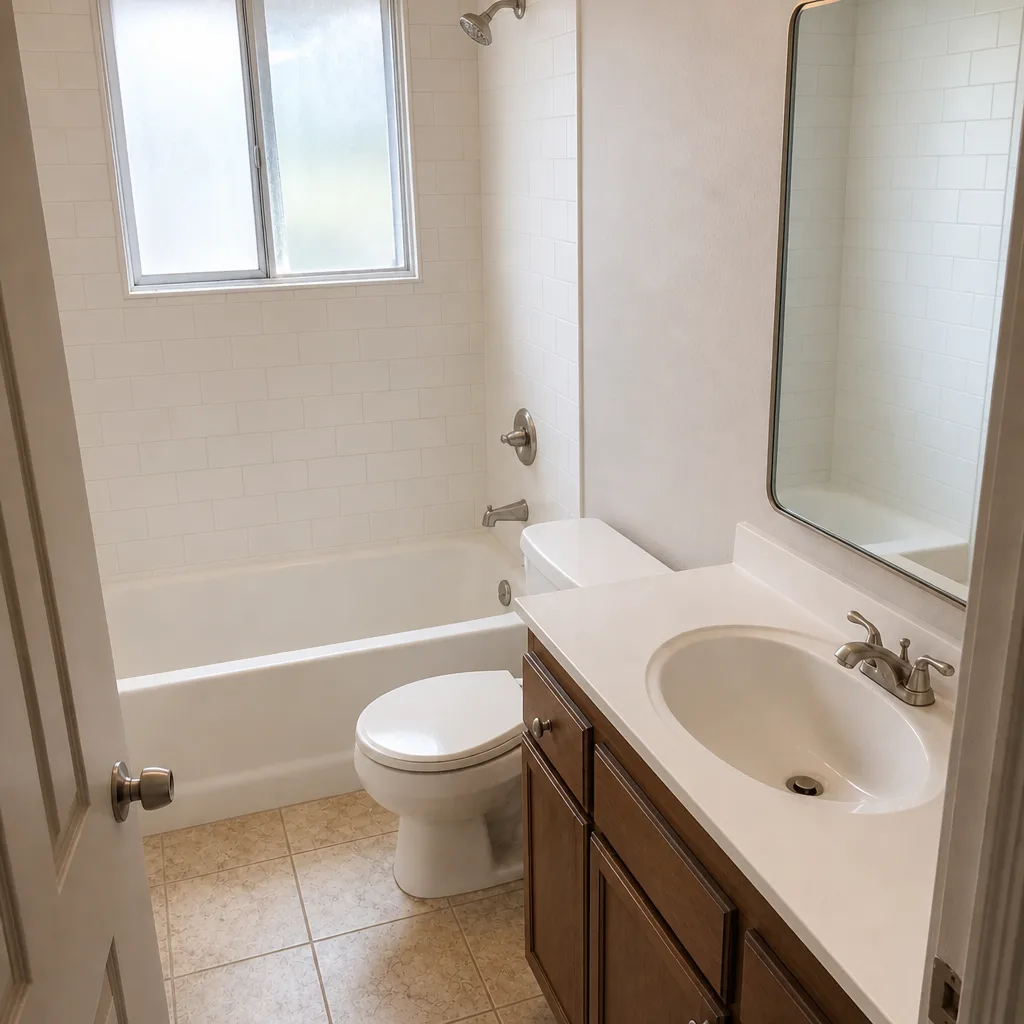 After
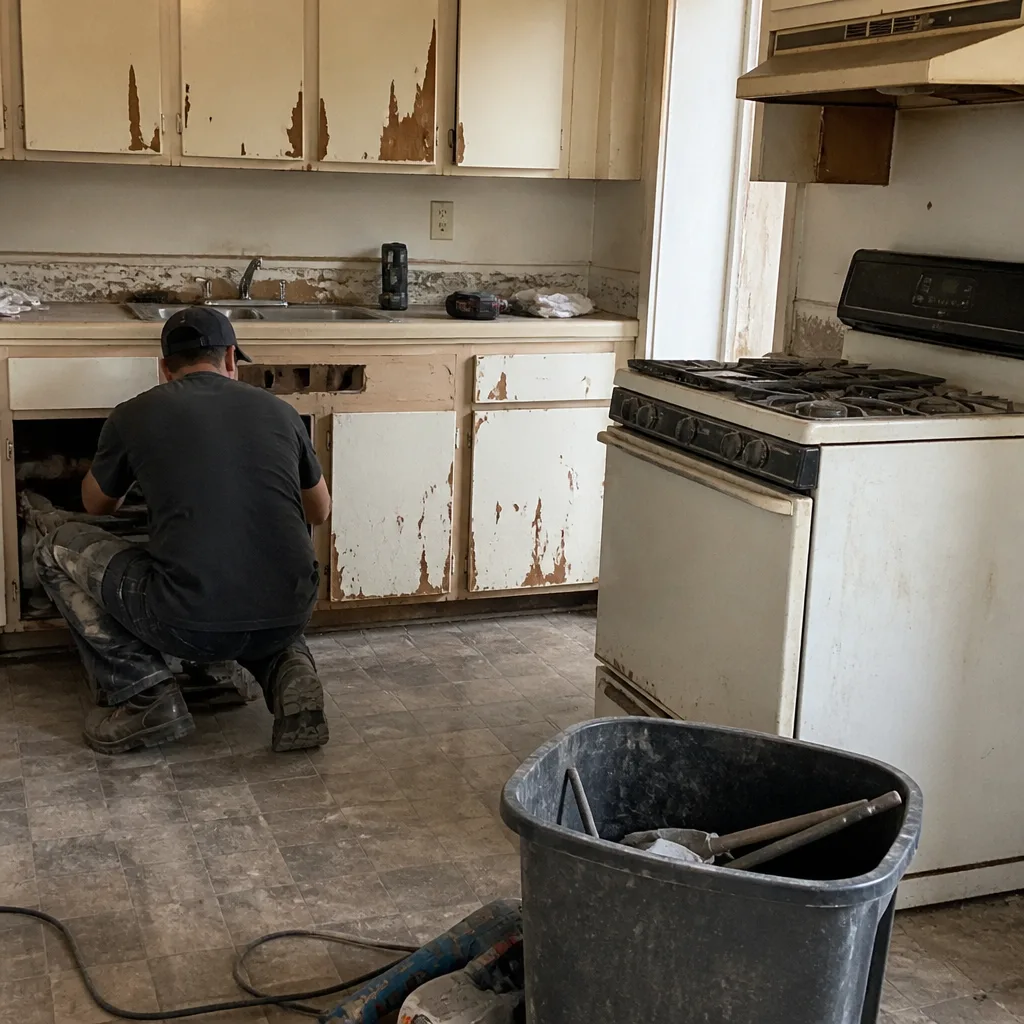 Before
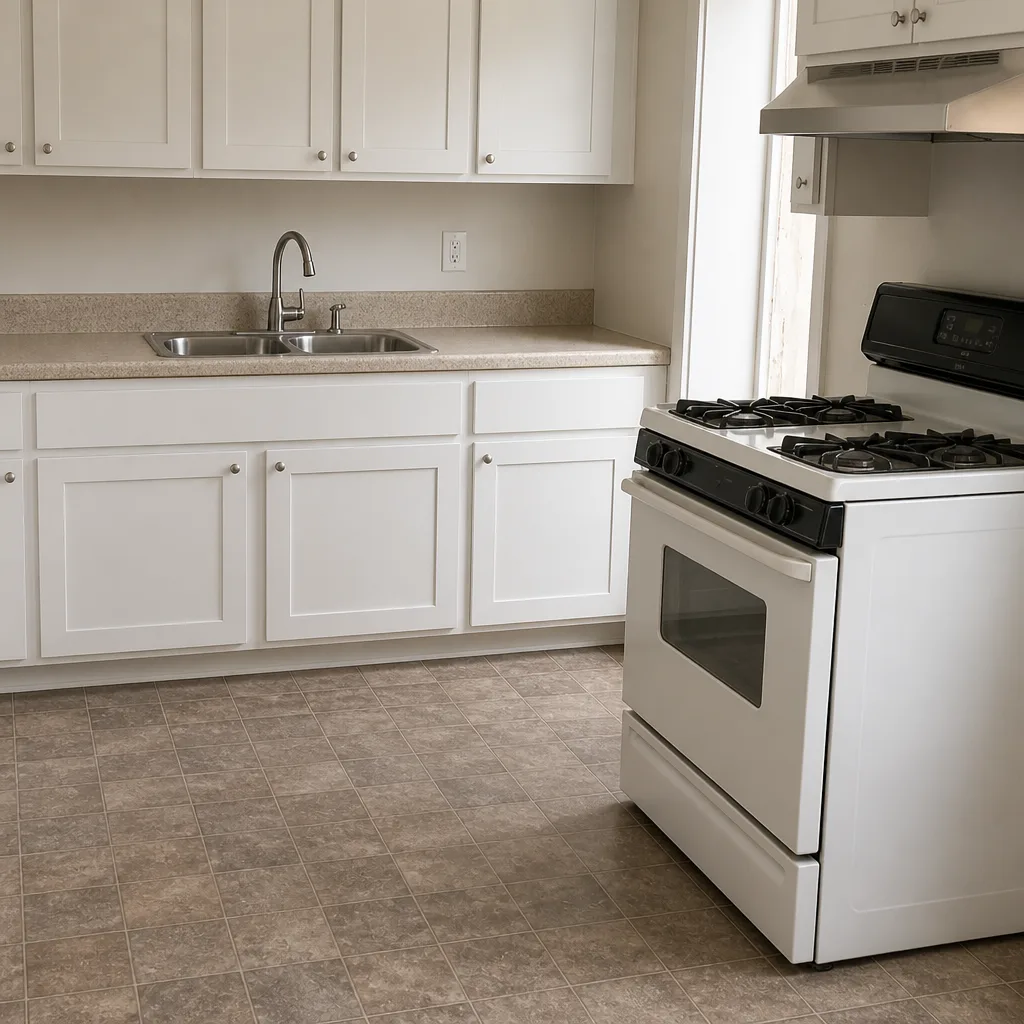 After
Frequently Asked Questions
Yes, for anything structural, electrical, plumbing, or larger than a minor cosmetic repair. Garden Grove requires permits for additions, ADUs, kitchen and bathroom remodels that touch plumbing or electrical, fence work over six feet, and roofing replacements. Smaller cosmetic work like paint and trim does not require a permit. Call (833) 703-5196 if you’re not sure whether your project crosses the line – it’s a free call.
A typical Garden Grove remodel permit takes four to eight weeks from submittal to issuance, and an addition or ADU can take twelve to sixteen weeks because of the additional OC Fire Authority review. Add two to six weeks for HOA architectural approval if you’re in an association, since that has to happen before submittal. The realistic timeline for a Garden Grove addition is three to five months before the first nail goes in. Call (833) 703-5196 to talk through your specific project.
A mid-grade kitchen remodel in Garden Grove typically runs $35,000 to $85,000, with the low end covering a layout-preserving refresh and the high end covering new cabinets, counters, and full electrical and plumbing updates. Older homes add $3,000 to $10,000 in discovery costs for electrical panel upgrades and drain work. Call (833) 703-5196 for a written line-item quote – estimates are free.
Yes, if your property is inside a Garden Grove HOA. Submit design plans to your architectural review committee first and get written approval in hand before the city sees the plans. Submitting to the city first can cost you another full plan-check cycle and another fee if the HOA requires design changes. The HOA review typically takes two to six weeks.
Look up the license number at the CSLB website. Check three things: the license status is Active, the classification matches the work (Class B for general, C-39 for roofing, C-27 for landscaping), and the business name and address match your contract. Any contractor who won’t hand you the number in writing before you sign is telling you something. Call (833) 703-5196 if you want to see how a published, verifiable license works.
Most delays come from three sources: HOA approval happening after city submittal instead of before, OC Fire Authority review being left out of the schedule, and discovery work on 60-year-old homes (cast-iron drains, 100-amp panels, settlement). All three are predictable and all three are avoidable with a proper pre-construction inspection. Call (833) 703-5196 to walk through your project before you commit to a schedule.
The Bottom Line
Construction in Garden Grove works well when you respect three things: the city’s older housing stock with its cast-iron drains and shallow slabs, the HOA-before-city-submittal sequence, and the Orange County permit layers that add weeks most contractors don’t warn you about. Get those three right and the rest is execution. Get them wrong and you’ll spend months resubmitting and repairing work that should have been done in the right order the first time. Our technicians have up to 28 years of experience, and the Garden Grove projects that go smoothly are the ones where the scope, allowances, and change orders were all in writing before the first permit was pulled.
If you’re planning a Garden Grove project and want a scope in writing, call Barrett & Sons Construction Garden Grove at (833) 703-5196. Free estimates, live person answers the phone, and a free second opinion on any written estimate you already have.
Written by the team at Barrett & Sons Construction Garden Grove.