
Last updated November 18, 2026







Free written scope consultation - allowances, timeline, and change-order rules on paper before a single trade is scheduled
Seasonal Construction Care for Garden Grove: Year-Round Homeowner’s Guide
Garden Grove averages fewer than 13 inches of rain a year, but almost all of it lands in a compressed three-month window. That single fact changes everything about how you should maintain a house here. The drainage and waterproofing demands on a Garden Grove home are closer to Portland’s than to Phoenix’s, yet most homeowners maintain for the wrong climate – patching in summer when they should be sealing in fall, pouring concrete in winter when it will cure weak. This guide maps exterior and construction care to the real stress cycle your home runs through here, from the Santa Ana winds to the May gray, so you can spend money on the tasks that actually extend the life of your roof, fence, driveway, and walls.
Quick Answer
In Garden Grove, the highest-value maintenance window is fall (roughly September through November), when you seal, caulk, clean gutters, and inspect the roof before the rainy season arrives. The best window for concrete flatwork, stucco repair, and exterior painting is spring, roughly March through May, when temperatures and humidity let materials bond and cure reliably. Santa Ana wind season and summer UV do the quiet damage in between, so fasteners, sealants, and fence posts need a check in late summer before the winds pick up.
Styles & brands we work with
- Kitchen remodeling
- Bathroom remodeling
- Home additions & ADU
- Roofing
- Windows & doors
- Driveway & pavers
- Fence
Table of Contents
- Why Garden Grove’s Climate Is Harder on Your Home Than It Looks
- The Pre-Rainy-Season Exterior Inspection Checklist
- How Santa Ana Winds Stress Roofing, Caulk, and Fence Posts
- Summer UV Degradation: Sealants, Paint, and Decks
- The Spring Window for Concrete and Stucco
- Matching Care to Garden Grove’s Housing Stock
- What Genuinely Extends Life vs. What Can Wait
- Your Year-Round Maintenance Calendar
Why Garden Grove’s Climate Is Harder on Your Home Than It Looks
The weather data for Garden Grove reads gentle: mild winters, dry summers, coastal influence keeping the extremes down. What the averages hide is the timing. Rain that would be spread across a year elsewhere falls here in a tight block, and the ground, gutters, and roof drainage all have to handle it in weeks instead of months. A roof that sheds fine in a slow drizzle gets tested when an atmospheric river parks over Orange County and drops an inch and a half in a day.
The other half of the cycle is dryness. Garden Grove sits far enough inland that the marine layer burns off by mid-morning most days, and the summer sun works on exterior surfaces for hours. Then the Santa Anas arrive – dry, hot, gusting winds funneled through the canyons and across the coastal plain. Those winds pull moisture out of wood and caulk, push on roofing and fencing, and leave small failures that don’t show up until the next rain finds them.
In our experience, the homeowners who get the most years out of a roof, a fence, or a driveway are not the ones who spend the most. They’re the ones who do the right task in the right month. A $30 tube of sealant in October prevents a $3,000 drywall repair in January. That’s the whole idea behind this guide: work with the cycle instead of against it.
The Pre-Rainy-Season Exterior Inspection Checklist
Before the first real storm, usually sometime in late October or November, walk your exterior with a notepad and a flashlight. This is the single most important hour you’ll spend on your house all year in Garden Grove. Here’s what to check, in order:
- Roof surface and flashings. Look for lifted or missing shingles, granule loss in the valleys, and cracked sealant around vents and chimney flashing. GAF and CertainTeed shingles hold up well here, but any roof fails first at the penetrations.
- Gutters and downspouts. Clear leaves and granules. Confirm downspouts discharge at least four feet from the foundation, not into a planter that ponds against the wall.
- Caulk joints and window seals. Run a finger along exterior caulk at windows, doors, and trim. If it’s cracked, chalky, or pulling away, water will find that gap. This is cheap to fix now and expensive later.
- Exterior paint and stucco. Look for bubbling, blistering, or hairline cracks in stucco. Small cracks are normal; cracks wider than a credit card, or any crack that lets you see the paper behind, need repair before rain.
- Fence posts and gates. Push on posts. A post that rocks in its footing has already begun to fail and will lean further after a wet winter.
- Driveway and hardscape joints. Check the caulk or sand in paver joints and the condition of any concrete flatwork seams. Ponding water on a driveway tells you the slope has changed.
- Drainage away from the house. Confirm soil slopes away from the foundation, not toward it. In Garden Grove, where yards are often tight against the wall, this is a common miss.
If you find several items on this list at once, that’s the moment to get a second opinion before the rainy season closes the window. Our Barrett & Sons Construction Garden Grove home page explains how we approach a whole-house exterior review and written scope.
How Santa Ana Winds Stress Roofing, Caulk, and Fence Posts
Santa Ana winds are the quiet destroyer of Garden Grove exteriors. They’re dry, they gust hard, and they hit for days at a time in fall and winter. The damage they do is cumulative and shows up months later, which is why most homeowners don’t connect the two.
On the roof, gusts work on fasteners and ridge caps. A shingle that lifts even a quarter inch under wind pressure breaks its seal, and the next wind catches it further. The failure shows up as a missing shingle after the following storm, but the wind is what started it. On exterior caulk, dry wind pulls moisture out and stiffens the bead; when it flexes, it cracks. On fence posts, the drying shrinks the wood at the footing, loosens the post in its concrete, and the next wind cycle leans the whole fence. Wood fences in Garden Grove often show their first lean exactly one Santa Ana season after installation, not during it.
What to do about it:
- After a wind event, walk the roof line from the ground with binoculars and check for lifted shingles, then look at fence posts for new rocking.
- Spray-test exterior caulk joints in late summer and re-caulk any that feel stiff or show hairline cracks before the winds return.
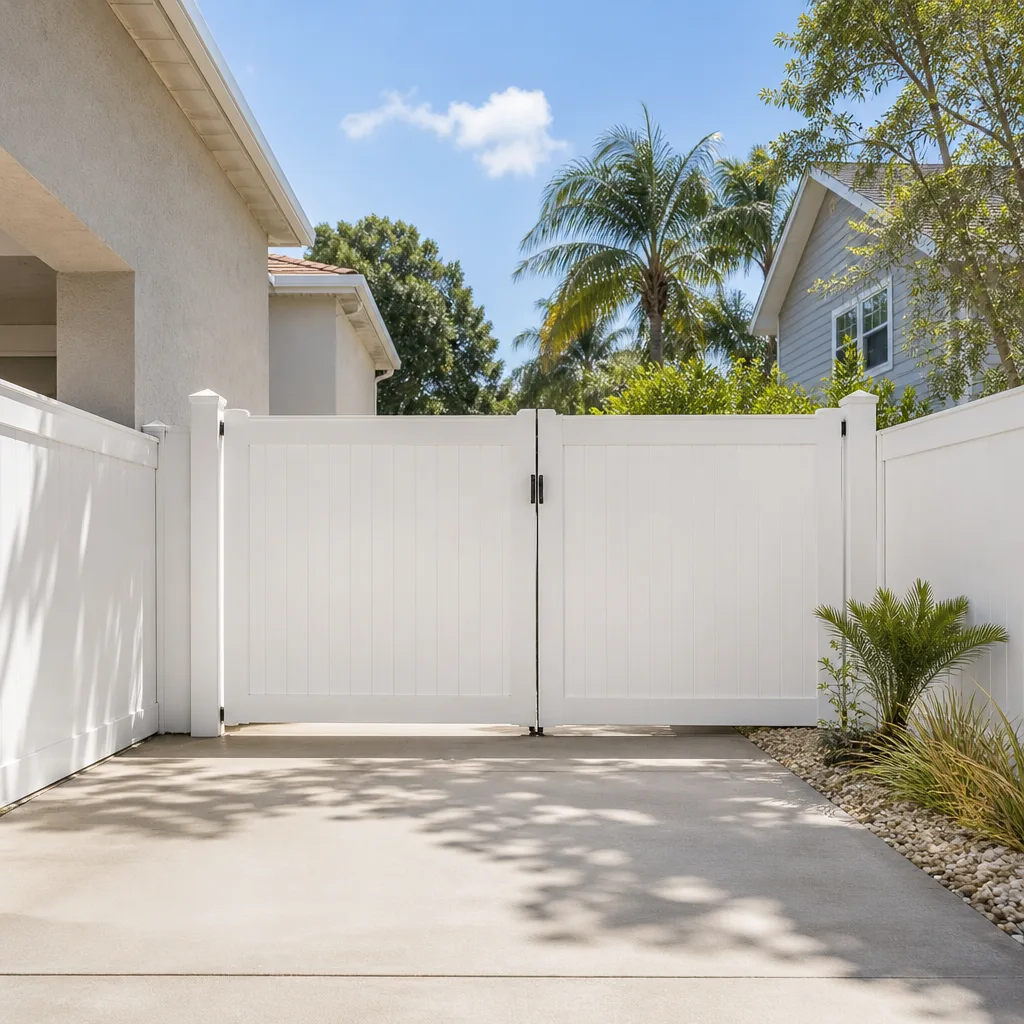
- When we install fencing, we set posts deep and brace them properly so they hold through wind cycles. You can see our approach on Fence Installation in Garden Grove.
Summer UV Degradation: Sealants, Paint, and Decks
Summer in Garden Grove brings the marine layer in the morning and strong sun by afternoon. That combination is tough on exterior materials. UV breaks down the polymers in sealant, fades and chalks paint, and slowly oxidizes composite decking.
Here’s roughly what to expect for common materials in our conditions:
- Exterior caulk: expect two to five years for a standard bead, longer for premium siliconized acrylic. It fails by cracking and pulling away, not by disappearing.
- Exterior paint: a quality acrylic paint on stucco or siding typically holds five to seven years here before it chalks noticeably. Sun-facing walls go first.
- Composite decking: most brands will fade slightly in the first year and then stabilize. Cleaning twice a year and keeping it free of standing water does more than any product.
- Deck sealants and stains on real wood: one to two years in full sun. This is a re-apply task, not a one-time job.
One practical rule: don’t paint or caulk in direct afternoon sun or when the surface is hot to the touch. The material skins over before it bonds, and you’ll be redoing it next year. Early morning in late spring or early fall is the right window. If a wall is already chalking badly, a proper prep and recoat is a job worth doing once and doing right rather than patching yearly.
The Spring Window for Concrete and Stucco
Concrete flatwork and stucco repair bond and cure most reliably in Garden Grove from about March through May. The reasons are simple: daytime highs are moderate, overnight lows stay above the range where curing stalls, and humidity is higher than midsummer, which slows the surface drying that causes plastic shrinkage cracks.
Pouring concrete in the heat of summer here is a real problem. The mix dries too fast on the surface, you get hairline cracks and a weaker slab, and the crew has to fight the weather to finish it. Pouring in a wet winter is its own trouble: saturated subgrade, slow cure, and rain on a fresh slab. Spring threads the needle.
Stucco follows the same logic. Fresh stucco needs a few days of even curing; a hot, dry, windy stretch will pull moisture out too fast and leave you with crazing and weak patches. The spring window gives it the best chance to set properly. If you’re planning a driveway, patio, or walkway replacement, this is the season to schedule it, and it’s worth getting the estimate in winter so the crew is lined up. Our Driveway & Pavers in Garden Grove page covers the paver and flatwork options we install, including Belgard and Techo-Bloc systems.
Matching Care to Garden Grove’s Housing Stock
Garden Grove is a mix of mid-century ranch homes, 1970s and 1980s tract housing, and newer infill. Each age of home has its own weak points, and the maintenance that actually matters depends on which one you own.
- 1950s-60s ranch homes: often original wood siding, older single-pane windows, and original stucco. Watch the caulk around window frames and the condition of wood trim; these fail first. Original concrete driveways here often have settled and cracked, and a replacement is worth planning.
- 1970s-80s tract homes: typically stucco over wood frame, composition shingle roofs, and aluminum or vinyl windows. The stucco cracks at corners and around penetrations, and the roof is usually at or past its second replacement. This is where spring stucco repair and a wind-season roof inspection pay off most.
- Newer infill and additions: modern materials, but often tight lots where drainage is squeezed. Confirm gutters and grading before the first winter. If you’re adding on, an ADU or addition project should be planned to break ground in the spring-to-early-summer window for the same curing reasons.
For homeowners considering a bigger exterior change, our Home Additions & ADU in Garden Grove page covers how additions are sequenced around the seasons and City of Garden Grove permitting.
What Genuinely Extends Life vs. What Can Wait
Not every maintenance task is equal. Some genuinely add years to a construction element; some are cosmetic and can wait until the budget allows. Knowing the difference keeps you from wasting money.
Tasks that genuinely extend life:
- Sealing roof penetrations and replacing cracked caulk before the rainy season. Water entry is the single biggest cause of structural damage in Garden Grove homes.
- Cleaning gutters and correcting grading that ponds against the foundation. This protects the slab and the stucco base.
- Replacing or resetting fence posts that have begun to rock. A leaning post becomes a leaning fence, then a failed fence.
- Re-coating wood decking on its actual schedule. Letting UV and water in is what rots the board, not the stain itself.
- Repairing stucco cracks that expose the weather barrier. Small cracks are cosmetic; exposed paper is a leak path.
Tasks that can wait:
- Faded paint on a wall that’s still sound and not chalking badly. Aesthetic, not structural.
- Minor concrete hairline cracks with no settlement or ponding. Cosmetic until they move.
- Turf and landscape refresh. Nice to have, but it doesn’t protect the house.
- Replacing a driveway that’s ugly but still draining correctly. Worth doing, but not urgent.
Your Year-Round Maintenance Calendar
Here’s how the Garden Grove year breaks down for exterior and construction care, mapped to the real climate rather than a generic national schedule:
- Late winter (January-February): assess storm damage, check gutters after rain, and get estimates lined up for spring work. Don’t pour concrete in a wet stretch.
- Spring (March-May): prime window for concrete flatwork, stucco repair, exterior painting, and any additions or ADU work. Book early.
- Early summer (June): inspect the roof and sealant before the UV season peaks; clean the deck and re-seal if due.
- Midsummer (July-August): routine maintenance only. Watch for UV-driven caulk cracks on sun-facing walls. Avoid heavy pouring in the heat.
- Early fall (September): the pre-rainy-season inspection. This is the big one. Seal, caulk, clear, and fix before the rains.
- Late fall (October-November): final checks before storms; repair gate and fence post issues; confirm drainage.
- Winter (December): watch for leaks during storms, address any water intrusion promptly, and plan next year’s projects.
If that calendar feels like a lot, the good news is that most of it is inspection and a little preventive work, not big spending. A written maintenance scope from a contractor you trust makes the year manageable. Every eligible job we take on includes permits pulled and inspections signed, and every price change arrives as a written change order before work moves. That’s how a year of maintenance stays predictable instead of turning into surprise invoices.
Common Mistakes to Avoid
- Maintaining for Phoenix instead of Garden Grove. Summer is not the season to seal and pour; fall and spring are. Doing it in the wrong month wastes the job.
- Skipping the pre-rainy-season walk-through. A cracked caulk joint in October is a drywall repair in January. The one hour of inspection prevents thousands in repair.
- Pouring concrete in midsummer heat. The surface dries before the slab cures, giving you hairline cracks and a weaker driveway than you paid for.
- Ignoring a rocking fence post. A loose post in its footing is a wind-cycle failure waiting to happen. Address it in fall, not after the fence leans.
- Caulking or painting in direct hot sun. The bead skins over before it bonds. It looks done, then fails the first rain.
- Assuming a stucco crack is cosmetic. Hairline cracks are normal. Cracks wide enough to expose the weather barrier are a leak path and need repair.
- Not asking for a written scope and change orders. The allowance that isn’t on paper is a surprise waiting for a date. Get it in writing before anyone touches the house.
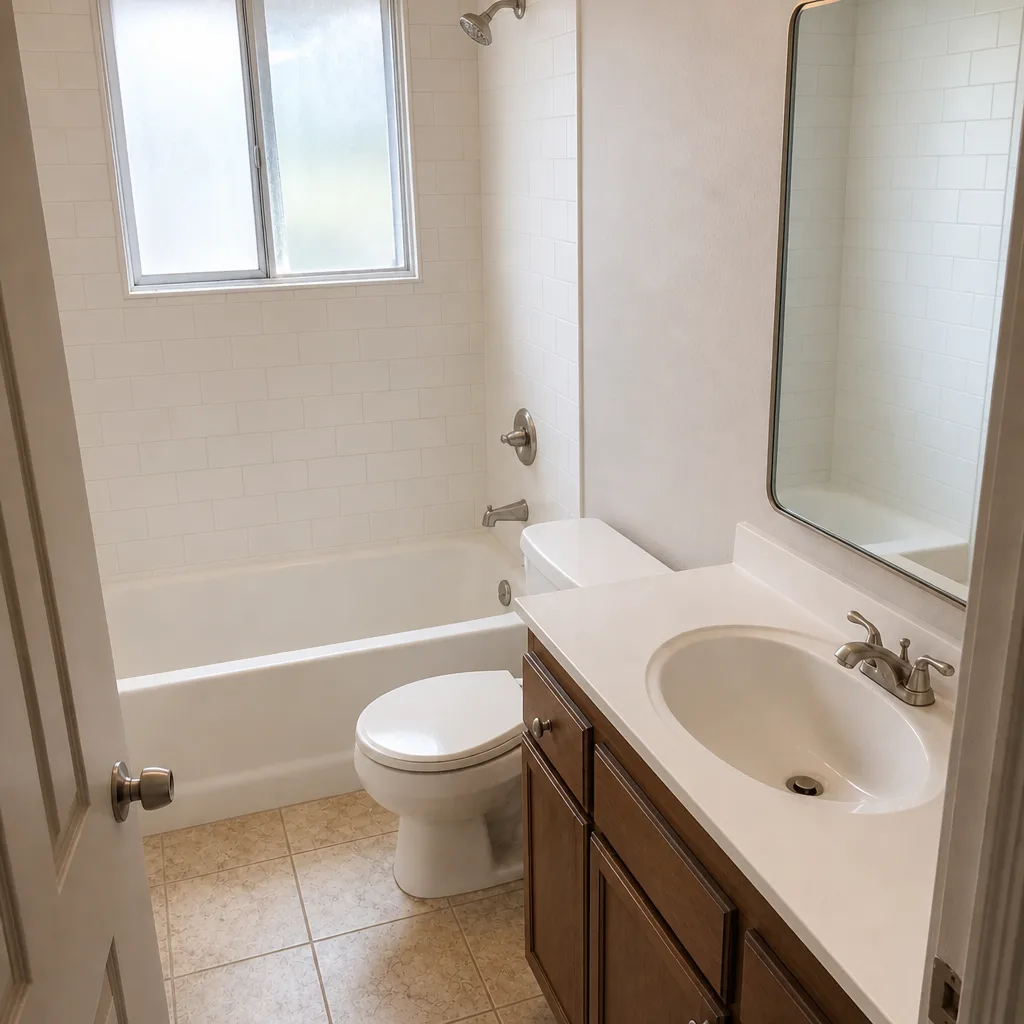
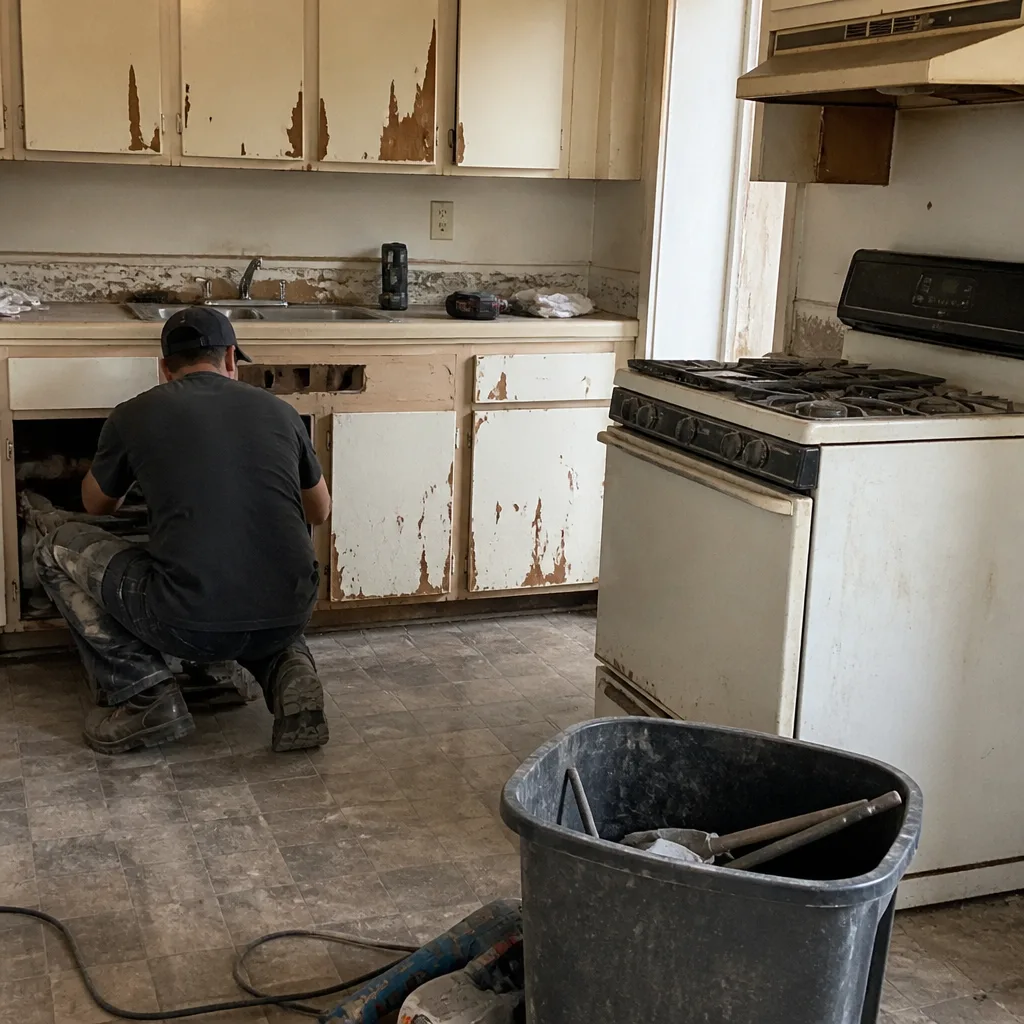
See the difference
 Before
 After
 Before
 After
 Before
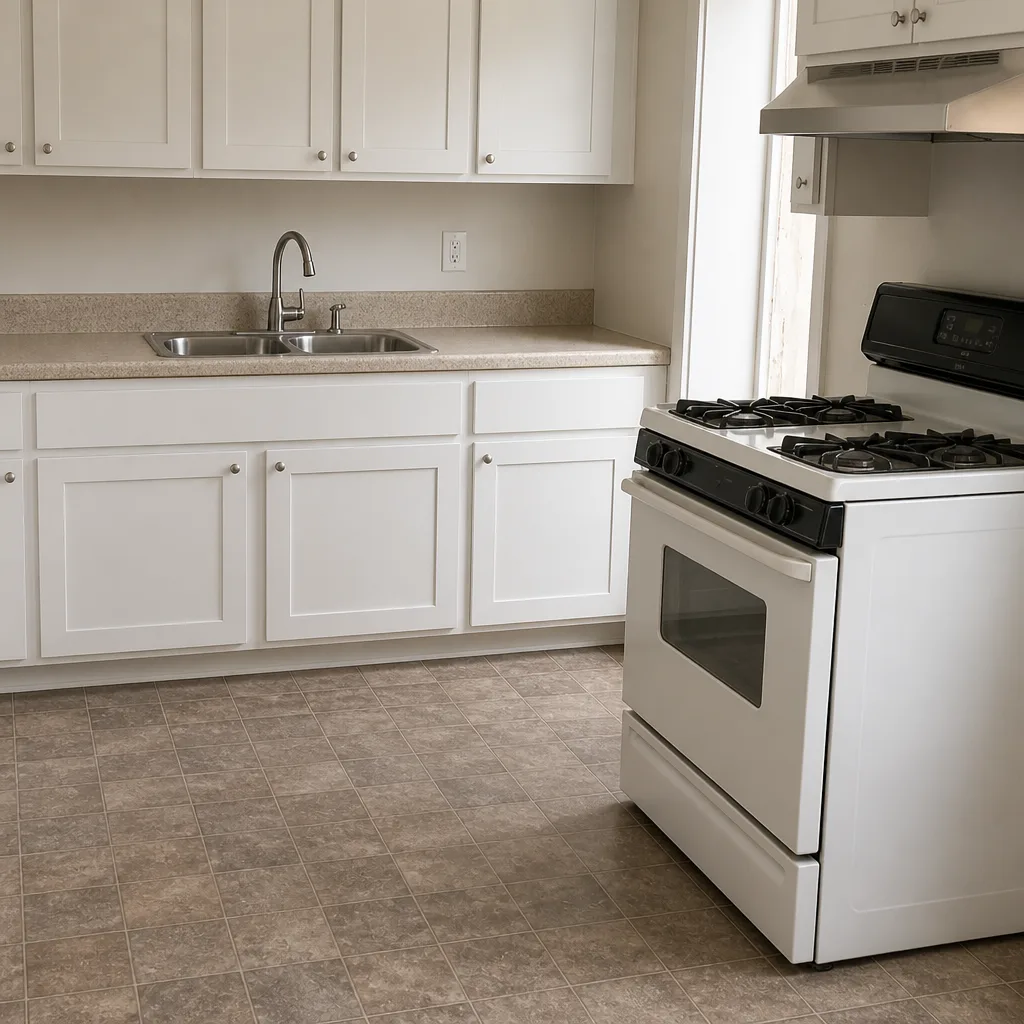 After
When to Call a Professional
Some tasks are genuinely do-it-yourself: clearing gutters, re-caulking a window, checking a downspout. Others are worth getting a pro on, and a few are safety matters you shouldn’t touch. Call a professional when you’re dealing with roof work at height, structural stucco or framing repair, any gas or electrical work, or a fence that needs resetting because it’s pulled loose in the wind. If you’ve found multiple items on the pre-rainy-season checklist, that’s usually a sign the house needs a coordinated scope rather than a patch here and there. Barrett & Sons Construction Garden Grove offers free estimates in Garden Grove – call (833) 703-5196. Every eligible job includes permits pulled and inspections signed, and our crew members are background-checked and uniformed on every visit. If you’re comparing bids, we’ll give you a free second opinion on any written estimate.
Frequently Asked Questions

September through early November is the window. Doing the exterior inspection and caulk/sealant work in early fall lets repairs cure before the rains arrive in force. Waiting until the first storm turns small jobs into bigger ones.
Small cosmetic crack repair typically runs a few hundred dollars, while larger repairs that expose the weather barrier cost more. Exact pricing depends on the size and number of cracks and the height of the wall. Call (833) 703-5196 for a free estimate – we put the full scope in writing before work starts.
You can, but spring is better. The midsummer heat makes the surface dry too fast, which leads to hairline cracks and a weaker slab. March through May gives concrete and stucco the best curing conditions in Garden Grove.
Santa Ana winds dry the wood at the footing, shrinking it and loosening the post in its concrete. The fix is resetting the post with proper depth and bracing, not just pushing it straight. A properly set fence holds through wind cycles.
Exterior caulk typically lasts two to five years, and quality paint on stucco holds five to seven years before it chalks noticeably. Sun-facing walls go first. Cleaning and touching up in fall extends both.
Yes – every eligible job includes permits pulled and inspections signed. The permit inspector works for you, not for us, and we’re glad to have the work verified. Call (833) 703-5196 for a free estimate and we’ll confirm what your project needs.
The Bottom Line
Garden Grove is not a mild climate for a house; it’s a compressed one. Wet winters, dry UV-heavy summers, and Santa Ana winds do their damage on a real schedule, and the maintenance that pays off here is timed to that schedule. Do your exterior inspection and sealing in fall before the rains. Schedule concrete, stucco, and painting in spring when they cure right. Check fasteners, caulk, and fence posts after wind events. Focus your money on the tasks that genuinely extend life – waterproofing, drainage, and post integrity – and let the cosmetic ones wait. Get the scope in writing, ask about permits, and call (833) 703-5196 for a free estimate from Barrett & Sons Construction Garden Grove.
Written by the team at Barrett & Sons Construction Garden Grove.