Last updated November 18, 2026








Free written scope consultation - allowances, timeline, and change-order rules on paper before a single trade is scheduled
Windows & Doors Troubleshooting: Common Problems and How to Fix Them
A sliding door that drags in July and glides fine in January isn’t failing. It’s telling you the frame is expanding, which means the original install left too little clearance, which makes it a workmanship problem, not a hardware one. In our experience, nine out of ten window and door calls we run into around Garden Grove trace back to a specific mechanical cause you can usually pin down in about five minutes. The trick is knowing which branch of the decision tree you’re standing on. This guide walks you through that tree: how to tell a draft from condensation, how to run the three-point door alignment check, how to test a loose window lock before you assume it’s dead, and when a sticking window is really a foundation symptom. Read it before you call anyone, including us.
Quick Answer
Most window and door problems come down to one of four mechanical causes: air sealing failures (drafts), thermal performance failures (condensation), alignment and hardware issues (sticking, not latching), or structural movement (settlement). The fastest path to a fix is to identify which category you’re in first. Draft means air is moving; condensation means moisture is collecting; sticking means something is binding; and repeat sticking that changes with the seasons points to installation clearance rather than hardware. Diagnose the category, then the cause. That single step saves the most money.
Styles & brands we work with
- Kitchen remodeling
- Bathroom remodeling
- Home additions & ADU
- Roofing
- Windows & doors
- Driveway & pavers
- Fence
Table of Contents
- Draft vs. Condensation: The Diagnosis That Decides Your Repair
- The Three-Point Door Alignment Check
- Window Condensation: Between the Panes vs. On the Glass
- How to Test a Loose Window Lock Before Replacing It
- When a Sticking Window Is a Foundation Symptom
- Sliding Doors That Drag: Clearance, Tracks, and Rollers
- Repair or Replace? A Decision Framework
Draft vs. Condensation: The Diagnosis That Decides Your Repair
These two get treated as the same problem all the time. They’re opposites. A draft is an air sealing failure: outside air is getting past a weatherstrip, a sash, a frame joint, or the rough opening. Condensation is a thermal performance failure: the glass and frame are cold enough that warm interior moisture collects on them. One problem is a leak. The other is a temperature difference. Fix the wrong one and you’ve spent money without touching the actual cause.
Here’s how to tell them apart. On a cold morning, run the back of your hand slowly around the perimeter of the closed window. If air is moving, that’s a draft. If air is still but the glass is wet or foggy, that’s condensation. If both are happening, you have both problems, and you fix the draft first because sealing the air leak can reduce condensation as well.
For a draft, the culprit list is short:
- Weatherstripping worn flat or pulled loose from the sash
- Corner seals on the frame that have opened up
- Rough opening foam that was never installed or has shrunk back
- Sliding door tracks missing their pile seal
For condensation, the fix usually lives on the interior side: exhaust fans that actually vent outdoors (not into the attic), a dehumidifier in the wet season, ceiling fans running clockwise in winter, and adding a storm window or upgrading to a double-pane unit if the glass itself is the cold spot. The distinction sounds academic. It’s the difference between a $40 weatherstrip repair and a $900 window replacement.
If you’re also chasing leaks or worn exterior materials on the same house, our guide to Fence Installation in Garden Grove covers how exterior wood and hardware weather along with your windows and doors.
The Three-Point Door Alignment Check
This is the single most useful test in this guide. It’s how a pro pins down a door that won’t latch without lifting the handle, and it takes about two minutes.
A door fits into the frame on three contact points: the hinge side, the strike side, and the threshold. When a door won’t latch, one of those three has moved. Run the test in order:
- Hinge bind. Open the door half an inch and let go. If it swings itself open or shut, the hinges are out of plumb or a screw has backed out. Look at the top hinge plate – a gap between plate and jamb means the screws are pulling loose.
- Strike plate offset. Close the door and look at the latch bolt as it meets the strike plate on the frame. The bolt should slide into the strike opening without rubbing. If it’s riding above, below, or hitting the edge of the plate, the strike is offset from the latch – usually a half turn of adjustment on the plate or a slight jamb shift.
- Threshold gap. With the door closed, look at the gap between the bottom of the door and the threshold. It should be even front to back at roughly 3/16 of an inch. A gap that’s tight at the hinge side and open at the latch side means the door has sagged, which points to hinge wear or a shifting frame.
The test tells you which of three things to fix: the hinges, the strike, or the frame. If you skip the test and go straight to “the door is warped,” you’re guessing. We’ve seen doors replaced on a jobsite in Garden Grove that needed a strike plate moved 1/8 of an inch. Nobody likes paying for a new door that was never broken in the first place.
Window Condensation: Between the Panes vs. On the Glass
Where the water appears tells you what to fix. This is the distinction that decides whether you need a new window or a dehumidifier, and it’s the one homeowners most often get backwards.
Condensation between the panes of a double- or triple-pane window means the insulated glass unit’s seal has failed. Moisture has gotten into the sealed space, and no amount of dehumidifying inside will help because the moisture is inside the glass sandwich. There’s no repair – the glass unit gets replaced or the whole window does. If you have Andersen or Marvin windows, the glass unit is usually replaceable separately from the frame, which is far cheaper than a full window.
Condensation on the interior surface of the glass is a humidity problem in your home, not a window problem. Your windows are just the coldest surface, so moisture collects there. Common causes:
- Bathroom or kitchen exhaust fans that vent into the attic or crawlspace instead of outdoors
- A whole-home humidifier set too high in winter
- Plants, laundry drying indoors, or a wet crawlspace adding moisture
- Lack of air movement in a closed room
Fixing these usually means a moisture meter reading in the room and a check on the venting. In Garden Grove, where our marine-layer humidity blows in off the coast most mornings, interior condensation on single-pane windows near the coast is common and manageable. Getting the exhaust right solves most of it. If the water is inside the glass, though, no exhaust fan in the world will touch it.
How to Test a Loose Window Lock Before Replacing It
A window lock that feels loose or doesn’t hold often needs a single screw turn, not a replacement. Most homeowners never find the screw. Here’s the test.
- Close and latch the window. Note whether the latch engages firmly or feels sloppy.
- Look at the keeper. Most window locks have two pieces: the cam lock on the sash and the keeper it grabs on the opposite sash or frame. Open the window halfway and look at the keeper – it’s usually a small metal tab screwed into the jamb.
- Check the keeper screws. With a Phillips head, test the two screws holding the keeper. If either turns more than a quarter turn freely, the keeper has drifted out of position or the wood behind it has softened.
- Adjust the keeper. Loosen both screws, slide the keeper up or down by 1/16 of an inch, and tighten. Close and latch. If the latch now engages firmly, you’re done. Most loose window locks fix with this adjustment.
If the keeper screws won’t tighten at all – they spin freely in a stripped hole – that’s a different problem. The fix is usually to fill the holes with a hardwood toothpick and wood glue, then reset the screws. If the cam lock itself is bent or the latch arm is broken, then it’s a hardware replacement, but even that is a small part, not a window. Before you call anyone, run this test. We’ve seen homeowners ready to replace a perfectly sound window over a keeper that had drifted 1/16 inch.
When a Sticking Window Is a Foundation Symptom
Some sticking windows are paint or hardware. Some are the house telling you the frame has moved. The distinction matters because one is cosmetic and one is structural, and fixing the wrong one wastes real money.
First, rule out the simple causes. A window that sticks at the paint line on a wood-framed window is almost always paint buildup. A window that sticks because the sash has swelled with moisture is a humidity issue. A window that sticks because a roller or track is worn is hardware. All of these are fixable short of replacement.
The sticking that should make you call someone is the kind that comes with other symptoms. Those symptoms are the wall and the frame moving together. Look for:
- Diagonal cracks at the corners of window or door openings, wider at one end
- Step cracks in brick or masonry following the mortar joints
- A door that latches in summer and doesn’t in winter, or the reverse, with the gap changing seasonally
- Sticking on the same wall of the house across multiple windows, not just one
- Gaps at the frame-to-drywall joint that appeared after a specific weather event or nearby construction
In Garden Grove, most of our housing stock is slab-on-grade with older additions that were built without an engineered foundation. Clay soils under the slab expand and contract with the wet/dry cycle, and that movement reaches the frame. When you see a diagonal crack running from the corner of a window to the ceiling, and the same window is now sticking, those two facts are the same fact. That’s not a window repair. That’s a professional call, and the sooner the better – a foundation check is cheap compared to a door frame that separates from the wall by inches. Our guide to Home Additions & ADU in Garden Grove covers how we handle foundation continuity when we tie new construction into an existing frame.
Sliding Doors That Drag: Clearance, Tracks, and Rollers
Sliding glass doors drag for three reasons, in order of how often we see them:
- The track is dirty. California’s dry season kicks up dust and grit that collects in the lower track. A vacuum and a wipe-down of the track channels solves 40% of sliding door drags. No replacement needed.
- The rollers are worn flat. Each sliding panel rides on two rollers, and when they wear, the panel drops. You can feel the drop as a slight lift at the handle end. Rollers are replaceable, and for most standard doors it’s an afternoon repair.
- The frame doesn’t have enough clearance. This is the workmanship problem mentioned at the top of this guide. When the original install left the frame tight, thermal expansion from 90-degree heat pushes the opening out of square and the panel drags. That’s a frame issue, not a hardware issue. A shim job or a refit is sometimes the answer, but if the door was installed wrong in the first place, correcting it right matters more than adjusting it back to a bad fit.
That sliding door that works in winter and drags in summer is telling you the original install cleared the door without enough tolerance. When we install windows and doors, we leave the clearance the manufacturer asks for and a little extra for our climate swing. It’s the kind of detail you don’t notice until the door glides in July. If you’re considering new windows or doors, a sound installation pays for itself in fewer calls like this one.
If you’re adding storage or a hardscape around a sliding door as part of a bigger project, our Driveway & Pavers in Garden Grove work often pairs with door replacements – both have to clear the same foundation line.
Repair or Replace? A Decision Framework
This is where most homeowners get taken for a ride, because the answer isn’t “always repair” or “always replace.” It depends on what’s failing:
- Weatherstrip, keepers, rollers, strike plates: repair. Small parts, low cost, no reason to replace.
- Failed glass unit in a double-pane window on a brand that sold replaceable units (Andersen, Marvin): repair the glass, keep the frame.
- Failed glass unit on an off-brand window with no replacement part: replace the window.
- Wood rot at the sill or jamb on older windows: depends on extent. Small rot is patchable; rot that reaches the rough opening means replacement.
- Sticking windows that change with the seasons across multiple rooms: structural diagnosis first, repair second.
- Windows that are the same age as the house and failing at the glass, seals, and hardware at once: replace with a brand you can name and get parts for.
The premium brands matter here for a boring reason: replacement parts. A no-name window that fails at the seal is a full window replacement. An Andersen or Marvin window that fails at the same spot is often a glass-unit swap with the frame left in place. We install both brands for this reason. Ask your contractor what brand they’re putting in and whether the manufacturer sells the parts. If the answer is vague, that’s the answer.
Common Mistakes to Avoid
- Caulking the outside of a draft before checking the weatherstrip inside. Caulking the exterior of a window that’s leaking through a worn weatherstrip hides the symptom and traps moisture in the frame. Find the actual air path first.
- Blaming the window for condensation between the panes. That’s a failed seal. No dehumidifier, no amount of interior humidity control, will touch it. It’s a glass-unit replacement or a new window, not a repair on your end.
- Replacing a door that needs a strike plate adjustment. Run the three-point check first. A 1/8-inch strike move on a Garden Grove door we looked at last fall was all it needed. The prior owner had a new door quoted.
- Ignoring seasonal sticking across multiple rooms. A single sticking window is paint. Five windows sticking on the same exterior wall in dry season, plus a diagonal crack at each corner, is the ground moving. Get it checked.
- Hiring a window installer who doesn’t pull permits on a replacement. A window replacement done without a permit can mean a failed inspection at resale and an install that doesn’t meet the current egress requirements for a bedroom. In Garden Grove, permits and inspection are part of every eligible job we run, and it’s the inspector’s job to protect you from shortcuts you won’t see.
- Snapping up “brand name” windows without checking the model. A brand sticker on the box doesn’t mean the grade. Ask for the model number in writing and check it against the manufacturer’s site. Anything a contractor can’t put in writing isn’t a brand promise.
- Trusting a phone quote for a full window replacement. No reputable contractor can quote window replacement accurately without seeing the openings, measuring them, and confirming the existing frames are sound. Demand a written, line-item quote with brand and model named. Anything less is a guess dressed up as a price.
See the difference
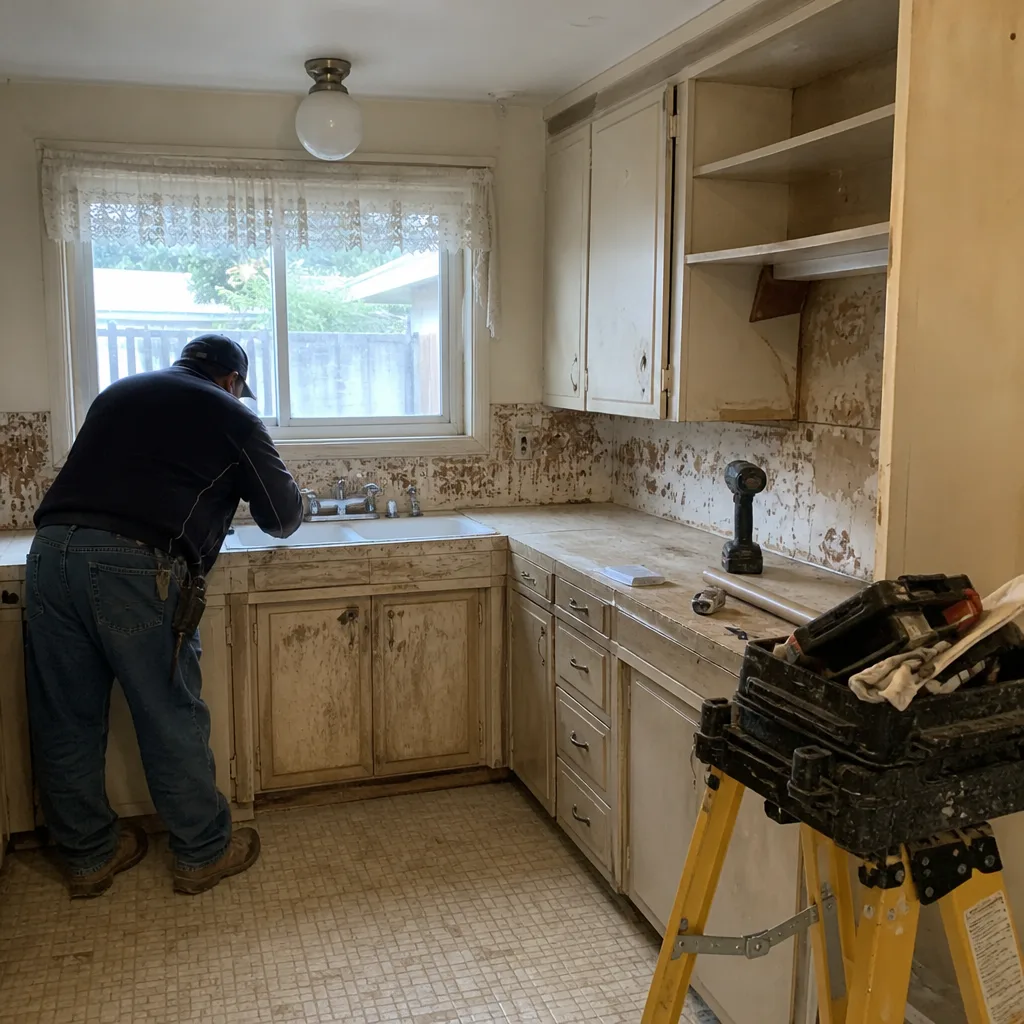 Before
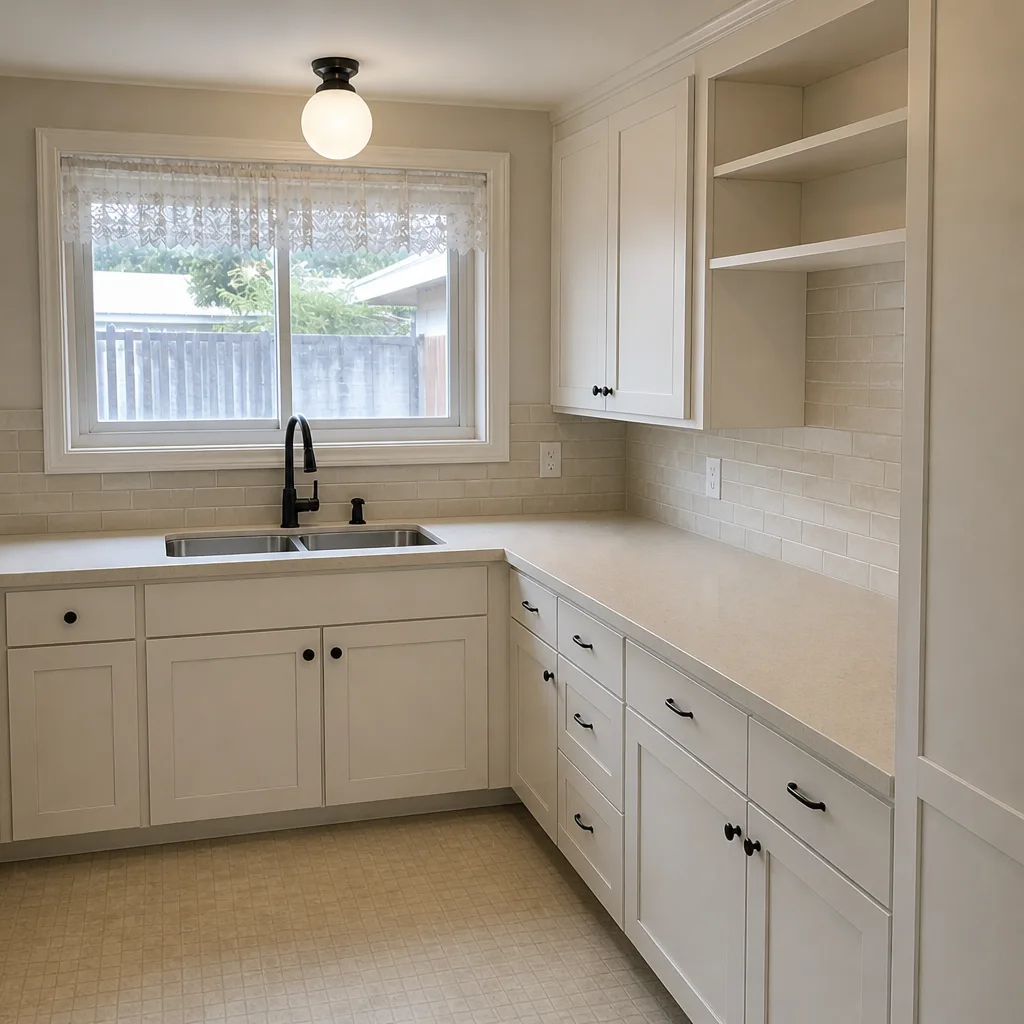 After
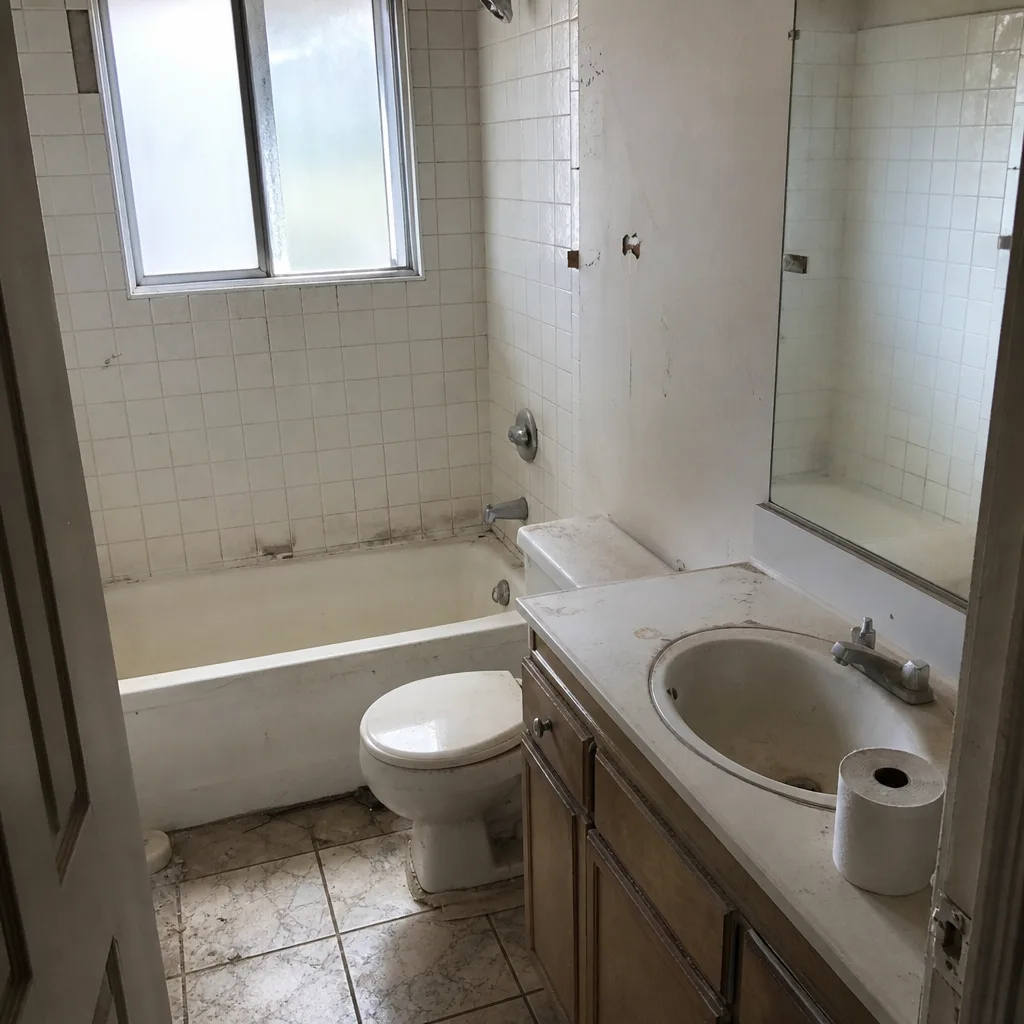 Before
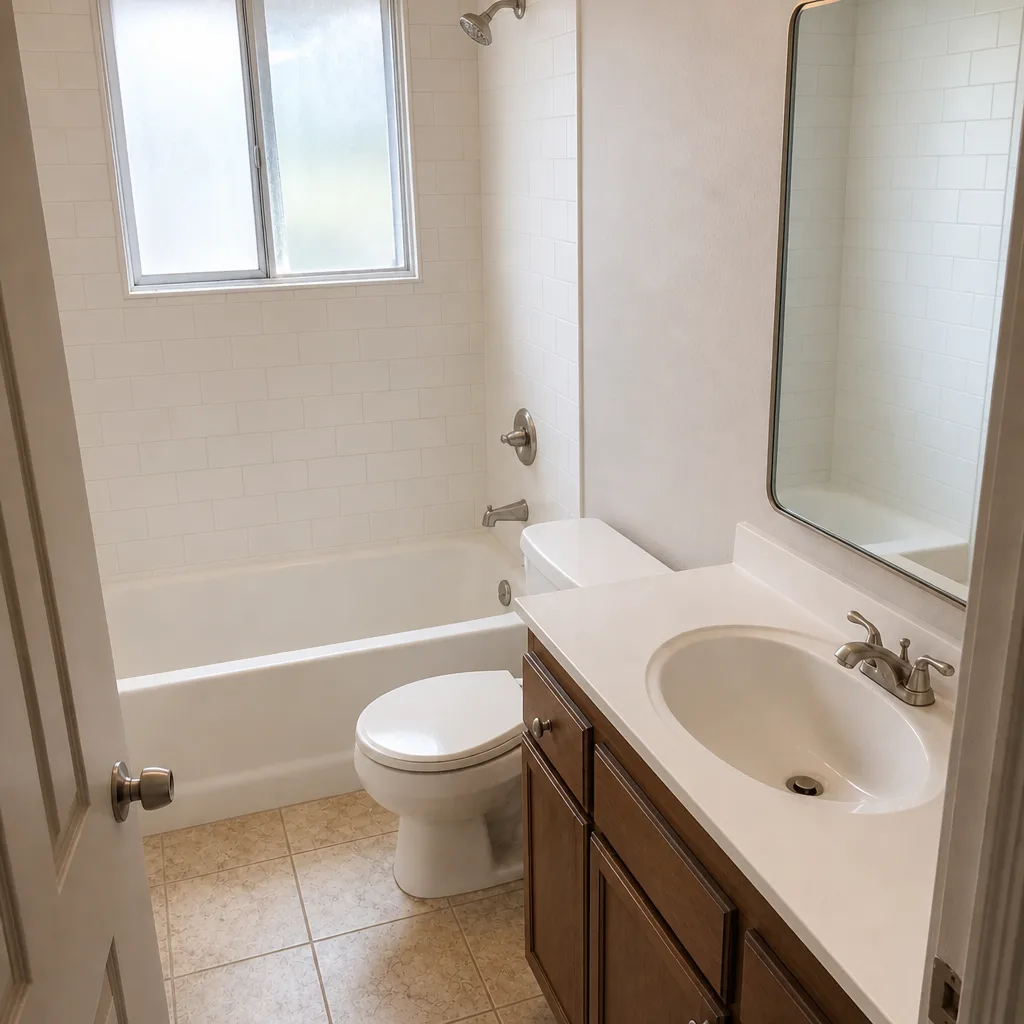 After
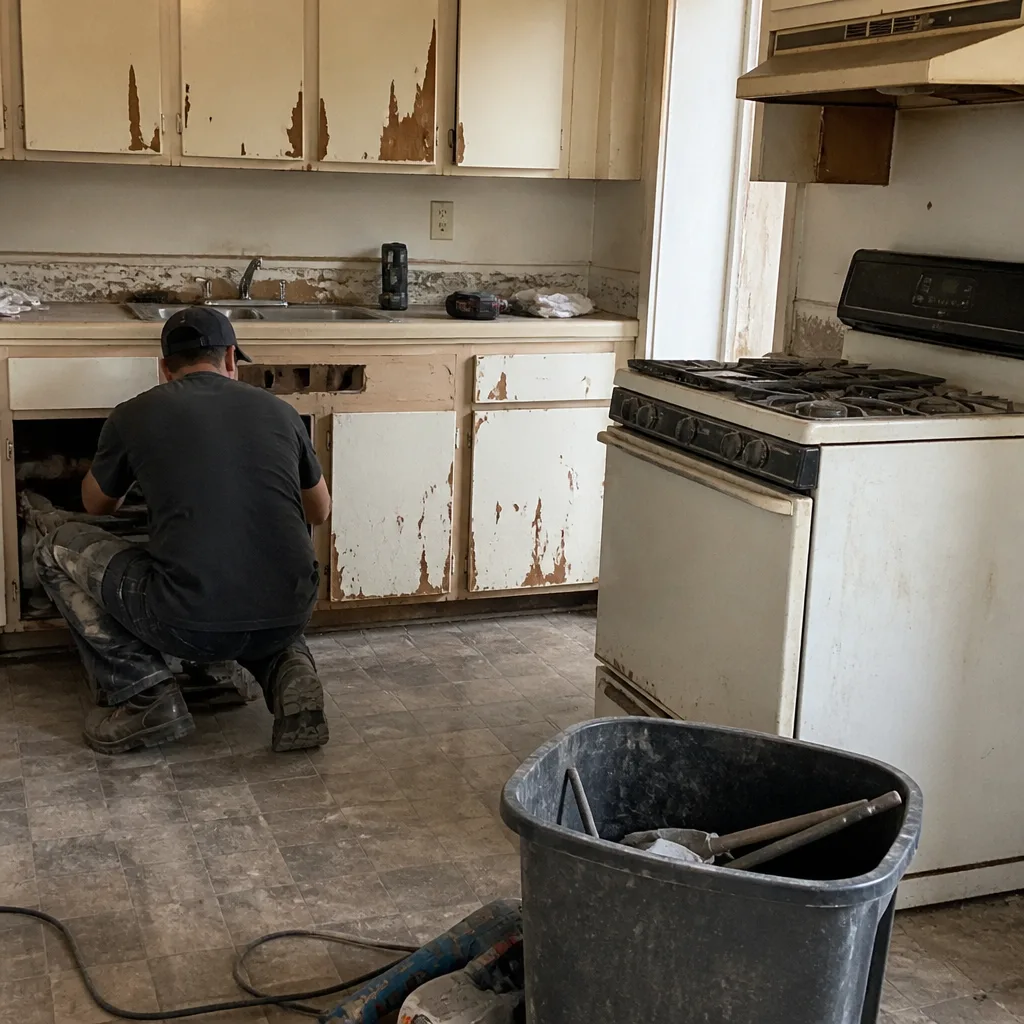 Before
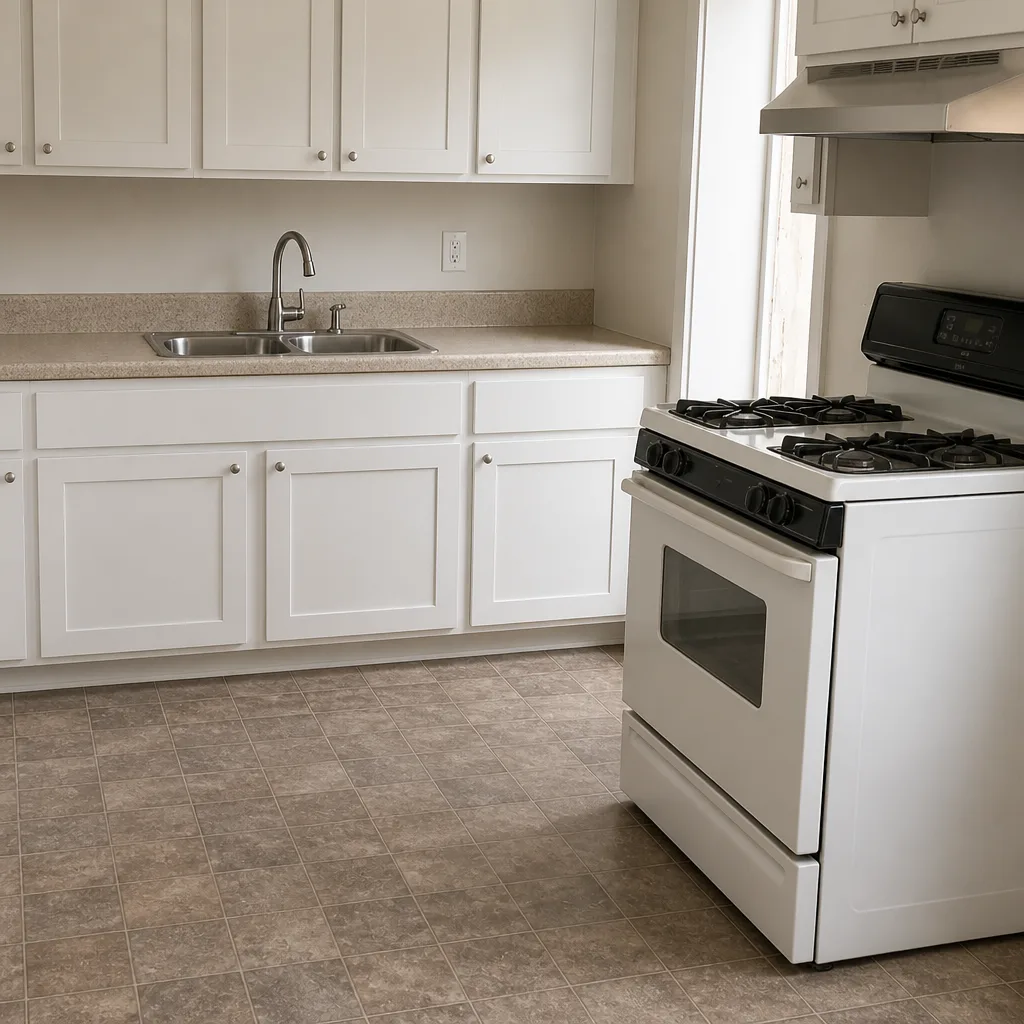 After
When to Call a Professional
Most of what’s in this guide, a careful homeowner can handle. Weatherstrip, keepers, strike plates, rollers, and track cleaning are all things you can do with a screwdriver and a weekend. Where you should stop and call us is when the diagnosis points at the frame, the glass seal, or the structure. Call if the failure is between the panes, if a door has been adjusted twice and still won’t latch, if a window opening is dragging on multiple rooms of the same wall, if exterior trim shows rot around a window or door, or if a permit is required and you want it pulled and inspected on the way through. Window and door work on a full exterior is worth getting right the first time. In Garden Grove, Barrett & Sons Construction Garden Grove offers free estimates on window and door work, and we’ll tell you plainly what’s a repair and what isn’t. Call (833) 703-5196.
Frequently Asked Questions

Window replacement in Garden Grove typically runs $450 to $1,100 per window installed, depending on size, brand, and whether it’s a straight replacement or a reframe. Full-house replacements of a 1950s or 1960s home in town land higher due to the number of custom openings. Call (833) 703-5196 for a written, line-item quote – the estimate is free and the price is in writing before work starts.
Not without a written change order in your hands before the work happens. Every scope, allowance, and price change we make goes on paper first, and if a surprise turns up mid-job it gets worked out in writing before anyone moves a tool. Call (833) 703-5196 for a free second opinion on any written estimate you’re holding from another contractor.
Yes, on every eligible job. Permits are pulled and inspections are signed before we call a window replacement complete, because a failed inspection later is much more expensive than the permit was. Call (833) 703-5196 to talk through what your specific job requires.
Condensation between the panes means the sealed glass unit has lost its seal and moisture is inside the glass sandwich, which no interior humidity fix will touch. Condensation on the interior glass surface is your home’s humidity meeting a cold pane, which is usually a venting or dehumidifying fix. The distinction decides whether you’re looking at a glass-unit replacement or a dehumidifier. Call (833) 703-5196 if you’re not sure which one you have.
A sticking window is a foundation concern when it comes with diagonal cracks at the window corners, multiple windows on the same exterior wall sticking together, or a door that latches one season and not the next. One window that sticks alone is almost always paint, hardware, or moisture. Multiple sticking windows on the same wall alongside corner cracks is worth a professional look. Call (833) 703-5196 – we’ll tell you straight what we see.
A single window replacement is typically a one-day job, and a full-house window replacement usually runs two to four days depending on the number of openings and any reframing. Door replacements are one to two days. We give you a written schedule before work begins and a written change order if anything on the schedule moves. Call (833) 703-5196 for a free estimate.
The Bottom Line
Windows and doors fail for a short list of reasons, and the fastest way to the right fix is to identify the category before you pick the repair. Draft is air moving. Condensation between panes is a failed glass seal. Condensation on the glass is humidity in the home. Sticking is hardware or clearance. Sticking plus cracking on the same wall is the frame. Run the three-point door check, test the keeper screw on a loose lock, and look for the seasonal pattern on any sticking window. If the diagnosis points to the frame, the glass seal, or the structure, that’s a professional call. The rest, a careful homeowner can usually handle. Either way, know what you’re looking at before you sign anything.
When you’re ready for a written estimate on window or door work, or a free second opinion on a quote you’re holding, call Barrett & Sons Construction Garden Grove at (833) 703-5196. Start with the Barrett & Sons Construction Garden Grove home page for a look at the full range of work we do.
Written by the team at Barrett & Sons Construction Garden Grove.