Last updated November 18, 2026
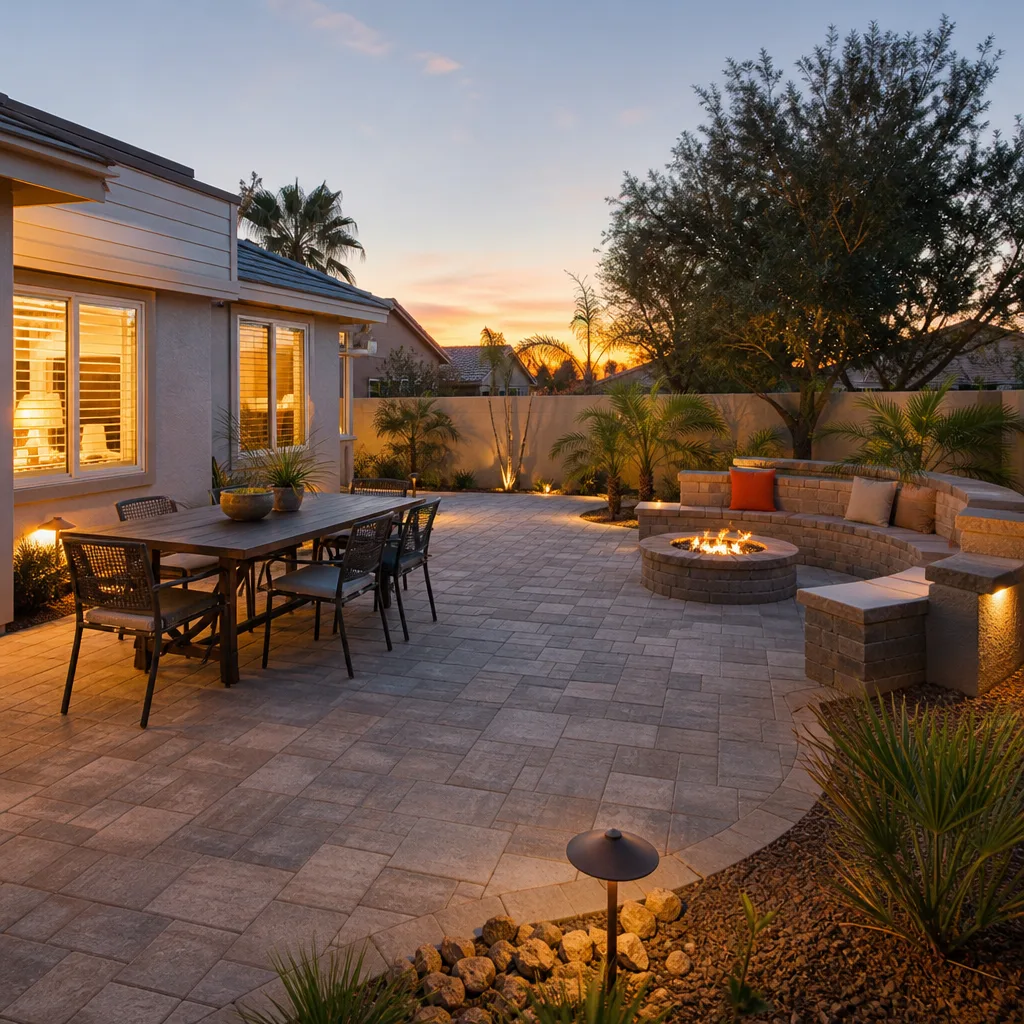
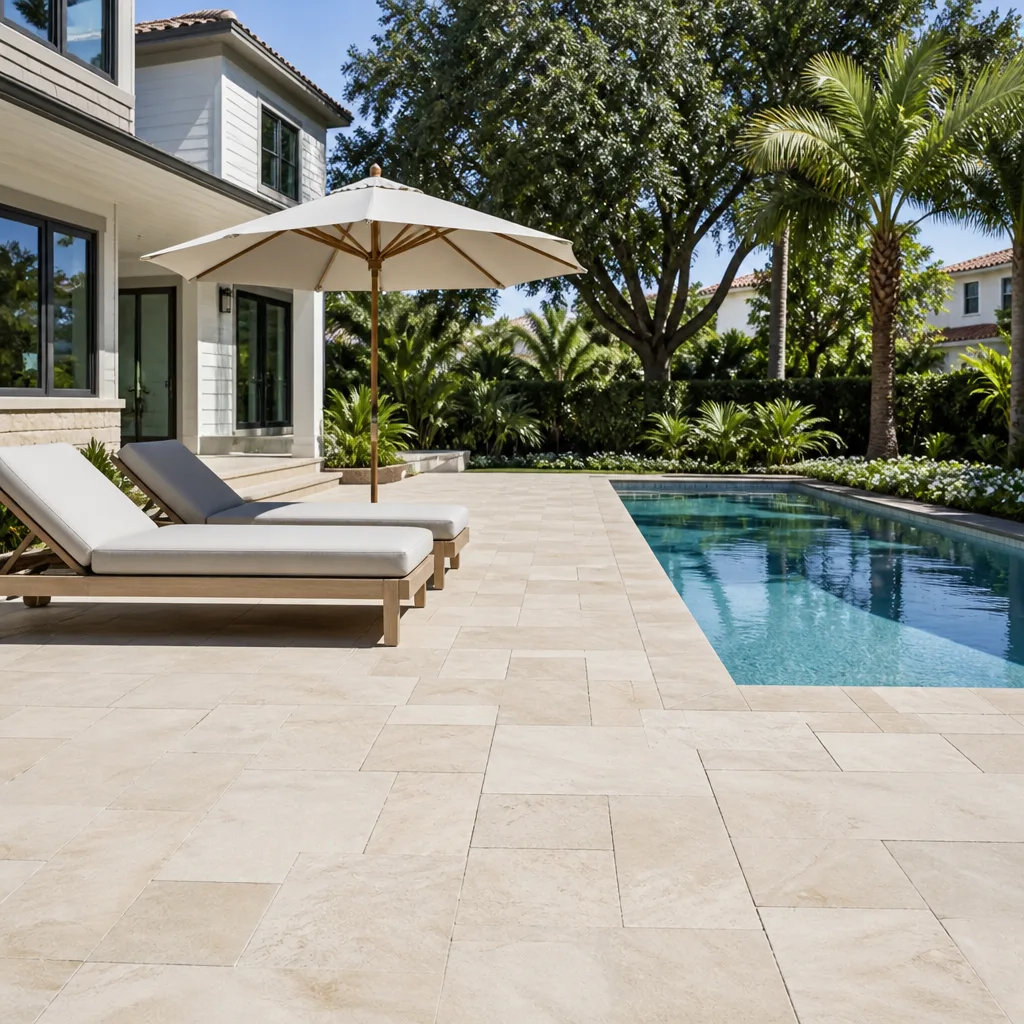
Free written scope consultation - allowances, timeline, and change-order rules on paper before a single trade is scheduled
The Complete Driveway & Pavers Guide for Garden Grove Homeowners
Most California driveway paver failures aren’t about the pavers. They’re about what’s six inches underneath them. In Garden Grove’s expansive soil zones, skipping a proper base is the single most expensive shortcut a homeowner can take, and it’s the one you’ll never see on the bid. We’ve pulled out five-year-old drives on Garden Grove’s west side where the pavers themselves were still perfect and the base was a bowl of cracked mud. This guide covers what actually holds a driveway together in Garden Grove: clay soil classification, base depth, UV and hard-water staining, permit rules on impervious surface, real Orange County cost ranges, and the three lines a low-ball bid always cuts.
Quick Answer
Driveway pavers in Garden Grove typically run $14 to $26 per square foot installed in the current Orange County market, which puts a standard two-car driveway (roughly 400 to 600 square feet) between about $5,600 and $15,600. The number that matters more than price is base depth: Garden Grove’s clay-heavy, expansive soils demand a minimum 6- to 8-inch compacted aggregate base, deeper than the 4 inches common in sandy inland markets. Get the base right and a paver drive lasts decades. Skip it and you’ll be re-doing the work in five years.
Styles & brands we work with
- Kitchen remodeling
- Bathroom remodeling
- Home additions & ADU
- Roofing
- Windows & doors
- Driveway & pavers
- Fence
Table of Contents
- Why Garden Grove’s Clay Soil Changes Everything About Your Paver Base
- Which Paver Materials Hold Up Best Under Orange County Sun and Hard Water
- Garden Grove Permit Requirements and Impervious Surface Rules
- What Driveway Pavers Actually Cost in Garden Grove
- How to Read a Contractor Bid: The Three Line Items Low-Ball Quotes Cut
- Step by Step: How a Proper Garden Grove Paver Drive Gets Built
- Maintaining Pavers in Garden Grove’s Climate
- How to Choose a Paver Contractor in Garden Grove
Why Garden Grove’s Clay Soil Changes Everything About Your Paver Base
Garden Grove sits on some of the most expansive clay soils in Orange County. That clay swells when it takes on winter rain and shrinks through the dry summer months, and it does this season after season. A paver driveway is only as good as the base beneath it, and that base has to isolate the pavers from that movement. In sandy, well-draining markets, a 4-inch compacted base is often adequate. In Garden Grove’s clay zones, that’s not enough.
The classifications that matter here are the expansive clay designations that show up on geotechnical reports across central and west Garden Grove. Where those soils are present, we build a base of 6 to 8 inches of compacted Class II aggregate, sometimes more on drives that see heavy vehicle loads or where a soil report flags high shrink-swell potential. Some contractors will tell you a thicker paver hides a thin base. It doesn’t. The pavers just move with the mud underneath until the joints open and the edges heave.
Here’s what that base does that a shallow one doesn’t:
- It spreads vehicle loads across a wider footprint so the clay doesn’t pump and rut under tire paths.
- It gives water a drainage path so the subgrade doesn’t stay saturated through the rainy season.
- It isolates the pavers from the seasonal swell-shrink cycle that cracks thin slabs and opens joints.
- It keeps the edge restraint anchored so the field doesn’t creep toward the street over time.
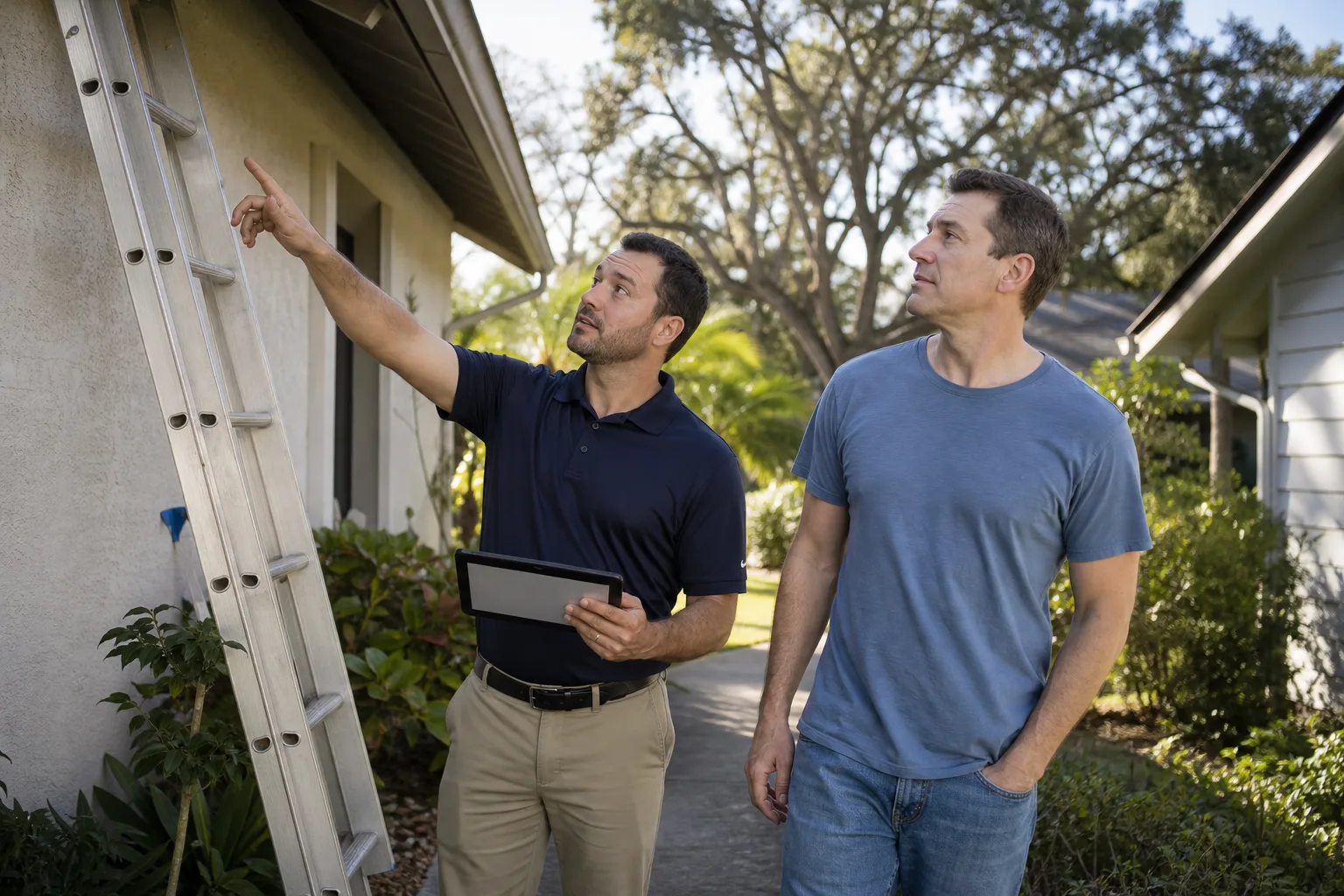
If a contractor shows up, paces the drive, and quotes you without asking about soil or base depth, that’s your first sign. In Garden Grove, the base is the job. The pavers are the finish on top of it.
Which Paver Materials Hold Up Best Under Orange County Sun and Hard Water
Garden Grove gets a lot of sun and some of the hardest water in the region. That combination does two things to pavers: it fades low-quality color through the surface, and it leaves mineral deposits that make darker or textured pavers look chalky and streaked. The right material choice isn’t about looks alone. It’s about what survives a decade of that.
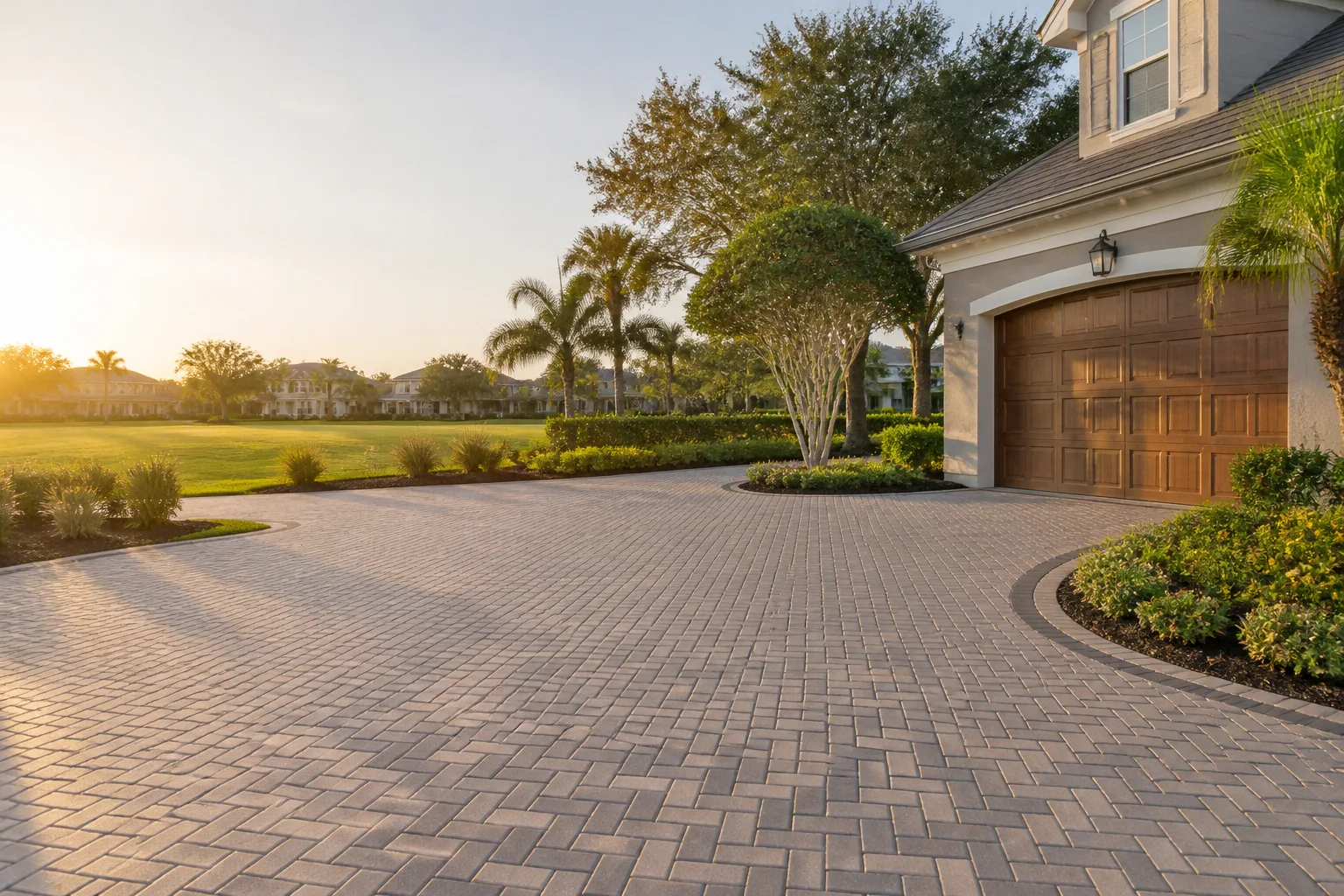
Concrete pavers with through-body color and a factory seal hold up best to UV here. The color goes all the way through rather than sitting on the surface as a dye, so sun exposure doesn’t wear it off. Clay brick pavers hold color beautifully and resist staining well, though they need to be set correctly on a proper base to avoid spalling. Permeable pavers are worth a serious look in Garden Grove because they help with the impervious surface rules covered below, and they handle hard-water staining better than smooth surfaces because the water moves through rather than sitting and drying on top.
Brand matters less than specification, but there are brands worth knowing. Belgard and Techo-Bloc both make pavers tested for high-UV and freeze-thaw performance, and both hold up in our climate. Boral makes a strong concrete paver line as well. What you want to avoid is the unbranded, off-the-van paver with no spec sheet, because you can’t look up its absorption rate or its compressive strength. Ask for the manufacturer and the model number. If the bid doesn’t say, that’s a line item to question.
One more thing on hard water. In Garden Grove, efflorescence (the white mineral bloom that rises through concrete pavers) shows up more than in softer-water markets, especially in the first year after installation. A quality sealer applied after the pavers have cured helps, and routine cleaning keeps it from settling in. It’s not a defect. It’s chemistry, and it’s manageable.
Garden Grove Permit Requirements and Impervious Surface Rules
This is where a lot of Garden Grove paver projects get into trouble: the permit. Replacing a driveway surface generally requires a permit from the City of Garden Grove, and adding or expanding hardscape counts as an increase in impervious surface, which ties directly to local drainage and stormwater ordinances. The rules aren’t there to make your life hard. They’re there because Garden Grove, like much of Orange County, manages runoff, and too much hard, water-shedding surface on a lot sends water onto streets and neighboring properties.
What that means in practice:
- New or expanded driveways usually need a permit, and the plan needs to show how runoff is handled.
- Projects that increase impervious coverage may be limited based on your lot’s existing coverage and the zoning for your parcel.
- Permeable pavers, or a combination of pavers and a drainage feature, can help you meet the requirements and are increasingly the practical answer in Garden Grove.
- Inspections matter at specific stages, including the base and the final surface, so the work has to be sequenced around them.
We pull permits and get inspections signed on every eligible job, and we’ll tell you plainly: the permit inspector works for you, not for us. That inspection is a second set of eyes on the base depth and the compaction, which is exactly the part of the job you can’t see once the pavers go down. If a contractor tells you the permit is optional or that you can skip it to save money, that’s a contractor who’s planning to hide the base. When you are comparing bids, ask each one whether the permit and inspection are included in the price.
What Driveway Pavers Actually Cost in Garden Grove
National averages are close to useless for a Garden Grove driveway, because Orange County labor rates and material delivery costs run higher than most of the country. Here’s what the market actually looks like for a driveway paver project in Garden Grove right now. These are installed ranges, materials and labor included, and they move with paver selection, site access, base depth, and drainage features.
| Line Item | Typical Range (Garden Grove) |
|---|---|
| Concrete pavers, standard, installed | $14 – $20 per sq ft |
| Premium concrete (Belgard, Techo-Bloc, Boral), installed | $18 – $26 per sq ft |
| Clay brick pavers, installed | $20 – $30 per sq ft |
| Permeable paver system, installed | $22 – $34 per sq ft |
| Base excavation and 6-8 inch compacted aggregate base | $4 – $8 per sq ft |
| Edge restraint and polymeric joint sand | $3 – $5 per sq ft |
| Permit and inspection fees | Varies by scope, quoted separately |
| Sealer application (after cure) | $2 – $4 per sq ft |
For a two-car driveway of 400 to 600 square feet, that puts most Garden Grove projects between roughly $5,600 and $15,600, with permeable or premium systems landing at the top of that band. A single-car drive or a widened approach will land lower. A long driveway with a slope or drainage work will land higher. What you should not accept is a single round number with no line items behind it. You want scope in writing, allowances in writing, and change orders in writing, so the number on the page is the number on the invoice.
One cost question we hear a lot in Garden Grove: should you replace the whole drive or repair the failed section? If the base is good and one area has settled, a section repair can make sense. If the clay is pumping and the joints are opening across the field, patching is throwing money at a base problem. A free second opinion on any written estimate is a good way to test whether the repair you’ve been quoted actually solves the cause.
How to Read a Contractor Bid: The Three Line Items Low-Ball Quotes Cut
A low-ball paver quote in Garden Grove isn’t usually cheaper because the contractor is efficient. It’s cheaper because something was left out, and three items get cut more than any other. Ask about each one directly and see how the answer changes the price.
- The base. The most common cut is base depth. A bid that says “prepare base” without a depth is a bid that can install 3 inches and call it done. Ask for the compacted depth in writing and ask whether it’s sized for expansive clay soil. This is the line item that determines whether your drive lasts five years or thirty.
- The permit and inspection. A bid with no permit line is cheaper by exactly the fee and the time it takes to do the job to code. That’s not a savings, it’s a liability that follows the property. Permits pulled and inspections signed should appear on the contract.
- The edge restraint and joint sand. The perimeter restraint and the polymeric sand that locks the joints are small line items with big consequences. Cut them and the field creeps, the joints wash out, and weeds find the gaps. A legitimate bid names the restraint and the sand.
There’s a fourth thing to watch, and it isn’t on the quote at all: the change order. Every scope change, every allowance, and every price adjustment should arrive as a written change order before any work happens. An allowance that isn’t on paper is a surprise waiting for a date. When you get a bid, ask what happens if the base turns out worse than expected. A contractor who answers “we’ll sort it out” and a contractor who answers “you’ll get a written change order before we touch it” are not the same company.
Step by Step: How a Proper Garden Grove Paver Drive Gets Built
Understanding the sequence helps you evaluate the crew working on your property and the bids you’re comparing. For the safety and durability of the driveway, this is installation work for a trained crew, so read this as “what should happen,” not “how to do it yourself.”
- Evaluate the soil and the scope. Confirm the existing base conditions, the lot’s impervious coverage, and the drainage plan. On expansive clay, this step sets the base depth and whether a drainage feature is needed.
- Pull the permit. Submit the plan to the City of Garden Grove before excavation. The permit approval sets the inspection stages the job will follow.
- Excavate to the design depth. Remove existing surface and subgrade to the depth the base design requires. In clay zones that means digging deeper than a coastal or sandy-inland job would.
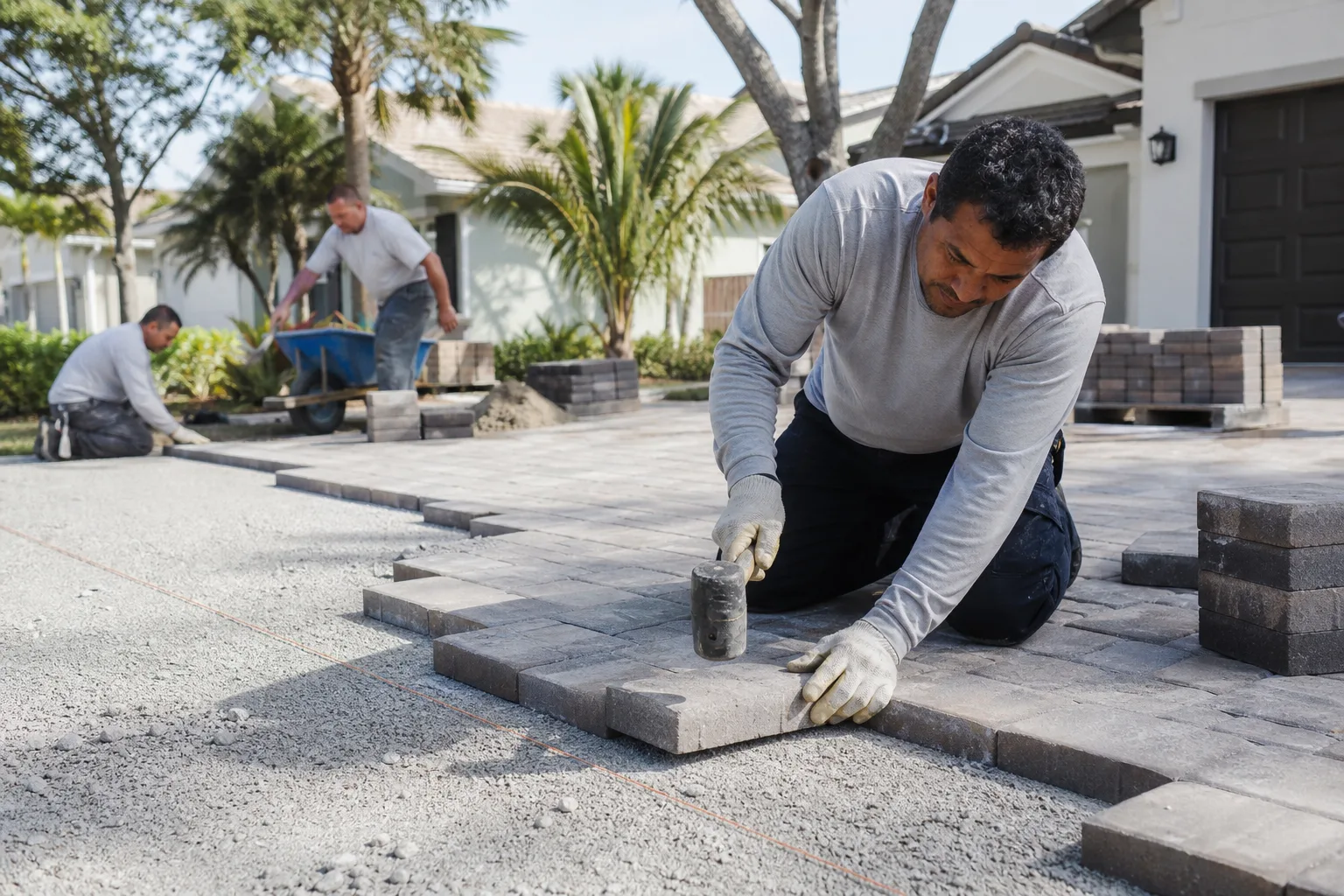
- Build and compact the base. Place 6 to 8 inches of Class II aggregate in lifts and compact each lift. This is the inspection-critical stage and the one you can’t see later.
- Install edge restraint. Set the perimeter restraint and anchor it so the field can’t spread. This is where cutting corners shows up first.
- Set the bedding layer and pavers. Screed a thin bedding sand, lay the pavers in the approved pattern, and cut the perimeter to fit cleanly against the restraint and structures.
- Sweep in polymeric joint sand and compact. Lock the joints and the field, then call for the final inspection.
- Seal after cure. Apply sealer once the pavers have cured, which also helps manage the efflorescence that hard water brings.
Maintaining Pavers in Garden Grove’s Climate
Garden Grove’s dry summers and wet winters are actually kind to pavers if the base is right. The maintenance list is short. Sweep or blow off debris, especially before the rainy season, so that leaves and dirt don’t work into the joints. Rinse the surface periodically to manage hard-water mineral buildup. Check the joint sand each year and top up any spots that have washed out, particularly along the perimeter and near the street. Keep the drainage path clear so winter rain has somewhere to go. And keep an eye on the edges where the drive meets the street or the garage apron, which is where settlement shows up first if the base is underbuilt. None of this is heavy work, and a well-built Garden Grove drive with a proper base rarely needs anything beyond routine upkeep.
How to Choose a Paver Contractor in Garden Grove
You have dozens of paver installers working Orange County, and the bids will span thousands of dollars for what looks like the same driveway. The difference is almost always the base and the paperwork. Here’s how to separate the crews from the outfits:
- Ask for the base depth in writing, and ask how it’s sized for clay soil. The answer tells you whether they’ve worked Garden Grove. For a deeper look at how we handle base and drainage in town, see Driveway & Pavers in Garden Grove.
- Look for a company that pulls the permit and includes the inspection. No permit line on the bid is a red flag.
- Ask about brand and model number for the pavers. Belgard, Techo-Bloc, and Boral all publish specs you can check; a mystery paver from an unmarked pallet can’t be checked. We also install Fence Installation in Garden Grove, so we know how a paver drive has to tie into the property line, side gates, and the drainage at the perimeter.
- Ask what a price change looks like mid-job. The right answer is a written change order before any work moves forward, and this applies to related projects too, whether it’s a Home Additions & ADU in Garden Grove or a fence and gate that abuts the drive.
- Look for a company with a name you can verify and a guarantee in writing. The Barrett & Sons Construction Garden Grove home page lays out our approach to permits, written change orders, and the 90-Day Done Right Promise that goes on every contract.
A driveway is the biggest piece of hardscape on most Garden Grove lots. It pays to ask the boring questions up front.
Common Mistakes to Avoid
- Accepting the standard 4-inch base. In Garden Grove’s expansive clay, 4 inches is a fast track to heaving and joint failure. Ask for the compacted depth in writing and get 6 to 8 inches on clay.
- Skipping the permit. An unpermitted driveway can become a problem at resale or when a drainage dispute comes up. The permit and inspection are your protection, and they’re part of a legitimate job.
- Choosing pavers by color alone. A dark, textured paver can look great the day it’s laid and show hard-water streaking a year later. Match the paver’s spec (UV performance, absorption, finish) to Garden Grove’s sun and water.
- Ignoring impervious surface rules. Expanding the driveway without checking the coverage limit or runoff plan can mean a do-over. Permeable pavers or a drainage feature are often the practical fix.
- Not getting a written change order. If the base turns out deeper than expected and the change isn’t on paper first, you may meet a surprise invoice at the end. Ask how changes will be documented before you sign.
- Overlooking the edge restraint. A drive with no anchored perimeter creeps toward the street. The restraint is small in the bid and big in the lifespan of the drive.
- Sealing a new drive too soon. Sealer applied before the pavers cure traps moisture and efflorescence. Let the crew set the sealing date after cure, and don’t let anyone rush it to close the job.
- Comparing bids on price alone. A quote thousands lower is usually missing base, permit, or restraint. Compare the line items, not the bottom line.
See the difference
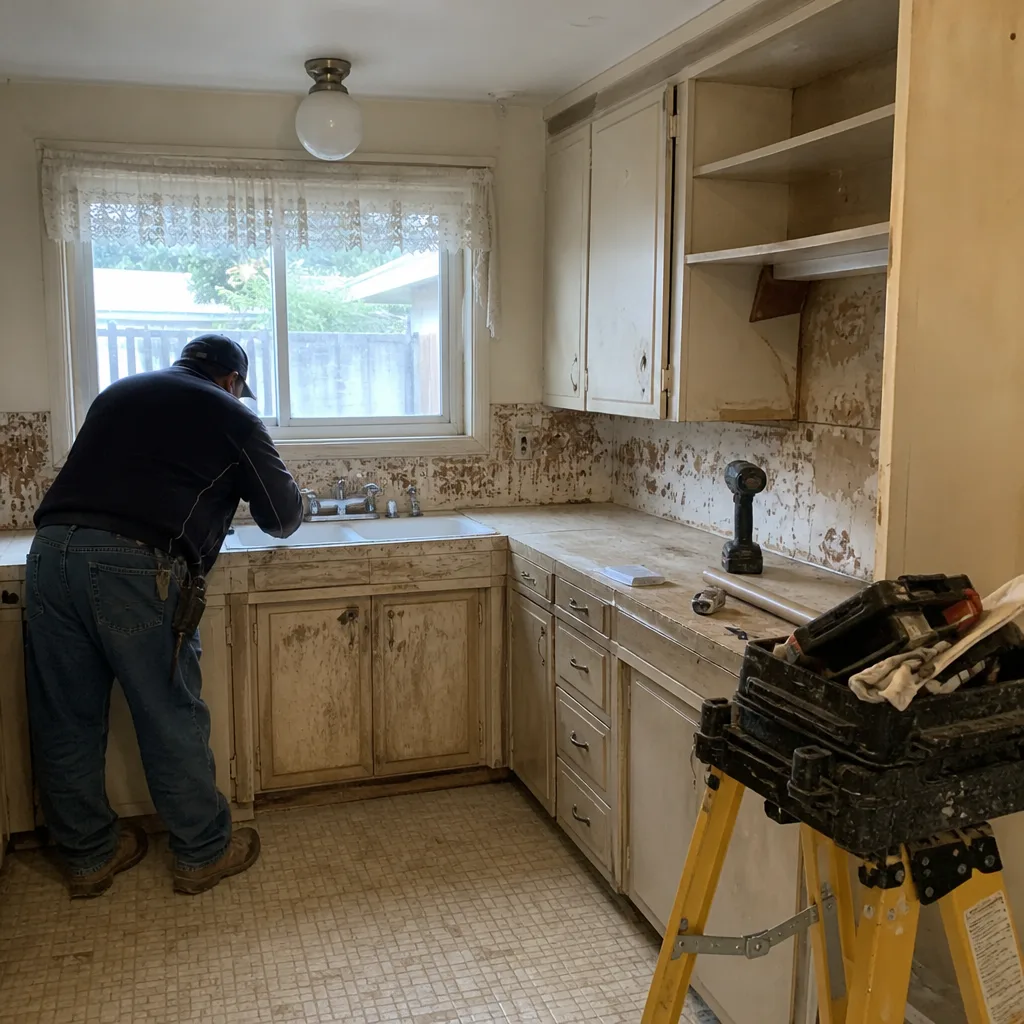 Before
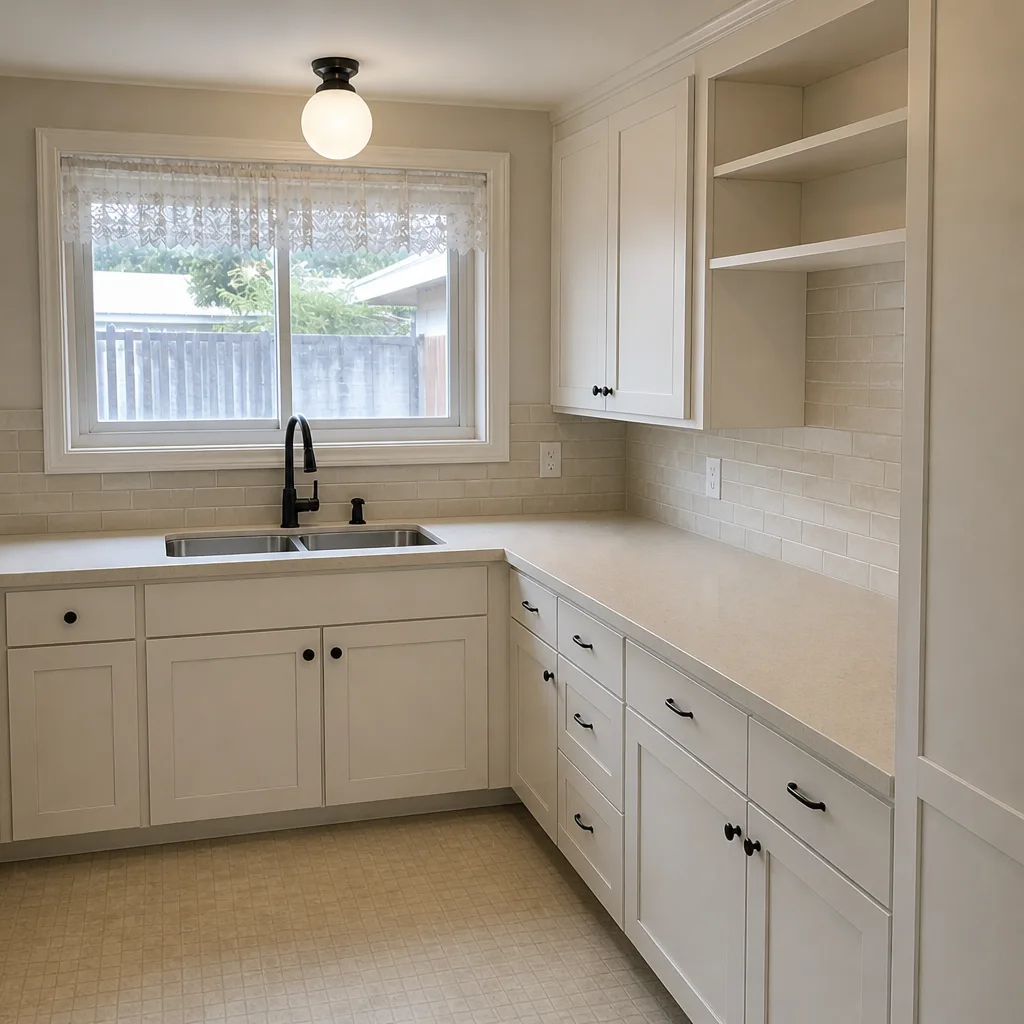 After
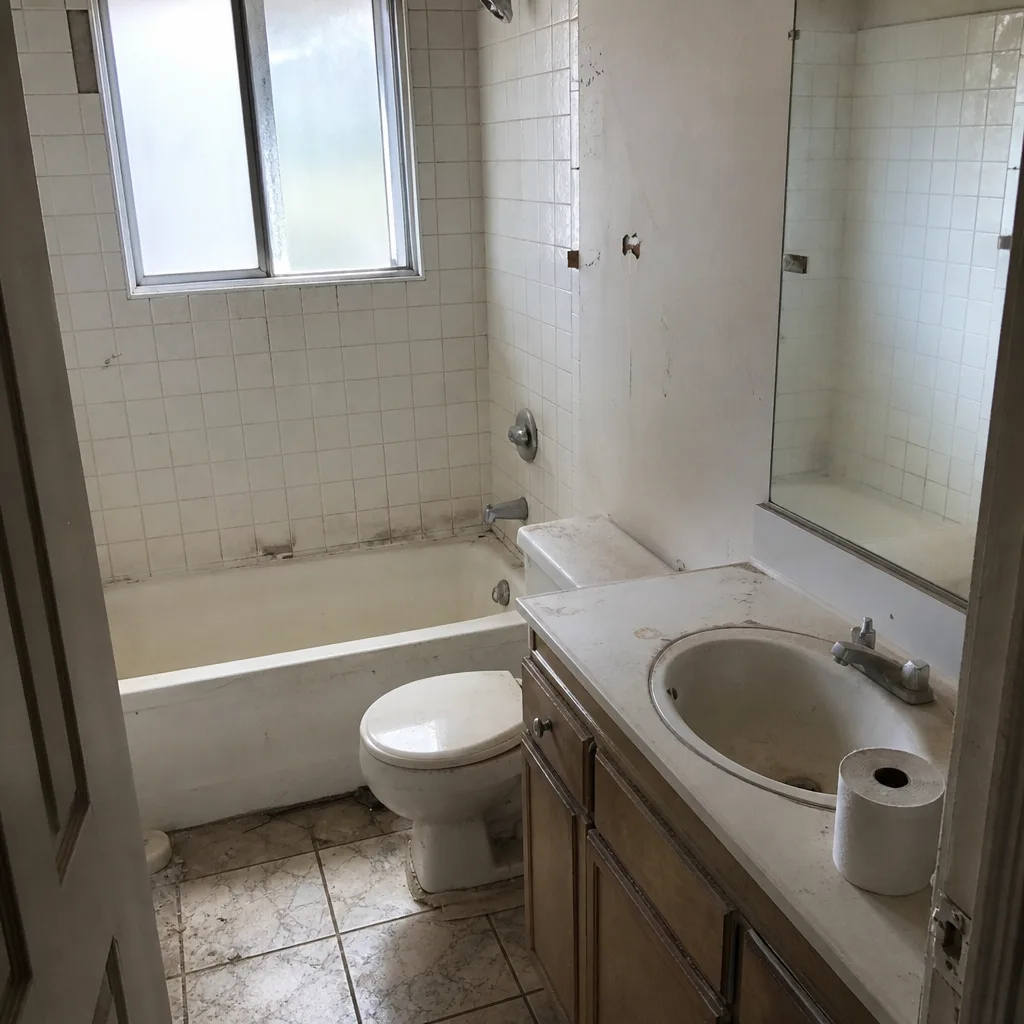 Before
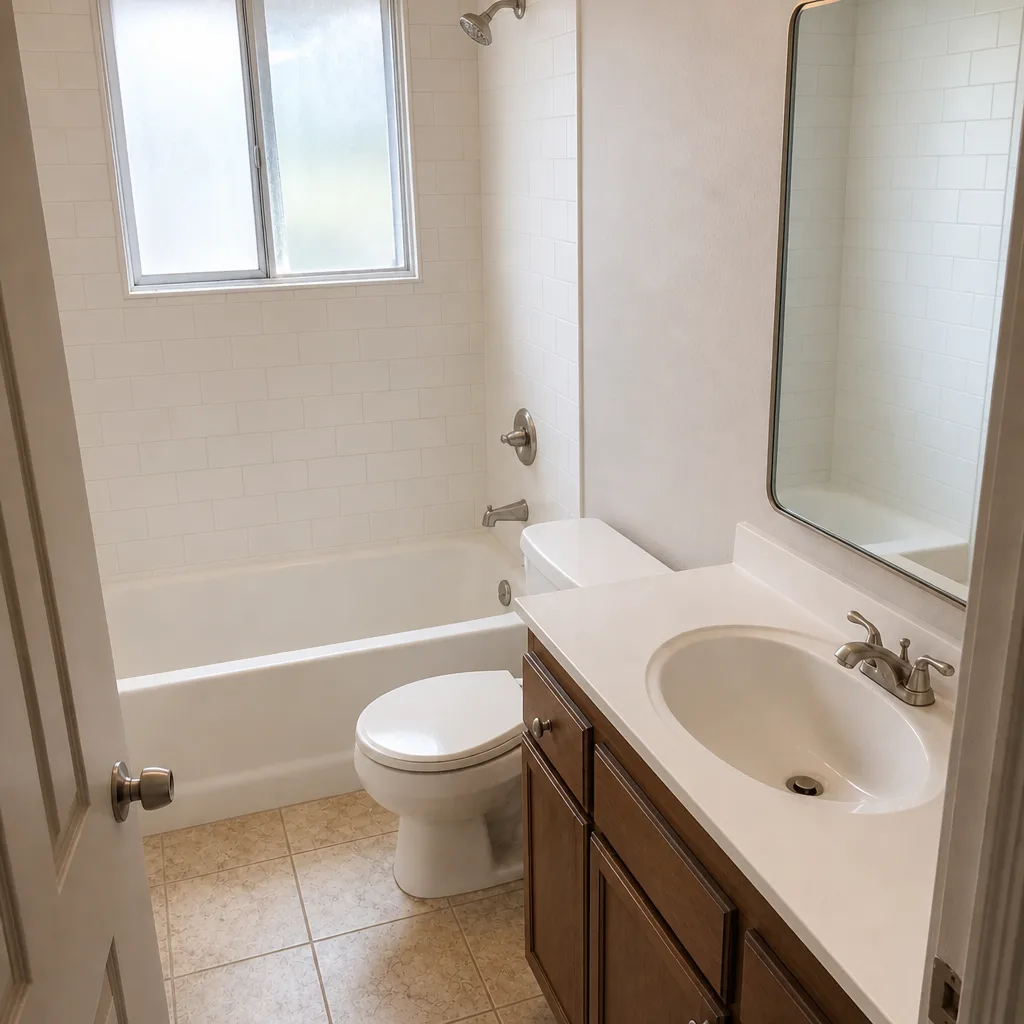 After
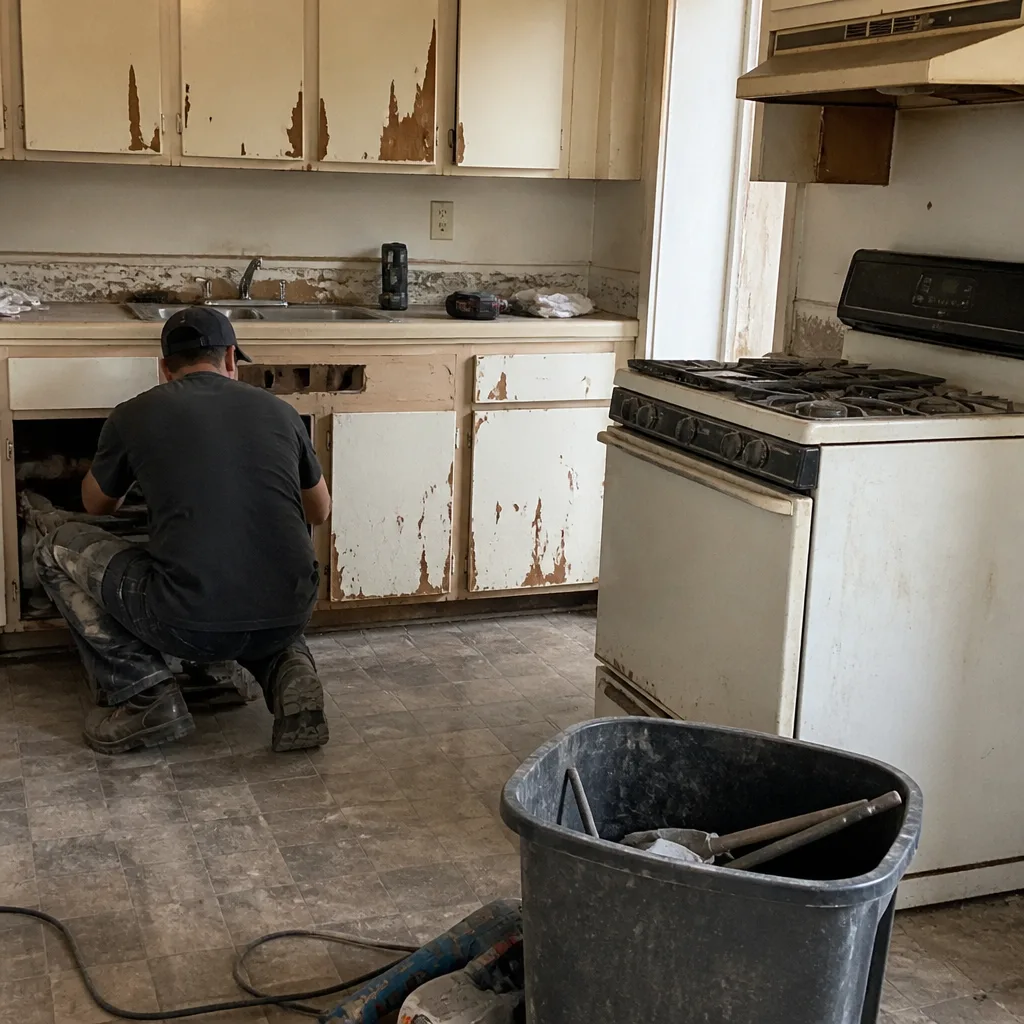 Before
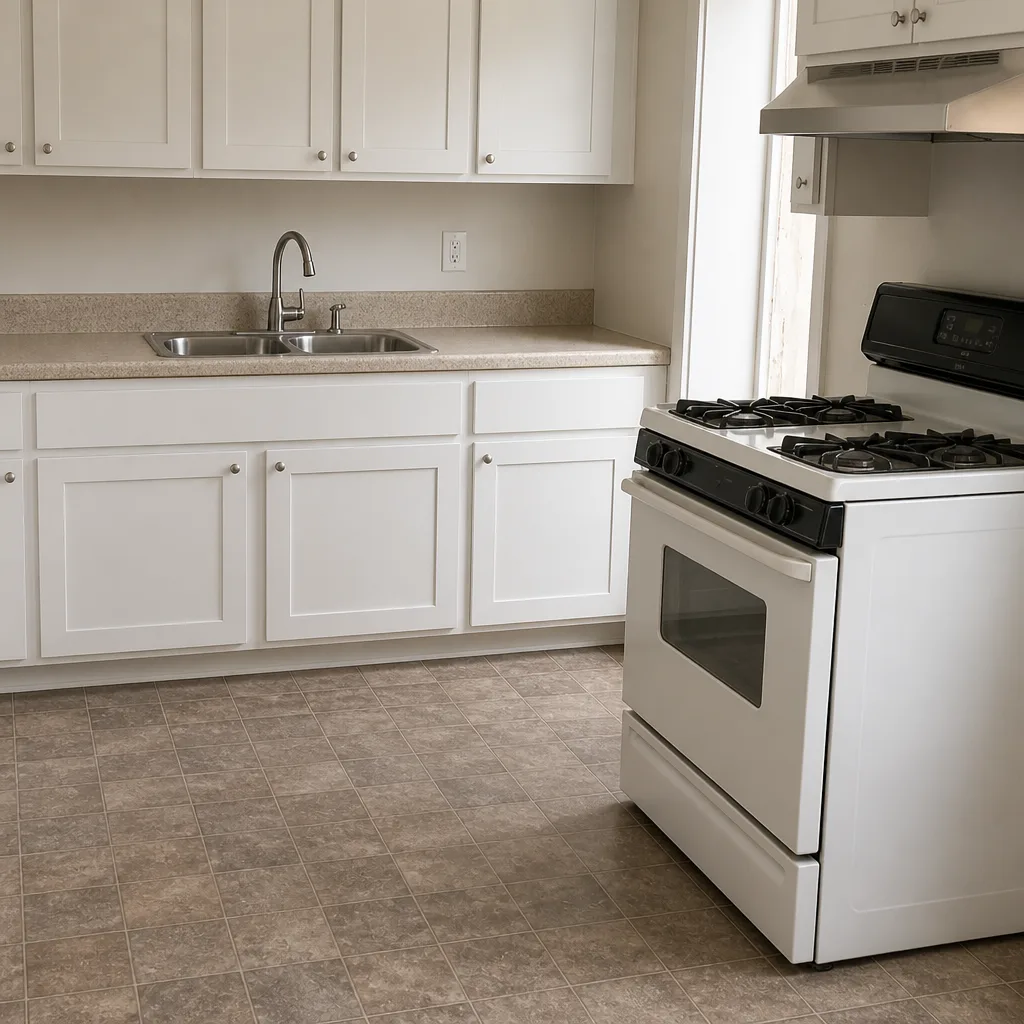 After
When to Call a Professional
Some driveway work is genuinely a crew job, not a weekend project. Call a professional if the pavers are heaving or settling along the center or edges, if joints are opening across the field (that’s a base symptom, not a surface repair), if the drive has a slope and winter rain runs toward the house or garage, if you’re replacing or expanding the drive enough to increase impervious coverage and trigger a permit, or if a bid you’ve received doesn’t name the base depth, the permit, or the edge restraint. Pavers themselves are heavy, the base compactors are equipment, and the code requirements around drainage need someone who pulls permits regularly. Barrett & Sons Construction Garden Grove offers free estimates in Garden Grove. Call (833) 703-5196 to schedule yours, and we’ll come look at the base conditions before anyone talks about pavers.
Frequently Asked Questions
Driveway pavers in Garden Grove run about $14 to $26 per square foot installed, with a standard two-car drive typically landing between $5,600 and $15,600 depending on paver choice, base depth, and drainage work. Premium and permeable systems land at the top of that range, and base excavation is a separate line item. Call (833) 703-5196 for an exact quote – estimates are free, and we’ll give you a written second opinion on any bid you’ve already received.
Because Garden Grove sits on expansive clay soil that swells and shrinks with the seasons, and a proper 6- to 8-inch compacted aggregate base is what keeps that movement from breaking your pavers. Sandy inland and coastal markets can use a thinner base; clay needs more. The pavers on top are the last 2 inches of a job that starts six inches down.
Replacing or expanding a driveway generally requires a permit from the City of Garden Grove, and an increase in impervious surface can trigger drainage and runoff requirements under local ordinance. Permits pulled and inspections signed are included on every eligible Barrett & Sons job, and we’ll tell you what the inspection stages mean for your project. Call (833) 703-5196 if you want us to look at your lot and spell out what’s required.
Not without a written change order that you approve before any work moves forward. If excavation reveals deeper clay or a drainage condition that changes the scope, you’ll get a written change order, in writing, before anyone touches the job. The original proposal is the number you should be able to hold us to.
A paver drive built on a proper base with anchored edge restraint and polymeric joint sand should serve Garden Grove homes for decades. The failure cases we see at five or ten years almost always trace back to a thin base, a missing permit, or no edge restraint. Materials matter, but the base matters more.
Yes. We pull the permit and get inspections signed on every eligible job. The permit inspector works for you, not for us, and that inspection is a second set of eyes on the base and compaction that you’ll never see again once the pavers are down. Call (833) 703-5196 to schedule a free estimate and we’ll walk you through the permit process for your lot.
The Bottom Line
Paver driveways in Garden Grove live or die on the base, and Garden Grove’s expansive clay makes that more true here than in most of Orange County. Get a 6- to 8-inch compacted base, pull the permit and get the inspection signed, choose pavers with a spec sheet that handles Orange County UV and hard water, and insist on a written change order before any scope moves. Expect a two-car drive to land between $5,600 and $15,600 installed. Barrett & Sons Construction Garden Grove offers free estimates and a free second opinion on any written estimate, and we’ll show you exactly what we’re putting under the pavers before anyone lays a single one.
Call (833) 703-5196 to schedule your free estimate in Garden Grove. A live person answers the phone around the clock. Proudly serving local communities for over 29 years, and our technicians have up to 28 years of experience.
Written by the team at Barrett & Sons Construction Garden Grove.