Last updated November 18, 2026
Free written scope consultation - allowances, timeline, and change-order rules on paper before a single trade is scheduled
DIY vs Professional Fence Installation: What’s Safe to Do Yourself
Installing fence panels is straightforward. Setting posts in concrete at the right depth and alignment is not. A post that’s two inches off plumb at ground level is a foot off plumb at the top, and that’s before the first Santa Ana wind season pushes against it. We’ve seen it plenty across Garden Grove: a weekend fence that looked sharp in April and leaned like a tired sail by the following spring. This guide walks through which fence types are genuinely manageable for a handy homeowner, which ones need trade experience, and the property line and permit steps that cause the most expensive problems later. You’ll finish knowing exactly where the DIY line sits.
Quick Answer
Panel fencing on flat ground is realistically doable for a homeowner with basic tools, a helper, and patience. Block walls, severe slopes, long runs, and anything involving a disputed property line are not. The two steps DIYers skip most often, confirming the property line and setting footings deep enough, are exactly the steps that turn a $3,000 project into a $12,000 legal and structural headache. If either of those makes you nervous, that’s your answer.
Styles & brands we work with
- Kitchen remodeling
- Bathroom remodeling
- Home additions & ADU
- Roofing
- Windows & doors
- Driveway & pavers
- Fence
Table of Contents
- Which Fence Types Are Safe to DIY?
- The Property Line and Permit Steps DIYers Skip
- Why Footings Fail and How Post Errors Compound
- DIY vs Contractor: The Real Cost Comparison
- Slopes, Block Walls, and Gates: Where DIY Stops
- What to Look for in a Fence Contractor
- Permits and Code in Garden Grove
- Common Mistakes to Avoid
Which Fence Types Are Safe to DIY?
The honest breakdown comes down to how forgiving the material is when your line drifts a quarter inch over twenty feet. Wood panel fencing forgives. Block masonry does not.
Realistically DIY-friendly:
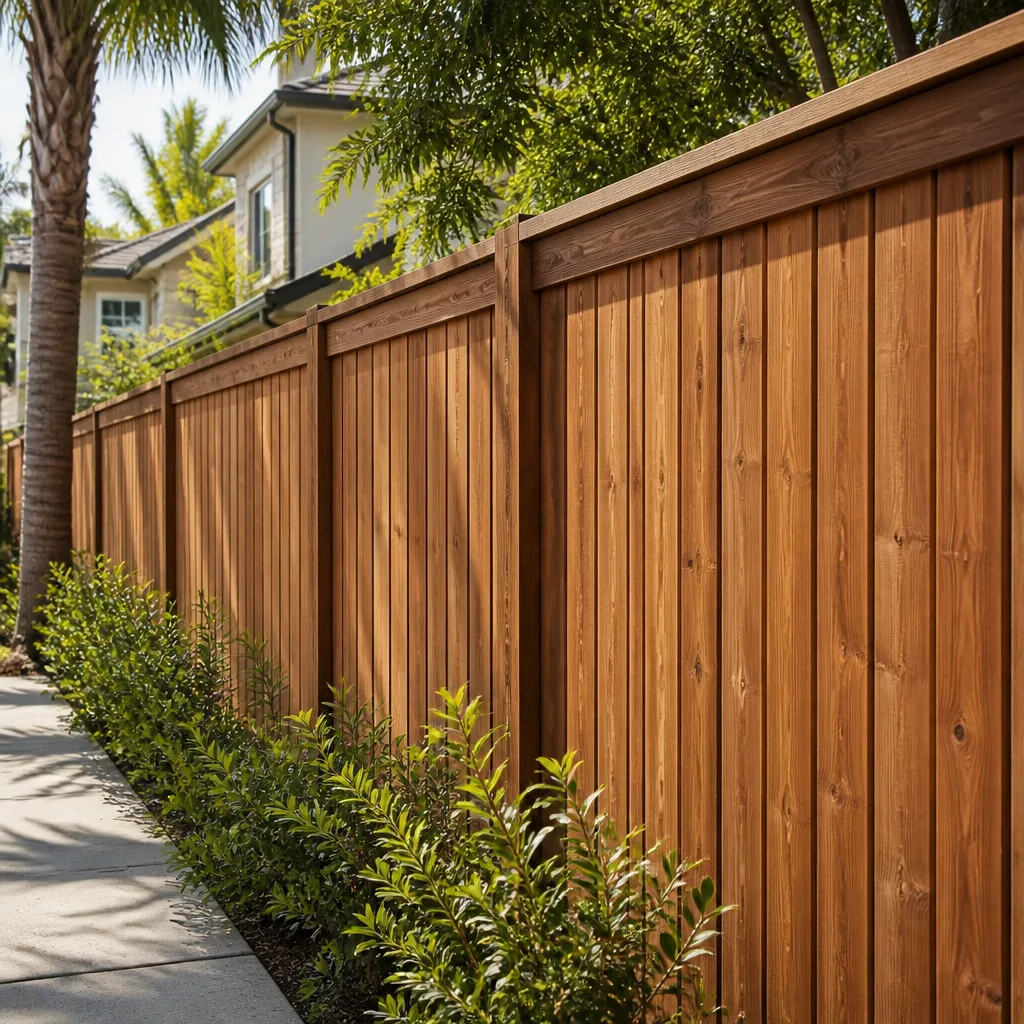
- Wood privacy fencing on flat ground, short runs (under 100 feet), straight lines. Panels and posts are manageable with a two-person crew and a rented auger.
- Chain link on flat, unobstructed ground, using Master Halco-style pre-fab kits and a string line. Fitting the tension bars is fiddly but learnable.
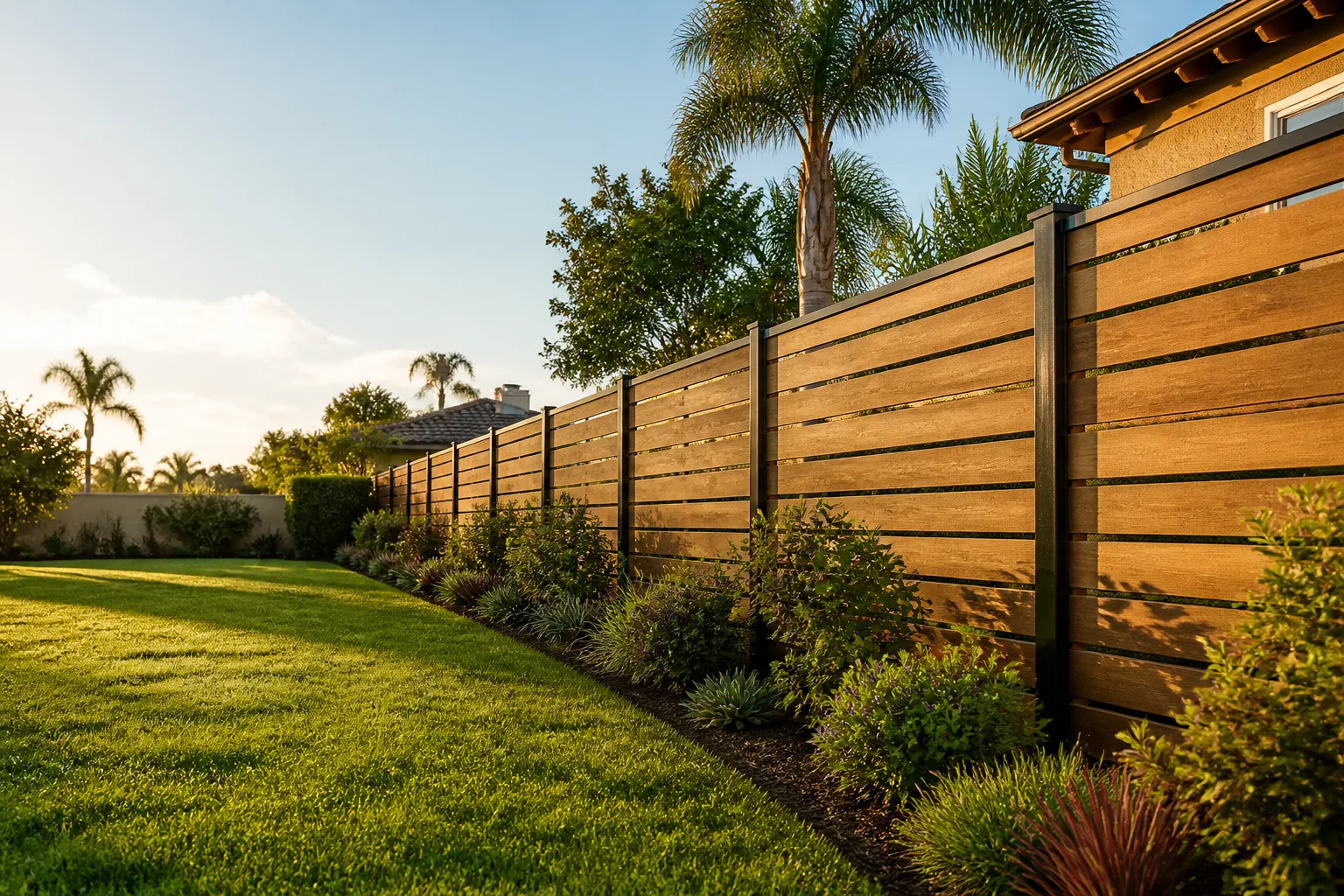
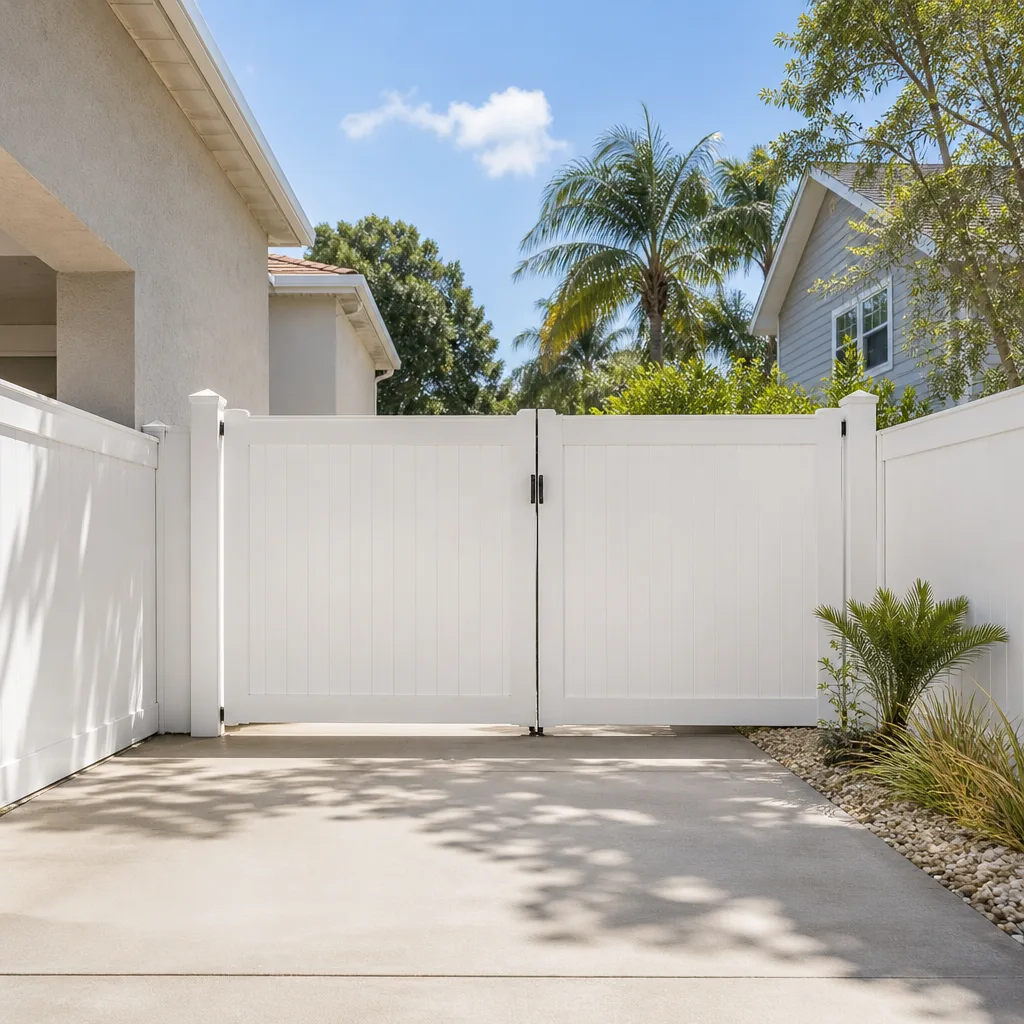
- Vinyl or composite panel systems from brands like Barrette, where the posts come pre-notched and the rails snap in. These are the closest thing to a kit fence, and flat ground is the only requirement.
Trade-experience territory:
- CMU block walls. Mortar joints, rebar placement, bond beams, and cure times aren’t weekend work. A block wall that’s out of plumb doesn’t lean, it cracks.
- Anything on a slope steeper than roughly 1 foot of rise over 8 feet of run. You’re stepping panels, cutting posts to length, and engineering a stagger pattern that looks intentional.
- Runs over 150 feet on a property line where any drift is legally visible.
- Driveway gates with hinges, posts loaded with steel, and any motorized operator.
In Garden Grove, most residential lots are flat enough that a wood or vinyl panel fence is genuinely DIY-able. The lots in the older tracts west of Brookhurst often have mature trees sitting right where your post holes want to go, which is where a weekend project stalls out. Tree roots don’t negotiate.
The Property Line and Permit Steps DIYers Skip
This is the part that costs people real money. Before you dig a single hole, you need to know where your property line actually is, not where the old fence sat. Old fences drift. Neighbors plant hedges on their side. Surveys from 40 years ago get lost.
The steps, in order:
- Pull your plat map or property survey from the county recorder. If you don’t have one, a licensed surveyor can stake the line, and it’s money well spent.
- Talk to your neighbor before you dig. A five-minute conversation now beats a boundary dispute at closing.
- Check your city’s fence permit requirements. Most Garden Grove fences under 6 feet on a rear or side lot line may not need a permit, but front-yard and corner-lot fences have stricter height rules, and anything over the threshold does.
- Call 811 before excavation. Free service, catches gas, water, and electrical lines.
- Document everything with photos and keep the survey on file.
What happens when DIYers skip these? During a home sale, a title company runs a survey and discovers the fence is 14 inches onto the neighbor’s lot. That’s a boundary encroachment, and it can hold up closing until it’s resolved. We’ve watched a $4,000 fence job turn into a legal matter costing five figures. It’s the single most avoidable fence mistake there is.
Why Footings Fail and How Post Errors Compound
Post-setting errors are quiet. Each one looks fine on the day you set it. Then you reach the corner and the last panel doesn’t line up, and you’re cutting shims and re-drilling brackets on a Sunday afternoon.
Here’s how the math works against you. A post that’s 1 degree off plumb at ground level is 1 degree off at the top, but over an 8-foot run of panels, that drift stacks. By post ten, you’re chasing the line. By the corner, you’re rebuilding. That’s how a two-day project becomes a three-weekend project with a surprise second trip to the lumber yard.
Footing depth matters just as much. In Southern California, code generally calls for post footings sized to your frost line and fence height, and most residential fences need a footing in the neighborhood of 24 to 36 inches deep, with a diameter roughly three times the post width. Shallower than that and a Santa Ana wind gust takes the whole section down.
Concrete needs to cure, too. Don’t load the panels on green concrete. Give it at least 24 hours, more if the weather is cool and damp, which happens in Garden Grove in late spring.
DIY vs Contractor: The Real Cost Comparison
The honest comparison looks different from the sticker price. DIY saves real money on materials, but the savings shrink once you add rentals, waste, and re-work. Here’s the rough framework on a 100-foot, 6-foot-tall wood privacy fence in the Garden Grove area:
- Materials: $2,200 to $3,800, depending on wood grade and panel style. Contractors typically get a modest discount through trade supply, but not enough to erase the DIY gap.
- Tool and equipment rental: $150 to $400 for a post-hole auger, concrete mixer, and any braces. Add $200+ if you buy rather than rent a decent level and string line.
- Waste and re-work: $200 to $700 in extra lumber, concrete, and hardware from mis-cuts and re-set posts. This is the number DIYers underestimate.
- Permit: varies by city and fence type. Skipping it is not a savings, it’s a liability.
- Contractor bid for the same fence: $4,600 to $8,000 depending on materials and site conditions.
So the real DIY savings on a wood fence is often in the $1,000 to $2,500 range. That’s money worth having. But the equation flips if you have a slope, a long run, block work, or any boundary question. On block walls and complex runs, DIY usually costs more than bidding the job out once you price the specialty tools and the re-do.
Slopes, Block Walls, and Gates: Where DIY Stops
Sloped yards break the panel-kit assumption. The posts need to be stepped at consistent intervals, panels need to be racked or custom-fit, and any run that follows a curve needs real layout experience. It’s learnable, but it’s not a first-project job.
Block walls are the clearest stop sign. CMU construction involves rebar tied into footings, a bond beam at the top, and mortar joints that need to be struck correctly while they’re still workable. In Garden Grove, block walls are common along property lines, and the ones we see that failed almost always failed at the footing, not the block. Fixing a failed block wall means demo, re-pour, and rebuild, which erases any savings.
Gates are their own animal. A driveway gate that swings needs a post footing nearly twice as deep and wide as a fence post, and the post needs to be a heavier gauge or steel. Hinges, latches, and clearances all depend on that footing being right. This is the one area where a DIY gate almost always ends up on the contractor’s punch list.
What to Look for in a Fence Contractor
If you’re going to hire the work out, ask these questions before you sign anything. The answers separate a real fence contractor from a guy with a truck.
- Will you pull the permit in your name? A licensed contractor pulls the permit. If they suggest you do it or say it’s not needed, walk.
- What’s the footing depth and diameter? They should answer with numbers. If they say “deep enough,” that’s not an answer.
- Is the price written with a scope and a change-order process? The number that shows up in your mailbox at the end should match the number on the contract. Any scope change should arrive in writing before the work happens.
- What materials, and which brands? A real contractor names them. We install Master Halco for chain link and Barrette for vinyl panels, and when clients want a matching entry gate built off the house, we coordinate with Therma-Tru door systems inside the home. Materials you can look up are one of the simplest trust checks.
- Do you have a written guarantee? Ours is the 90-Day Done Right Promise: if it isn’t right, the owner’s sons come back and make it right, one call.
- Can I look up your license? Ours is published, with a name and address you can verify. Look it up before you sign.
If you want to see how a licensed local crew handles the full job, our Fence Installation in Garden Grove page walks through the process. Fence work often pairs with other exterior upgrades, so it’s worth seeing our Driveway & Pavers in Garden Grove services too, if the fence line meets the driveway.
Permits and Code in Garden Grove
In Garden Grove, the permit rules for fences are simple enough once you know them, which is exactly what trips up DIYers who assume a fence is exempt. Generally, rear and side-yard fences up to 6 feet don’t require a permit. Front-yard fences, corner-lot fences, and anything above the standard height limit usually do, and the setback rules on corner lots are where we see the most confusion.
The property line matters more than the permit, though. If you build a fence on your neighbor’s side of the line, you don’t just have a permit problem, you have a dispute. It comes up at sale. It can cost thousands to move. Get the line confirmed in writing first, always.
For homeowners we work with, we pull the permit and have the inspection signed off on any eligible job. It isn’t busywork. The inspector works for you, not for us, which is why we like him. Every scope, every allowance, every change arrives in writing before work starts. An allowance that isn’t on paper is a surprise waiting for a date.
Common Mistakes to Avoid
- Assuming the old fence is on the property line. Old fences drift. Pull the survey or pay for a stake, then dig.
- Setting footings too shallow. A 12-inch hole will fail in a Southern California windstorm. Get depth right the first time and let concrete cure fully.
- Skipping the 811 call. Free, and it prevents hitting a gas line. Garden Grove has plenty of underground utilities in the older tracts.
- Not talking to the neighbor first. Even if you’re right on the line, an unhappy neighbor during a home sale is a headache you don’t need.
- Chasing a bad post. If post three is off plumb, pull it and re-set. Don’t muscle through and hope the panels hide it.
- Buying from a supplier you can’t verify. Stick to brands you can look up. Barrette and Master Halco are known companies; mystery vinyl isn’t.
- Skipping the permit because “nobody pulls them for fences.” Nobody expects the city to flag it either, until the sale and the inspection come up.
See the difference
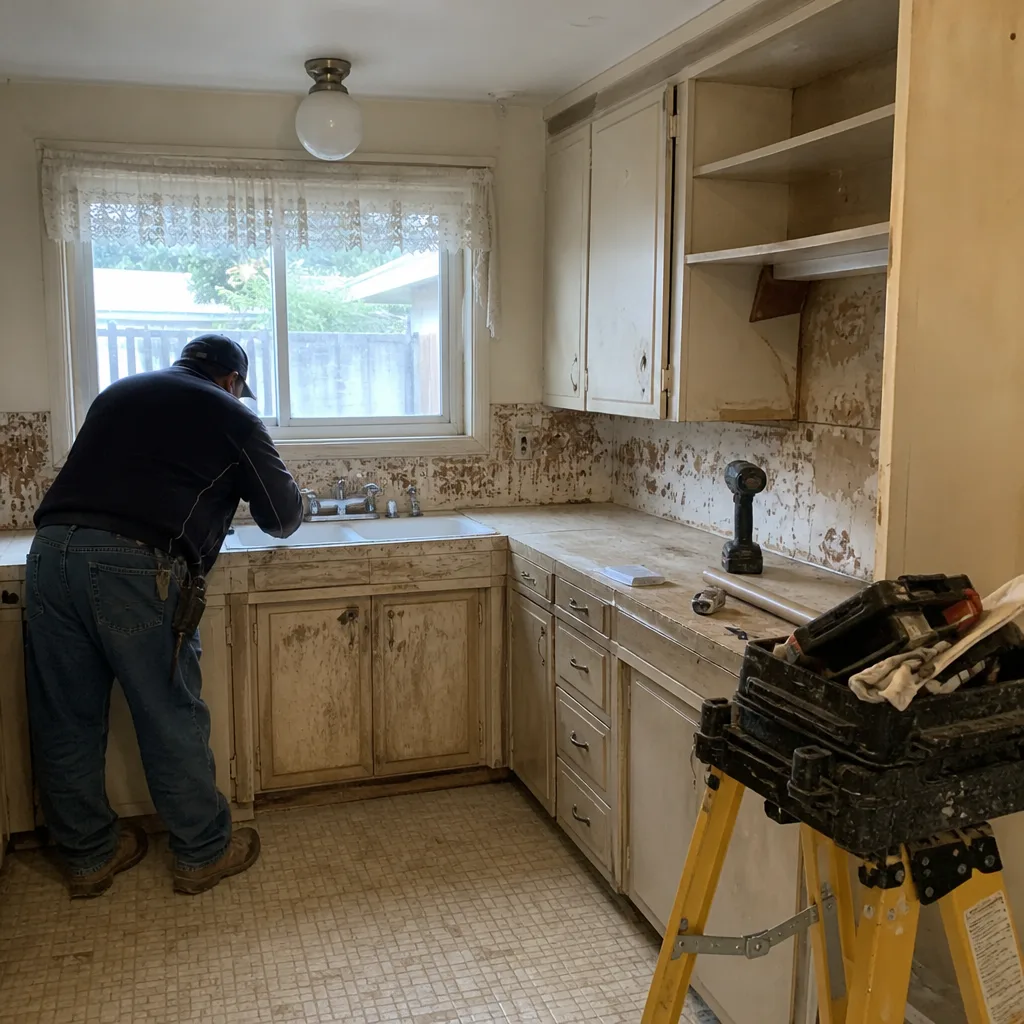 Before
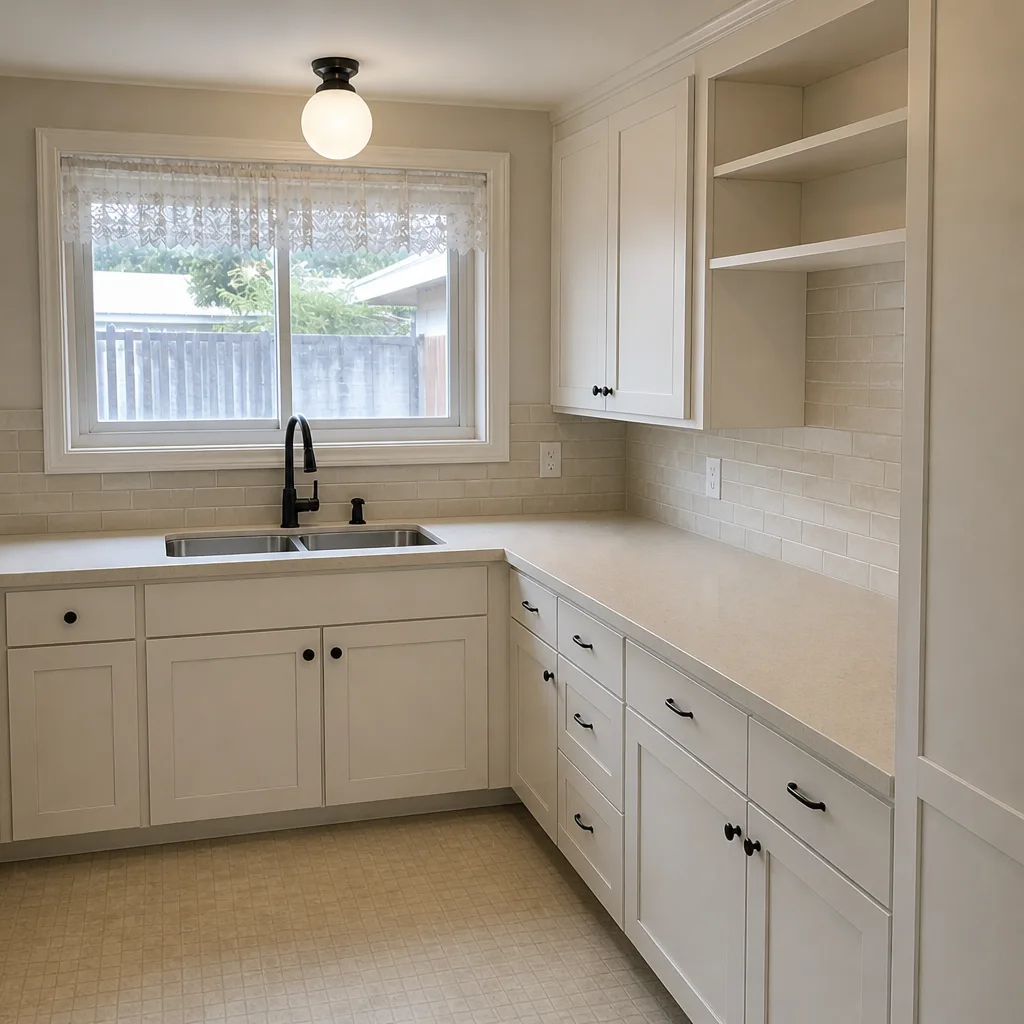 After
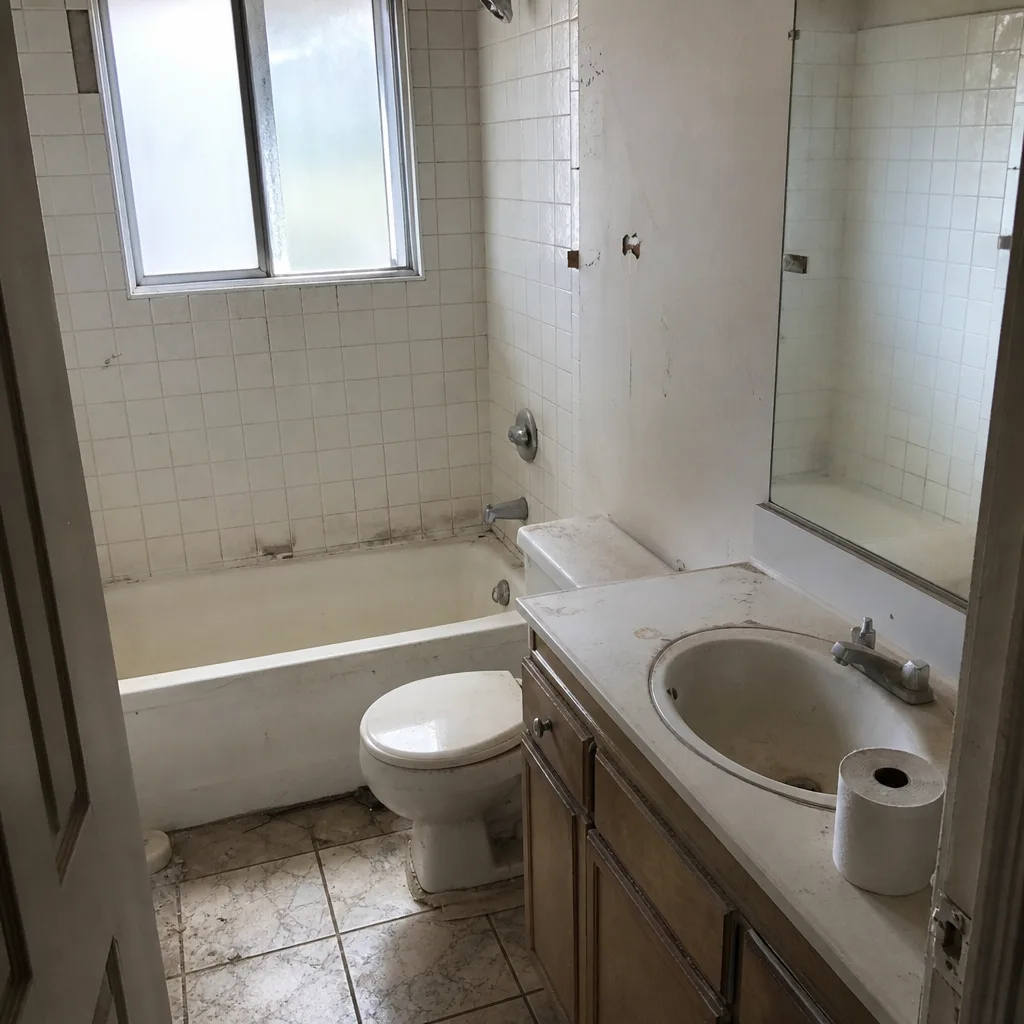 Before
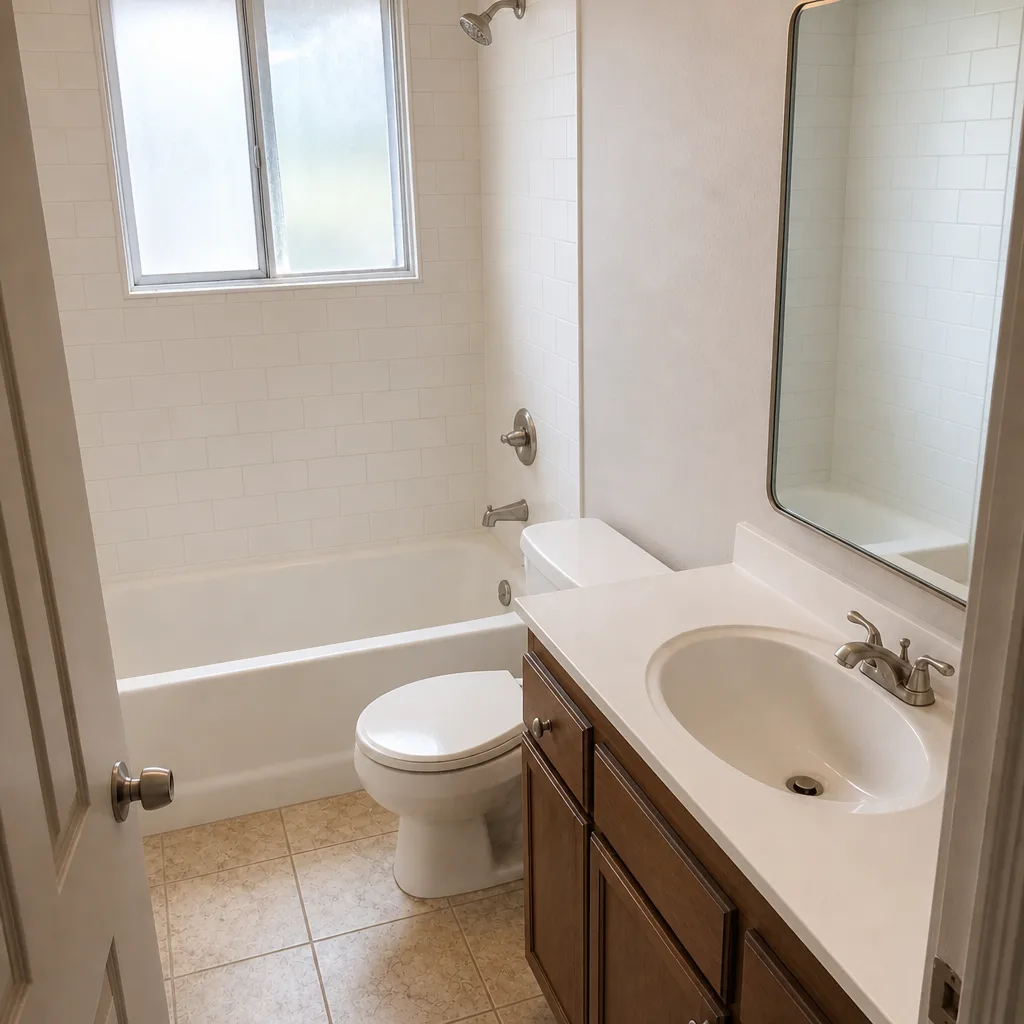 After
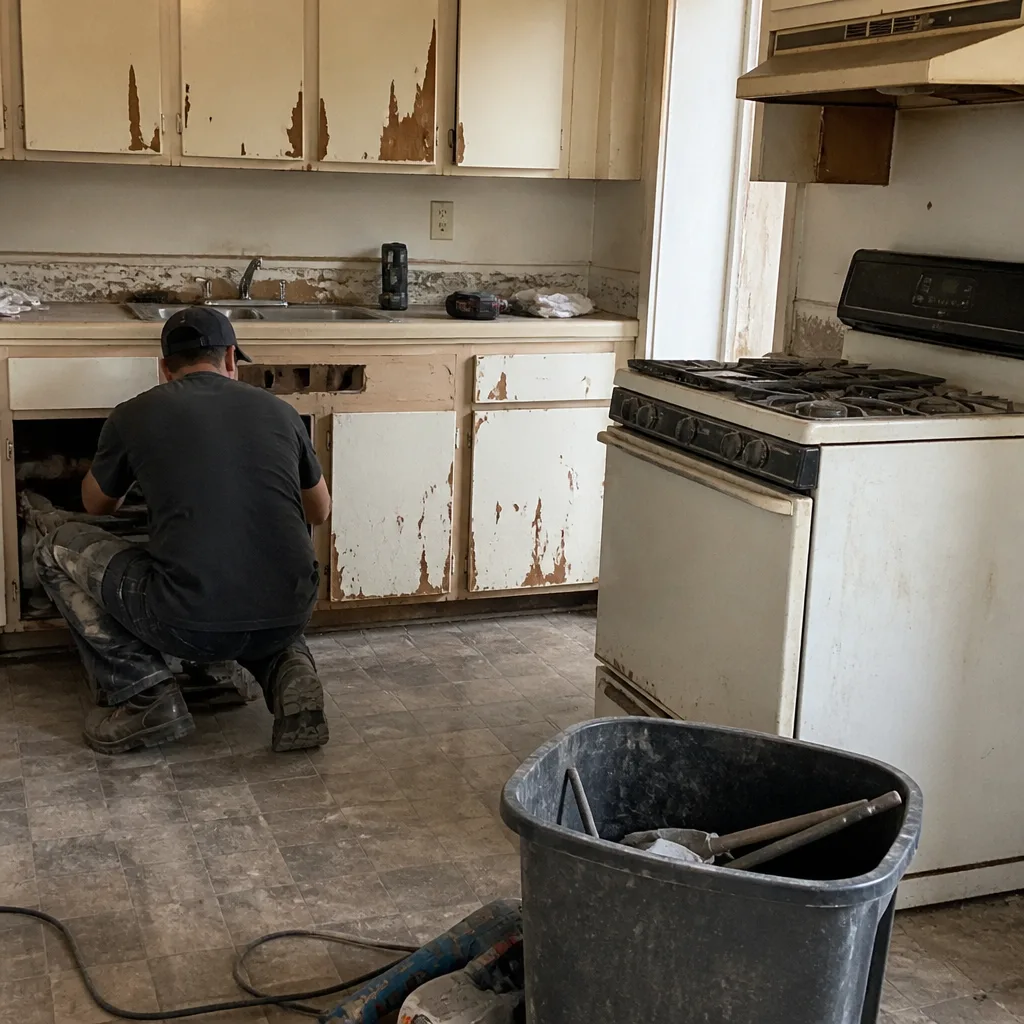 Before
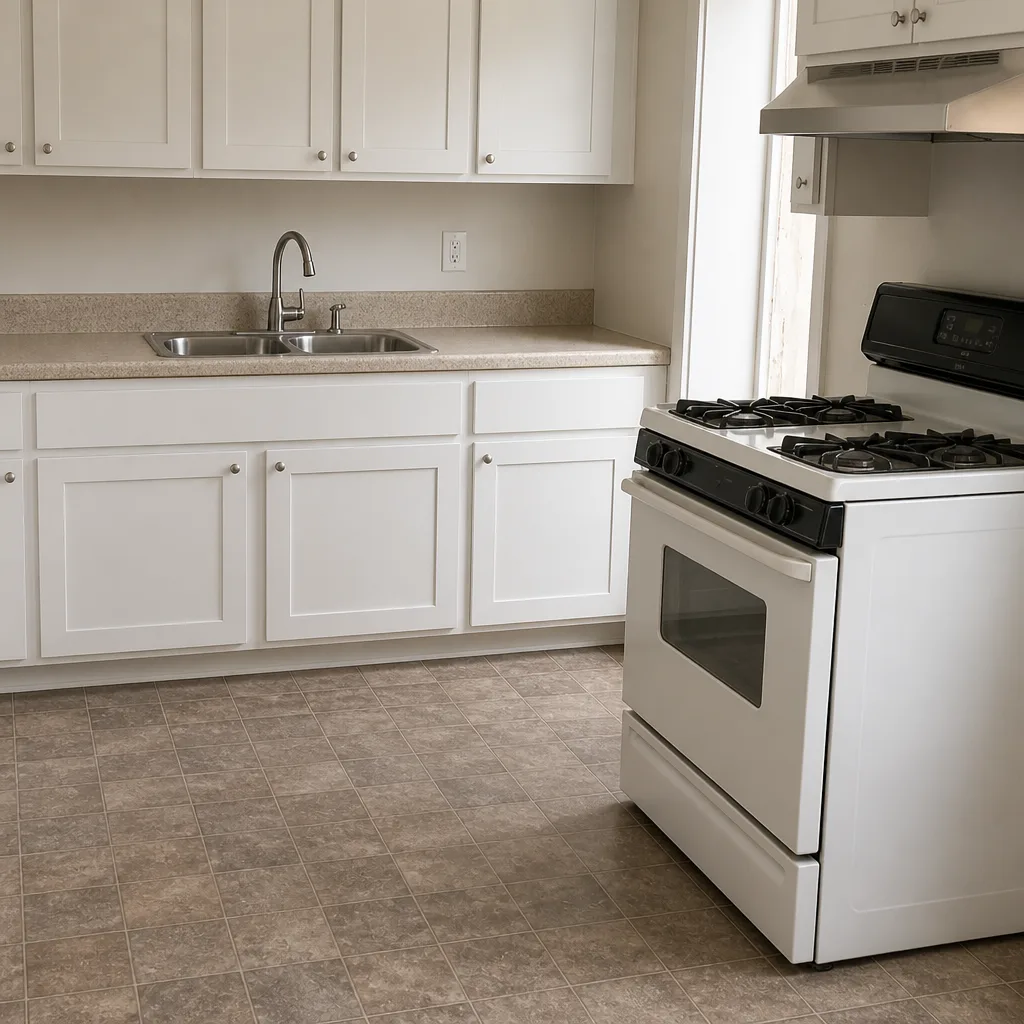 After
When to Call a Professional
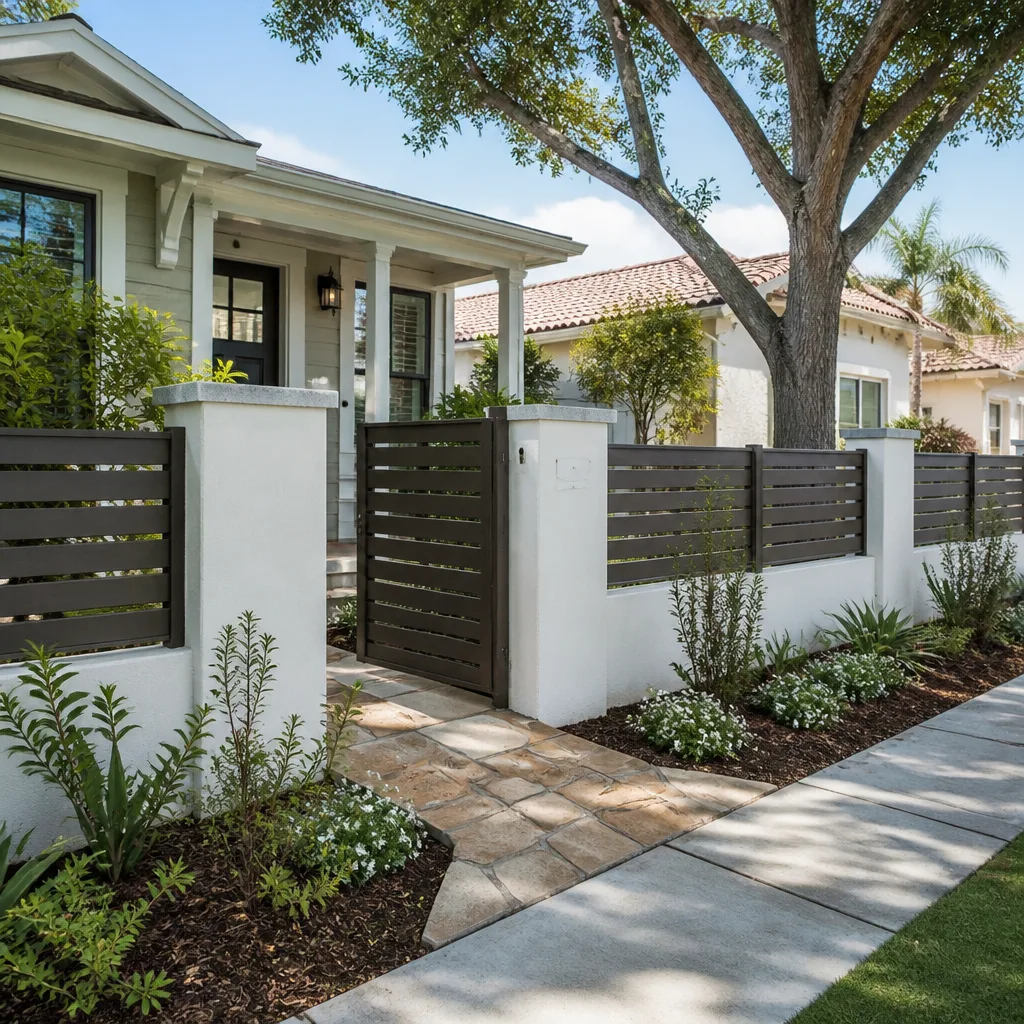
If your property line is unclear, if your yard has any real slope, if the fence is a block wall or involves a driveway gate, or if the run is over 150 feet, hire it out. On any of those scenarios, the DIY savings disappear after the first re-do, and the legal exposure on a boundary mistake is worse than any fence cost. We’ve also seen plenty of homeowners call us after they tried a panel fence on a slope and the panels racked themselves apart within a year.
Barrett & Sons Construction Garden Grove offers free estimates in Garden Grove. Call (833) 703-5196 for an upfront written quote with scope and materials in writing. Our technicians have up to 28 years of experience, and every eligible job includes permits pulled and inspections signed. That includes trusted code-and-bylaw coordination when a fence project overlaps with an addition, so if the new fence is part of a larger plan, our Home Additions & ADU in Garden Grove team can coordinate scope across both. You can also see our Barrett & Sons Construction Garden Grove home page for all trades.
Frequently Asked Questions
Yes, for panel fencing on flat ground with short runs, using basic tools and careful layout. It stops being safe when the site has slope, block work, a gate, or a disputed boundary line, and those are the cases where a pro is worth the money.
Generally 24 to 36 inches deep with a diameter roughly three times the post width, but the exact spec depends on fence height and site conditions. Noncompliance is the most common cause of fence failure we see, and getting it right the first time is cheaper than fixing it. Call (833) 703-5196 for a field-checked estimate if you’d rather not guess.
Often not for rear and side-yard fences up to 6 feet, but front-yard, corner-lot, and taller fences usually do. The safe answer is to check with the city before you build, and we’re happy to answer questions about permit scope on a free estimate call.
Typically $4,600 to $8,000 for a 100-foot wood privacy fence, depending on materials and site conditions. The price you get in writing should be the price on the bill, with any scope change in a written change order first. Call (833) 703-5196 for an exact quote on your property.
It becomes a boundary encroachment that can hold up a home sale, and moving it can cost thousands. This is the single most expensive fence mistake we’ve seen, which is why we confirm the line before any dig on every job.
Look for brands you can verify, like Barrette for vinyl and Master Halco for chain link. Real manufacturers publish materials and warranties; you should be able to look them up before you buy. We install premium brands across every trade we touch, and we name them on the quote.
The Bottom Line
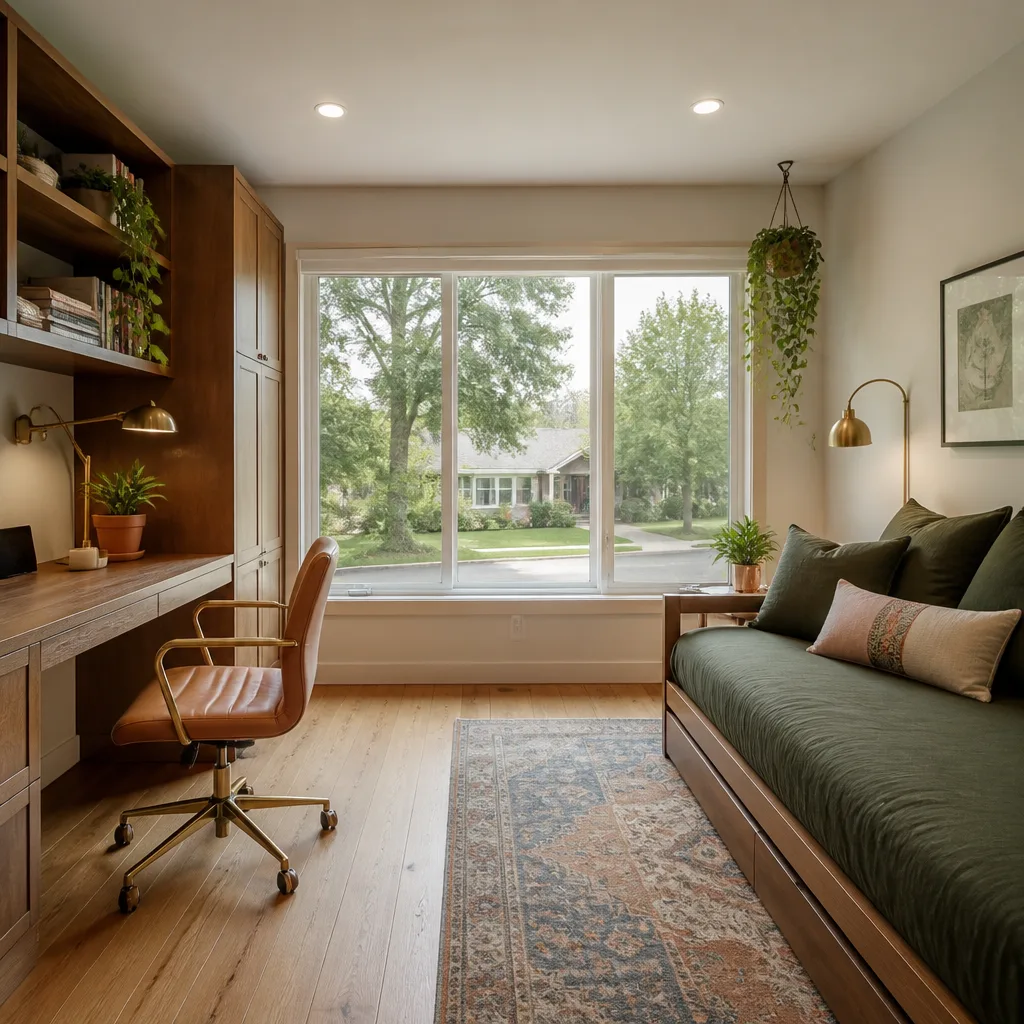
A wood or vinyl panel fence on flat ground is one of the more DIY-friendly exterior projects, provided you do the two things most homeowners skip: confirm the property line in writing and set the footings deep enough for a Southern California wind season. If your site has slope, a block wall, a gate, or any boundary question, the savings vanish and the risk climbs. When you’re ready to price the job, we’ll give you a written scope with materials named, permits pulled on eligible work, and a 90-Day Done Right Promise on the finished project. Call (833) 703-5196 for a free estimate, and we’ll talk through what’s actually safe to do yourself and what isn’t.
Written by the team at Barrett & Sons Construction Garden Grove.