Last updated November 18, 2026



Free written scope consultation - allowances, timeline, and change-order rules on paper before a single trade is scheduled
How Long Does Fence Installation Take? Timelines and What to Expect
Most wood fence panels take one to two days to install. The permit, the utility locate, the concrete cure, and the HOA stamp can add two to three weeks before that, and no reputable contractor skips those steps. That’s the part of fence installation nobody puts in the sales pitch, because “your fence is coming in ten days” doesn’t move a quote the way “we can start Monday” does. If you’re pricing a fence in Garden Grove, the honest answer to “how long does this take” depends on everything that happens before the first post hole gets dug. This guide lays out the real sequence, from the 811 call to the final walk-around, so you can plan around your life instead of around surprises.
Quick Answer
A typical residential fence installation takes two to four weeks from signed contract to finished fence. The digging and building part is usually one to three days for a standard 150-foot run. The rest is permit and HOA approval, utility marking, concrete cure time, and final inspection. In Garden Grove, count on closer to three to four weeks once you account for city permitting and 811 scheduling, especially in spring when the utility locate queue runs long.
Styles & brands we work with
- Kitchen remodeling
- Bathroom remodeling
- Home additions & ADU
- Roofing
- Windows & doors
- Driveway & pavers
- Fence
Table of Contents
- Why the “Two-Day Fence” Pitch Is a Red Flag
- Phase 1: Permit and HOA Approval
- Phase 2: Utility Marking and the 811 Call
- Phase 3: Post Setting and Concrete Cure
- Phase 4: Panel Installation and Gates
- Phase 5: Cleanup and Final Inspection
- What Legitimately Extends Your Timeline
- Best Case vs. Real World: A Side-by-Side
Why the “Two-Day Fence” Pitch Is a Red Flag
When a contractor tells you your fence goes up in two days and doesn’t mention the permit, the utility locate, or the concrete cure, ask what happens to that timeline. In our experience, the answer is that those steps either don’t get done or get rushed, and the homeowner finds out at resale or after the first Santa Ana wind event strips a post right out of green concrete. We’ve seen it in Garden Grove more than once: a fence that looked great for two summers and then listed hard during a winter rain because the posts were loaded the same day they were set.
The 24-to-48 hour cure is not a suggestion. Concrete needs time to reach a workable strength before you hang panels and gates on the posts. Load a post too early and you get a wobbly fence, a gate that drags, or a post that kicks out sideways under load. That’s not a small inconvenience. A fence that fails inspection or sags within the first year is a repair bill on top of the fencing cost you already paid.
The trade-off is simple. A contractor who tells you the real timeline is telling you the truth about everything else. A contractor who shaves days off the front end to win the job will shave corners on the back end. Barrett & Sons has been pulling permits on eligible jobs since 1998 for exactly this reason: the inspection record and the permit history protect you when the fence eventually gets looked at by a buyer’s inspector or a city code officer. Ask for a written scope that names the permit, the cure time, and the inspection, and watch which contractors flinch.
Phase 1: Permit and HOA Approval
Permits and HOA approval are the single biggest variable in your timeline, and they’re the step most homeowners completely underestimate. In Garden Grove, a fence permit typically runs one to two weeks if you’ve got clean plans and a straightforward property. Add another week to two weeks if your HOA has an architectural review committee, which many of the older planned communities around Garden Grove do.
Here’s what that phase actually involves:
- Confirm whether you need a permit. In Garden Grove, most fences at or below the standard height limit don’t require a permit, but taller fences, fences near a corner lot sight line, and fences along an alley or public right-of-way often do. A short call to the city’s building department settles it. A contractor who doesn’t make that call is guessing with your money.
- Submit the HOA architectural request. Most HOAs want fence height, material, color, and a simple drawing. Read the CC&Rs before you sign a fence contract, not after. We’ve seen homeowners wait three weeks on an HOA approval that gets denied because the fence color didn’t match the approved palette.
- Pull the permit if required. If the fence needs a permit, the city wants to see the plans and will schedule an inspection after installation. The permit covers basic structural soundness, footing depth, and height compliance with the zoning code.
- Wait on the stamp. HOA approvals usually come back in 10 to 14 days. City permits in Garden Grove are often faster, but they can stretch during peak season.
The reason to pull the permit is not to satisfy the city. It’s to protect you at resale. When you go to sell a Garden Grove home, a buyer’s inspector will look at the fence line and ask for the permit. An unpermitted fence can trigger a correction notice, a re-inspection, or a negotiated price reduction. Pulling the permit up front costs a few hundred dollars and removes a future line item from the negotiation table. The permit inspector works for you, not for the contractor. That’s why we like him.
Phase 2: Utility Marking and the 811 Call
The 811 call (the national “call before you dig” line) is free, it’s mandatory before any excavation in California, and it takes two working days for the utilities to mark the ground. If a contractor skips this step, they’re gambling with a gas line, a water main, or an electrical conduit that runs through your yard, and in Garden Grove, plenty do. Older properties around the Historic Main Street district and the neighborhoods near Garden Grove Park frequently have utility lines running in places that don’t match the plat map.
Here’s how the utility marking phase runs:
- Day 1: We place the 811 request. The utilities have 48 hours to respond.
- Day 2 – 3: Utility crews come out and paint or flag the ground where the lines run. Gas, electric, water, and telecom each mark separately.
- Day 3 – 4: We walk the fence line with the marks in front of us and adjust post placements so nothing lands on top of a utility.
- Day 4 – 5: Post holes get dug. If we found a line where we didn’t expect one, this is where the plan changes.
The 811 request is not a formality and it’s not something you can do the morning of the dig. It takes real calendar days. In spring, when every contractor in Orange County is digging, the two-day turnaround can stretch to three or four days. We plan for that. If your job requires moving a post five inches to clear a line, doing it before the concrete pours costs nothing. Doing it after costs a repair and a delay. Pulling the 811 ticket isn’t optional, and any contractor who tells you otherwise isn’t one you want near your gas main.
Phase 3: Post Setting and Concrete Cure
Post setting is where the fence actually begins to take shape, and it’s where the two-day contractors try to cheat. Each post goes in a hole that’s typically 24 to 36 inches deep depending on your soil and the fence height. The hole gets filled with concrete, the post gets set plumb, and then the whole thing has to sit. The minimum cure before you can load panels and gates onto a post is 24 hours, and 48 hours is safer. We do 48 hours and don’t apologize for it.
What happens if a contractor loads posts on the same day they’re set? In Garden Grove, the answer depends on soil. Most of the city sits on decent draining soil, but there are pockets of expansive clay, especially out toward the eastern edges of town near the Santa Ana River channel and in older developments built on fill. Expansive clay moves with moisture, and a post that gets loaded wet will move with it. The fence leans, the gate stops latching, and you’re calling someone back within a year. Barrett & Sons won’t do that to a Garden Grove homeowner.
Cure time also gives you the window to inspect the post placement and line-of-fence before the panels go up. A post that’s a half-inch out of line looks fine until the panels go up and the run bows. Catching it at the cure stage costs a reset. Catching it after the panels are hung costs the entire section.
Phase 4: Panel Installation and Gates
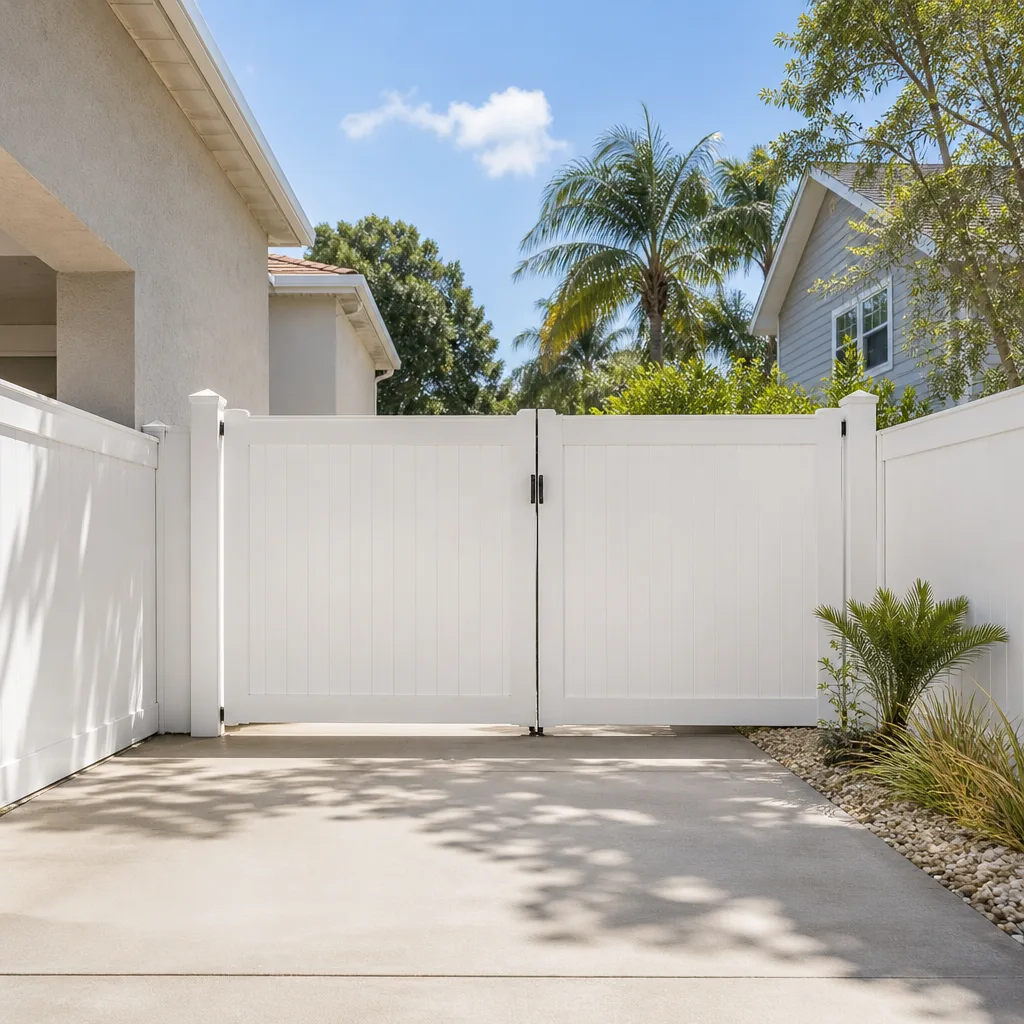
Once the posts have cured, panel installation is fast. A two-person crew can hang 100 to 150 linear feet of standard wood or vinyl fencing in a single day. On a 150-foot property line, panel installation typically takes six to eight hours of working time. Add another two to four hours for a gate, depending on hardware.
Gate installation is where the timeline can quietly stretch. Standard gate hardware is usually on the truck or available same-day from a supplier. Custom gates, ornamental iron, and heavy-duty automated gate openers can run one to three weeks of lead time depending on the manufacturer and finish. If you’re planning an Andersen or Marvin door addition along the fence line at the same time as the fence, coordinate the delivery windows so they don’t collide. We coordinate this routinely on Garden Grove jobs where a homeowner is finishing a backyard upgrade in one push, and the fence line often wraps around a new patio or hardscape build. If your fence job is part of a larger outdoor project, it’s worth reading our page on Driveway & Pavers in Garden Grove to understand how the trades sequence together.
For a standard 150-foot cedar or pine privacy fence in Garden Grove, the panel phase is one full working day plus a gate. If we’re replacing a chain link with wood or upgrading to vinyl, the demolition and haul-off happens first, and that’s covered in the next section.
Phase 5: Cleanup and Final Inspection
The fence is finished when the last panel goes up, but the job isn’t done until cleanup and, if a permit was pulled, a final inspection. Cleanup typically takes a half-day. That means hauling off the old fence if there was one, sweeping the property line, pulling up any stakes and flagging from the utility locate, and walking the finished fence line with the homeowner to confirm everything matches the written scope.
Final inspection, when the permit requires one, usually schedules within three to seven business days after you call. The inspector checks footing depth, post spacing, fence height, and setback from the property line. If it passes (and it should, if the job was done to the permitted plan), the inspection gets signed off and the permit gets closed out on the city record. If it doesn’t pass, corrections get called out and need to be fixed before re-inspection. That’s a week or more of extra calendar time, and it’s the reason to hire a contractor who understands the inspection criteria before the first post goes in.
The 90-Day Done Right Promise covers the finish work. If anything on the fence line isn’t right – a gate that drags, a board that gaps, a panel out of plumb – one call brings us back. That’s written on the contract, not buried in fine print.
What Legitimately Extends Your Timeline
Some of these are predictable and some aren’t, but all of them are real. If any of the following applies to your job, add the corresponding time on top of the base two-to-four-week schedule.
- Expansive clay soil. Parts of Garden Grove sit on clay that swells with moisture. Posts may need deeper footings or a gravel base, adding one to two days to the post-setting phase. We probe the soil before we quote so this doesn’t surprise you mid-job.
- Slope. A flat lot means straight posts on a shared line. A sloped lot, which is common in the neighborhoods backing up to the river channel, means stepped panels or racked panels with custom cuts. Add a half-day to a full day for anything steeper than a 2:1 grade.
- Old fence demolition and haul-off. If there’s a fence to remove, add one full day. Wood gets hauled to the transfer station, vinyl and chain link often get recycled. Old fence demo occasionally reveals rotted footings or unexpected concrete that needs breaking out, which adds time.
- Property line disputes. If you’re not certain where the property line sits, it needs a survey before the first post goes in. A survey runs one to three weeks depending on the surveyor’s backlog. Never let a contractor set posts on a line you’re not sure of, because the correction cost falls on you.
- Custom gate hardware. Ornamental iron gates, automatic openers, and out-of-stock finishes can add one to three weeks of manufacturing and delivery lead time.
- HOA architectural review. Most HOAs run 10 to 14 days. Some run three weeks. Call the HOA before you sign a fence contract, not after, and ask how long the committee takes to meet.
Each of these is predictable and each of these can be planned around. The trouble comes when a contractor quotes you a flat timeline without asking the soil, the slope, the HOA, or whether there’s a survey on file. Compare that to the process on our Fence Installation in Garden Grove page, where every one of these variables gets named in the written scope before a dollar gets committed.
Best Case vs. Real World: A Side-by-Side
Here’s what the timeline looks like on two versions of the same job, so you can see where the time actually goes. Both are 150-foot cedar privacy fences in Garden Grove. One is a clean install with no complications, the other is the kind of job we see more often.
Best Case: Clean 150-Foot Cedar Fence
- Day 1: Signed contract, written scope, deposit collected. 811 request placed.
- Day 3: Utility marks come back clear. No conflicts.
- Day 4: Post holes dug, posts set in concrete.
- Day 6: Concrete cured. Panels hung, gate installed. Demolition of old chain link and haul-off completed same day.
- Day 7: Final cleanup and walk-around with homeowner.
- Total elapsed time: 7 to 10 calendar days if no permit is required and no HOA is involved.
Real World: Same Job With a Slope, an HOA, and a Property Line Question
- Day 1-3: Signed contract. HOA architectural request submitted. Property line survey ordered because the existing fence runs three inches into the neighbor’s yard.
- Day 7-10: HOA approval comes back. Survey completed. Fence line confirmed.
- Day 10: 811 request placed. City confirms a permit is required due to the height of the fence in the rear alley easement.
- Day 14: Permit pulled. Utility marks back.
- Day 15-17: Post holes dug with deeper footings on the sloped portion. Posts set, stepped panels planned.
- Day 19: Concrete cured. Panels and stepped panels hung, gate installed.
- Day 24: Final inspection scheduled and passed. Permit closed out.
- Total elapsed time: 24 to 28 calendar days.
Same fence. Same city. Two very different calendars. The difference between seven days and 28 days isn’t how fast the crew works. It’s how many of the steps before the dig actually apply to your property. Any contractor quoting you a number without asking these questions is quoting a number that won’t hold.
Common Mistakes to Avoid
- Letting the contractor skip the 811 call. It’s free, it’s mandatory, and skipping it risks a gas line hit in a Garden Grove yard that doesn’t match the plat map. If the contractor says “we know where the lines are,” get a different contractor.
- Signing before the HOA reviews the plan. Homeowners in Garden Grove HOA communities regularly sign a fence contract, pay a deposit, and then get the fence color denied. Read the CC&Rs first, submit the architectural request first, then sign.
- Letting panels go up on green concrete. It’s the single most common shortcut we see on quick-turn jobs. A fence that looks fine for a year and leans in year three wasn’t built right.
- Skipping the permit to save time. An unpermitted fence is a problem at resale, and a future buyer’s inspector will find it. Pulling the permit adds a week up front and removes an unknown from the closing table.
- Setting posts on an unconfirmed property line. If you and the neighbor disagree about where the line runs, the survey comes first. A fence moved six inches is a fence torn down and rebuilt.
- Quoting the job by phone without seeing the slope. Grade changes in Garden Grove yards often run more than the homeowner expected. A phone quote that doesn’t account for a slope isn’t a quote, it’s a guess.
- Accepting a verbal price change mid-job. Every scope change, every allowance change, and every material substitution should arrive in writing as a change order before the work happens. The allowance that isn’t on paper is a surprise waiting for a date.
See the difference
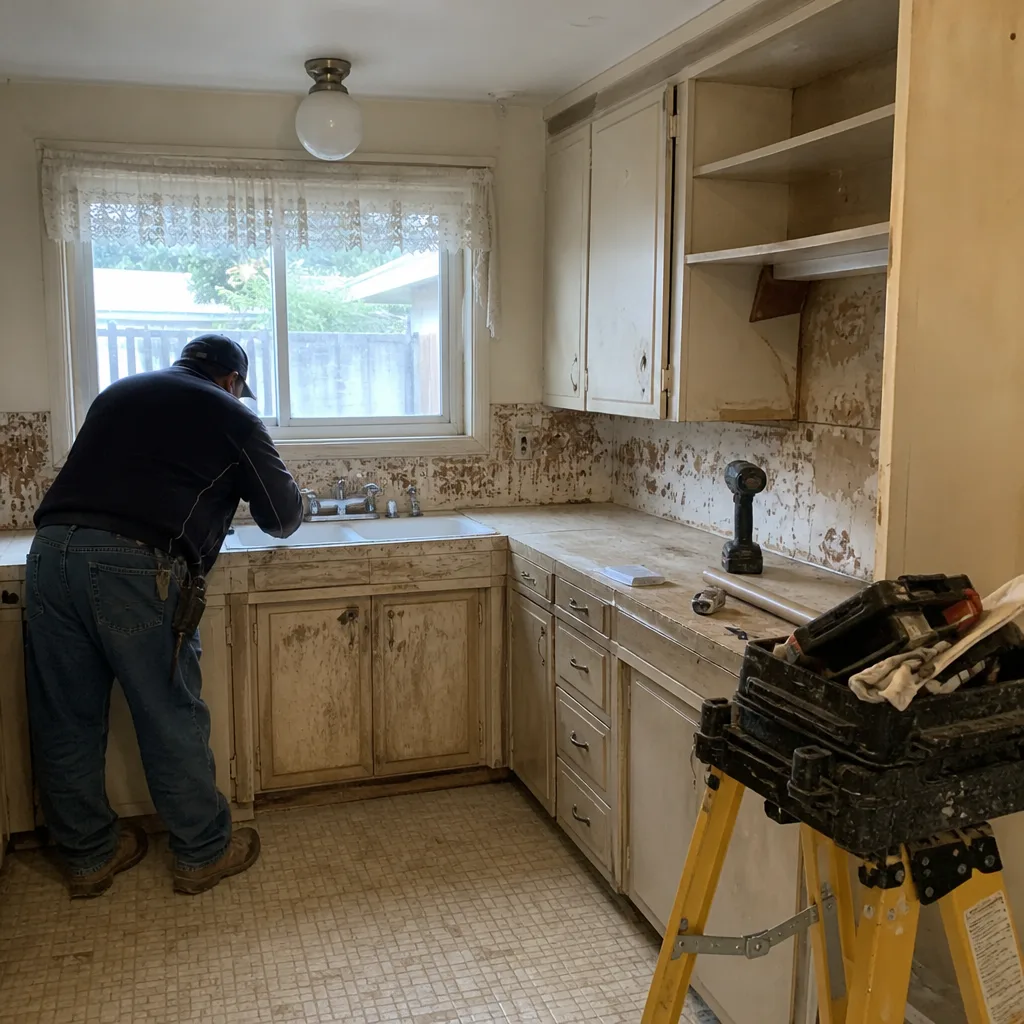 Before
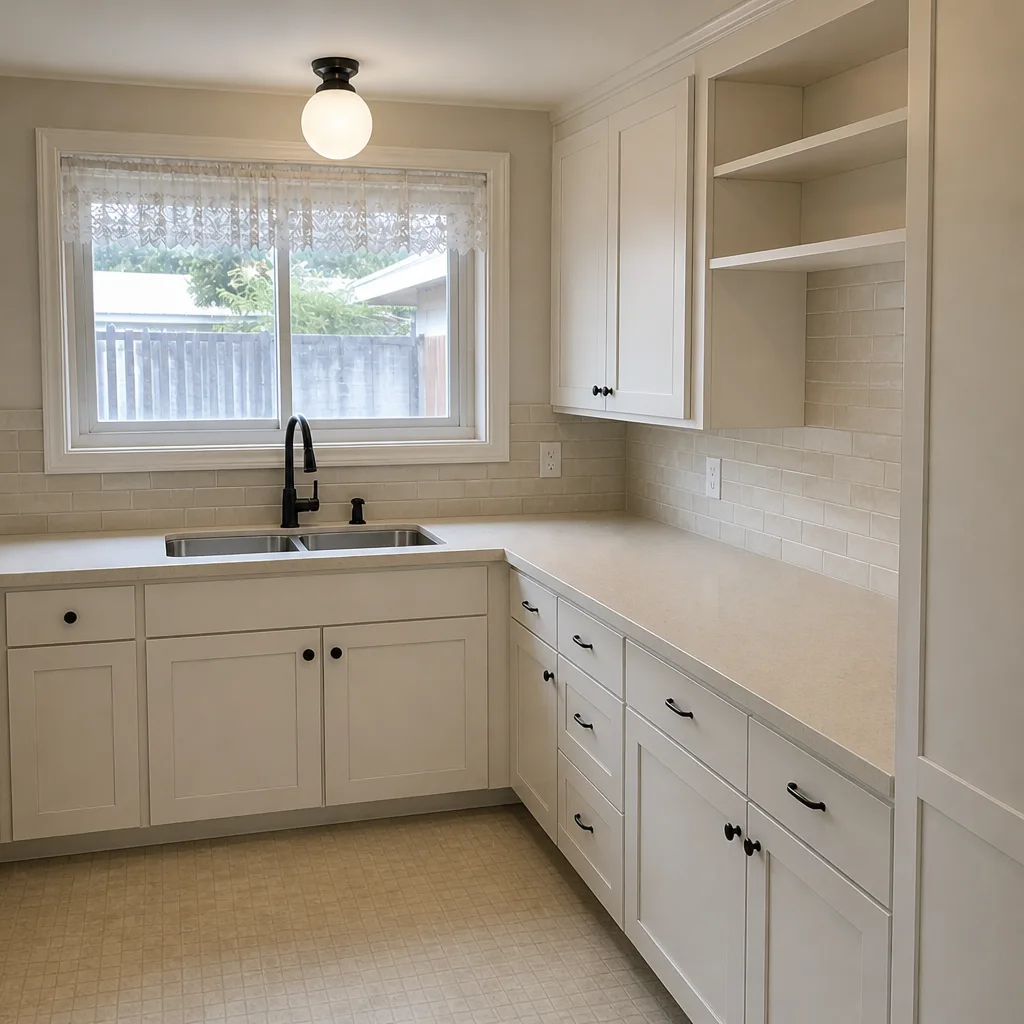 After
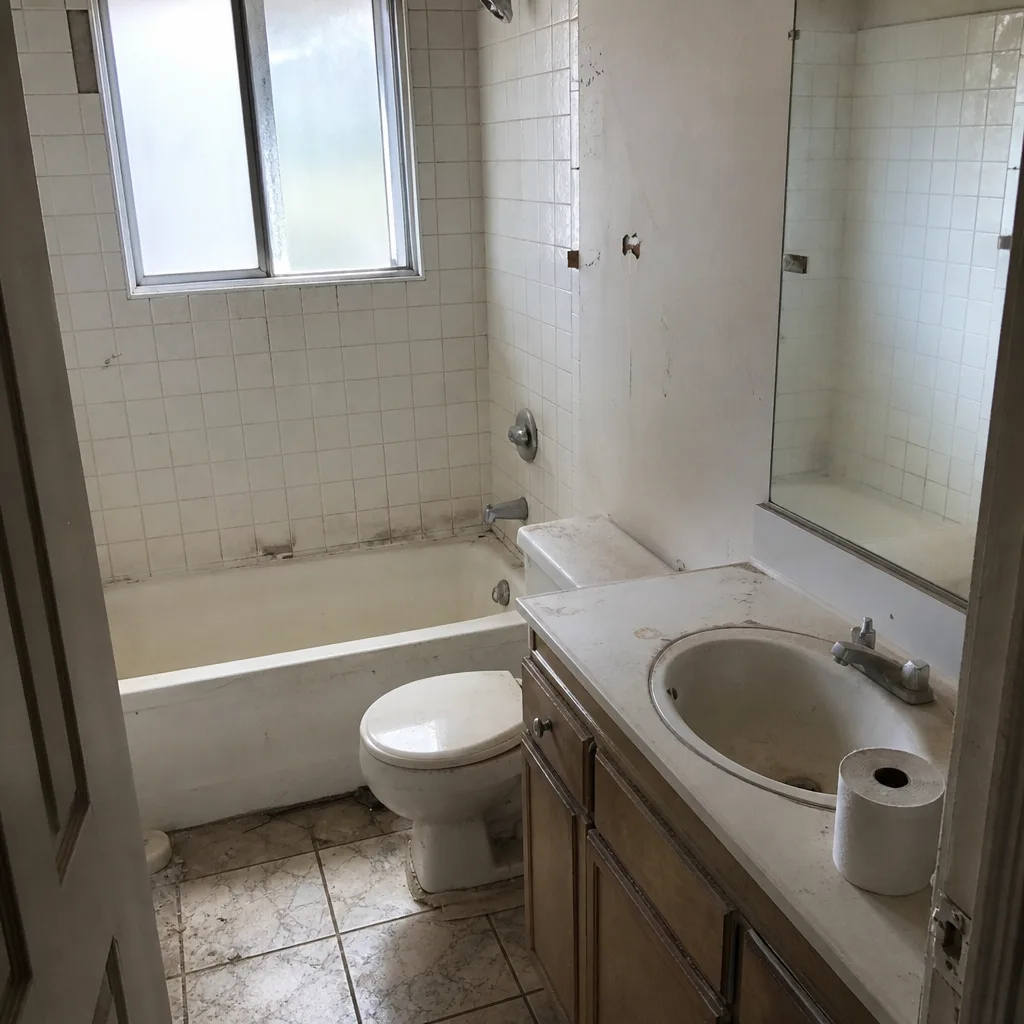 Before
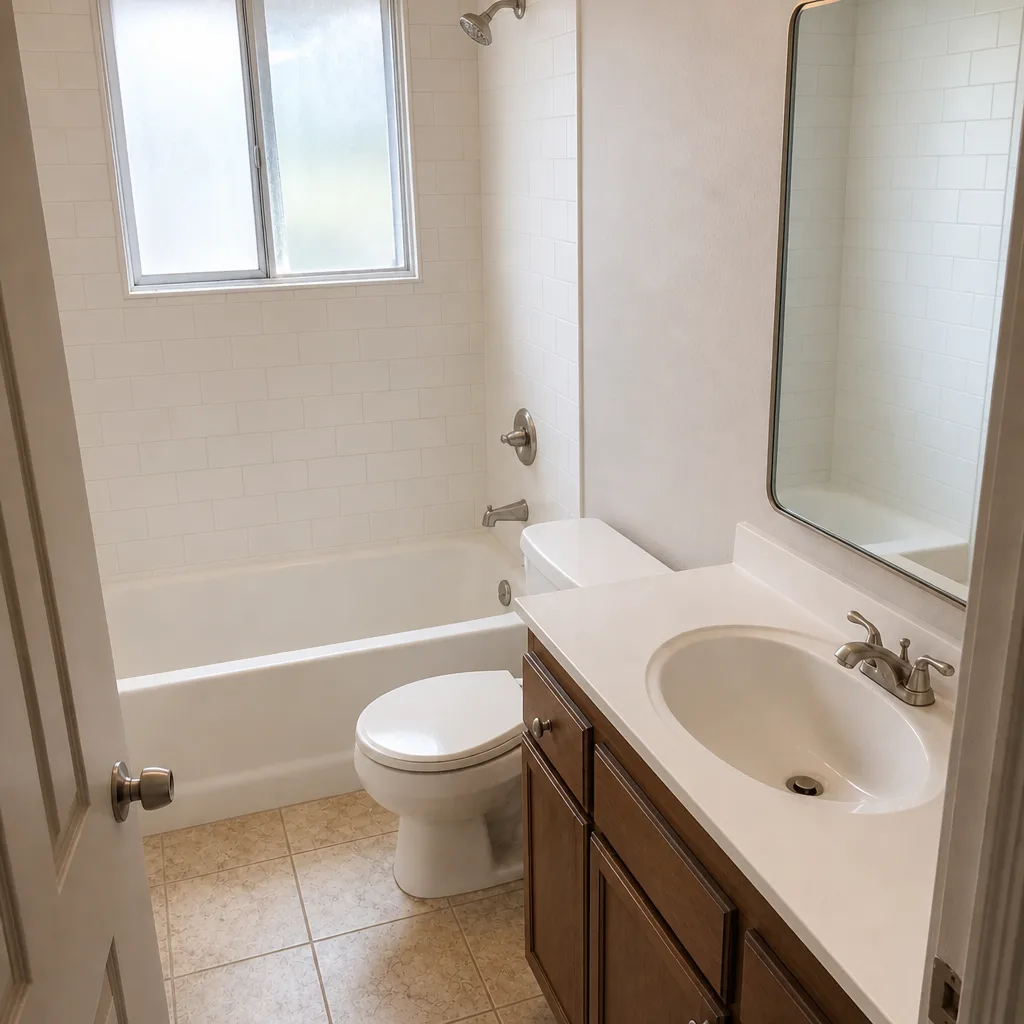 After
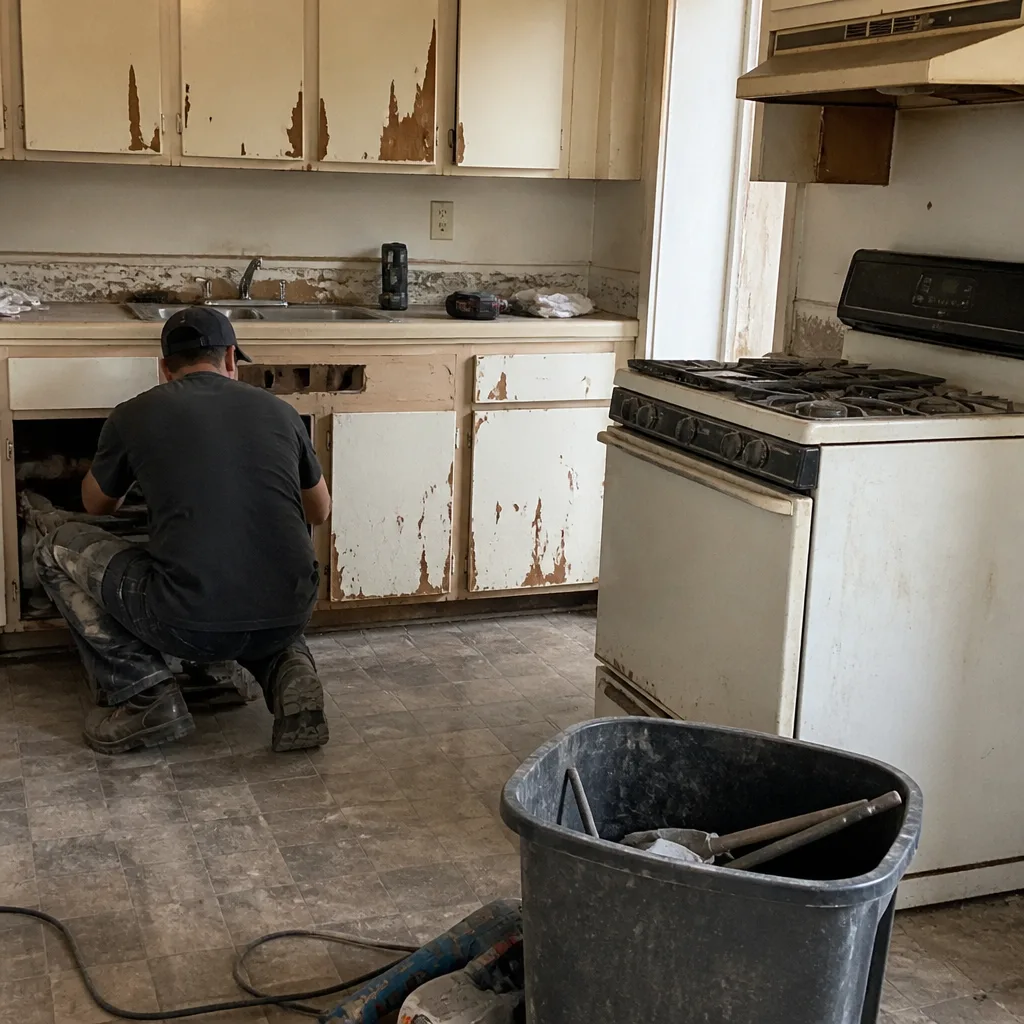 Before
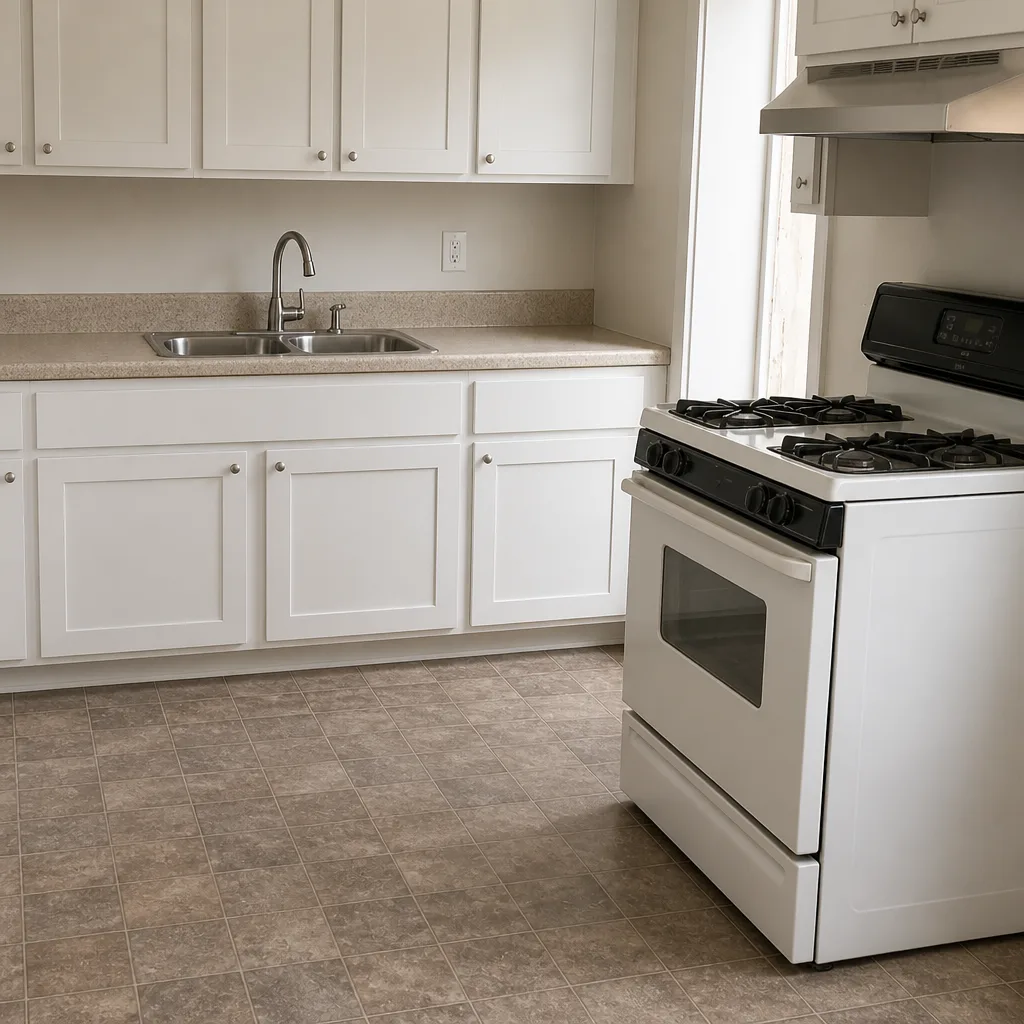 After
When to Call a Professional
Some fence jobs are genuinely DIY. A short run on flat ground with no utilities nearby and no permit requirement is fair game for a handy homeowner with a post-hole digger and a weekend. But most Garden Grove fence jobs involve something that turns a weekend project into a multi-week risk: a utility line in an unexpected place, an expansive clay layer, a slope that requires stepped panels, an HOA that wants a specific color, or a property line that hasn’t been formally surveyed. Add a permit requirement and an inspection on the back end, and the math starts favoring a contractor who does this every week.
Barrett & Sons Construction Garden Grove offers free estimates in Garden Grove – call (833) 703-5196. We come out, walk the line with you, check the soil and the slope, confirm the permit and HOA situation, and put the whole plan in writing before a dollar gets committed. If the fence is part of a larger backyard project, we’ll help you sequence it against the other work so nothing collides. Quality fence work isn’t the fastest work, it’s the work that holds up. We’re happy to show you both.
Frequently Asked Questions
A standard 150-foot residential fence in Garden Grove takes two to four weeks from signed contract to finished fence. The panel installation itself is usually one to three days, but permit approval, HOA review, the 811 utility locate, and the 24-to-48-hour concrete cure add most of the calendar time. For an exact timeline on your property, call (833) 703-5196 for a free estimate.
Some fences in Garden Grove need a permit and some don’t, and it depends on the height, the location on the lot, and whether the fence runs along a public right-of-way or easement. The safest move is to call the city building department before you sign a contract. A reputable contractor makes that call for you. Call us at (833) 703-5196 and we’ll confirm the permit situation for your address.
Concrete needs 24 to 48 hours to reach enough strength to hold a post plumb under the load of panels and a gate. Loading a post on green concrete causes leaning, sagging gates, and posts that kick out under wind load within the first year or two. We wait 48 hours and don’t rush it. Call (833) 703-5196 for a written scope that names the cure time explicitly.
Adding demolition and haul-off to a fence job usually adds one full working day to the schedule. Old wood goes to the transfer station, chain link and vinyl often get recycled, and rot or unexpected concrete footings under the old line occasionally add another day. Call (833) 703-5196 and we’ll include demo and haul-off in the written scope so there’s no surprise line item at the end.
The 811 call is free, it’s required before any excavation in California, and it takes about two working days for the utilities to mark the ground. It can stretch to three or four days in spring when every crew in Orange County is digging. If a post needs to shift a few inches to clear a line, that adjustment happens before the concrete pours. Call (833) 703-5196 to get your 811 timeline on the schedule.
Yes, and it should be in writing when it does. At Barrett & Sons, every scope change, every allowance change, and every price change arrives as a written change order before the work proceeds. If we find rotted footings, an unexpected utility line, or a larger slope than the plan called for, you get a written update, not a surprise invoice at the end. Call (833) 703-5196 to start with a free written estimate.
The Bottom Line
The fence itself goes up fast. A 150-foot install is one to three working days with a full crew. But the permit, the HOA approval, the 811 utility locate, and the concrete cure add two to three weeks before that first post goes in, and skipping any of those steps is what separates a fence that lasts twenty years from one that leans in year three. In Garden Grove, plan for two to four weeks on a clean job, and add a week or two if you’re dealing with a slope, an HOA review, a survey, or an old fence that needs to come down. The contractors who tell you the real timeline are the ones you want standing in your yard. For the rest of your project, start from our Barrett & Sons Construction Garden Grove home page, and if the fence is part of a larger build, look at our work on Home Additions & ADU in Garden Grove for how the phases sequence across a whole-project timeline.
Get a Written Fence Timeline for Your Property

Estimates are free. Call (833) 703-5196 and we’ll come out, walk the line with you, check the soil and slope, confirm the permit and HOA situation, and put the entire schedule in writing before a dollar gets committed. Written scope, written allowances, written change orders if anything changes mid-job, and the 90-Day Done Right Promise on every fence we install. Backed by up to 28 years of experience on our crews and the same name on the truck that will be at your curb. If the job involves windows and doors along the fence line as part of the same build, we carry ECO Window Systems, Therma-Tru, and ViewLux and can coordinate the delivery schedule with the fence install so nothing sits in the yard.
Ask anyone on your street. Or look up the license number yourself before you sign anything. That’s the Barrett & Sons way, and it’s been the same way since 1998.
Written by the team at Barrett & Sons Construction Garden Grove.