Last updated November 18, 2026

Free written scope consultation - allowances, timeline, and change-order rules on paper before a single trade is scheduled
Home Additions & ADU Warning Signs Every Homeowner Should Know
If your contractor is moving faster than the inspection schedule allows, he’s either skipping inspections or covering work that hasn’t been inspected yet – and both of those are your problem, not his. That’s the hard truth about additions and accessory dwelling units. The corners get cut where you can’t see them: inside the wall cavity, under the slab, and in the permit file. You find out when the inspector flags it, when the structure starts to move, or when a buyer’s agent asks to see the finaled permits. This guide walks you through the warning signs at every phase of an addition or ADU in Garden Grove, so you can catch trouble while it’s still cheap to fix.
Quick Answer
The biggest warning signs of a bad addition or ADU contractor are: work moving ahead of inspection milestones, no posted permit card, resistance to written change orders, unlicensed or unbonded subcontractors on site, and draw requests made before the work is actually done. Any one of these is a reason to stop and ask questions. Two or more together is a reason to get a second opinion on the estimate before you sign.
Styles & brands we work with
- Kitchen remodeling
- Bathroom remodeling
- Home additions & ADU
- Roofing
- Windows & doors
- Driveway & pavers
- Fence
Table of Contents
- The Inspection-Pace Test
- Written Change Orders: The California $500 Rule
- The Permit Card Display Requirement
- Subcontractor Red Flags
- Financial Warning Signs: Draws, Invoices, and Deliveries
- Structural and Site Warning Signs
- ADU-Specific Warning Signs
- Garden Grove Site Conditions That Magnify Problems
The Inspection-Pace Test
A legitimate addition cannot move from rough framing to insulation to drywall without three separate passed inspections in between. In Garden Grove, that’s a foundation inspection before the pour, a framing inspection before anything gets covered, and a rough-in inspection covering electrical, plumbing, and mechanical before insulation goes in. There’s usually a fourth for the final once the job wraps. That’s the schedule, and it’s not negotiable.
Here’s the test. Ask your contractor, in writing, when the next inspection is scheduled. If he can’t give you a date, or if his answer is “we don’t need one for that part,” you’ve learned something. A contractor who tries to “get ahead” of the inspection schedule – getting the drywall stacked in the room while the framing inspection hasn’t happened yet – is telling you he intends to cover work that hasn’t been signed off.
The permit inspector works for you, not for the contractor. Every passed inspection is a documented safety check on a structure you’ll live in for decades. When a builder dismisses that, he’s dismissing the only independent set of eyes on the job.
- Green flag: contractor tells you the inspection date before you have to ask, and the schedule includes wait time for the inspector.
- Yellow flag: contractor says inspections “slow us down” but does them anyway.
- Red flag: drywall or stucco going up while framing hasn’t been inspected, or the contractor claims a permit isn’t required for a “small” addition.
Written Change Orders: The California $500 Rule
Under California Business and Professions Code section 7159, any change to a home improvement contract over $500 must be in writing, signed, and dated before the work happens. That’s not a nicety. It’s the law, and it exists because verbal agreements on additions turn into disputes that cost homeowners far more than the change would have.
When you ask a contractor for a written change order and he says “oh, we’ll just adjust it at the end” – or worse, “we don’t do that for small stuff” – he’s telling you one of two things. Either he doesn’t know the rule, or he’s planning to surprise you later. Neither is a good sign on a project that will run into six figures in Garden Grove.
An allowance that isn’t on paper is a surprise waiting for a date. Every scope item, every material upgrade, every allowance for tile or fixtures or windows should be spelled out before the first nail goes in. When a change does come up – and on additions, something always does – the change order should state what’s changing, what it costs, and how it affects the schedule. If the contractor resists putting any of that in writing, walk.
- Ask for the change order policy in writing before you sign the contract.
- Require that every change – even a $300 one – land in writing before the crew starts on it.
- Never accept a “we’ll settle up at the end” arrangement on an addition or ADU.
- Keep every signed change order in the same folder as your contract and permit.
The Permit Card Display Requirement
Active permits must be posted on site in California, typically in a window or a prominent spot near the front of the property. That’s not a minor clerical matter. The permit card is the physical proof that a permit exists, that inspections have been recorded, and that your addition is on the city’s radar.
If you walk onto your job site and can’t find the permit card, ask for it that day. A contractor who can’t produce the card – or who waves his hand and says “it’s in the truck” every time you ask – is telling you no permit was pulled. On a Garden Grove addition, an unpermitted structure is a knot you do not want to untie later. It can block a sale, trigger a code enforcement action, and force you to open finished walls for retroactive inspection.
Garden Grove permits go through the city’s Building Division, and additions and ADUs there involve plan review before the first inspection. That plan review protects you, because it forces the structural, electrical, and life-safety details onto paper before anyone touches the dirt.
Subcontractor Red Flags
Most additions in Garden Grove get built by a general contractor plus a handful of subcontractors: foundation, framing, electrical, plumbing, HVAC, drywall, stucco, roofing, and finish. The general contractor’s job is to manage that crowd. If he can’t, you’re the one who ends up managing it, and you’re the one who ends up paying for the mistakes.
Three specific subcontractor warnings matter most:
- Unlicensed subs on electrical or plumbing. These trades require a licensed contractor in California. Unlicensed electrical work inside a wall cavity is dangerous and will usually fail inspection – assuming the inspector ever sees it.
- Subs who show up without a scope. If the electrician arrives and doesn’t know what was agreed with the general contractor, you’re headed for a change order that isn’t your fault. Every sub on the job should know the job.
- No workers comp certificates. Ask for the certificate of insurance and workers comp coverage for every sub who comes on site. If a crew member is injured on your property and there’s no coverage, that’s a problem with your name on the paperwork.
Background-checked crew members who carry the company name are the baseline, not the bonus. Ask who’s coming, ask for the certificates, and don’t accept “don’t worry about it.”
Financial Warning Signs: Draws, Invoices, and Deliveries
Money is where stalled jobs announce themselves early, if you’re watching. A draw schedule should follow completed, inspected milestones, not sit out ahead of them. If a contractor asks for the second draw before the foundation is poured, or the third before the framing inspection, he’s financing his other jobs with your money. When those other jobs fall behind, yours sits.
Three financial patterns predict a stalled project:
- Draws ahead of milestones. Money should land when a phase is finished and preferably when it’s at least been inspected. Advances beyond that are an advance of risk, not value.
- No supplier invoices on request. Any legitimate contractor can produce a lumber yard invoice, a concrete supplier invoice, or a window manufacturer order confirmation. If asked and he can’t, he isn’t buying the materials you think you’re paying for.
- Materials arriving in dribs and drabs. A framing package should arrive as a framing package. If lumber shows up in three loads over two weeks with no obvious reason, the contractor is buying on account and paying as he goes – which means your job stalls when he can’t.
None of this is about being suspicious by temperament. It’s about knowing what a healthy cash flow on an addition looks like – and catching a stalled job while there’s still time to change course.
Structural and Site Warning Signs
You don’t need a structural engineer’s eye to spot the structural warning signs on a new addition, but you do need to know what to look for during the build. The good news is that most of these problems announce themselves before they get expensive.
- Cracks in the new foundation slab within the first week. Small hairline cracks at curing are common. Cracks wider than a credit card running to a corner are not – that’s a sign of a pour problem, missing control joints, or soil prep that was skipped.
- Framing lumber that looks wet or warped. Green lumber installed wet will move after drywall. In Garden Grove’s climate, that produces screw pops, taped seams that split, and doors that no longer close – within a year, not in ten.
- No hold-downs or strapping visible at the framing inspection. In California’s seismic code, the connection between the addition and the existing house matters as much as the connection between the addition and the ground.
- Roof tie-in done as an afterthought. Look up at the roofline where new meets old. If the flashing and the tie-in look improvised, water will find it.
For perspective on how the finished work should look when the structural details were handled right – our breakdown of Home Additions & ADU in Garden Grove covers what a properly built addition involves, from the permit stage through final inspection.
ADU-Specific Warning Signs
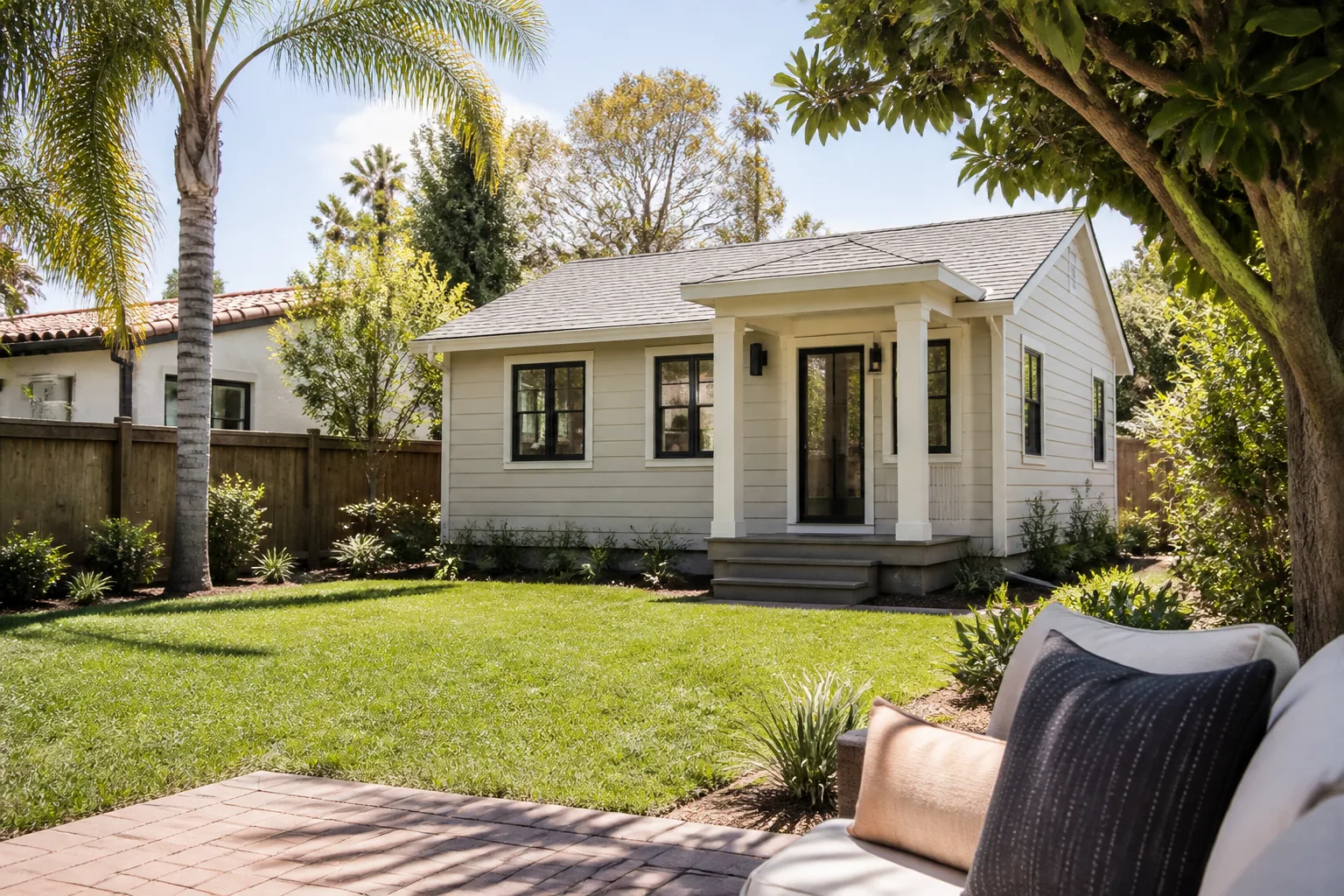
Detached ADUs on Garden Grove lots come with their own set of red flags because they involve a separate structure with its own utilities, its own setbacks, and its own inspection sequence. The garden-variety mistakes get magnified.
Watch for these:
- Site plan that doesn’t match the setbacks. Garden Grove has specific rear and side yard requirements for detached ADUs. If the plan shows the structure too close to a property line, the plan reviewer catches it and the whole build pauses for a redesign.
- Utility trenching without a plan. Water, sewer, electric, and gas all run to a detached ADU. Trenching before the utility locations are confirmed with the city is a way to dig twice.
- Prefab unit delivered without the pad ready. Manufacturers like Abodu and Cover deliver finished units on scheduled dates. If the foundation pad isn’t poured, inspected, and ready when the unit arrives, you’re paying for storage, a crane that came twice, and a schedule that slips a month.
- Missing energy code details. California’s Title 24 applies fully to ADUs, and inspectors check insulation, windows, and HVAC sizing to the letter. Cheap windows installed without the required ratings is a documented fail – and it will happen after the walls are closed.
If you’re lining up other exterior work at the same time, our team covers Driveway & Pavers in Garden Grove and Fence Installation in Garden Grove separately – both are usually coordinated around an ADU build to protect the site and the sight lines.
Garden Grove Site Conditions That Magnify Problems
Garden Grove sits on a mix of soils that behave differently lot to lot. Some of the older residential blocks – around the neighborhoods off Garden Grove Boulevard and up near Chapman – have clay-heavy soil that swells with moisture in the wet months and shrinks in the dry ones. On a new addition, that movement shows up at the foundation first: a pad that met spec in June can develop corner cracks by November if the soil preparation was rushed.
Two things to ask about before the concrete pours: what soil report the engineer is designing from, and how the pad is being tied to the existing house. On older Garden Grove homes – and there are plenty of 1950s and 1960s builds here – that tie-in is where addition problems usually begin, because the original foundation wasn’t designed for a load transfer.
The other Garden Grove-specific factor is the summer heat. Concrete that cures too fast in July and August is concrete you’ll fight for the life of the slab. If the contractor is pouring late morning in August without shading the formwork and without a plan for wetting the surface, ask why. It’s a small tell, and it’s the kind of thing a builder who’s done this for years in this climate does without being asked.
Common Mistakes to Avoid
- Signing a contract without a written scope and allowances. “We’ll figure it out” is not a scope. Your contract should name the framing, the windows, the fixtures, and the finish lines, or you’ll be negotiating every one after the demo.
- Trusting the “we don’t need a permit for that” line. In Garden Grove, additions and ADUs require permits and plan review, period. Anyone who tells you otherwise is either planning to skip the permit or doesn’t know the code.
- Paying a deposit above the legal cap. California caps the down payment on a home improvement contract at $1,000 or 10% of the contract price, whichever is less. If a contractor wants more upfront, that’s a hard no.
- Letting a sub on site without seeing the insurance certificate. Every person who comes on your property should be covered. If the general contractor can’t produce the certificate that day, they don’t come on site.
- Accepting a verbal change to the schedule. “We’re going to add two weeks” is a change order. Get it in writing, with the new date and the impact on your draw schedule.
- Not walking the site at inspection intervals. You don’t need to be a builder. You do need to see the drywall stack show up only after the framing inspection passed, in person or in photographs with dates.
- Choosing on price alone. The lowest bid on a Garden Grove addition usually wins because something was left out – a permit, a milestone, a portion of the trades. Compare the scopes side by side, not the totals.
See the difference
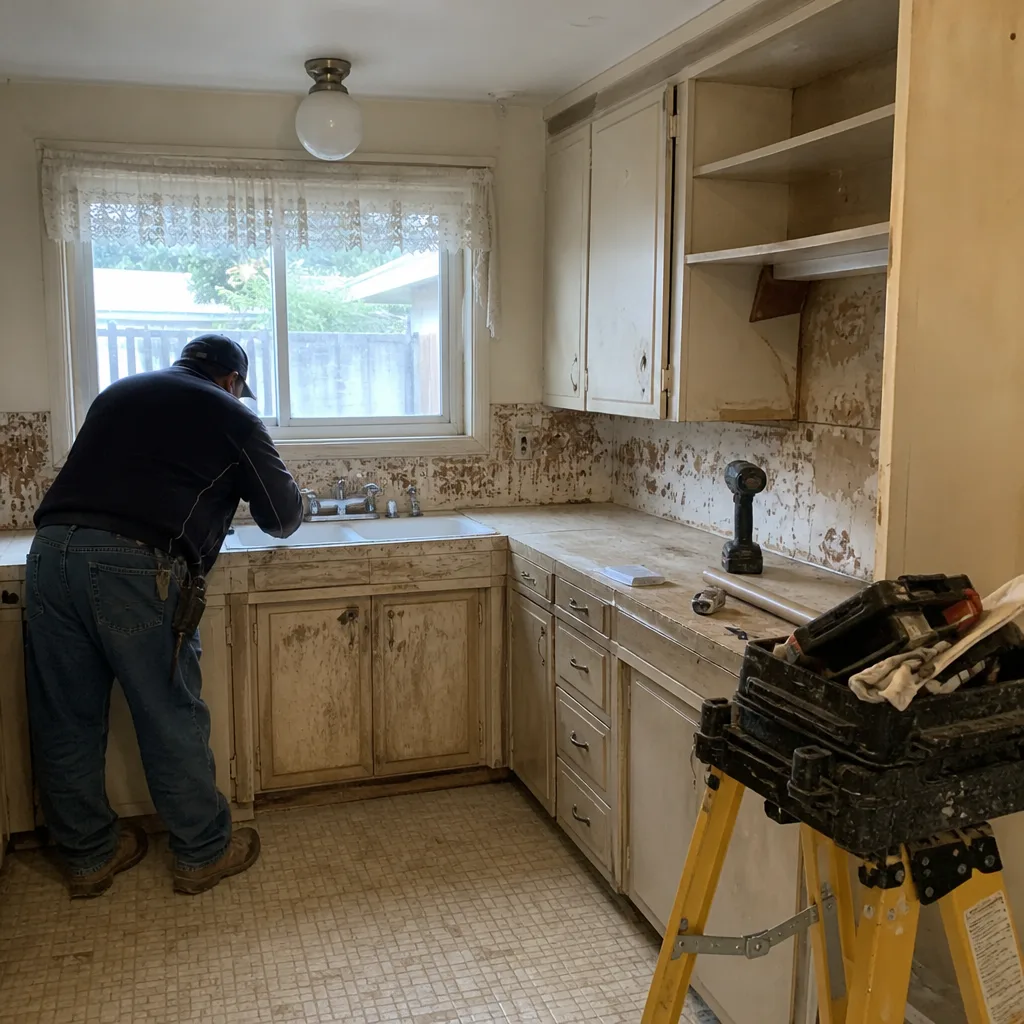 Before
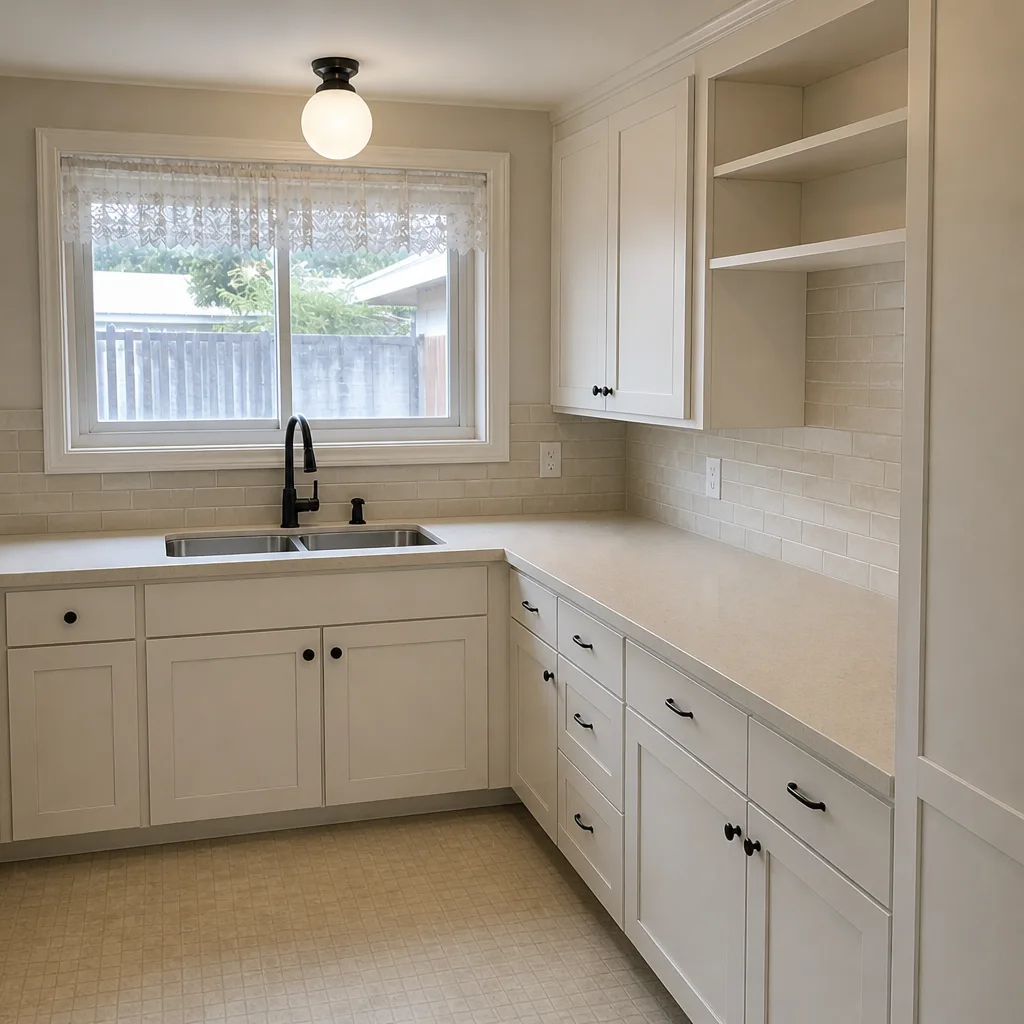 After
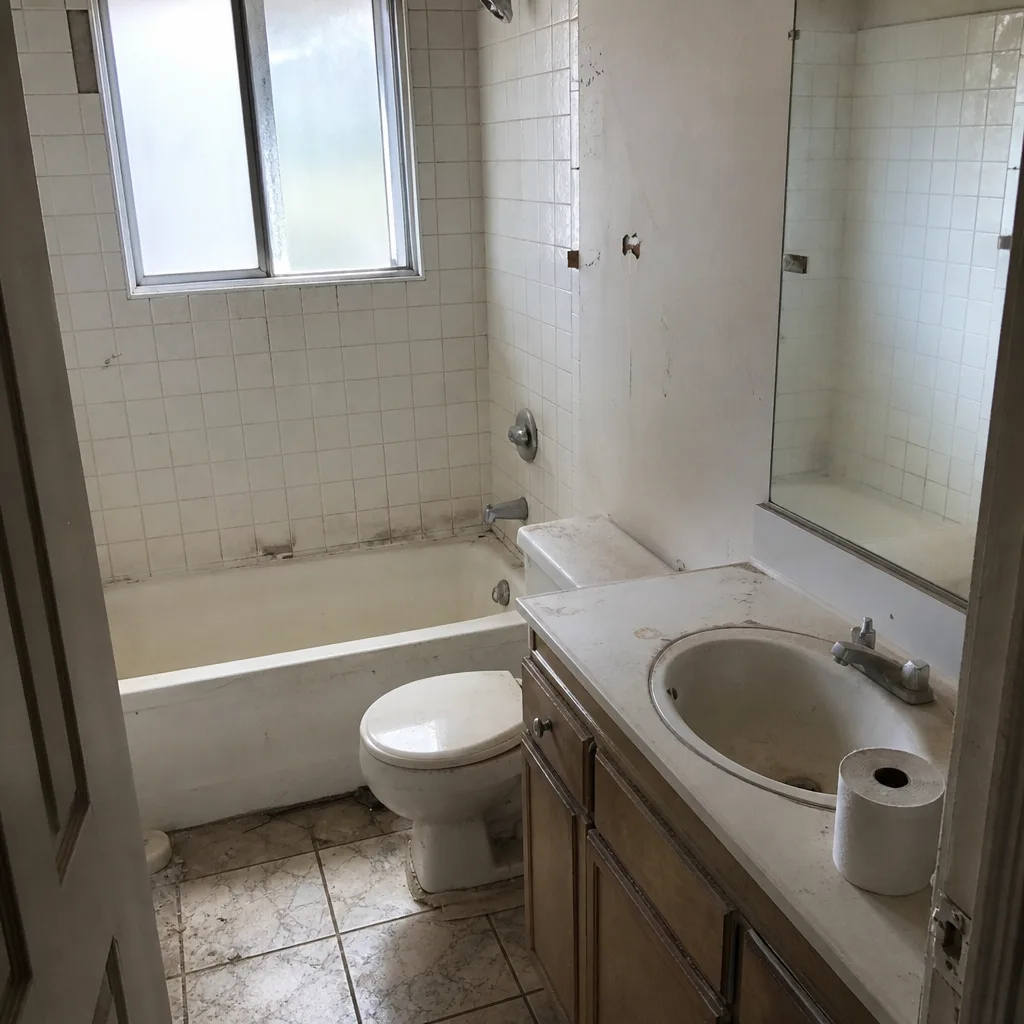 Before
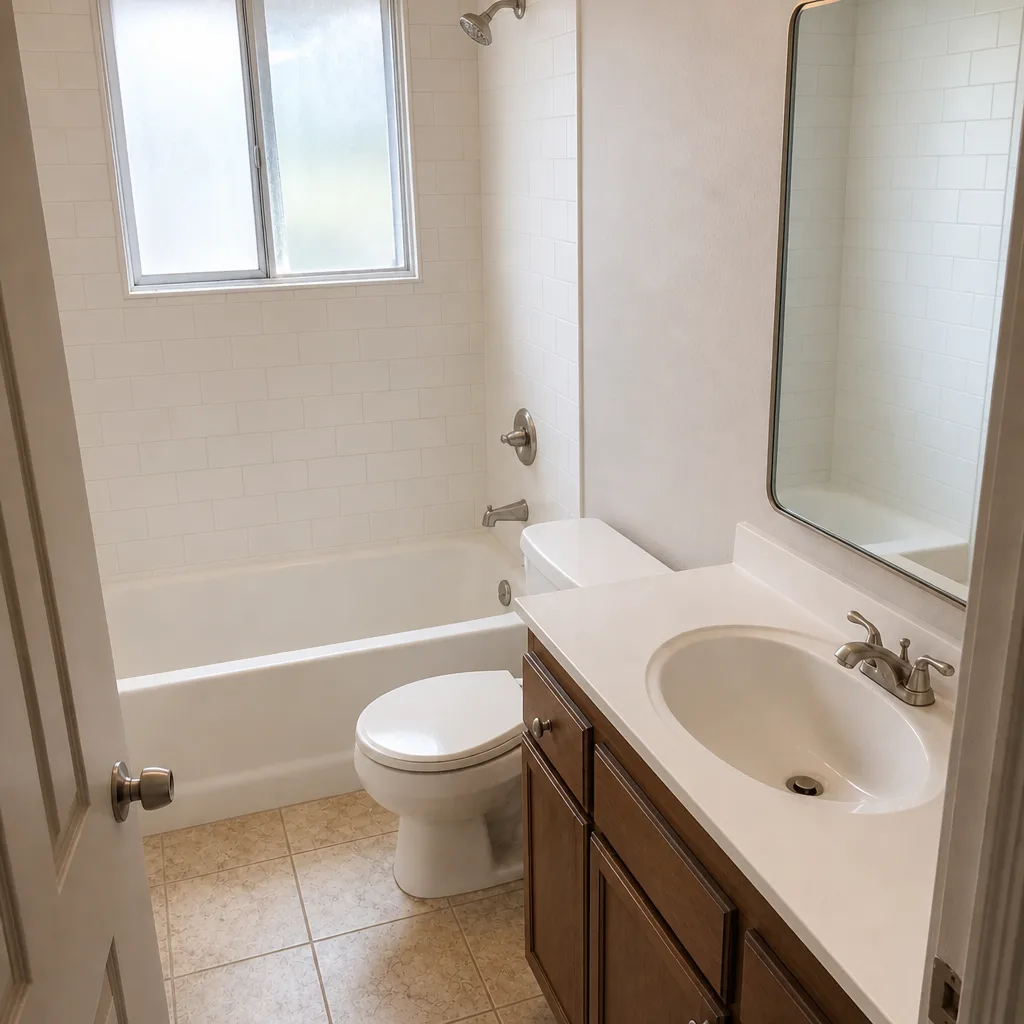 After
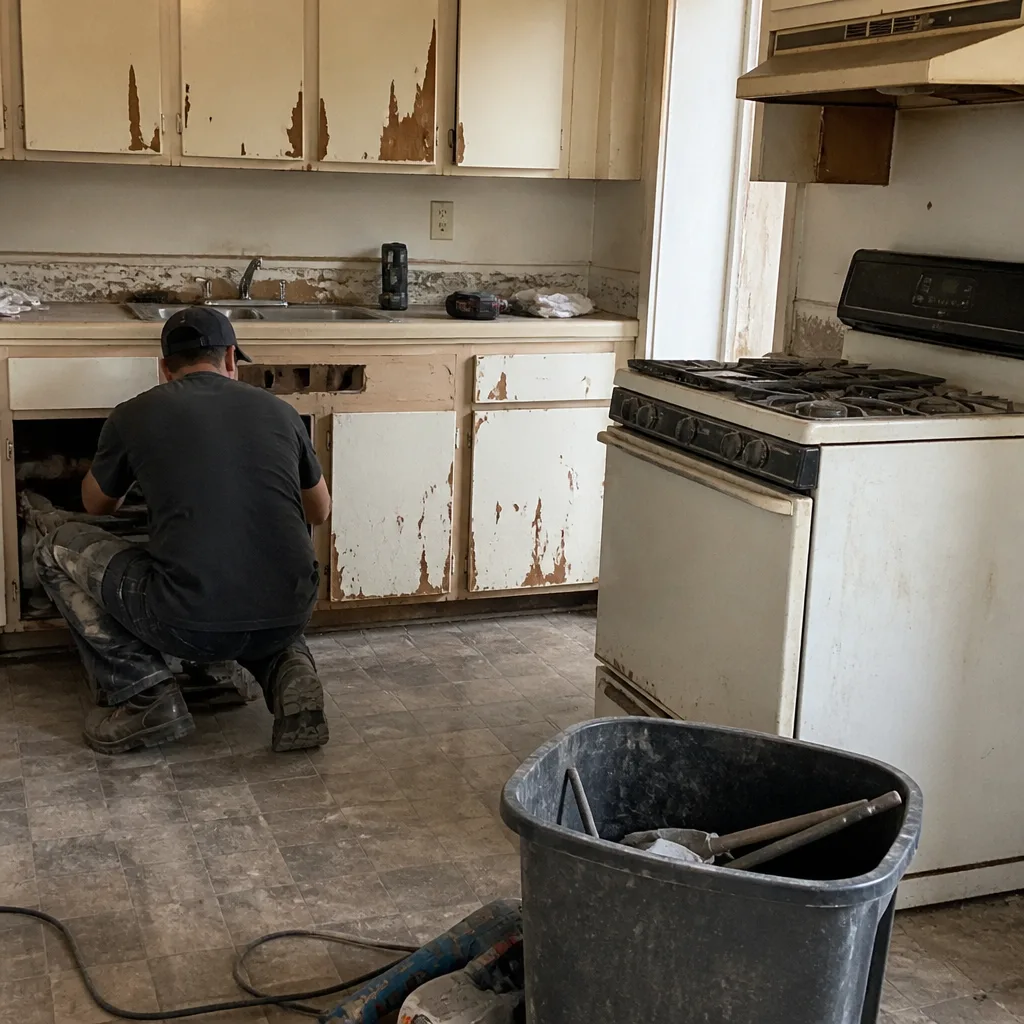 Before
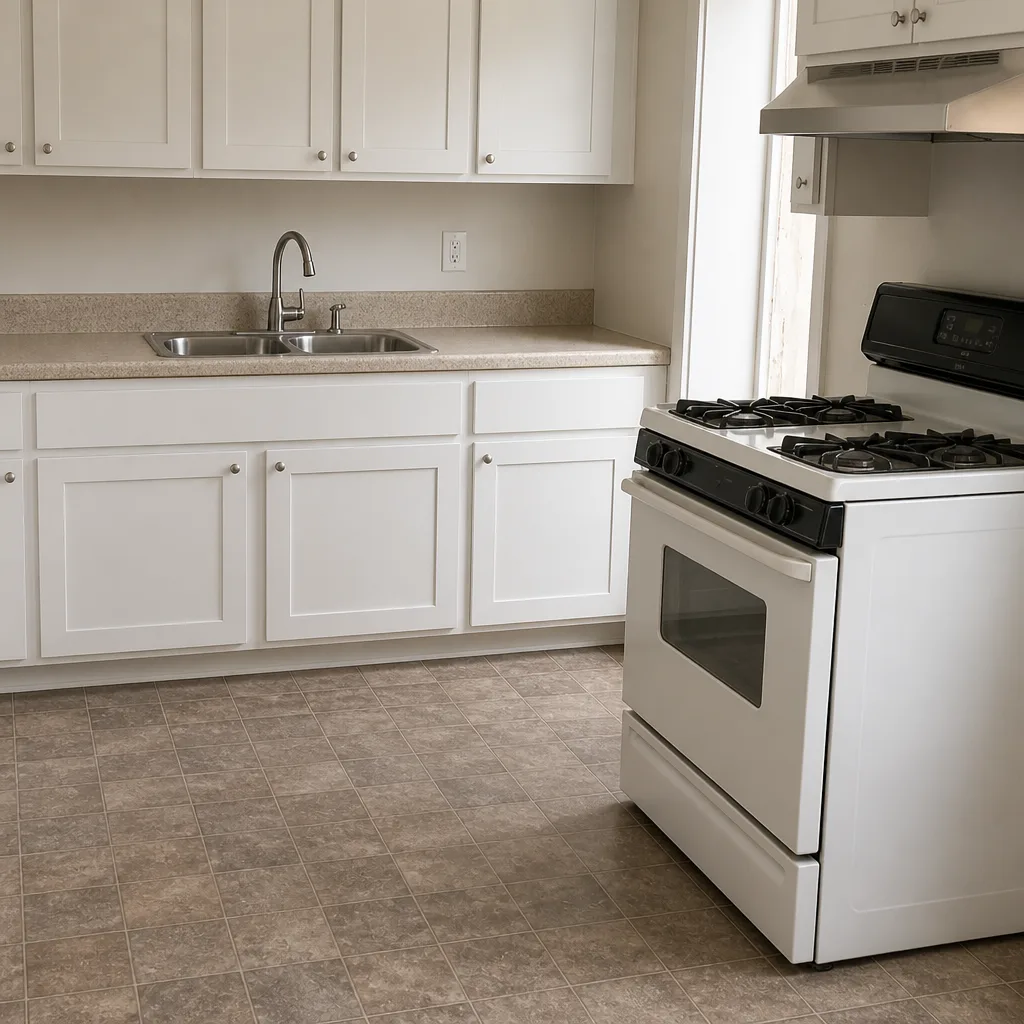 After
When to Call a Professional
Call a professional the moment you see any of these: no permit card posted on site, a contractor resisting written change orders, drywall going up before framing inspection, a sub on site without a certificate of insurance, or a draw request ahead of a milestone. Any one of those signals is enough to warrant a second opinion on the work already done, before the project gets further along.
The other moment to call is before you sign. Having a second set of eyes review a written estimate – especially a line-item one – is the cheapest insurance on a project of this size. Barrett & Sons Construction Garden Grove offers free estimates in Garden Grove – call (833) 703-5196. We pull permits and get inspections signed, put every price change in writing before work happens, and back every job with our 90-Day Done Right Promise. You can start at our Barrett & Sons Construction Garden Grove home page to see the rest of what we do.
Frequently Asked Questions
Yes. Garden Grove requires permits and plan review for both attached and detached ADUs, including a foundation inspection, a framing inspection, and a full rough-in before the walls close. Anyone who tells you an ADU doesn’t need a permit is either wrong or hoping you don’t check. If you’re evaluating a contractor on this point, ask to see the permit card on site before work starts.
Work moving ahead of the inspection schedule is the clearest single warning sign. A legitimate addition can’t move from framing to insulation to drywall without three separate passed inspections in between. If drywall is going up while the framing inspection hasn’t happened, or if the contractor can’t tell you when the next inspection is scheduled, stop and get a second opinion before the walls close. Call (833) 703-5196 if you want an independent read on a written estimate.
Additions in Garden Grove typically run in the range homeowners see across Orange County – smaller single-room additions usually land lower than full second stories, and detached ADUs carry their own cost profile. The honest answer is that the price varies by scope, soil, utility runs, and finish level, which is why no legitimate contractor should quote a real number without a written scope. Get a written line-item estimate, not a phone number, and ask what the allowances actually cover before you compare bids.
It can, and legitimate additions almost always have at least one change. What matters is whether the change arrives in writing before the work happens or on an invoice at the end. California requires written change orders for any change over $500, signed and dated before the work. A contractor who follows that rule isn’t a hassle; he’s protecting you from the surprise.
Yes, and you should before signing on any addition or ADU. A second opinion on a written estimate is one of the cheapest safeguards on a project of this size. We offer a free second opinion on any written estimate – call (833) 703-5196. Compare scopes line by line, not just the bottom line.
Skipping inspections usually means work that wasn’t ready gets covered up. The consequences hit you, not the contractor: failed permits that block a sale, code enforcement action, and in the worst case having to open finished walls for retroactive inspection. If you suspect inspections were skipped on your Garden Grove addition, call the city’s Building Division and ask for the permit history on your address. Call (833) 703-5196 if you want a walkthrough of what to check next.
The Bottom Line
Additions and ADUs get cut in the places you can’t see, and the warning signs show up long before the problem does. Watch the inspection schedule, the permit card, the change order paperwork, the subcontractor certificates, and the draw requests. Any one of those out of line is a reason to ask questions, and two or more is a reason to stop. The best time to catch a problem is while the wall is still open. The second-best time is before you sign the contract. Barrett & Sons Construction Garden Grove is owner-operated, pulls permits and gets inspections signed on every eligible job, and puts every price change in writing before work happens – backed by our 90-Day Done Right Promise and a live person answering the phone.
Call (833) 703-5196 to schedule a free estimate on your Garden Grove addition or ADU, or to get a free second opinion on a written estimate you’ve already received. We also cover driveways and pavers in Garden Grove, fence installation in Garden Grove, and the full Home Additions & ADU service in Garden Grove, so a multi-phase project stays on one schedule. No trip charge inside the county, $40 off any repair over $200, and a permanent 10% Senior & Veteran discount are standing offers on every call.
Written by the team at Barrett & Sons Construction Garden Grove.