Last updated November 18, 2026


Free written scope consultation - allowances, timeline, and change-order rules on paper before a single trade is scheduled
How Long Does Driveway & Pavers Take? Timelines and What to Expect
A crew can physically set pavers on a standard two-car driveway in two to three working days. That’s the number most contractors quote you, and it’s honest as far as it goes. But if your permit sits in the city queue for three weeks and a rain band parks over Orange County in the middle of base prep, you might be parking on the street for a month. Timeline and install time are two completely different numbers, and the gap between them is where projects go sideways. In this guide we’ll break down each phase of a paver driveway project in Garden Grove, with honest day counts, the permit reality, why base curing isn’t optional, and the red flags that tell you a contractor is planning to skip steps.
Quick Answer
A driveway paver installation in Garden Grove typically takes 2 to 4 weeks from signed contract to final inspection, with 2 to 3 of those days being actual paver placement. The rest of the calendar is eaten by permit review (usually 2 to 4 weeks at the Garden Grove permit counter), demolition, base preparation, and compaction curing time. Rainy-season projects can stretch to 5 or 6 weeks if weather interrupts base work.
Styles & brands we work with
- Kitchen remodeling
- Bathroom remodeling
- Home additions & ADU
- Roofing
- Windows & doors
- Driveway & pavers
- Fence
Table of Contents
- Install time vs. project timeline: why the numbers differ
- The five phases of a paver driveway, with day counts
- How Garden Grove permit turnaround affects your schedule
- Why base compaction needs a waiting period
- Weather windows in Southern California and when work stops
- Red flags in a contractor’s timeline estimate
- Common mistakes to avoid
- Frequently asked questions
Install Time vs. Project Timeline: Why the Numbers Differ
When a contractor says “driveway pavers take three days,” they’re talking about the days their crew is physically on your property laying stone. That’s an accurate description of install labor. What it doesn’t cover is everything that has to happen before the first paver comes off the pallet, and everything that has to happen after the last one is tapped home.
A paver driveway on a Garden Grove lot is a small civil engineering project. You need a permit. The existing surface has to come out. The base has to be excavated, graded, compacted in lifts, and inspected. Then the pavers go down. Then polymeric sand goes in the joints and the job gets a final walk-through. Each of those steps has its own clock, and some of those clocks aren’t controlled by the contractor.
Here’s the honest breakdown of how a typical 2-car driveway project in Garden Grove runs:
- Permit review: 2 to 4 weeks (can run longer if the plans are returned for corrections)
- Demolition: 1 day
- Base excavation and grading: 1 to 2 days
- Base compaction and inspection: 1 day plus a curing period
- Paver installation: 2 to 3 days
- Polymeric sand and cleanup: 1 day
- Final inspection: scheduled within a few business days
Stack those together and you’re looking at roughly 3 to 5 weeks of calendar time for a straightforward job. The crew is only on-site for about a third of that. That’s not a delay – that’s just what a real project timeline looks like when you’re not skipping steps. We’ve watched national outfits promise “driveway in a week” in Garden Grove and then either skip the permit or lay pavers on a half-compacted base. Neither one ends well for the homeowner.
The Five Phases of a Paver Driveway, With Day Counts
Here’s how the work actually sequences on a Garden Grove paver job, phase by phase. This is the order we follow on every driveway, and the order any honest contractor should be able to walk you through before you sign.
Phase 1: Permit Submittal and Review
Paver driveways in Garden Grove almost always require a permit, because you’re changing the surface, sometimes changing the grade, and sometimes altering the driveway apron where it meets the city right-of-way. The permit application needs a site plan, a materials spec, and often a drainage plan showing how water will move off the driveway and away from the house. Once submitted, plan review is the longest single wait on the entire project. Typical turnaround in Garden Grove right now runs 2 to 4 weeks, and that’s for a clean submittal. If your plans get kicked back for corrections (the drainage detail is a common one), you can add another week or two.
Phase 2: Demolition
Removing the old concrete, asphalt, or existing pavers takes one working day for a standard two-car driveway. If it’s old reinforced concrete, it might spill into a second morning. Debris goes to a transfer station and hauling is included in a good bid. Watch for this: if a contractor quotes you zero demolition days, ask them how the old surface is coming out.
Phase 3: Base Preparation and Compaction
This is the make-or-break phase. The existing soil gets excavated to a depth of roughly 6 to 9 inches (more if the subgrade is soft), then a compacted aggregate base goes in, typically in 2 to 3 inch lifts, each one compacted before the next lift is added. Base prep takes 1 to 2 days of active work. Skipping the lift-by-lift compaction is the single most common shortcut in cheap paver work, and it’s the reason you see settling and rutting within two or three years.
Phase 4: Paver Installation
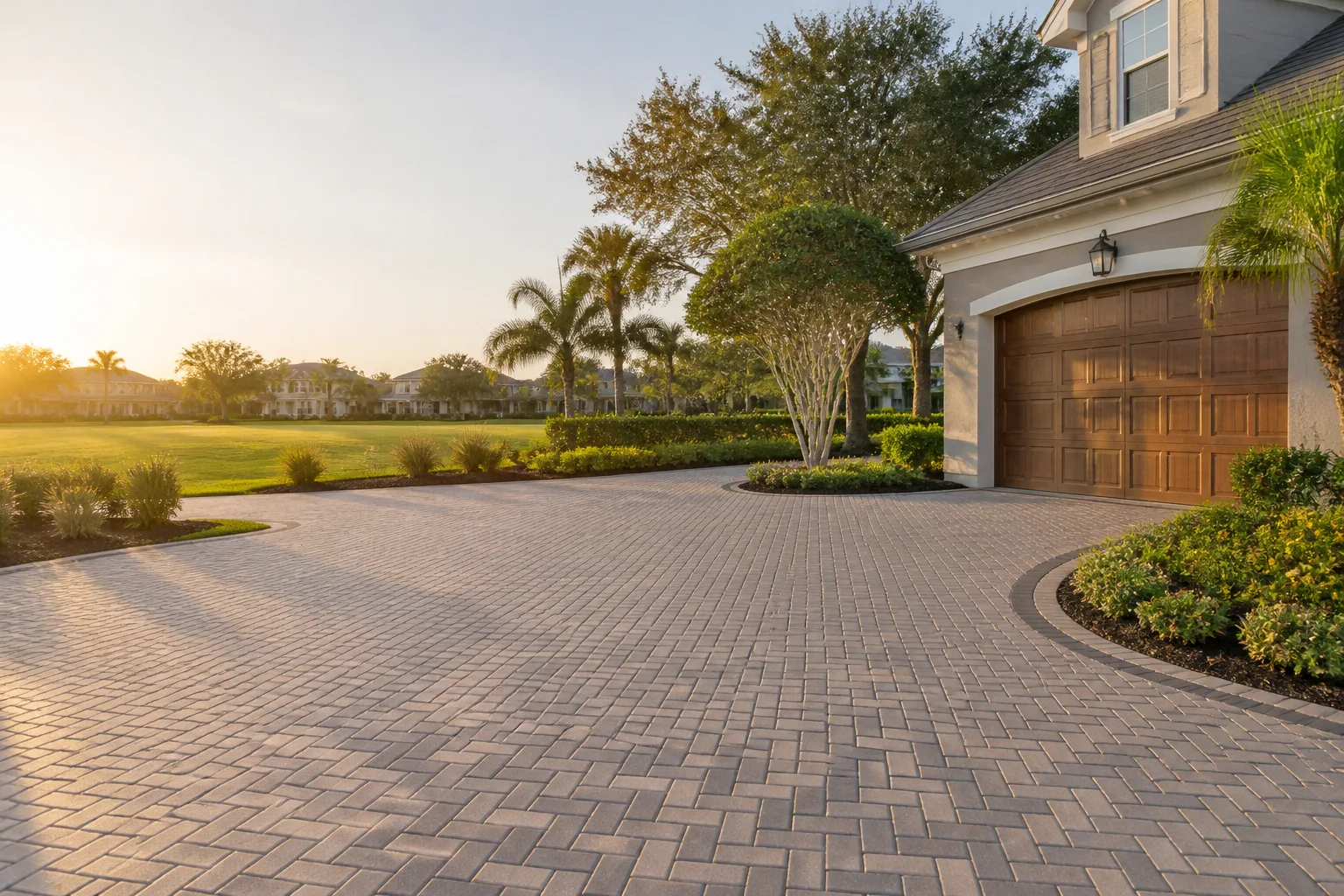
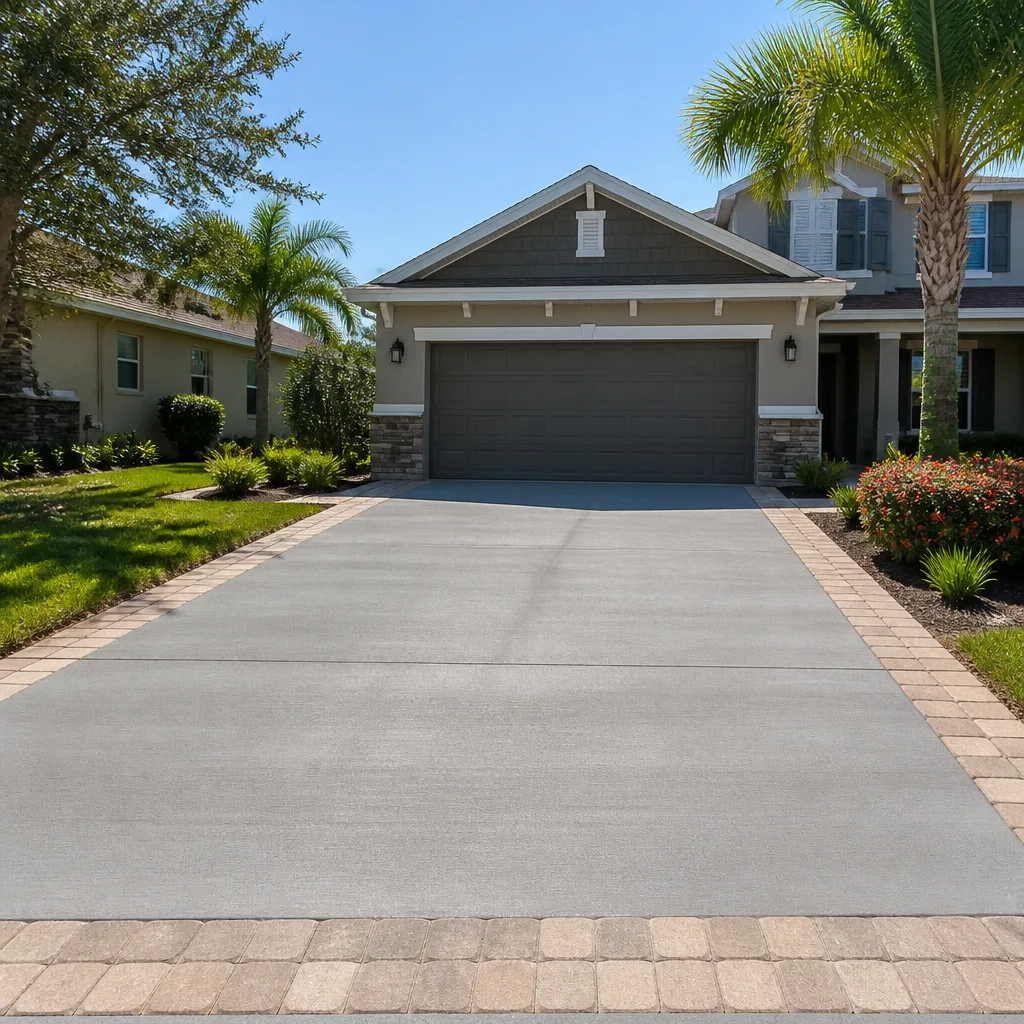
Once base inspection passes, pavers go down over a thin bedding sand layer. A standard two-car driveway runs one crew 2 to 3 working days, depending on the pattern. A running bond with a simple color blend moves fast. A herringbone or a complex three-color blend takes longer because every paver has to be cut and placed with attention to pattern continuity. Curve work and border courses add time on top of that.
Phase 5: Polymeric Sand, Cleanup, and Final Inspection
Joint sand goes in, gets swept and compacted into the joints, gets watered to activate the binder, and then the site is cleaned up. That’s one more working day. The final inspection usually gets scheduled within a few business days of completion. The inspector wants to see that the work matches the approved plans: material, thickness, drainage, and the base depth you specified.
How Garden Grove Permit Turnaround Affects Your Schedule
If you’re planning a paver driveway in Garden Grove, the permit queue is the single most important variable in your calendar, and it’s the piece most contractors gloss over. As of our current experience with the Garden Grove permit office, a residential driveway permit submittal goes through plan review in roughly 2 to 4 weeks. That’s the standard timeline, not a worst case.
Two things push it longer. First, an incomplete submittal – missing drainage detail, missing right-of-way grading, wrong material spec. Second, peak season. Spring and early summer are when the permit counter backs up because every contractor in town is submitting at once. If your project needs to be done before a specific date (a graduation party, a family event, a medical-access need), get the permit in early. Don’t sign a contract that assumes permit review will be fast.
We pull permits on every eligible job at Barrett & Sons, and we schedule the crew based on the realistic permit timeline, not the optimistic one. For a full walk-through of what a driveway and pavers project in Garden Grove looks like on a job like yours, see Driveway & Pavers in Garden Grove.
Why Base Compaction Needs a Waiting Period Before Pavers Go Down
Compacted aggregate base isn’t a passive material. It’s a load-bearing layer that has to reach a target density before pavers are placed on top of it. That density is achieved with a plate compactor or roller in lifts, and there’s a short but real interval between finishing compaction and passing inspection where the base needs to sit and stabilize. On some jobs that’s a half day. On others – particularly when the base goes in over a soft subgrade or after rain – the base needs to dry and the inspector needs to see it stable before the pavers go down.
Skipping this is a structural error, not a scheduling inconvenience. When pavers go on a base that hasn’t reached density, three things happen:
- The pavers settle unevenly under car weight, which shows up as dips and ridges within 12 to 24 months.
- Water finds the low spots and ponds, undermining the base further with each rain.
- The joints open and lose sand, which means weeds, ants, and a wobbly surface you can feel through the steering wheel.
An honest contractor will build that stabilization interval into the schedule as a visible line item. If a bid tells you pavers go down the same day the base is finished, and the base is 6 inches of new aggregate, that’s a red flag. The base wasn’t compacted in lifts, or it was compacted too fast, or the inspection is being skipped.
Weather Windows in Southern California and When Work Actually Stops
Southern California isn’t the desert, and Orange County’s winter rainy season from roughly November through March is a real scheduling factor on paver work. Rain doesn’t just slow things down – it can stop them entirely at specific phases. Here’s how weather interacts with the work:
- Rain during demolition and excavation: workable, but the excavated base becomes a mud pit and has to be pumped out and re-graded.
- Rain during base compaction: work stops. Wet aggregate won’t compact to density, and you can’t inspect what you can’t measure.
- Rain during paver installation: pavers can be laid in light drizzle, but heavy rain floods the bedding sand and the joints won’t hold polymeric sand properly.
- Rain during sand activation: a hard rain within a few hours of watering in the polymeric sand can wash the binder out of the joints. That’s a re-do.
Dry, mild weather from roughly April through October is the cleanest window for paver work in Garden Grove. But here’s why we don’t tell people to wait – the dry months are also when every contractor’s schedule fills up and when the permit counter is busiest. Late fall and winter projects can actually move faster on the crew side if the weather cooperates. What you need is a contractor who’s honest with you about the risk up front and builds weather days into the schedule instead of just promising “we’ll be done in two weeks.”
Red Flags in a Contractor’s Timeline Estimate
A timeline is a statement of how a contractor plans to run the job. If the timeline is short in a way that requires skipping steps or double-booking your crew, the timeline itself is a warning. Here are the patterns we hear about most from Garden Grove homeowners who got burned:
- “Permit isn’t needed for pavers.” If the driveway apron touches the city right-of-way or changes grading, it almost always needs one. This line usually means the contractor is skipping the permit entirely.
- “We’ll get the pavers down in two days, start to finish.” That’s not physically possible with proper base prep. Either the base is being skipped or the compaction interval is being skipped.
- No weather days built into the schedule. Any outdoor project needs scheduling flex. A contractor who says “nothing will delay us” is telling you they’ll push through bad work or disappear for a week.
- Base prep quoted in hours, not days. Proper lift-by-lift compaction of a 6-inch base on a two-car driveway takes real time. Hours means it’s being rushed.
- Same crew finishes your job in the morning and starts another in the afternoon. That’s double-booking, and it means your final cleanup and joint sand get rushed.
- No mention of the final inspection. If the contractor isn’t talking about inspection, they’re not planning to pass one.
Common Mistakes to Avoid
- Booking before the permit is approved. If your contractor is scheduling demolition before plan review clears, the schedule is fiction. Wait for the actual permit, not the submission confirmation.
- Comparing timelines apples to oranges. A two-week timeline that includes permit, base, and inspection is not the same as a two-week timeline that skips the permit. Ask for a phase-by-phase quote in writing.
- Ignoring slope and drainage. Garden Grove lots, especially in the older neighborhoods near the downtown core, often have flat or reverse-sloped driveways where water wants to sit against the garage. Fixing that is part of the project, and it adds a day to grading.
- Skipping a written moisture/drainage plan. If the plan doesn’t show how water leaves your driveway, it’s incomplete and the permit will come back for corrections.
- Letting the contractor set the start date without a written schedule. Tell them you want the phase-by-phase calendar attached to the contract. If they won’t provide one, that’s a tell.
- Choosing pattern complexity after the bid. Changing from running bond to herringbone mid-project adds days to install and usually triggers a change order. Pick the pattern before the quote.
- Treating “we don’t need a permit” as a favor. It’s not. It’s a liability. Unpermitted hardscape can complicate a future home sale and leaves you holding the consequence if the base fails.
See the difference
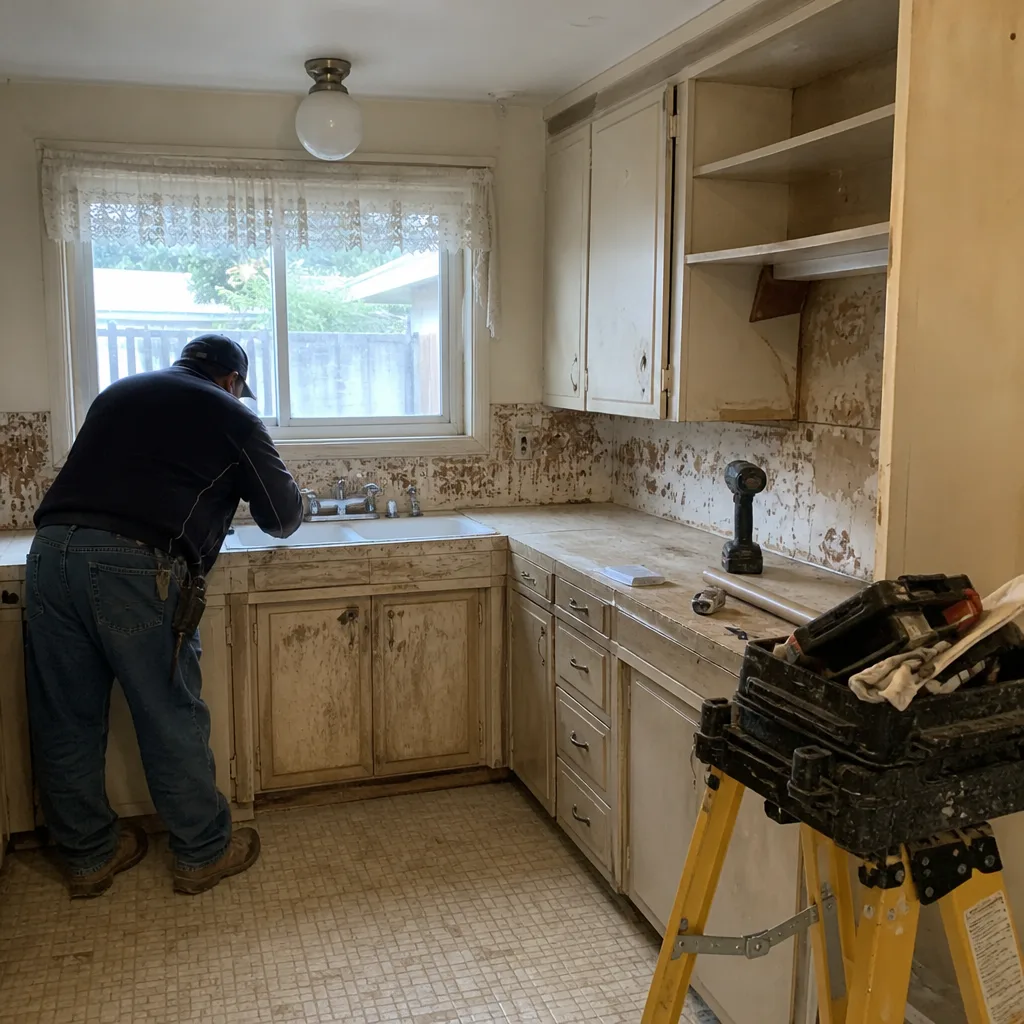 Before
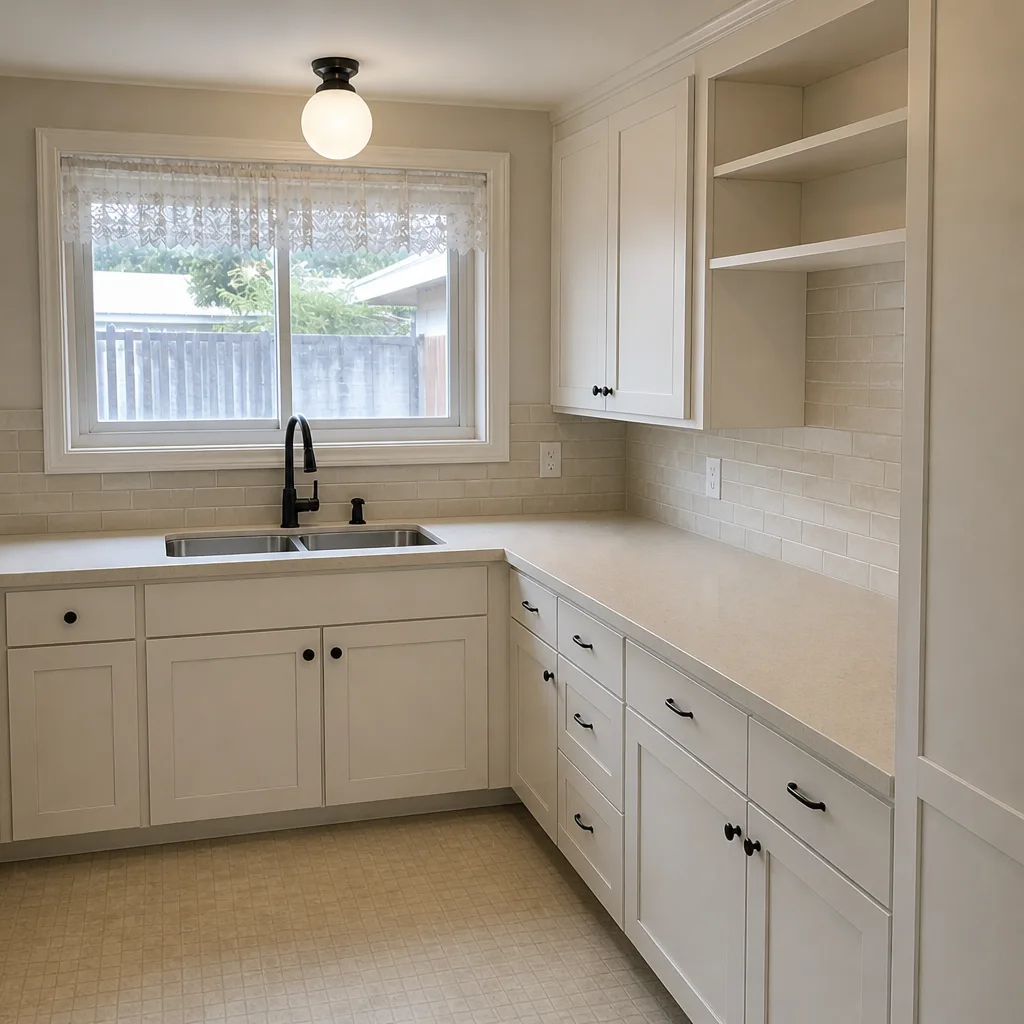 After
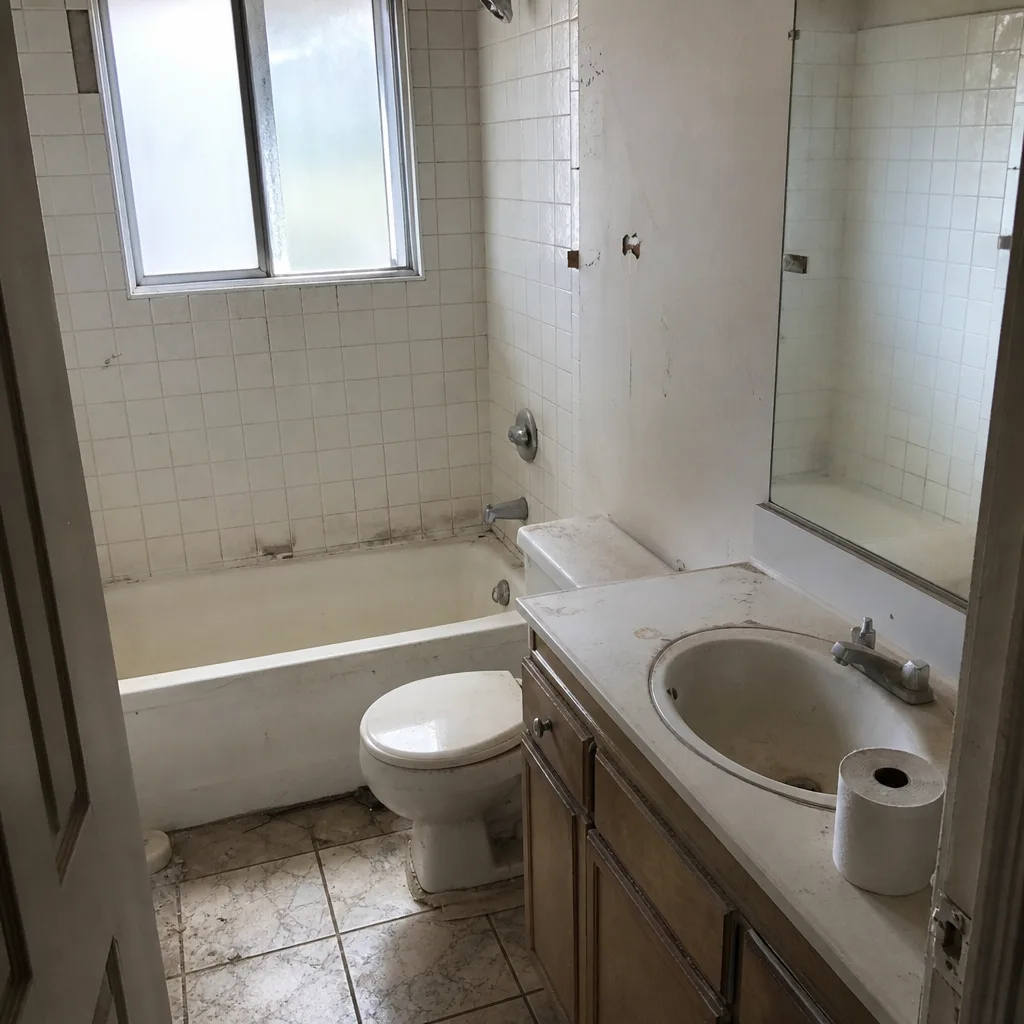 Before
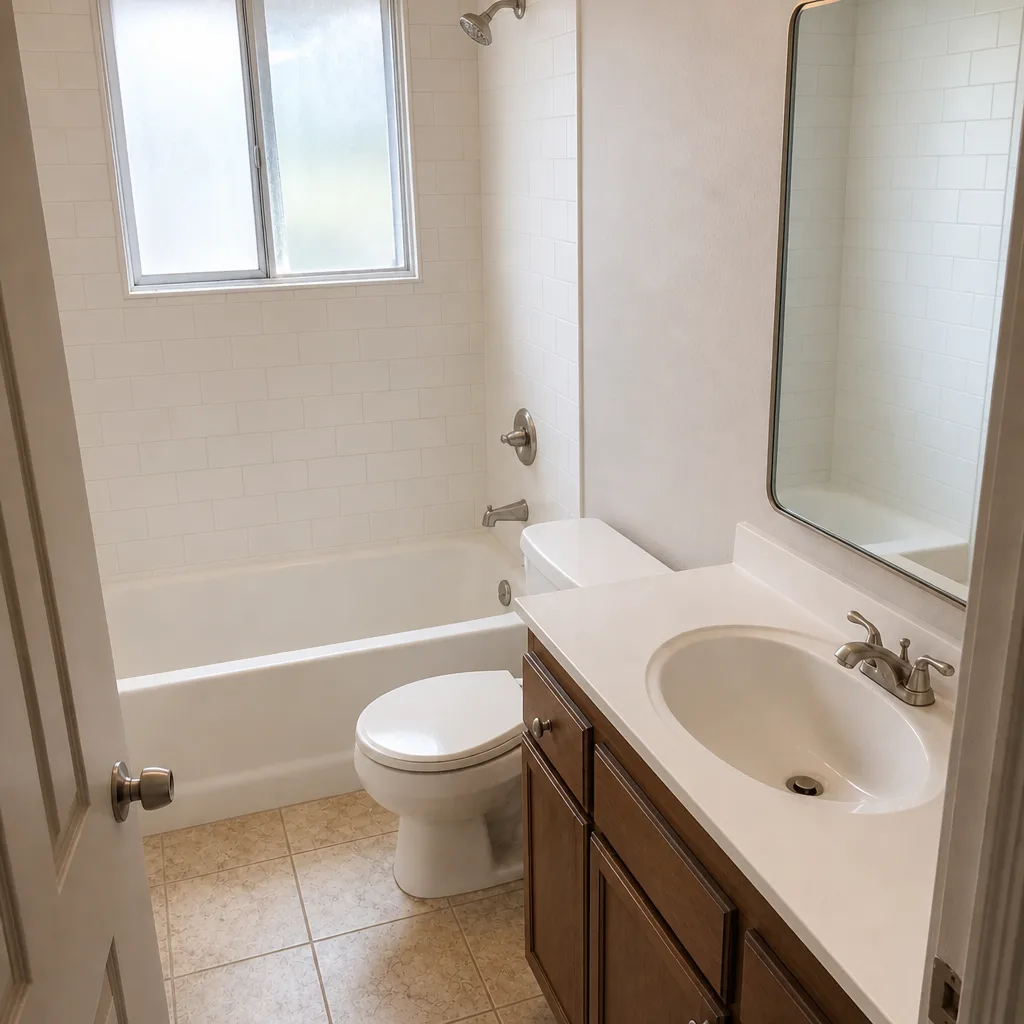 After
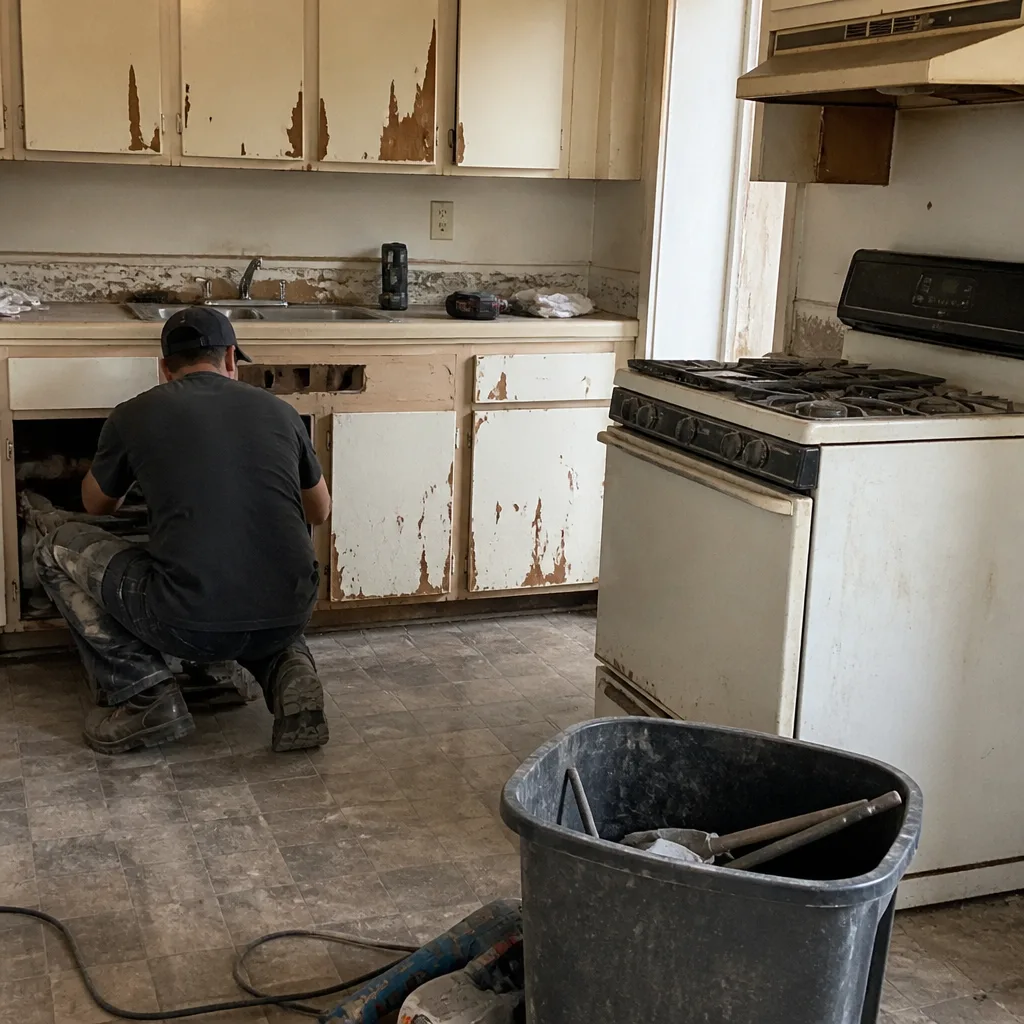 Before
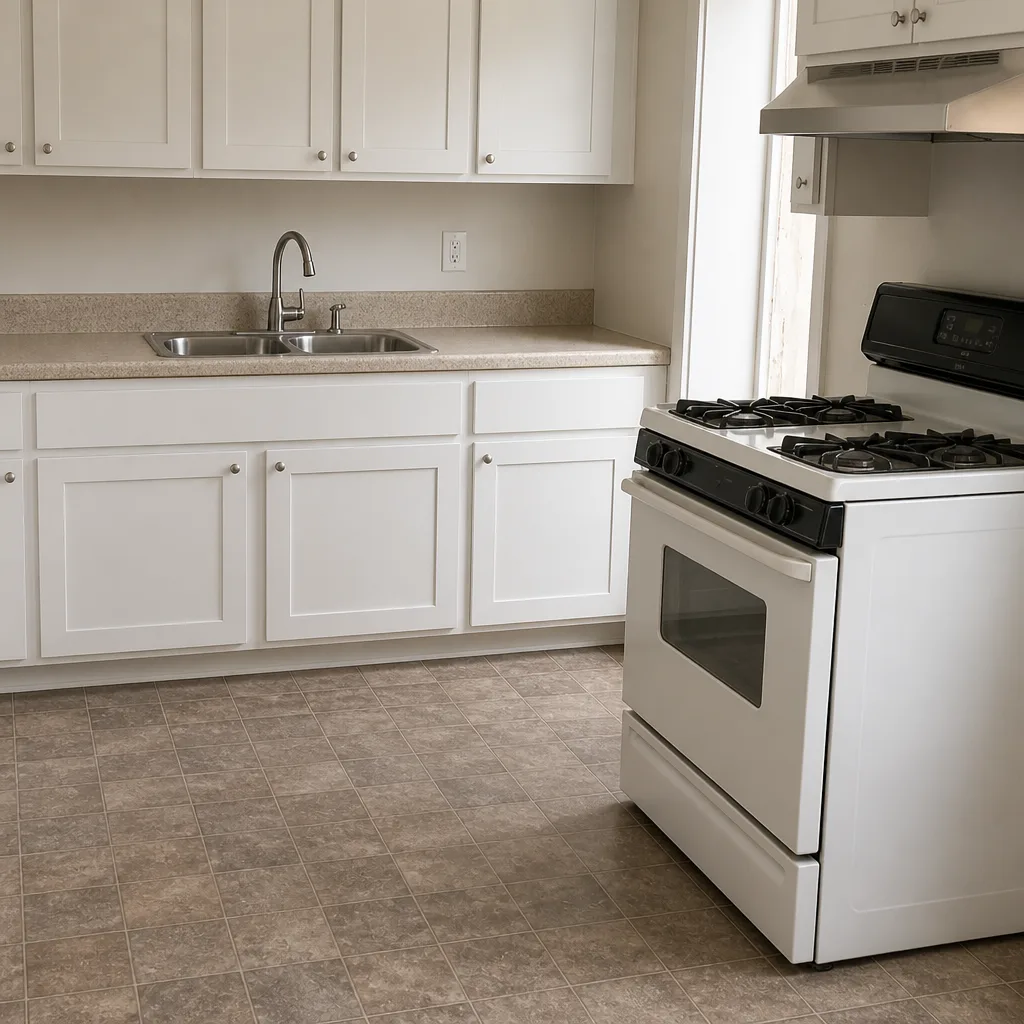 After
When to Call a Professional
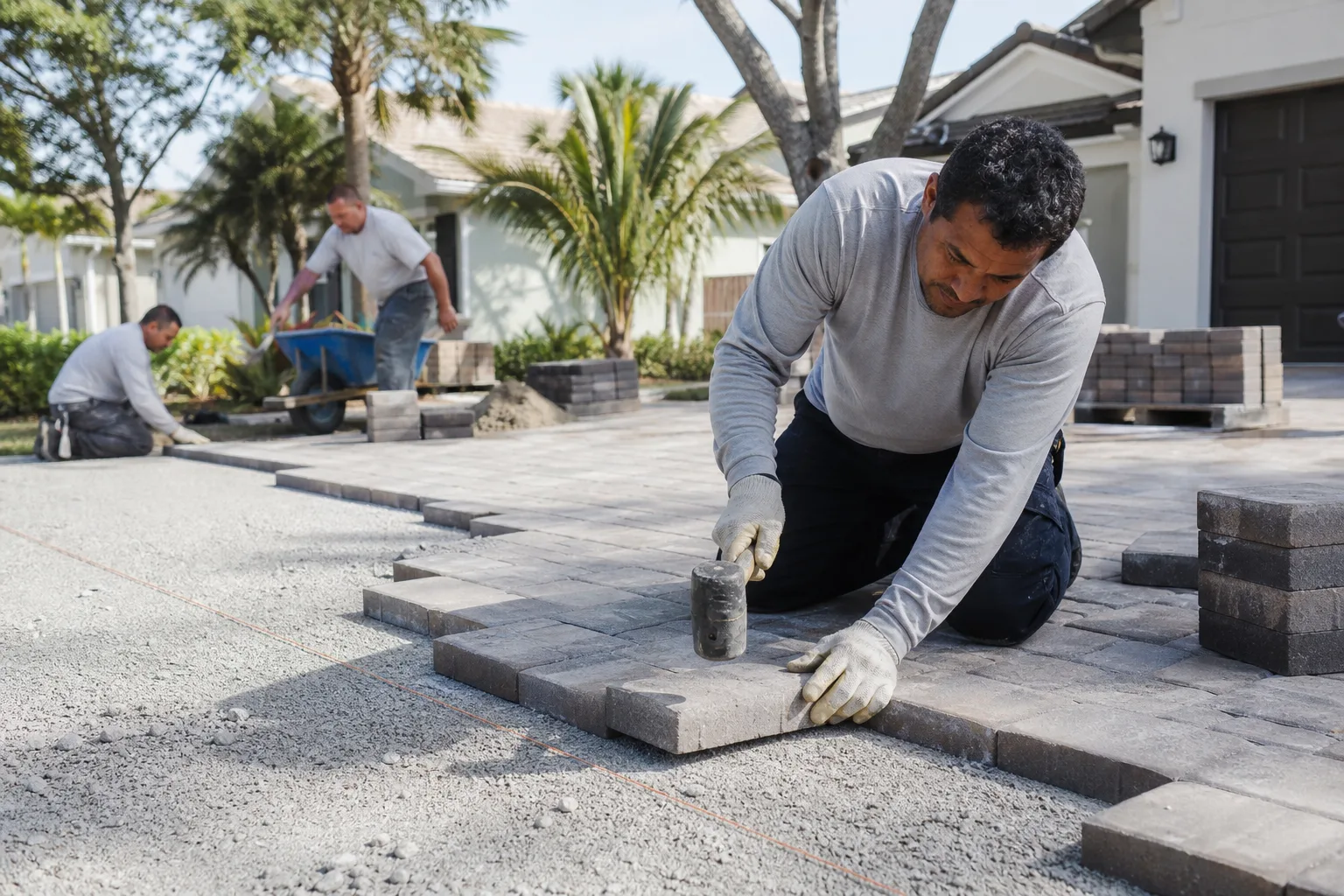
Some driveway repair can be handled by a homeowner with a weekend and a wheelbarrow. A paver replacement on a full driveway is not one of those projects. Call a professional when you’re changing the driveway footprint, when the base is being replaced (not just re-topped), when drainage has to be re-engineered, when the apron needs to meet city right-of-way spec, or when the existing surface is failing in a way that suggests subgrade problems underneath. Those scenarios require permits, inspections, and a crew that knows how to sequence base, curing, and installation without cutting corners. Barrett & Sons Construction Garden Grove offers free estimates in Garden Grove – call (833) 703-5196 and we’ll walk your driveway with you, then put the phase-by-phase timeline in writing before you commit to anything.
Frequently Asked Questions
Most Garden Grove paver driveways take 3 to 5 weeks of calendar time from signed contract to final inspection, with 2 to 3 of those weeks typically eaten by permit review. The crew is actively on-site for roughly 5 to 7 working days. Call (833) 703-5196 for an exact timeline on your project – estimates are free.
In most cases, yes. If the driveway changes grade, touches the right-of-way, or alters drainage, the City of Garden Grove requires a permit with a site plan and drainage detail. Plan review generally runs 2 to 4 weeks. Any contractor telling you the permit is unnecessary is telling you they plan to skip it – and that puts the liability on you.
It shouldn’t, if the scope is in writing. At Barrett & Sons every allowance is specified on the contract and every price change arrives as a written change order before the work proceeds. If a contractor can’t tell you what’s included in the bid, that’s a surprise waiting for a date. Call (833) 703-5196 for a written estimate.
Compacted aggregate base has to reach target density and stabilize before pavers are set on it. Skipping the compaction and stabilization interval is what causes settling, ponding, and joint failure within a year or two. It’s the most common shortcut in cheap paver work, and the homeowner pays for it later.
Some light rain is fine for paver placement, but base compaction stops until the aggregate is at workable moisture, and polymeric sand activation can’t happen if a heavy rain is coming within a few hours. A contractor who builds weather days into the schedule is telling you the truth. One who claims rain won’t affect the timeline isn’t.
Plan on 48 to 72 hours before you drive on a fresh paver driveway, and longer if the polymeric sand joints need full cure time in cooler weather. Your contractor should give you a specific window based on the pattern, sand brand, and weather at the time of installation. Call (833) 703-5196 if you have questions on an existing driveway – we give free second opinions on any written estimate.
The Bottom Line
The number a contractor quotes you for paver installation is install time, not project time. The real timeline in Garden Grove is 3 to 5 weeks from contract to final inspection, driven mostly by permit review (2 to 4 weeks), followed by demolition, base prep, base curing, paver placement (2 to 3 days), and final inspection. Weather adds days in the winter rainy season. Any timeline that’s shorter than that is being achieved by skipping either the permit, the base, or the inspection – and you’ll pay for the shortcut in a couple of years. Ask for a phase-by-phase written schedule, a written permit plan, and written change orders before you sign anything. That’s how a driveway gets done right the first time, and it’s how we run every job at Barrett & Sons. When you’re ready to talk through your driveway, call (833) 703-5196 for a free estimate.
If your project is part of a larger plan, you may also want to look at Fence Installation in Garden Grove, Home Additions & ADU in Garden Grove, or start at our Barrett & Sons Construction Garden Grove home page. If you’re considering an accessory structure with a new driveway approach, brands like Cover, Dvele, and Mighty Buildings all have prefab options worth comparing, and we can coordinate the site work to match.
Written by the team at Barrett & Sons Construction Garden Grove.