Last updated November 18, 2026







Free written scope consultation - allowances, timeline, and change-order rules on paper before a single trade is scheduled
DIY vs Professional Windows & Doors: What’s Safe to Do Yourself
Here’s the part most homeowner estimates miss: the window you’re about to replace is either dropping into an existing frame or it isn’t, and that single fact decides whether the job is a Saturday project or a licensed-contractor job with a permit and a stucco crew. One version is legal, safe, and cheap to do yourself. The other opens a door to water intrusion that won’t show up until the second rainy season, when the drywall under your sill turns soft. In Garden Grove, where most homes are stucco over wood frame, that gap is where real money hides. This guide walks you through which window and door work is genuinely safe to tackle yourself, which requires a licensed contractor, and how to tell the difference before you sign anything.
Quick Answer
Swapping hardware, weatherstripping, caulking, interior trim, and a door slab onto existing hinges is safe to do yourself. Insert-style window replacement into an existing frame is a reasonable DIY candidate for a careful homeowner. But any job that changes the rough opening, requiring a full-frame replacement or new construction window set into a freshly cut wall, needs a licensed contractor, a permit, and correct stucco and flashing integration. That second category is where amateurs cause damage that costs thousands.
Styles & brands we work with
- Kitchen remodeling
- Bathroom remodeling
- Home additions & ADU
- Roofing
- Windows & doors
- Driveway & pavers
- Fence
Table of Contents
- Insert vs. Full-Frame: The Distinction That Decides Everything
- The Stucco Reality in Garden Grove
- What Garden Grove’s Building Department Requires
- Door Slab Swap vs. Prehung Door Unit
- The Legitimate DIY Tier: What You Can Actually Do Yourself
- What a Failed Window Install Looks Like Two Years Later
- Cost Reality: DIY vs Professional
- Unpermitted Work and Your Home Sale
Insert vs. Full-Frame: The Distinction That Decides Everything
The window on your house is one of two things. It’s an insert replacement, where the old glass-and-sash assembly lifts out of a sound existing frame and a new insert unit drops into the same opening. Or it’s a full-frame replacement, where the entire window including its frame, sill, and surrounding flashing is removed and a new construction window is installed from the rough opening out.
Those two jobs are not the same, and the difference is more than labor cost. An insert replacement is a reasonable project for a careful homeowner – you’re not touching the structure, you’re not disturbing the wall, and you’re not changing where water meets your house. A full-frame replacement puts you into licensed contractor territory because the job touches framing, flashing, and exterior finish integration. In California that means a C-17 glazing contractor or a general B contractor with the right license and the right permit.
Here’s the practical test: stand at the window. If the interior jamb and sill cover the old frame and the new unit fits inside a frame that stays put, that’s insert. If you can see the original frame is rotten, or the window you want is larger than the existing one, or the exterior stucco has to come off, you’re into full-frame and you should not be the one holding the pry bar.
How to Tell Which Job You’re Being Quoted
- Ask the salesperson directly: “Is this an insert replacement or a full-frame replacement?” A vague answer is a red flag.
- Ask whether the rough opening stays the same size. If yes, insert. If no, full-frame.
- Ask whether the exterior stucco will be cut or patched. If yes, full-frame, and stucco integration is part of the job.
- Ask if the quote includes pulling a permit. Insert replacements in many California jurisdictions don’t need one. Full-frame replacements typically do. If the quote doesn’t mention a permit and the job is full-frame, ask why.
In Garden Grove, we’ve seen homeowners quote-shop the insert price, sign the paperwork, then get a full-frame install done quietly without a permit because the installer saved a step. The price looked fine. The homeowner didn’t know the difference until water showed up under the sill.
The Stucco Reality in Garden Grove
Most Garden Grove homes built before the mid-1990s have a stucco exterior over wood frame, and if you’re replacing a window in one of those walls, the flashing detail around the window perimeter is the whole ballgame. Flashing is the metal or membrane that routes water away from the rough opening and out over the building paper behind the stucco. When it’s installed correctly, water runs down the wall and out the weep screed at the bottom. When it’s wrong, water runs behind the stucco and rots the framing around your window.
Fitting a window into an existing stucco wall is one of the highest-failure tasks we’ve come across in Southern California. The failure isn’t loud – you don’t get a geyser in the living room. You get a slow leak. Two rainy seasons after a bad install, you’re looking at a chalky paint line at the ceiling corner, a soft spot in the drywall, or a sill that won’t hold a nail. By then the repair includes cutting out drywall, replacing rotted framing, drying the cavity, and re-doing the window flashing – plus repainting the interior wall. The bill for that remediation typically runs several thousand dollars.
What Correct Flashing Looks Like
A proper stucco window installation runs in a specific order. The building paper is layered so water sheds outward. A sill pan or membrane goes under the window. Self-adhesive flashing tape runs over the side flanges, then the head flange last, in a shingled pattern. The stucco return (the finished reveal around the window) is set so water doesn’t pool at the frame. Weep screed below keeps the wall breathing. Nothing is silicone-sealed in place of proper flashing, because sealant fails within a few years while flashing, done right, lasts decades.
None of that is beyond a skilled tradesperson. All of it is beyond a first-timer doing the job once. The Garden Grove climate – hot dry summers, then the marine-layer damp and fall rain – punishes bad flashing. Our dry stretches hide leaks, then the wet season exposes them.
What Garden Grove’s Building Department Requires
A like-for-like insert window replacement where the rough opening stays the same and no structural element is touched typically doesn’t require a permit in Garden Grove. A full-frame window replacement, or any job that changes the rough opening, requires a building permit and inspection. The same goes for exterior doors on a like-for-like basis, though the rules shift when the door changes width or adds a new opening.
When we pull a permit for a Garden Grove window or door project, the inspection covers the framing, the flashing detail, and the finished install. That inspector is not there to make our life harder – a signed inspection is the document that proves the window was installed correctly, and it’s what your home sale will hinge on in five or ten years.
What Gets Done Without Permits in the Field
Here’s the uncomfortable part: a lot of full-frame window work in Garden Grove gets done without a permit. Sometimes homeowners don’t know to ask. Sometimes the installer tells them a permit is optional. Sometimes the permit is skipped to save a fee and a week on the schedule. The window still works. The wall may or may not leak. But when the house goes on the market, a title check turns up an unpermitted alteration, and the buyer’s lender wants it resolved – either with a retroactive permit and inspection or with a credit at closing.
Retroactive permitting is possible but it’s slow and it depends on whether the work passes inspection as installed. If it doesn’t, you’re paying to redo the install and then paying to have it inspected. This is why we pull the permit on every eligible job, and why we’d rather lose a bid than quietly skip a step that later puts a Garden Grove homeowner in a bad spot.
The same discipline carries across every trade we touch in Garden Grove – from Driveway & Pavers in Garden Grove to a Home Additions & ADU in Garden Grove that adds a whole new structure. Every change order in writing, every permit pulled, every inspection signed. That’s the basics of how we run every job.
Door Slab Swap vs. Prehung Door Unit
Exterior door work splits cleanly the same way window work does. A door slab swap – replacing the flat door panel while keeping the existing jamb and hardware – is a manageable homeowner project. A prehung door unit replacement, where the whole door plus frame comes out and a new unit goes in, is not a beginner job, especially on an exterior wall with stucco.
Here’s why the slab swap is achievable: the jamb is already hung, plumb, and square. You’re hanging a new slab on hinges that are already positioned and mortised. If you’re reusing the existing hinges, the job is careful measuring and patience. If you’re changing the hinge pattern, you’ll need to rout new mortises with a template, and that’s where the shop tools start to matter. Replacing the lockset and deadbolt is straightforward on its own – and it’s the single best security upgrade a homeowner can do without a contractor.
A prehung exterior door replacement in Garden Grove’s stucco homes is a different animal. The old jamb is nailed into framing, the flashing runs underneath and around the sides, and the stucco return has to be patched back in. You have the same failure modes as a full-frame window: water intrusion, rot, and later remediation. This job needs a permit if the opening changes, and it needs someone who understands stucco integration if it’s going to stay dry.
Door Work: What You Can Do
- Replace locksets, deadbolts, and handlesets on existing doors
- Swap an interior slab on existing jambs
- Replace door hinges one at a time (swap one hinge at a time to keep alignment)
- Install weatherstripping, sweeps, and door shoes
- Install a storm door onto an existing exterior frame, if the frame is sound
- Adjust strike plates and refinish a slab that sticks
Door Work: What Needs a Pro
- Prehung exterior door replacements that touch the rough opening
- Any door that requires cutting a new opening in a wall
- Sliding patio door replacements (wider rough openings, head flashing, slider track alignment)
- French or double-door installations
- Any exterior door replacement that involves cutting stucco
The Legitimate DIY Tier: What You Can Actually Do Yourself
The list of windows and doors you can genuinely do yourself is short, but each item on it saves you real money without exposing the house to water damage. If you’re handy and patient, the work below is safe, legal without a permit, and permanent if you do it right.
Hardware Replacement
Window locks, sash lifts, casement cranks, and door handlesets wear out and replacing them is a screwdriver job. Andersen and Marvin window hardware can be reordered by model number stamped on the sash. A good rule is to lift the old hardware out, photograph the part number with your phone, and match it to a replacement before you start. We carry premium brands in our window work, and one advantage of buying well the first time is you can get replacement parts ten years later.
Weatherstripping and Sweeps
A drafty exterior door is usually not the door’s fault – it’s the weatherstripping. A basic kerf-style weatherstrip kit costs $15 to $40 at any big-box store and installs in about an hour on a door that’s properly hung. Door sweeps and door shoes do the job at the bottom. The reason this matters in Garden Grove is our shoulder seasons, when coastal fog rolls in and you can feel the door draft or not, depending on how well your weatherstripping is holding up.
Caulking and Sealant Work
Replacing failed caulk joints around window trim (interior and exterior) is a real homeowner job, and it’s the cheapest thing you can do to prevent water intrusion. A polyurethane exterior caulk or a good elastomeric sealant outlasts the clear silicone that often gets used by mistake around anything that moves. Removing old caulk, cleaning the joint, and re-applying with a proper sealant will buy 5 to 10 years of protection on a joint that was leaking.
Interior Trim and Casing
If you’re replacing a window insert or a door slab yourself, the new interior trim is a project you can take on. Casing, stool, and apron work can be cut and installed with a miter saw, a brad nailer, and patience with your angles. This is where a homeowner can save real money because finish carpentry takes patience more than skill. Take your time and you’ll get a clean look that doesn’t give away who installed it.
Thresholds and Sill Adjusters
The adjustable threshold at the bottom of a door is one of the most misunderstood parts of the assembly. It has screws that raise or lower the threshold to close the gap to the door bottom. When the door has been dragging for years and the weather seal has worn, adjusting the threshold and replacing the seal restores performance without a single cut to the door.
What a Failed Window Install Looks Like Two Years Later
A bad window install doesn’t announce itself. It grows slowly, hidden behind drywall, and by the time it’s visible the repair is no longer a window job. Here’s what we look for when a Garden Grove homeowner calls us about a window that was installed by someone else a few years back.
- Soft or chalky drywall under the sill. Water got behind the wall and the paper backing on the drywall is failing. This is the most common signal we see.
- Paint peeling at the window head. Peeling at the top corner often means the flashing is letting water run behind the stucco instead of over it.
- Stucco cracking along a horizontal line below the window. Water behind the lath swells and cracks the stucco finish as it dries. Look for a hairline along a horizontal line 6 to 18 inches below the sill.
- A sill that won’t hold a nail or feels spongy. Wood rot. If a probe with an awl goes into the sill easily, you’re past the caulk fix and into the flashing fix.
- Visible mold or mold smell inside the closet or wall cavity behind the window. By the time smells show up inside the living space, the cavity has been wet for at least one season.
- Window sash that bind or stick in the frame through the year. Sometimes the flashing is right but the window was installed out of plumb, and the frame flexes with the wall seasonally.
If you’re seeing any of those, don’t caulk over them. The problem isn’t at the caulk line – it’s at the flashing detail. Caulk will hide it for one season and then fail faster.
Cost Reality: DIY vs Professional
The cost gap between DIY and professional window and door work isn’t as wide as a lot of homeowners expect once you account for materials, tools, and permits. Here’s how the math shakes out in the Garden Grove market.
Window Replacement
- Insert replacement, DIY: $350 to $700 per window for the unit itself, plus trim, caulk, flashing tape, and any tools you don’t already own. Expect 3 to 5 hours per window for a homeowner doing it the first time.
- Insert replacement, professional install: $600 to $1,100 per window installed, depending on size and whether the unit is a premium brand like Andersen or Marvin.
- Full-frame replacement, professional install: $1,000 to $1,800+ per window when it includes stucco cutting, flashing, patching, and permit. This is not a legitimate DIY category.
- Remediation of a bad DIY install: $2,500 to $8,000 depending on how far the rot has gone and whether interior drywall or exterior stucco has to be re-done.
Door Replacement
- Slab swap, DIY: $150 to $500 for the slab, plus hinges and any hardware. Half a day for a careful homeowner.
- Prehung exterior door, professional install: $600 to $1,400 installed, plus the door unit itself and trimming.
- Permit fee for a door/window job that changes the opening: typically $150 to $400 depending on scope.
The insert-replacement DIY math often works. The full-frame DIY math almost never does, because the cost of a failed install (remediation + interior repair + repaint) outweighs the labor you save several times over.
Unpermitted Work and Your Home Sale
Unpermitted window or door work surfaces at the worst time: when a buyer’s inspector finds a framing change with no permit and the lender won’t clear the loan. In Garden Grove, we’ve seen this add weeks to closings and sometimes cost the seller a credit at the closing table. Retroactive permitting is possible, but the work has to pass inspection as it sits. If it doesn’t, you’re re-doing the install and paying for a permit you could have pulled in the first place.
Two things protect you. First, ask your contractor if the job needs a permit, and get the answer in writing. Second, ask to see the signed inspection card at project close. That card is your home-sale insurance. It’s the same principle we apply across every trade we touch – from a kitchen remodel using KraftMaid cabinetry and a GAF or CertainTeed roof to a window install – the permit and the inspection are the record that proves the work was done right. If you’re planning a broader project, our Barrett & Sons Construction Garden Grove home page shows the full scope of what we do.
Common Mistakes to Avoid
- Quoting an insert replacement, getting a full-frame install. The two are priced very differently. Ask which one is in the quote before you sign, and make sure the answer is written on the contract.
- Skipping the permit to save time. In Garden Grove, a full-frame window replacement without a permit is the single easiest problem to inherit at resale. Pull the permit or skip the job.
- Silicone sealing over a bad flashing detail. Silicone fails in a few seasons. If the flashing is wrong, the caulk will not save it, and the next call will be more expensive because the rot behind the caulk has spread.
- Cutting a new rough opening without engineering the header. Opening a larger door or window in a load-bearing wall is not a Saturday project. The header needs to be engineered, and the permit needs to reflect it.
- Hanging a prehung exterior door into a stucco wall without flashing. The threshold and head leaks first, then the sides. Two seasons later the casing has swollen and the door won’t close.
- Buying an off-brand window unit for the “premium” price. Andersen and Marvin parts are available years later, off-brand parts often aren’t. Pay for the brand you can look up, not the mystery brand on the box.
- Replacing a door slab without checking hinge placement. If the new slab doesn’t line up with the existing hinge mortises, you’re into a router, a template, and half a day of measuring. Measure twice, buy once.
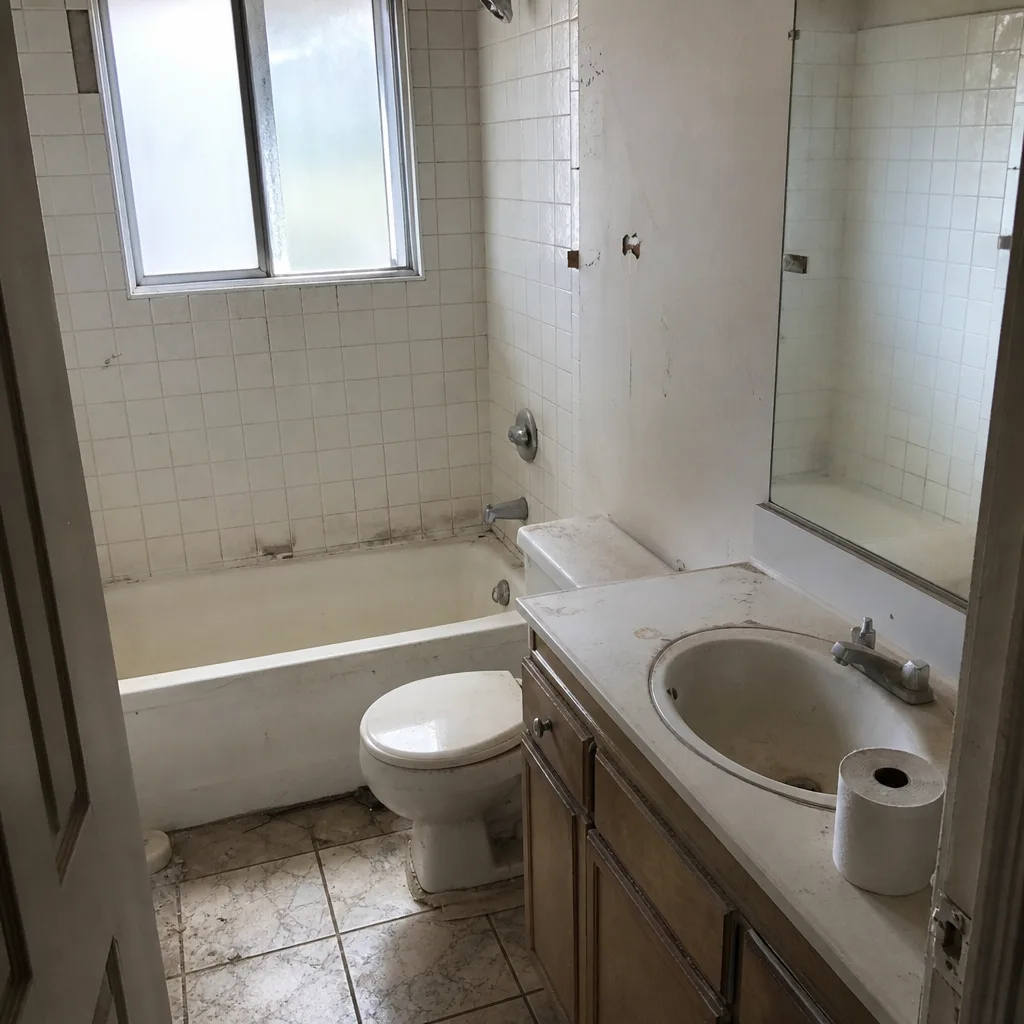
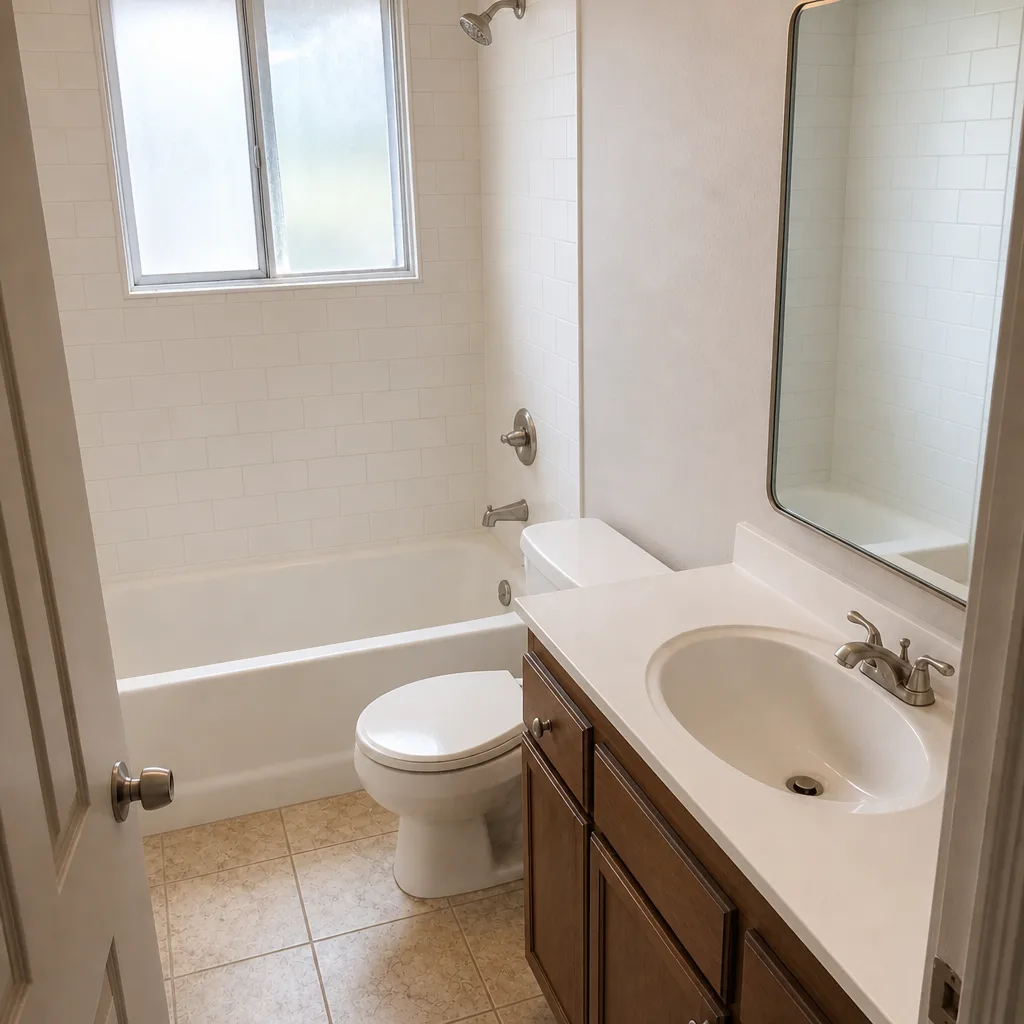
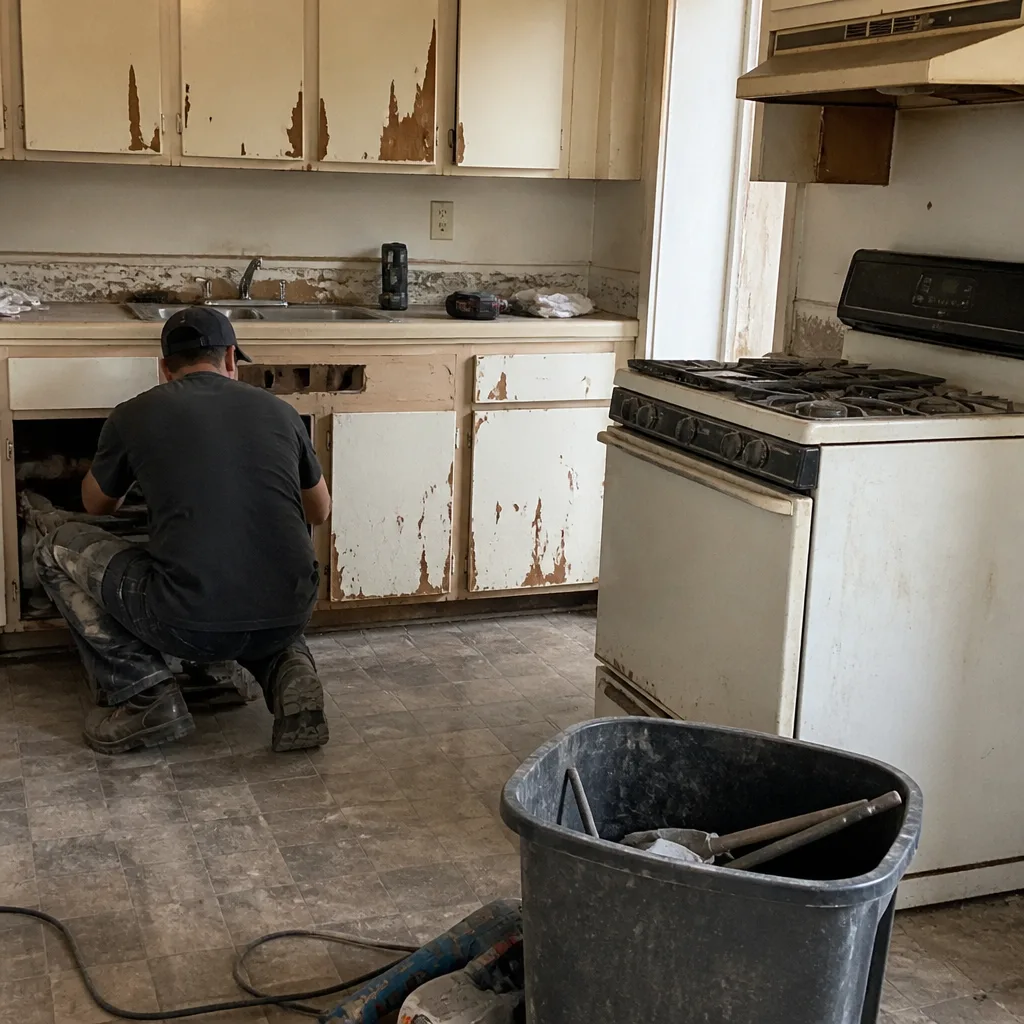
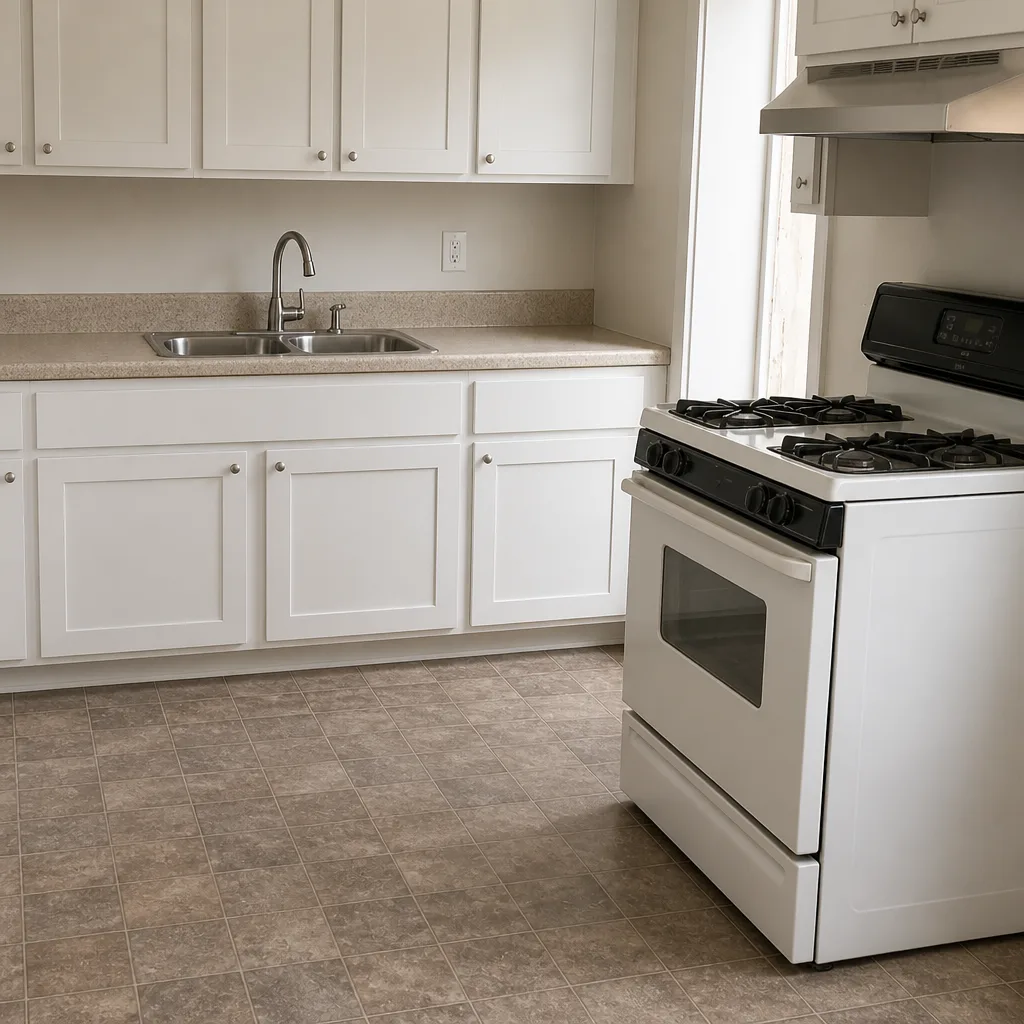
See the difference
 Before
 After
 Before
 After
 Before
 After
When to Call a Professional
Call a licensed contractor when any of the following is true: the rough opening is changing, the exterior stucco has to be cut or patched, the window or door is in a load-bearing wall, the old unit shows rot or the sill is soft, or the job requires a permit in Garden Grove. Those are the situations where the difference between correct flashing and wrong flashing is measured in thousands of dollars of damage, and it’s not a lesson worth learning with your house.
Barrett & Sons Construction Garden Grove offers free estimates in Garden Grove – call (833) 703-5196. Every quote is a written, line-item scope with allowances and any future change order spelled out before work starts. Our crews pull permits and get inspections signed on every eligible job, and every completed job is backed by the written 90-Day Done Right Promise: if something’s not done right, Tom comes back and makes it right, one call. If you’re also thinking about exterior work around the home, our Fence Installation in Garden Grove service runs the same way.
Frequently Asked Questions

An insert-style replacement that keeps the existing frame and rough opening is generally allowed without a permit for the homeowner in California. Any job that changes the rough opening, requires cutting stucco, or touches structural framing requires a licensed contractor and a permit. If the job needs a permit, you can’t pull it yourself as a homeowner in most California jurisdictions without acting as an owner-builder, and if the work goes wrong, you’re responsible for the remediation.
For a like-for-like insert replacement with no change to the rough opening, yes. For a full-frame replacement or any job that changes the opening size, Garden Grove’s building department requires a permit and an inspection. If you’re not sure which category you’re in, ask the contractor to put the answer in writing on the contract.
Insert replacement in an existing sound frame is achievable for a careful homeowner – expect 3 to 5 hours per window your first time and a learning curve on flashing tape and trim cuts. A full-frame replacement in a stucco wall is genuinely difficult and involves details a first-timer can’t get right without training. The gap between “I did it” and “I did it right” is where water damage lives.
Insert replacement runs about $600 to $1,100 per window installed in the Garden Grove market, depending on size and brand. Full-frame replacement typically runs $1,000 to $1,800 or more per window once stucco, flashing, patching, and permit are included. Call (833) 703-5196 for a written, line-item free estimate on your specific job.
An insert replacement drops a new window unit into an existing sound frame, leaving the wall and stucco untouched. A full-frame replacement removes the entire window including its frame, requires the rough opening to be re-prepared, and includes flashing, stucco return, and patching. The first is a reasonable homeowner project; the second is a licensed contractor job in California.
Yes, if the existing jamb and hinges are sound and the new slab matches the hinge pattern. Swapping a slab on existing hinges is a careful measuring job, not a structural job. Replacing a prehung exterior door unit that changes the rough opening or touches stucco is not a beginner project and needs a licensed contractor and often a permit.
No, and that’s the problem. A bad flashing detail behind stucco can hold for one dry season and only fail once the fall rain gets under the building paper. By the time you see drywall bubbling, paint peeling at the head, or a soft sill, the leak has been running for at least one season. If you’re seeing any of those signs, don’t caulk over them – call for an inspection.
The Bottom Line
The DIY decisions on windows and doors split along one line: does the job touch the wall, the rough opening, or the stucco? If it doesn’t, hardware swaps, weatherstripping, caulking, trim work, and slab swaps are safe, legal, and worth your Saturday. If it does, the job needs a licensed contractor, a permit, and correct flashing – because a failed install doesn’t show up as a problem, it shows up as water damage two rainy seasons later. In Garden Grove, our stucco homes and wet-then-dry seasons are rough on bad flashing. Pull the permit. Use the pro. And ask to see the signed inspection card at the end.
Barrett & Sons Construction Garden Grove is the owner-operated, name-on-the-truck alternative to the national outfits that quote one price on the phone and show up with another. Call (833) 703-5196 – a live person answers 24/7, and estimates in Garden Grove are free. Our published standing offers are $40 off any repair over $200, a free second opinion on any written estimate, no trip charge inside the county, and a permanent 10% Senior & Veteran discount.
Written by the team at Barrett & Sons Construction Garden Grove.