Last updated November 18, 2026


Free written scope consultation - allowances, timeline, and change-order rules on paper before a single trade is scheduled
Fence Installation Troubleshooting: Common Problems and How to Fix Them
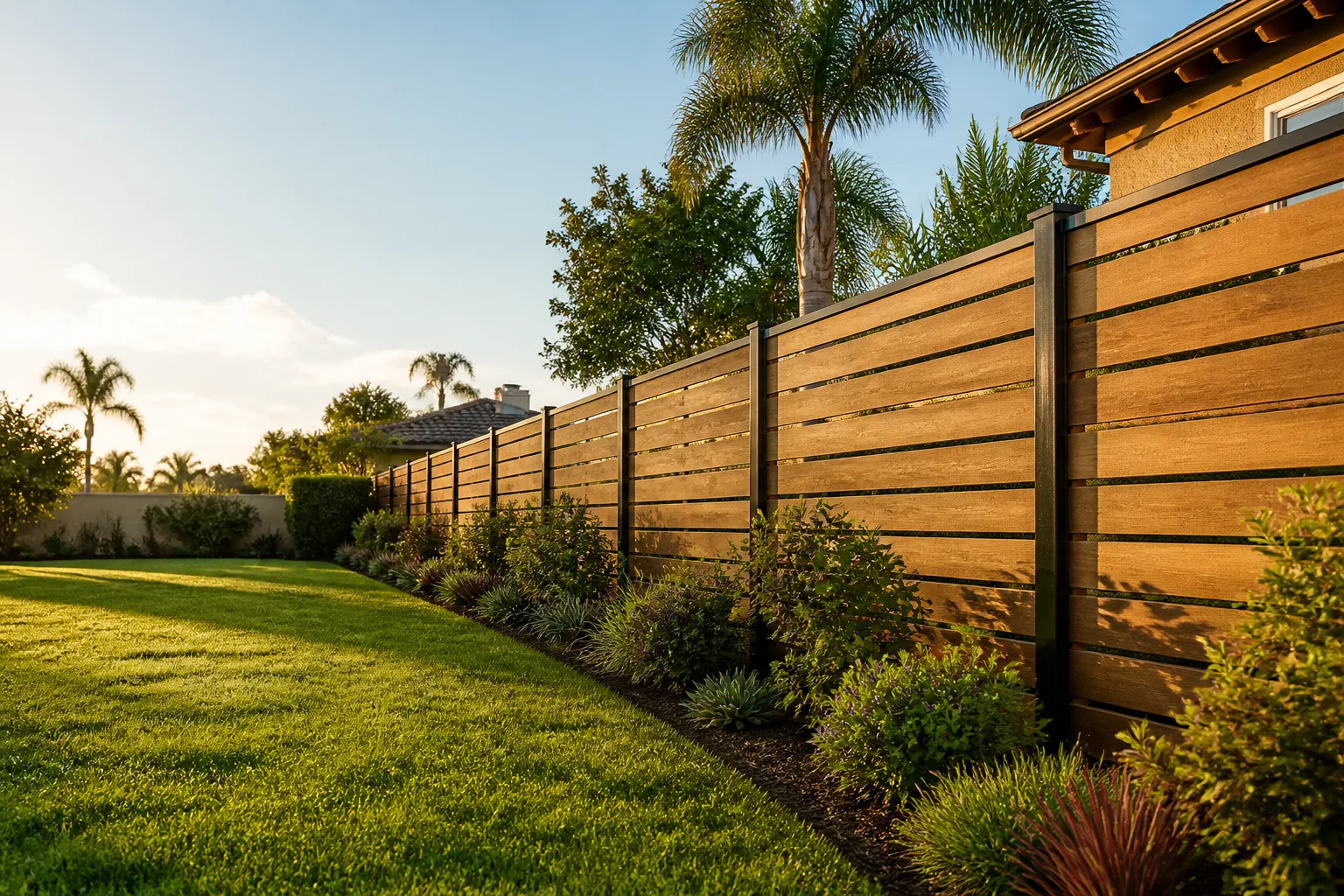
A leaning fence post is not a post problem. It’s almost always a footing problem, and the difference between a repair that lasts two years and one that lasts twenty comes down to whether anyone digs down to look at what’s actually happening at ground level. After decades of fence work around Garden Grove, we’ve watched homeowners sink new posts into the same wet soil, screw new hinges onto a post that’s quietly rotating, and replace warped boards without ever asking why they warped. This guide walks through the real causes behind the most common fence failures, how to diagnose what you’re actually looking at, and when a repair is worth the money versus when you’re just buying time.
Quick Answer
Most fence problems that look structural – a leaning post, a sagging gate, cracked or warped boards – trace back to a footing that wasn’t set deep enough, drainage that keeps the soil wet, or hardware that was undersized for the load. Fix the symptom without fixing the cause and it comes back. Diagnose the footing and drainage first, and you’ll know in about ten minutes whether you need a full replacement, a sister post, or a simple brace.
Styles & brands we work with
- Kitchen remodeling
- Bathroom remodeling
- Home additions & ADU
- Roofing
- Windows & doors
- Driveway & pavers
- Fence
Table of Contents
- Why Is My Fence Post Leaning, and What Actually Fixes It?
- Why Do Wood Fence Boards Warp and Crack in Southern California?
- Gate Alignment: Post Movement or Hardware Wear?
- Rust Migration: What It Tells You About Fastener Quality
- Drainage and Soil: The Root Cause Nobody Checks
- What Fence Problems Are Covered Under Warranty?
- Wood, Vinyl, or Composite: Which Fails Differently
- How to Prevent Repeat Failures
Why Is My Fence Post Leaning, and What Actually Fixes It?
Start by digging. Not shoveling out the whole post – just pull back six to eight inches of soil on the side the post is leaning toward and look at the concrete. What you find tells you which of three repairs you’re facing, and they cost very different amounts.
- Footing failure. The concrete is cracked, sitting above the soil line, or the post is loose inside the collar. This is a footing replacement. A sister post won’t save it because the anchor itself has failed.
- Shallow footing in expansive soil. The concrete looks intact but it’s only 12-18 inches deep. In Garden Grove’s clay-heavy soils, that’s not enough. A sister post driven alongside it and tied with through-bolts can stabilize it if the original footing is still sound.
- Soil movement or erosion only. The footing is solid and deep, but water has washed out one side. Recompact, redirect the water, and brace it. This is the cheap fix.
The order matters. We’ve seen homeowners buy a brace kit from the hardware store before they ever looked at the footing, then wonder why the post is leaning again by fall. If the concrete is cracked or the post rocks inside it, no brace on earth fixes that. Dig first, then decide.
For a deeper look at how we set footings and lay out a fence line in this climate, see our Fence Installation in Garden Grove page.
Why Do Wood Fence Boards Warp and Crack in Southern California?
Wood fence boards in Southern California fail faster than most manufacturer timelines suggest because the climate is brutal on wood in a specific way. It’s not the heat alone. It’s the swing. A board that bakes at 95 degrees in August and soaks up marine layer moisture in May expands and contracts repeatedly, and each cycle works the fasteners loose a little more. Add a dry Santa Ana wind event and you’ll hear boards start to cup and split within a single season.
Two things separate a material problem from an installation problem:
- Warping at the edges, consistent across the run. That’s installation. Boards were nailed tight without room to move, or green lumber was installed before it dried. Wood needs a small gap and room to breathe.
- Random cracking, knots splitting, boards cupping in one section only. That’s material. Lower-grade lumber with high moisture content at the mill, or boards cut from near the pith of the tree. No installation technique saves bad stock.
In Garden Grove, the biggest mistake we see is installing tight against a neighbor’s property line where airflow is restricted. A fence with no air movement on either side holds moisture and warps twice as fast as one with a little breathing room. If you’re replacing boards, ask what grade and moisture content you’re getting before the order goes in. Premium brands matter here as much as anywhere else – the same way we specify PGT and CGI products on our window jobs, we specify known lumber grades on fences.
Gate Alignment: Post Movement or Hardware Wear?
A gate that drags or won’t latch has one of two causes: the post moved, or the hardware wore out. You can tell which in about five minutes, and the answer saves you from buying hinges you don’t need.
- Open the gate to 90 degrees and look at the gap at the top and bottom of the hinge side. If the gap is even top to bottom, the post is plumb and the problem is hardware.
- Check the gate post with a level. If it’s out of plumb by more than a quarter inch over the post height, the post has moved. New hinges won’t fix a post that’s rotating. You’ll be back at it in a month.
- Look at the hinge screws. If they’re loose or pulling out of the wood, that’s either undersized screws (hardware problem) or soft, wet wood at the hinge point (post problem).
- Swing the gate by hand and watch the hinge plates. Movement at the plate but not at the wood means the hinge is worn. Movement at the wood means the fastener is failing.
Gate posts carry more load than line posts, so they need a deeper footing – typically 30-36 inches in this soil rather than the 24 that works on a straight run. When we build a gate in Garden Grove, the gate post gets the heavier footing and the heavier hardware every time. It’s the single most common thing we correct on repair calls.
Rust Migration: What It Tells You About Fastener Quality
Rust creeping out from a screw head and staining the wood around it is not cosmetic. It’s a signal that the fastener wasn’t hot-dipped galvanized or stainless, and it corrodes from the inside out. The screw you see is the last part to fail – the shaft inside the wood is usually gone first, which means your boards are holding on by rust.
What to check:
- Brown or orange streaks running down from screw heads means standard galvanized or electroplated fasteners in a coastal-influenced climate. Garden Grove sits close enough to the coast that the marine air eats cheap hardware fast.
- Rust bleeding from hinges onto vinyl or composite posts is the same problem at the hardware level. Stainless hinges and stainless screws are the only fix.
- Discoloration at the base of a post where it meets the concrete tells you the post anchor is corroding. That’s a footing inspection call, because the post can let go without warning.
When we quote a fence, the fastener spec is in writing. Hot-dipped galvanized or stainless, and you’ll see the line item. That’s part of why every scope, every allowance, and every price change arrives on paper before we start – the allowance that isn’t on paper is a surprise waiting for a date.
Drainage and Soil: The Root Cause Nobody Checks
This is the one that catches almost every homeowner. The post is leaning, so the fix feels like it should be at the post. But a footing that sits in water will fail no matter how well it was poured. Before you spend a dollar on the fence, walk the line after a rain and look for standing water or a visible gradient running toward the fence.
Garden Grove has heavy clay soil that sheds water slowly. A low spot along the fence line, a downspout that dumps within three feet of a post, or a slope from a neighbor’s yard that sends runoff under your fence will undermine a footing within a couple of seasons. Signs to look for:
- Soil pulled away from the concrete collar, leaving a gap
- Visible silt lines on the concrete after rain
- Moss or dark, permanently damp soil at the base of one or two posts while the rest are dry
- A post that leans most in spring and recovers slightly by late summer
That last one is the tell. A post that moves seasonally is a drainage problem, not a footing problem. Regrade, extend the downspout, or install a shallow swale, and you can save the fence without replacing it. Skip that step and you’ll be fixing the same lean every couple of years.
What Fence Problems Are Covered Under Warranty?
What’s covered depends entirely on what’s documented in the contract, and most homeowners discover at the worst possible moment that their paperwork doesn’t say. A warranty claim starts with a written scope that spelled out materials, finish, footing depth, and hardware, plus dated photos of the installation. No documentation, no claim.
In our experience, these categories break down like this:
- Usually covered: footing failure on a post set to contract spec, premature material failure within the manufacturer’s stated window, hardware corrosion on specified stainless or hot-dipped product, installation workmanship defects.
- Usually not covered: warping from normal seasonal movement in wood, acts of weather (fallen tree, wind event beyond design load), damage from the homeowner’s own landscaping, drainage the homeowner was told in writing to correct.
- Case by case: gates that go out of alignment over time; board checking that’s cosmetic versus structural; posts affected by a neighbor’s drainage that the contractor flagged in writing.
To make a claim, you need the original contract, the written scope, the material specs, the install date, and photos. If the contractor can’t produce those, that tells you something. Barrett & Sons backs every completed job with the 90-Day Done Right Promise – written on the contract, not buried in fine print, and one call brings us back to make it right.
Wood, Vinyl, or Composite: Which Fails Differently
The failure modes are not the same across materials, and the repair logic changes with them. Wood warps and cracks; vinyl bows and cracks at the fasteners; composite sags and can develop mold along the rail. Knowing your material tells you what a “leaning post” actually means.
- Wood: Fails at the fastener and the footing. Warping and checking are climate driven. Best fix for longevity: proper footing depth, drainage, and hot-dipped fasteners.
- Vinyl: Fails at the post base when a footing fails, because the panel offers no flex. A leaning vinyl post almost always means the concrete has moved. Vinyl also cracks at the routed rail pockets if there’s thermal movement.
- Composite: Fails at the rails and the gate. Heavier than wood, so hardware and hinges take more load. Post footings need to be slightly deeper. Mold along a north-facing rail is common in Garden Grove’s marine layer months.
When we spec hardware across our trades, we’ve learned the brand matters. PGT and CGI products earn their reputation the same way premium fencing hardware does – you can verify the spec sheet. If you can’t, you’re buying the van’s mystery brand and hoping.
How to Prevent Repeat Failures
A fence that lasts doesn’t happen by luck. It’s the sum of a few decisions made before the post goes in the ground, and those decisions get a lot more attention when they’re written down.
- Set footings below frost line and below expansive soil. In Garden Grove, that’s typically 24-36 inches depending on post type. Ask for the depth in writing.
- Specify hot-dipped galvanized or stainless fasteners. Every screw, every bracket, every hinge. This is the cheapest insurance on the job.
- Fix drainage before the fence goes up. Regrade, redirect downspouts, and address any standing water along the fence line.
- Leave a small gap between wood boards. Room for seasonal movement means fewer cracks next summer.
- Pull the permit. Garden Grove requires permits for most fence installations over the standard height, and the inspector who signs off is working for you, not for us. That’s the whole point.
For fences tied into a larger driveway, hardscape, or paver project, see our Driveway & Pavers in Garden Grove page. And if the fence is part of a larger property update, our Home Additions & ADU in Garden Grove work often includes fence line re-routing around new construction footprints.
Common Mistakes to Avoid
- Bracing a post before checking the footing. A brace on a failed footing lasts one season. Dig first, then decide.
- Replacing hinges on a gate post that’s out of plumb. The gate will fall out of alignment again within months. Check the post with a level before you buy hardware.
- Installing boards tight without room for seasonal movement. A staple of DIY jobs and the number one cause of warping we see in Garden Grove.
- Using electroplated screws to save a few dollars. Rust starts inside the wood within a year. It’s not cosmetic.
- Ignoring drainage. The one thing every homeowner skips, and the one thing that determines whether the new fence lasts ten years or thirty.
- Skipping the permit to avoid the inspection. The permit inspector is your check on how the footing was actually set. Without the inspection, you’re trusting the truck in the driveway.
- Accepting a verbal scope. If the footing depth, hardware grade, and material grade aren’t in the contract, they aren’t guaranteed. Verbal promises don’t hold up in a warranty claim.
See the difference
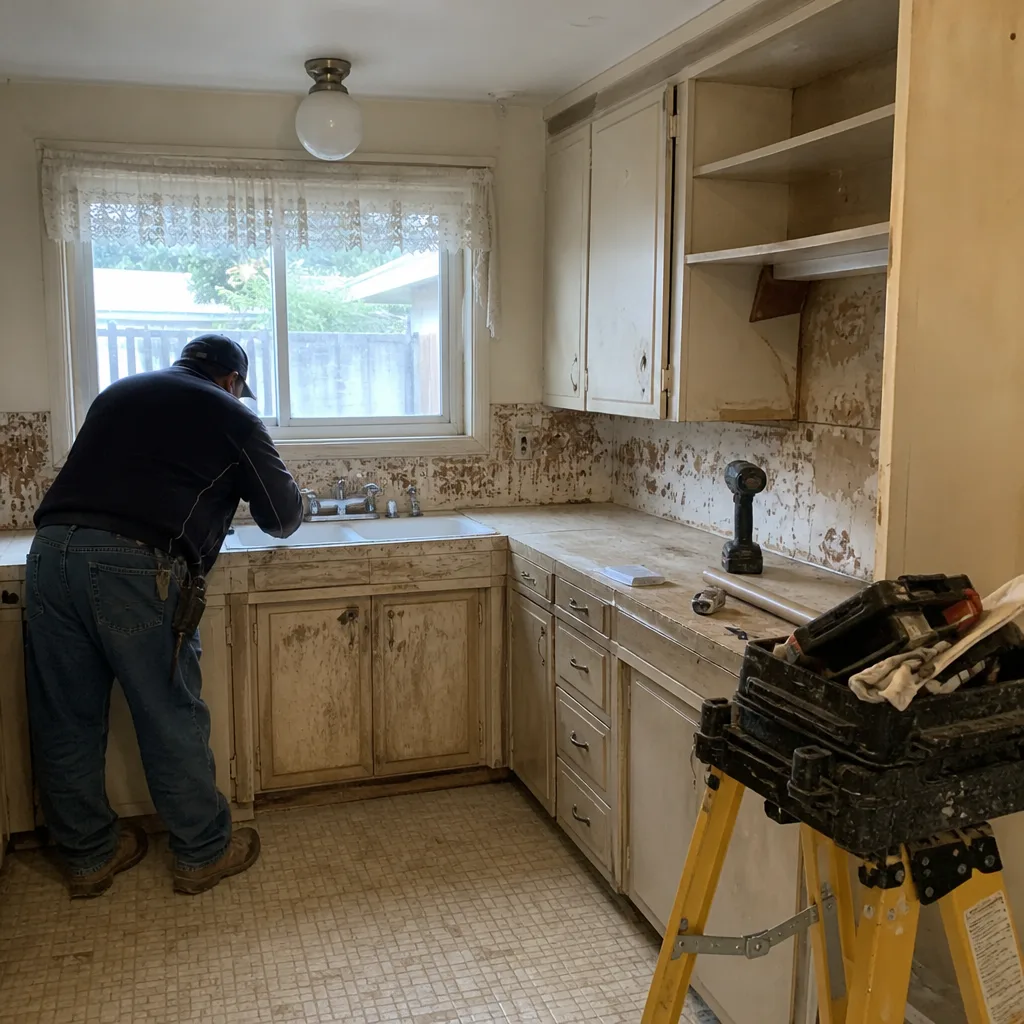 Before
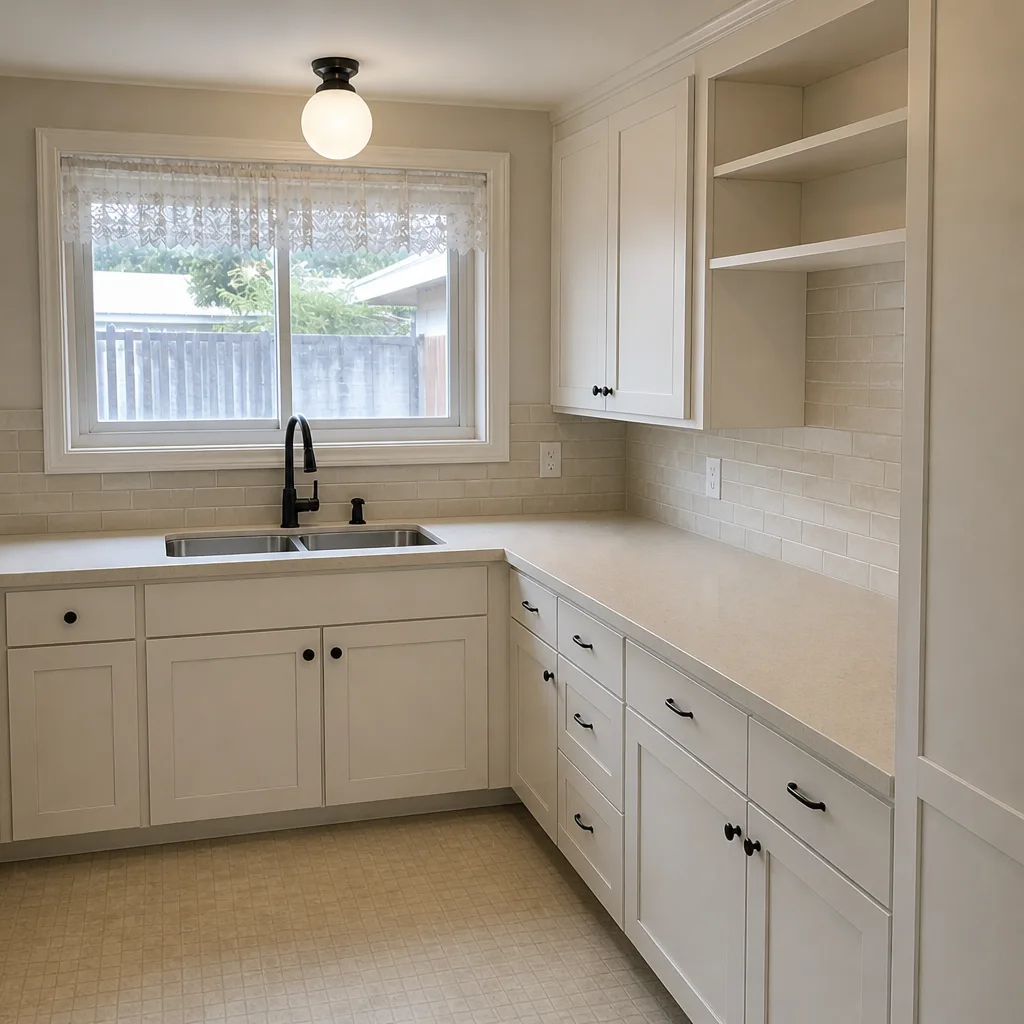 After
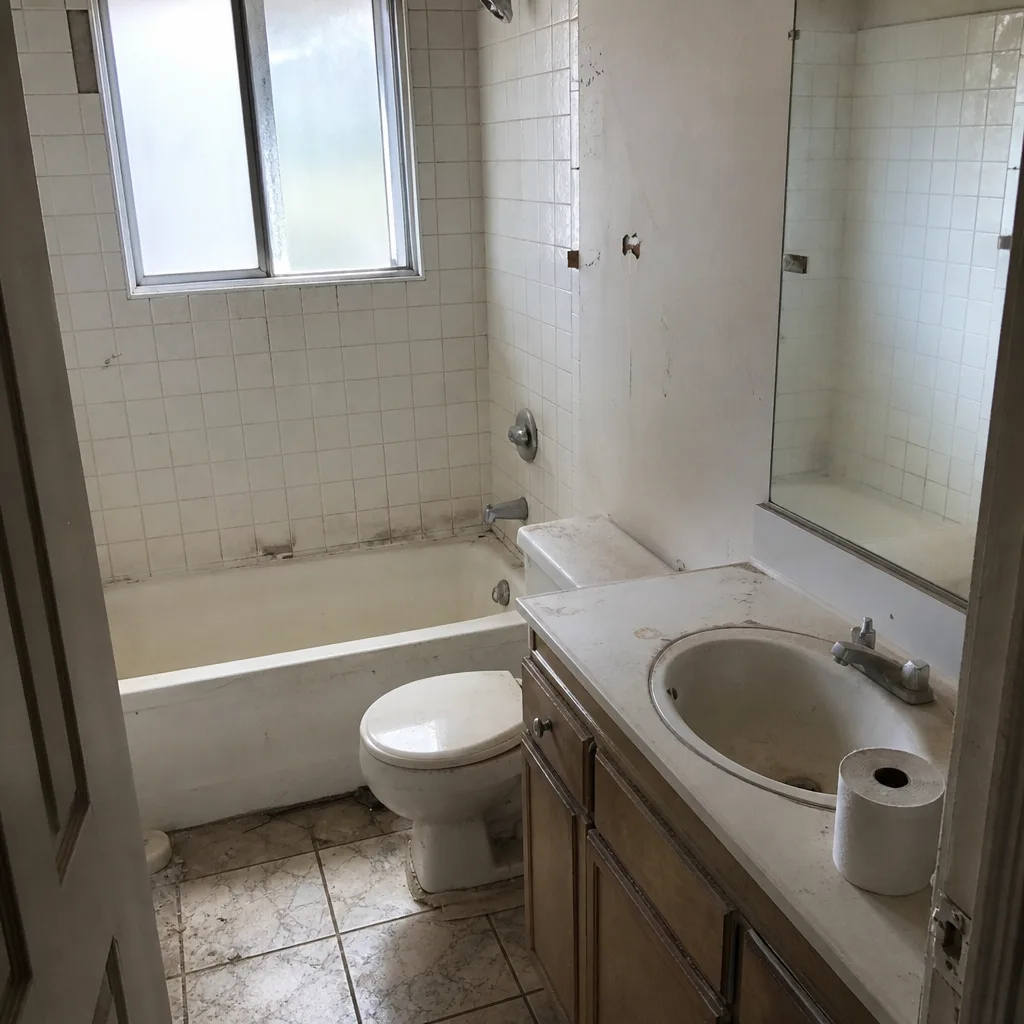 Before
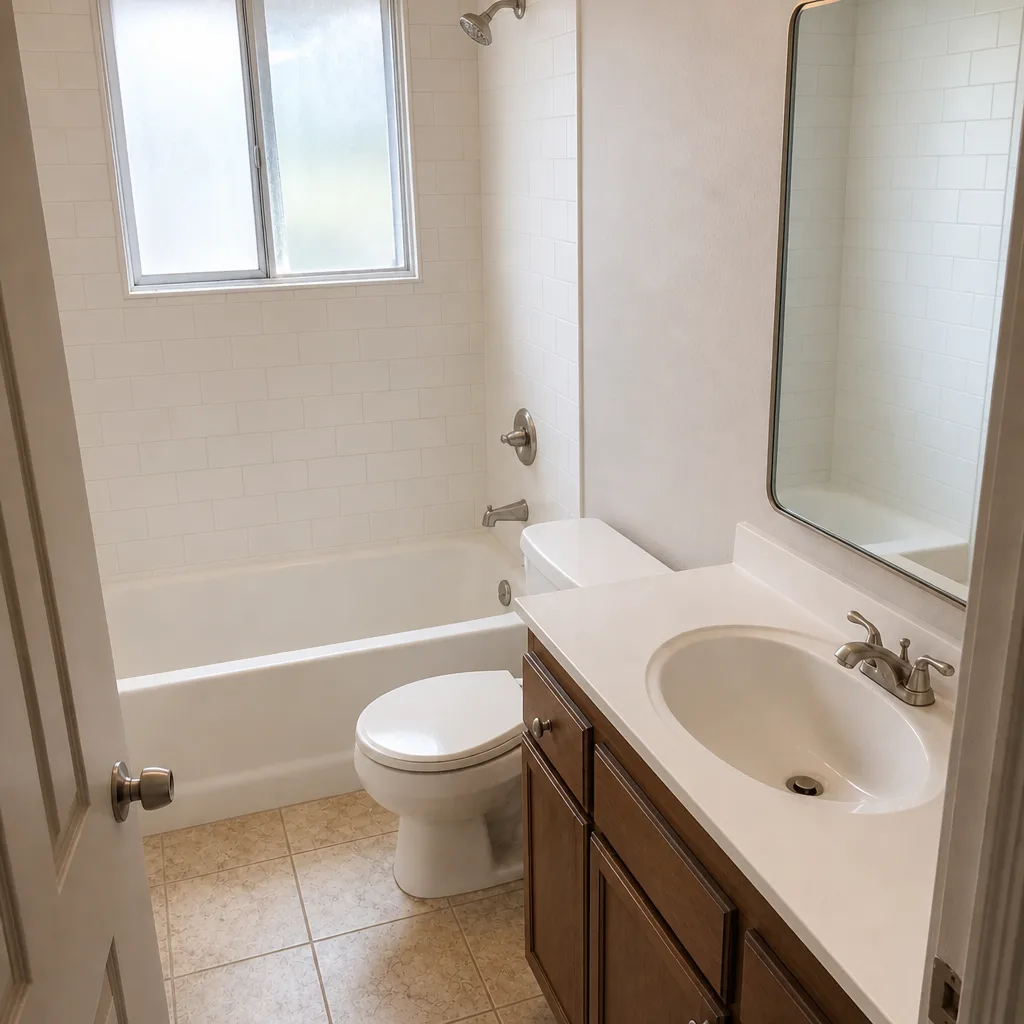 After
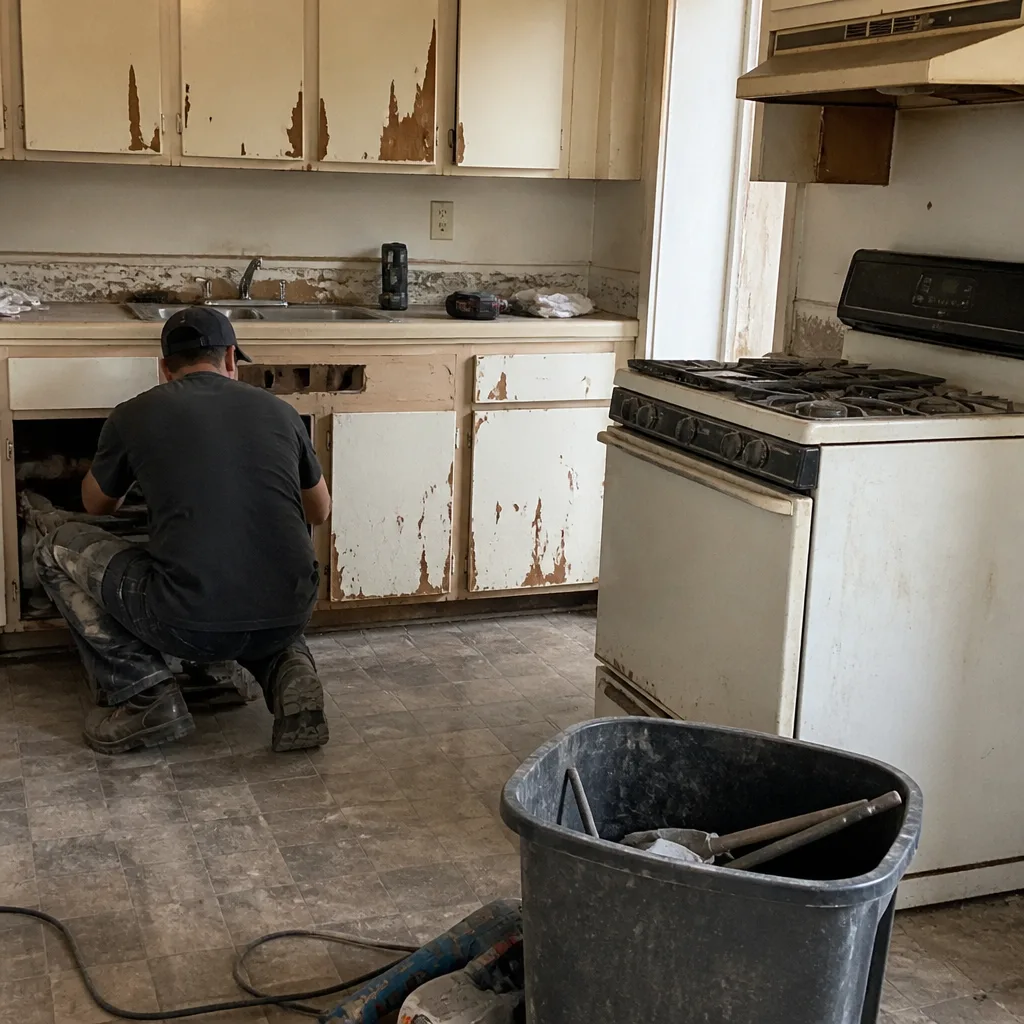 Before
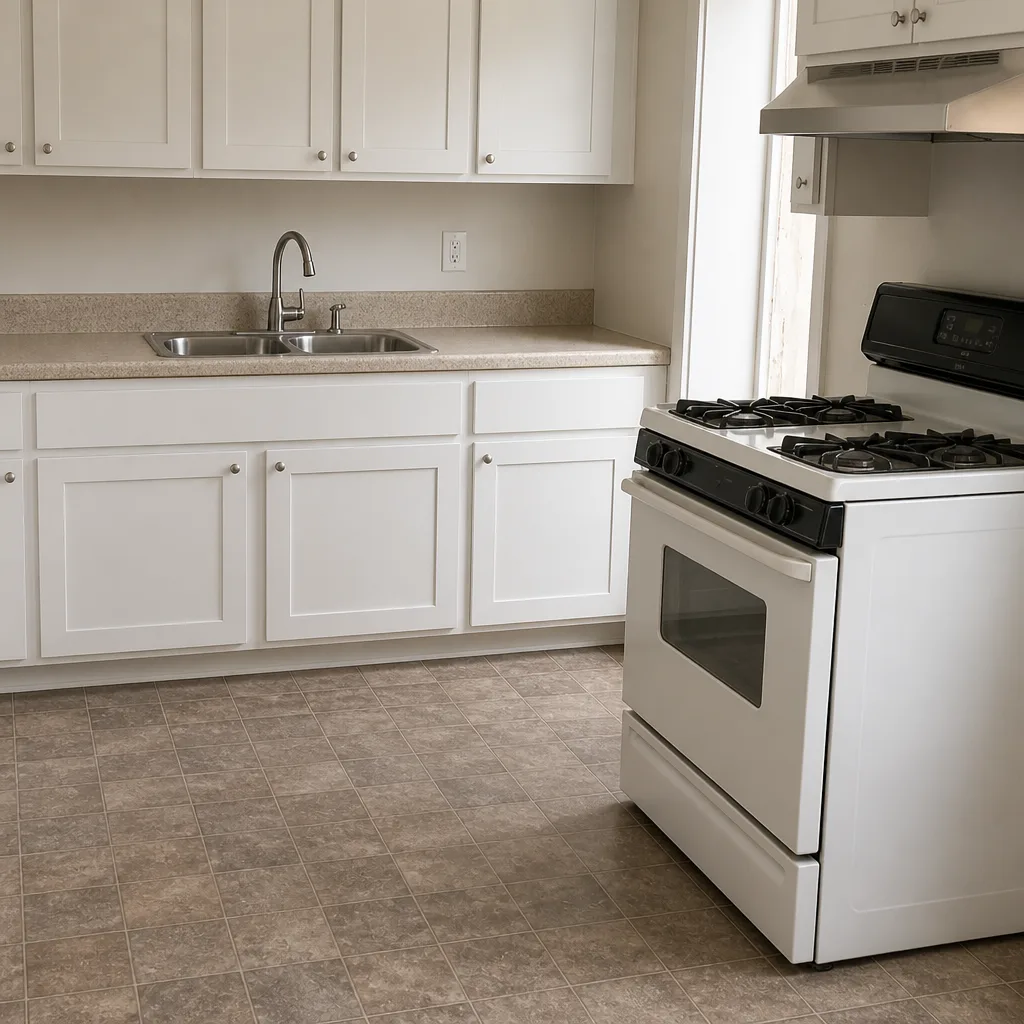 After
When to Call a Professional
Call a professional when the footing is involved, when the post is out of plumb by more than a quarter inch, when a gate post has moved, when you see rust bleeding into the wood, or when the fence line sits in a drainage problem you can’t regrade on your own. Those are all conditions where a repair done without diagnosis means doing the work twice. If your fence is under warranty from a prior contractor, call them first, but know that making a claim depends on the documentation in your contract. If you can’t get traction, a second opinion on the written estimate often clarifies who owes what. Barrett & Sons Construction Garden Grove offers free estimates in Garden Grove – call (833) 703-5196 to schedule one.
Frequently Asked Questions
A brace or sister-post repair typically runs a few hundred dollars, while a full footing replacement runs higher because of concrete work and resetting. The exact number depends on the cause, which is why we dig first. Call (833) 703-5196 for an exact quote – estimates are free.
You can often brace a post yourself if the footing is intact and the cause is soil erosion. But if the concrete is cracked or the post rocks inside the collar, a footing replacement is the only real fix, and that’s a job for someone who sets footings to spec. Call us for a free second opinion on any written estimate before you commit.
Garden Grove requires permits for fences above the standard residential height, and often for fences in certain property-line conditions. Permits get pulled and inspections signed on every eligible job we do. That inspector works for you, not for us.
Two reasons dominate in Southern California: boards installed tight without room for seasonal movement, and lower-grade lumber with high moisture content at the mill. In Garden Grove’s marine layer months, the swing between damp and dry is hard on wood. Specifying a better grade and leaving a gap prevents most of it.
Not without your say-so. Every scope, every allowance, and every price change arrives as a written change order before it touches the job. Our 90-Day Done Right Promise is on the contract, not buried in fine print.
A brace or hinge replacement is usually a half day. A footing replacement takes one to two days including cure time before the rail can go back on. Full fence installations run longer depending on linear footage. Call (833) 703-5196 to schedule your free estimate and get a realistic timeline.
The Bottom Line
The reason most fence repairs fail is that they treat the symptom instead of the footing and drainage underneath it. A leaning post is a footing question. A warped board is a material and installation question. A dragging gate is a plumb question before it’s ever a hinge question. Dig down, look at the concrete, check the drainage, and read the contract before you sign anything. If your fence work is part of a bigger plan around the property, start with our Barrett & Sons Construction Garden Grove home page to see how we handle the surrounding trades. Our technicians have up to 28 years of experience, and every job we run comes with written change orders, permits pulled, and the 90-Day Done Right Promise.
Ready to get it done right the first time? Call (833) 703-5196 for a free estimate in Garden Grove. Bring your written estimate from any other contractor and we’ll give you a free second opinion – no trip charge inside the county, plus the standing senior and veteran 10% discount and $40 off any repair over $200.
Written by the team at Barrett & Sons Construction Garden Grove.