Last updated November 18, 2026


Free written scope consultation - allowances, timeline, and change-order rules on paper before a single trade is scheduled
Driveway & Pavers Maintenance Checklist for Garden Grove Homeowners
The number one driveway mistake in coastal Orange County isn’t skipping the sealer. It’s applying sealer over sand-set pavers that have already started shifting, which traps moisture and accelerates the exact cracking you were trying to prevent. Garden Grove sits in a marine-layer pocket that soaks pavers all winter and then bakes them under hard summer sun, and that cycle does predictable damage in a predictable order. This checklist walks you through the year in the right sequence, month by month, so you fix what’s underneath before you ever reach for a bucket of sealer. We’ll cover what you can handle on a Saturday and what changes your warranty if you get it wrong.
Quick Answer
Maintaining driveway pavers in Garden Grove means inspecting joints and edges every season, keeping sprinkler overspray off the surface, and only sealing clean, stable, properly sanded pavers – never sealing over a driveway that’s already shifting. Most repair needs here come from winter moisture followed by summer UV, so the right order is inspect, re-sand, re-level, then seal last.
Styles & brands we work with
- Kitchen remodeling
- Bathroom remodeling
- Home additions & ADU
- Roofing
- Windows & doors
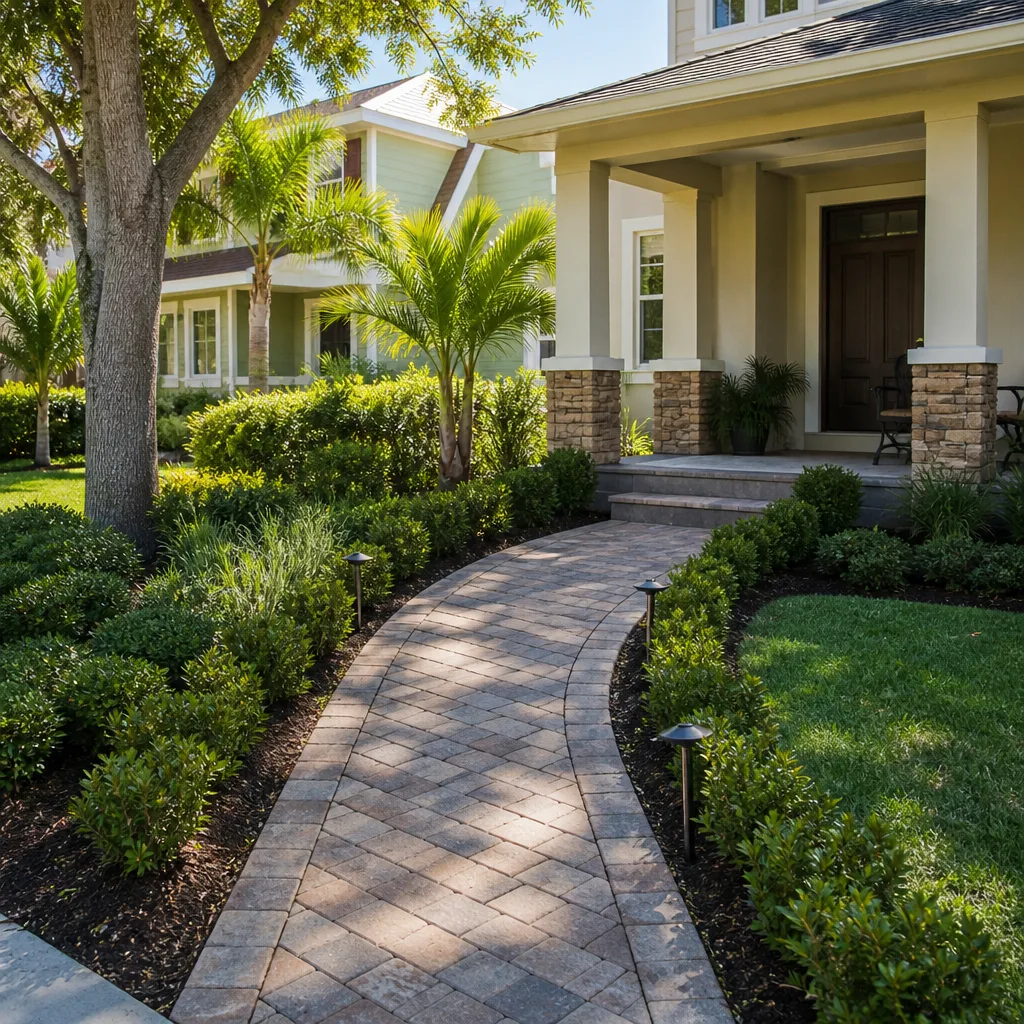
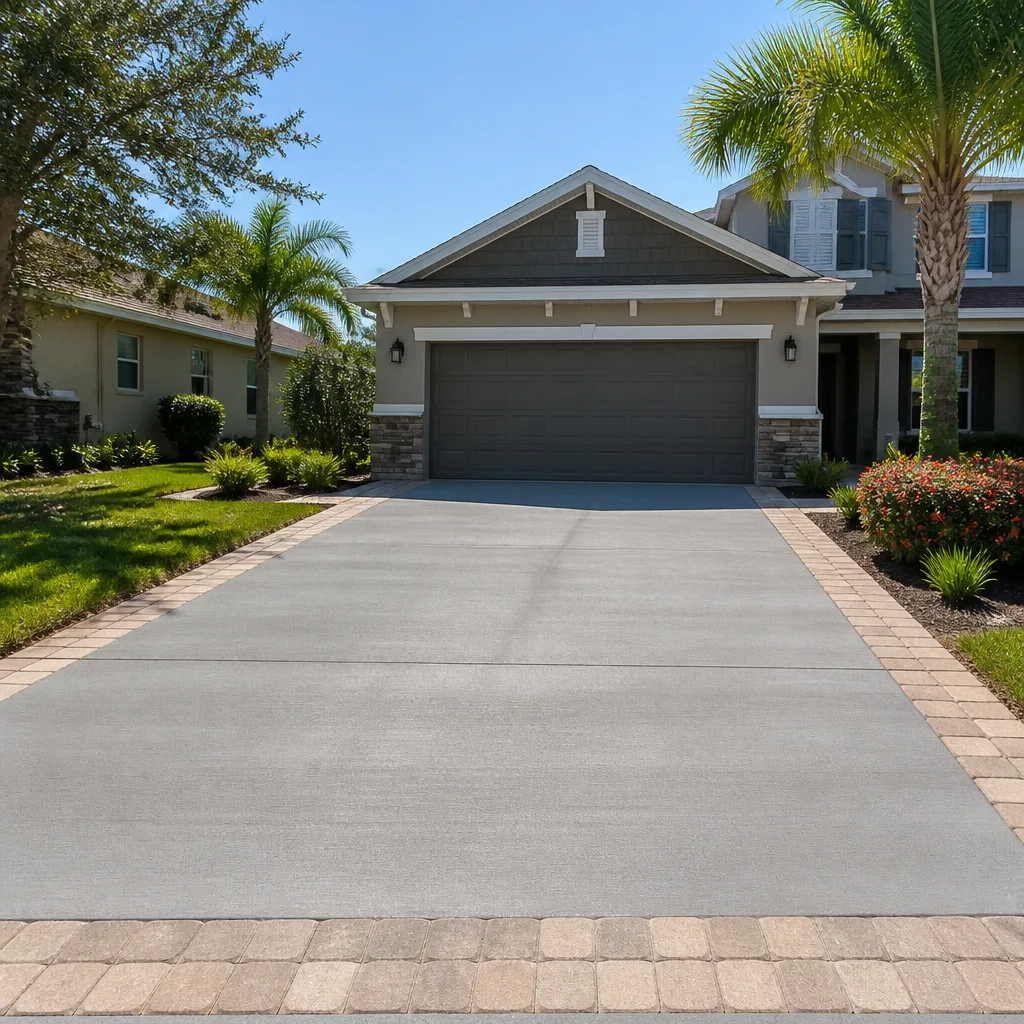
- Driveway & pavers
- Fence
Table of Contents
- Why Garden Grove’s Climate Wears Pavers Differently
- Month-by-Month Maintenance Calendar
- Spotting Edge Creep and Joint-Sand Washout Early
- Cosmetic Seal vs. Structural Re-Bed
- The Sprinkler Overspray Problem
- What You Can Do Yourself vs. What Changes Your Warranty
- Common Mistakes to Avoid
- When to Call a Professional
Why Garden Grove’s Climate Wears Pavers Differently
Garden Grove doesn’t get four clean seasons. It gets a wet, cool stretch from roughly November through March, when the marine layer rolls in off the coast and keeps concrete and pavers damp for days at a time, followed by a long dry run where afternoon sun hits hard and surface temperatures on a south-facing driveway can climb well past 120 degrees. That swing is what ages a driveway, not any single storm or heat wave. The material expands in the heat, contracts as the evening fog cools it, and the joint sand between the units works its way loose a little more each cycle.
The neighborhoods tell the story. In the older tracts near the Garden Grove Historical Main Street area, you’ll find driveways set decades ago on a compacted base that’s had plenty of time to settle. Out toward the west side and the edges near Westminster and Stanton, irrigation is heavy and the water table sits higher, so base saturation is a real concern. And in any Garden Grove neighborhood with mature ficus or liquidambar street trees, roots push from below while the canopy keeps the surface shaded and slow to dry.
What this means at the surface:
- Joint sand washes out fastest during the winter rains, not the summer.
- Efflorescence (that white chalky haze) shows up after wet spells as salts migrate up through the pavers.
- Edges creep outward when the base at the perimeter softens and the units have nothing holding them tight.
- UV fading and color loss hit the sun-exposed center of the driveway hardest while shaded edges hold their color.
The order matters because each of these feeds the next. A loose joint lets water in, water softens the base, a soft base lets the paver move, and a moving paver cracks. Seal over that and you’ve sealed in the problem. For a full picture of how a driveway should be built in the first place, see our Driveway & Pavers in Garden Grove page.
Month-by-Month Maintenance Calendar
Generic “spring and fall” advice doesn’t fit Garden Grove. Here’s a calendar tuned to what actually happens here, month by month.
- January – March (wet season): After each significant rain, walk the driveway and look for standing water that lingers more than a day. Check that every joint still holds sand. Skip any sealing or major work; surfaces stay too damp to bond properly.
- April – May (dry-out): This is your best inspection window. Once the ground has dried out, look for low spots, rocking pavers, and sand loss. Re-sand joints now while the surface is stable and dry. Fix any sprinkler heads that spray onto the driveway before summer.
- June – August (peak UV): Watch for color fade on the sun-facing section and for hairline cracks at the edges. Re-aim irrigation. Don’t seal during a heat wave; sealer needs moderate temperatures to cure without trapping moisture or hazing.
- September – October (shoulder season): The ideal month to seal, if your driveway qualifies. Surfaces are dry, temperatures are moderate, and there’s no rain in the forecast. Do a full joint-sand top-off first.
- November – December (return of rain): Clear leaf litter and debris from the driveway and any drainage channel. Check that water still runs toward the street or a drain, not toward the garage. Inspect edges before the heaviest rain arrives.
Two of those windows – late spring re-sanding and early fall sealing – are the ones homeowners most often miss, and they’re the two that keep a driveway out of the “needs a re-lay” category. A few hours twice a year beats a five-figure replacement.
Spotting Edge Creep and Joint-Sand Washout Early
Edge creep is the slow outward migration of the pavers along the perimeter of the driveway, and it’s the single best early warning sign you’ll get. When the edge restraint loosens or the base at the border softens, the outer row of pavers starts easing outward. It happens a quarter inch at a time, so it’s easy to miss until the row is visibly proud of its neighbors or the gap at the garage door has widened.
Here’s how to check for it yourself:
- Lay a straightedge (a 4-foot level works) along the outer edge and see if the line still runs true.
- Press down on the edge pavers with your heel. Any rocking or give means the base beneath is compromised.
- Look at the joint next to the edge restraint. A widening gap or exposed plastic edge is a red flag.
- Watch for sand collecting against the garage door or the curb – that’s sand that washed out of the joints and moved.
Joint-sand washout goes hand in hand with edge creep. When the joints lose sand, the pavers lose the interlock that holds the whole surface together, and every wheel that rolls over them nudges them a little more. Re-sanding is cheap and quick; a re-lay is neither. If you catch washout in the fall, before the winter rains, you’ve saved yourself the spring repair.
This is also where your fencing and the edge of your driveway interact. A loose fence post or a fence footing that’s heaved can let water channel straight into the driveway perimeter. If you’re seeing edge problems near a fence line, it’s worth a look at our Fence Installation in Garden Grove page to understand how fence footings and driveway edges should be kept apart.
Cosmetic Seal vs. Structural Re-Bed
This is the distinction that saves Garden Grove homeowners the most money, and it’s the one most people get wrong. A cosmetic seal is a surface treatment: it goes on a clean, stable, properly sanded driveway to lock in joint sand, deepen the color, and slow UV fade. A structural re-bed is base work: it lifts the affected pavers, rebuilds the compacted base underneath, re-levels, re-sands, and re-seats. They solve completely different problems.
Which one does your driveway actually need? Use the surface you’re standing on as the test:
- Cosmetic seal is appropriate if: the pavers are tight, the joints are full of sand, the surface is even under a straightedge, and the only complaint is dull or faded color.
- Structural re-bed is needed if: pavers rock when you step on them, the surface has settled into low spots that hold water, joints are wide and empty, or the edge has crept. Sealing any of these traps moisture and makes the cracking worse.
In our experience, the “seal it and hope” approach is the most common and most expensive mistake on sand-set driveways in Garden Grove. Sealer is a good product used in the wrong place at the wrong time. When the base is right and the joints are full, a quality sealer does real work. When the base is soft, sealer just hides the problem for a season or two and then the fix costs more. If you’re weighing a repair against a full replacement, the same logic applies: fix the base or replace it, but don’t dress it up.
The Sprinkler Overspray Problem
Ask any driveway contractor what quietly destroys more pavers than anything else in Garden Grove’s irrigated neighborhoods and the answer is sprinkler overspray. It’s underrated because it’s invisible most of the time. A head that’s aimed a few degrees too far sprays a fine mist across the driveway for fifteen minutes a day, and over a season that constant wet-dry cycle softens the base at the edge, feeds efflorescence, and encourages the moss and algae that make a driveway slick.
Catching it is simple. Run each zone in the morning and watch where the water lands:
- Overspray on the driveway surface itself: re-aim or replace the head.
- Water pooling at the driveway edge after the zone shuts off: the grade is pushing irrigation toward the pavers, not the lawn.
- Green algae or dark staining along one border: that strip is staying wet far too long.
- A sprinkler head that’s sunk or tilted after a season of use: the spray pattern drifts without you noticing.
Fix the irrigation before you spend a dime on sealing or re-sanding. There’s no point topping off joint sand and sealing a surface you’re going to soak again tomorrow. Redirect the water, let the driveway dry out for a week or more, then do the repair work. This one change extends the life of a Garden Grove driveway by years, and it costs nothing but an afternoon.
What You Can Do Yourself vs. What Changes Your Warranty
Some maintenance genuinely belongs to the homeowner. Some of it will cost you if you get it wrong, either in future repair work or in a warranty claim. Here’s the honest split.
Reasonable Saturday work:
- Cleaning with a stiff broom and a garden hose – no high-pressure blasting into the joints.
- Pulling weeds from joints by hand before they take hold.
- Re-aiming or replacing sprinkler heads.
- Topping off joint sand with a product like Sakrete or Quikrete polymeric sand on a dry, stable surface, following the bag directions.
- Clearing debris and leaf litter from drainage paths ahead of winter.
Work that can change how a warranty is honored:
- Lifting and re-setting pavers yourself on a driveway that’s still under a workmanship warranty. Once the base has been opened by someone else, it’s very hard to separate a base failure from the rework.
- Pressure-washing at high pressure, which blasts out joint sand and opens the interlock.
- Applying sealer over a driveway that’s shifting. You’ve now trapped the moisture the warranty was meant to address.
- Cutting, chipping, or grinding pavers at the edges without reseating them.
When work is done right, it also comes with paperwork. Every scope, every allowance, and every price change should arrive in writing before the work happens – the allowance that isn’t on paper is a surprise waiting for a date. If your driveway connects to a larger project, like a new garage or a paver patio, see our Home Additions & ADU in Garden Grove page, where hardscape and base work get folded into the scope with the same written protection. And if you’re comparing bids and want a second set of eyes, our team at Barrett & Sons Construction Garden Grove home offers a free second opinion on any written estimate.
Common Mistakes to Avoid
- Sealing over shifting pavers. This is the classic Garden Grove error. Sealer on a moving base traps moisture and speeds up the cracking you were trying to stop. Fix the base first, seal last.
- Pressure-washing into the joints. A high-pressure wand blasts out the joint sand that holds the whole interlock together. Use a gentle rinse and let the sand stay put.
- Ignoring sprinkler overspray. A misaimed head sprays the driveway every morning for years. Re-aim it before you spend money on repairs; the water is doing the damage, not the weather.
- Adding sand to a wet surface. Polymeric and joint sands need a dry surface to set. Sand applied over a damp, winter-soaked driveway washes right back out.
- Skipping the drainage check before winter. If water can’t run off toward the street or a drain, it pools at the low spot and softens the base all season. Clear the path before the rains arrive.
- DIY re-bedding on a warranted driveway. Lifting pavers yourself to “fix” an edge can void the workmanship protection on the whole surface. Know what’s covered before you open the base.
- Choosing sealer before material. On new work, or a full replacement, ask for named brands you can look up – Belgard and Techo-Bloc are two we install – rather than an unbranded paver off a truck. It’s the difference between a ten-year driveway and a twenty-year one.
When to Call a Professional
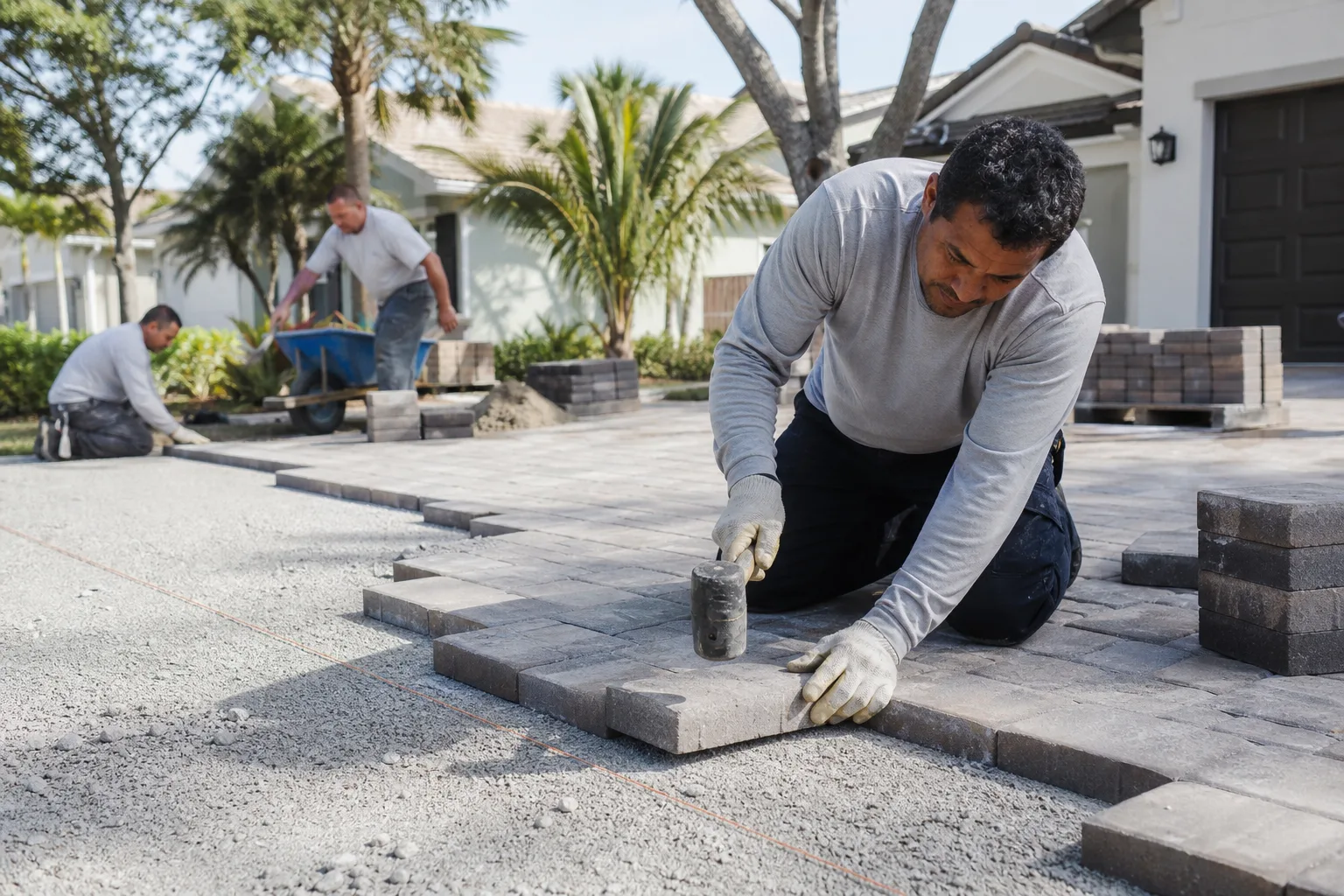
Some of what we’ve covered is a Saturday afternoon. Some of it is a crew-and-equipment job, and it’s worth knowing where the line sits. Call a professional when pavers rock underfoot across more than a small patch, when the surface has settled into low spots that hold water, when the edge has crept and the restraint is exposed, or when a base failure has opened after a wet season. Those are structural, and sealing or spot-patching won’t hold. High-pressure cleaning done wrong will also change the picture, so if a driveway is already shifting, leave the equipment alone and get eyes on it. In our experience, catching a settling driveway in the spring, before the dry season locks the base in place, is the cheapest window you’ll ever get.
Barrett & Sons Construction Garden Grove offers free estimates in Garden Grove – call (833) 703-5196. Our technicians have up to 28 years of experience, every eligible job includes permits pulled and inspections signed, and every price change arrives as a written change order before the work begins.
See the difference
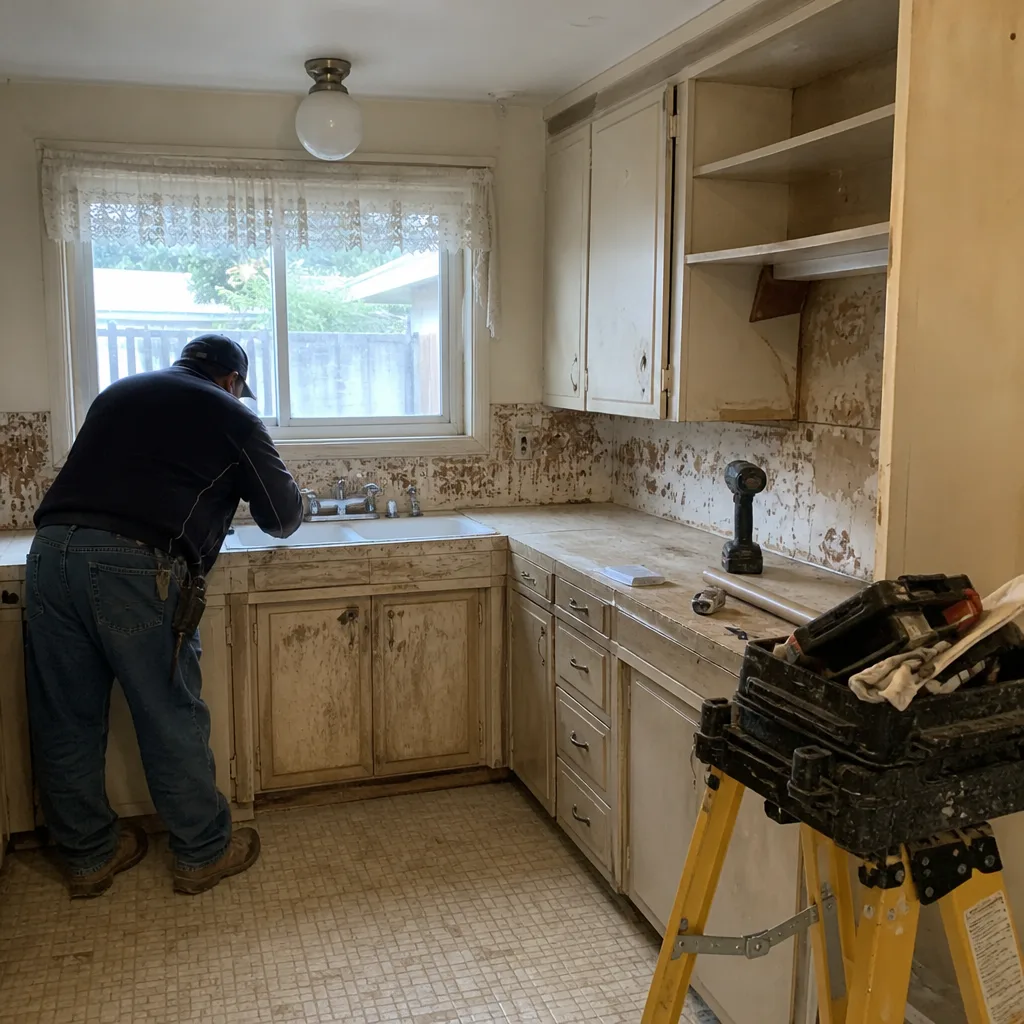 Before
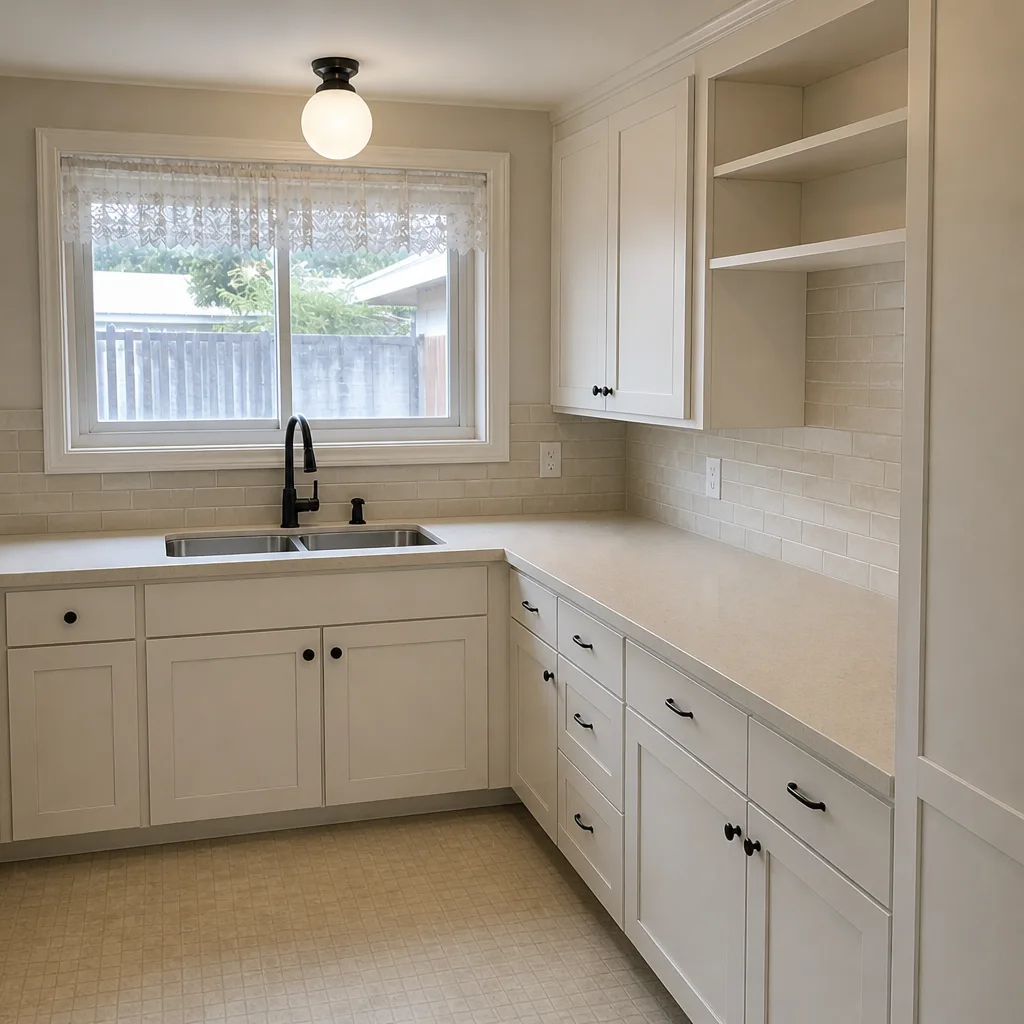 After
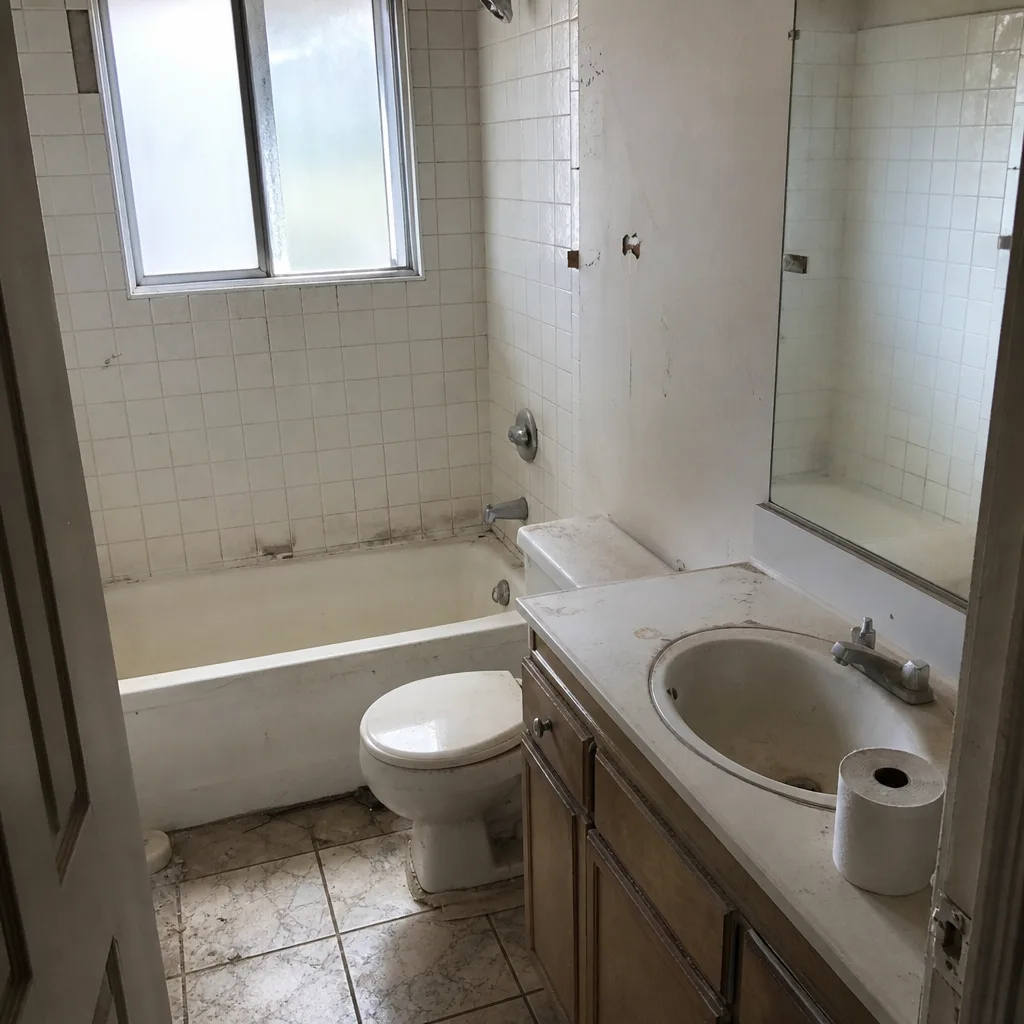 Before
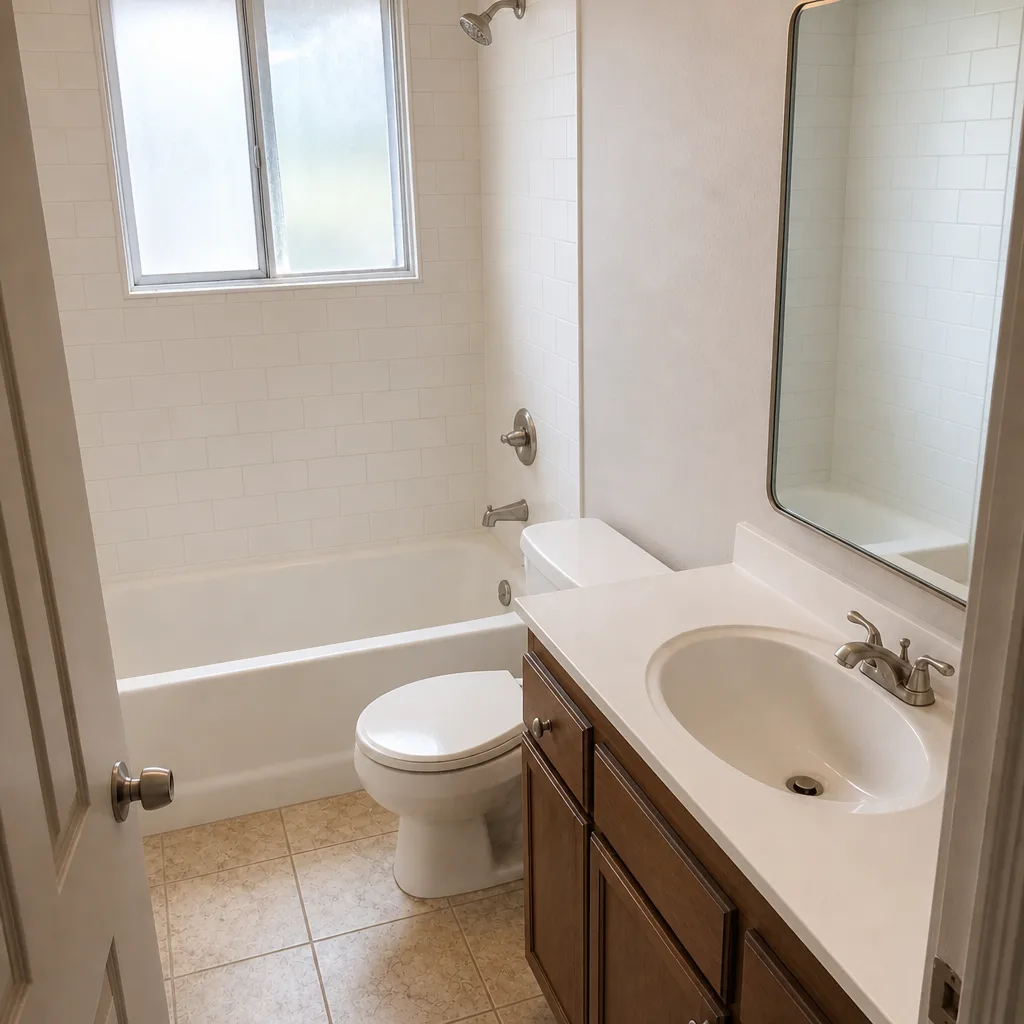 After
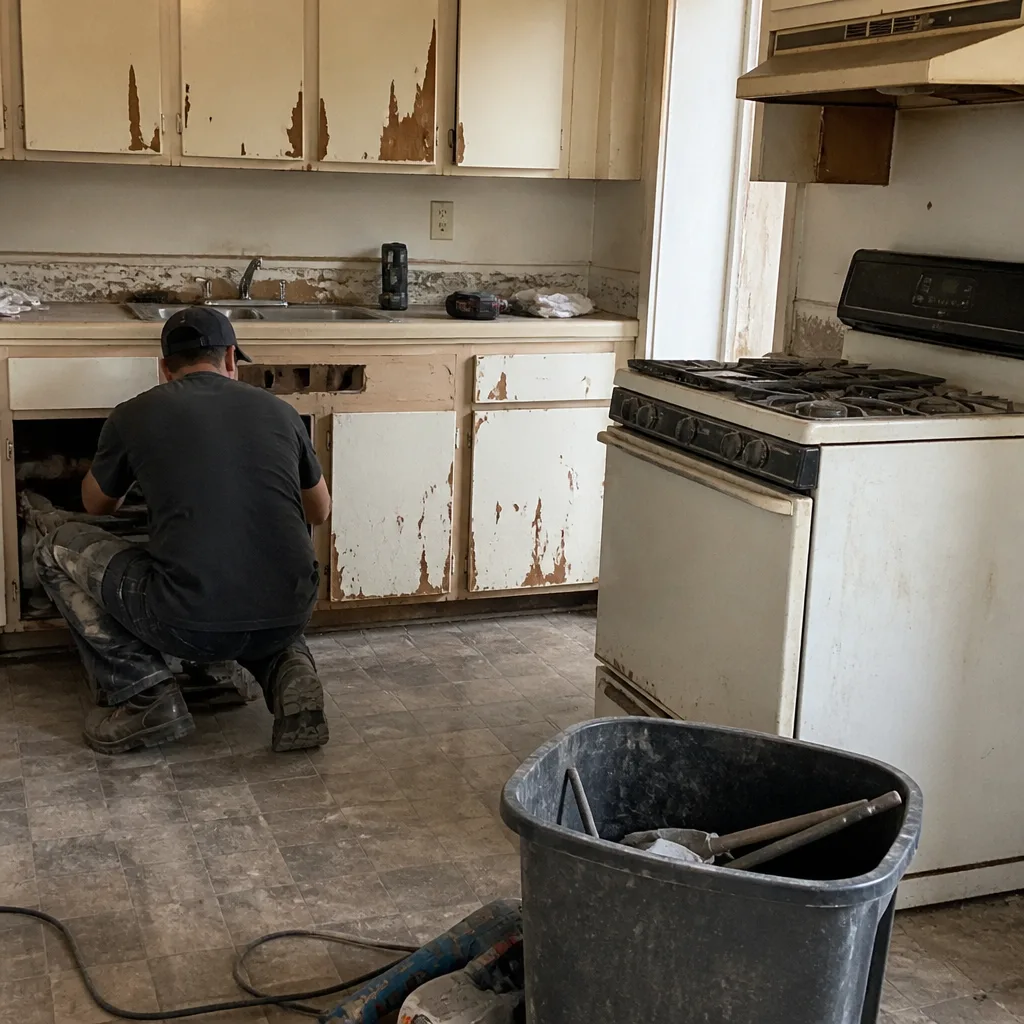 Before
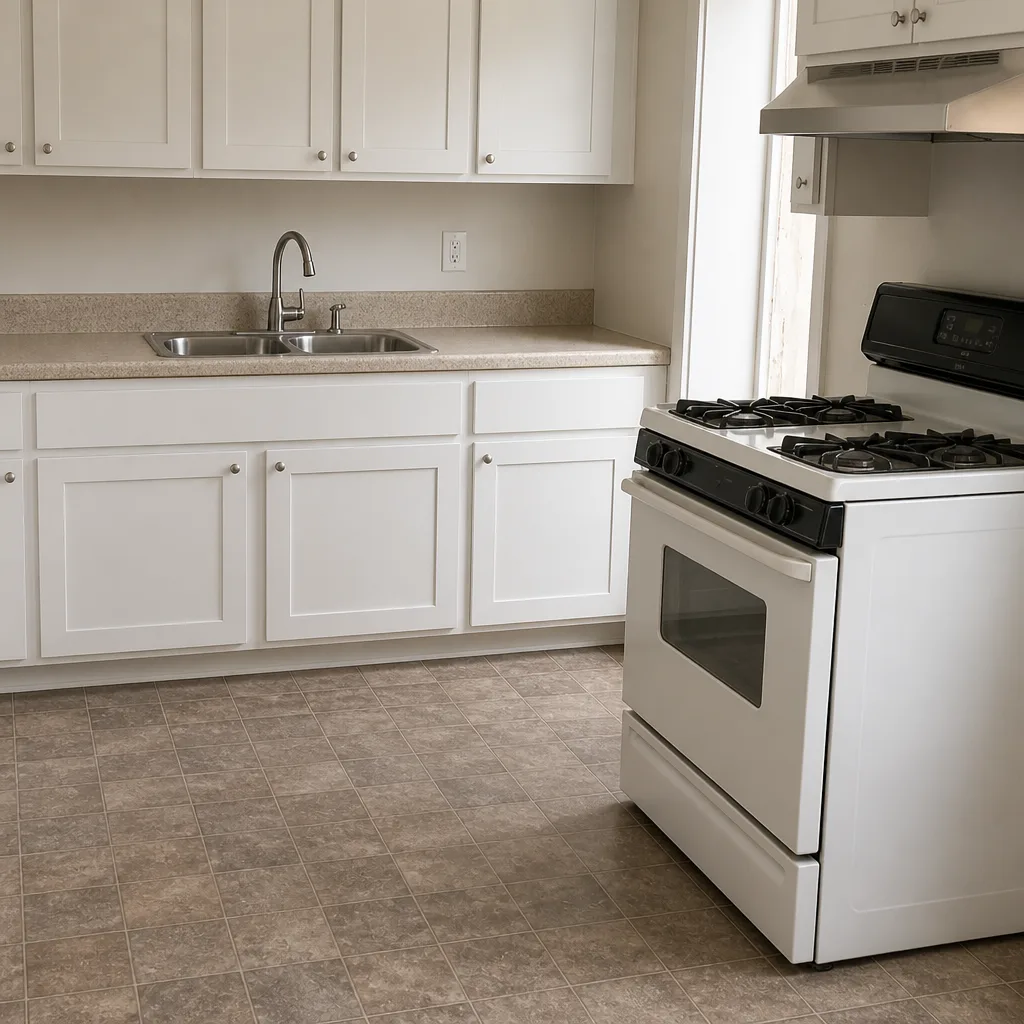 After
Frequently Asked Questions
Most driveways here need sealing every two to four years, not every year. Coastal moisture and hard summer UV both eat at sealer, so a light-colored, sun-exposed driveway will want it sooner than a shaded one, but the real test is joint condition: if the sand’s still full and the surface isn’t taking on water, you can wait. Seal only a clean, dry, stable surface. Call (833) 703-5196 for a free estimate on sealing or a second opinion on a bid.
Shifting and cracking after a wet season almost always means water got under the pavers and softened the base, usually through washed-out joints or a failed edge restraint. That’s a structural issue, not a surface one, so sealing won’t fix it. Catching it in spring matters because the base is still workable then. A free estimate will tell you whether it’s a re-sand or a re-bed, and the answer is usually cheaper to handle early.
You can rinse it with a garden hose and a stiff broom, but a high-pressure washer will blast out the joint sand that holds the pavers together, and you’ll be re-sanding within weeks. If your driveway is already shifting, pressure-washing can make it worse. Hand cleaning and a gentle rinse do a better job here in Garden Grove. If a driveway needs deeper cleaning, we’ll take a look as part of a free estimate.
Edge creep is the slow outward migration of perimeter pavers when the edge restraint loosens or the base at the border softens. It matters here because irrigated neighborhoods and our wet-then-dry cycle both soften perimeter soil, and creep is the first sign the whole surface is losing its interlock. Once the outer rows move, the cracking spreads inward. Catching it early is a modest repair; catching it late is a re-lay.
No. Sealer over a moving base traps moisture beneath the surface and speeds up the cracking you were trying to prevent. It’s the single most common paver mistake in coastal Orange County. Fix the base and the joints first, then seal. If you’re unsure which your driveway needs, a free second opinion on the estimate you’ve been given will sort it out – call (833) 703-5196.
Most re-sanding and edge repairs are a day or two; a partial re-bed can run a few days depending on how much base needs rebuilding. On price, our answers are written, with every scope and allowance on paper before work starts and every change issued as a written change order before a nail moves – no surprise invoices at the end. Call (833) 703-5196 for an exact quote; estimates are free.
The Bottom Line
Garden Grove pavers fail in a predictable order: winter moisture washes out the joints, spring settle loosens the edges, summer UV fades the surface, and next winter’s rain finishes the job. The fix is to work in that order too – inspect and re-sand in spring, seal in early fall, and never seal over a shifting base. Redirect the sprinklers first, because overspray is the quiet killer here. Know the difference between a cosmetic seal and a structural re-bed, and get the scope in writing before anyone opens the base.
If you’d rather have a trained eye look before you spend, that’s what the free estimate is for. If you’re planning a wider project, you can see how hardscape fits with the rest of the work on our Driveway & Pavers in Garden Grove page and our Home Additions & ADU in Garden Grove page. When you’re ready, call us at (833) 703-5196 to schedule your free estimate. A live person answers around the clock, we’ll put the scope in writing, and every completed job is backed by the written 90-Day Done Right Promise.
Written by the team at Barrett & Sons Construction Garden Grove.