Last updated November 18, 2026
Free written scope consultation - allowances, timeline, and change-order rules on paper before a single trade is scheduled
Construction Cost Breakdown: The Garden Grove Homeowner’s Reference for 2026
The gap between a low bid and a fair bid in Garden Grove construction is usually not the contractor’s margin. It’s missing scope. Roof decking that looks fine until the shingles come off. A bathroom floor that turns out to be rotted subfloor under the tile. Aluminum wiring that has to be brought up to code once the permit inspector looks at it. That work has to happen, it just isn’t on the estimate. Here’s what the real 2026 numbers look like in Garden Grove, line by line, so you can tell the difference between a bid that’s lean and a bid that’s missing the job.
Quick Answer
In Garden Grove in 2026, expect roughly $60 to $110 per square foot for a cosmetic kitchen refresh, $110 to $175 per square foot for a full kitchen remodel, $180 to $275 per square foot for an addition, and $1,100 to $2,200 per bathroom depending on whether the layout moves. Roofs run $450 to $750 per square (100 square feet) with permit fees adding $180 to $450 to the job. The single biggest variable in this city isn’t the contractor’s rate – it’s whether the bid includes the discovery work that older Garden Grove housing stock almost always reveals.
Styles & brands we work with
- Kitchen remodeling
- Bathroom remodeling
- Home additions & ADU
- Roofing
- Windows & doors
- Driveway & pavers
- Fence
Table of Contents
- What actually drives construction costs in Garden Grove
- Per-square-foot cost ranges by project type
- Garden Grove permit fees and inspection costs
- The labor gap between an owner-operated crew and a subcontracted outfit
- The material categories homeowners under-budget every time
- How to read a bid line by line
- Change orders and why “allowance” needs a number attached
- Common mistakes to avoid
What Actually Drives Construction Costs in Garden Grove
National cost averages are compiled from a database that blends Mississippi labor with Bay Area labor and calls it a median. Garden Grove sits in Orange County, where a licensed journeyman carpenter bills significantly above the national rate, and where the trades are busy enough that a low number usually means someone bid it before they looked at it.
Three forces shape the price of nearly every Garden Grove project:
- Housing stock age. Much of Garden Grove was built between the late 1950s and the early 1970s. Knob-and-tube or early aluminum wiring, galvanized supply lines, and single-pane aluminum windows are common. Any project that opens a wall has a real chance of finding one of those, and the honest bid accounts for that chance.
- Marine layer and moisture. The coastal fog that rolls in from the coast and sits over west Garden Grove does real work on roof decks, exterior paint, and fence posts. It’s why we see more fascia rot and post rot here than you’d expect from the annual rainfall alone.
- California permitting. Garden Grove enforces Title 24 energy standards, and that means window replacements, additions, and reroofs carry energy-compliance paperwork that adds cost before a single nail is driven.
If your bid was assembled over the phone with no walkthrough, it was built on a national average. That’s not a bid, it’s a guess with a date on it.
Per-Square-Foot Cost Ranges by Project Type
These ranges reflect what we’ve seen on Garden Grove jobs in the 2026 market, materials and labor together, before permit fees. They’re wide on purpose – the honest word is “range,” not “price.”
Kitchen remodel. $60 to $110 per square foot for a cosmetic refresh (paint, hardware, countertop swap, appliance package that doesn’t move plumbing). $110 to $175 per square foot for a full remodel where the layout changes. A 150-square-foot kitchen remodel with KraftMaid cabinetry and a Cambria quartz counter lands in the $17,000 to $26,000 range when the plumbing and gas stay put.
Bathroom remodel. $1,100 to $2,200 per square foot, or roughly $55,000 to $95,000 for a 40-square-foot hall bath. The high end is almost always driven by two things: moving the drain, and discovering the original waterproofing wasn’t done to modern standards.
Roof replacement. $450 to $750 per square (100 square feet) for a standard asphalt shingle reroof using GAF or CertainTead materials. A 22-square Garden Grove ranch home puts you in the $10,000 to $16,500 range. Steep pitch, a low-slope section that needs a different membrane, and solar panel detach-and-reset all push toward the top.
Fence replacement. $32 to $58 per linear foot for a wood fence, $55 to $95 per linear foot for block or vinyl. Fence line replacement over old post footings is where the surprises live.
Home addition or ADU. $180 to $275 per square foot for an attached addition; $230 to $340 per square foot for a detached ADU with its own utilities. California’s ADU rules have gotten more workable, but every ADU still needs its own electrical service, water lateral, and sewer tie, and those line items alone run $18,000 to $40,000.
What moves a project to the high end isn’t a fancy finish. It’s discovery work, structural corrections, and utility upgrades. Cosmetic items move a number by a few thousand. A re-pipe moves it by twenty.
Garden Grove Permit Fees and Inspection Costs
Permit fees are the most-under-budgeted line on a Garden Grove estimate, because most homeowners have never seen one itemized. They aren’t a footnote, and they aren’t negotiable. Here’s what to expect and why.
Garden Grove’s Community Development Department charges a building permit fee scaled by valuation, plus a plan-check fee, plus a separate fee schedule for electrical, plumbing, and mechanical permits. For a typical kitchen remodel, plan the budget at $550 to $1,100 in total permit and inspection fees. An addition runs $2,500 to $6,000. A straight reroof usually runs $180 to $450. A block wall or fence replacement, in some cases, requires a permit with a small fee.
The reason we itemize it rather than rolling it into the job price: a permit line tells you whether your contractor intends to pull one. A contractor who doesn’t intend to file doesn’t include the fee, and the work that gets done without a permit is the work a future buyer’s inspector may ask you to redo. We’ve seen Garden Grove homes sold with an unpermitted bathroom remodel, and the buyer’s inspector found it, and the sale renegotiated by more than the permit would have cost to begin with.
The inspection itself is your protection. If the framing isn’t right, the inspector sees it before the drywall goes up. If the electrical work doesn’t meet code, the inspector sees it before the panel gets closed. That’s why the inspection step is part of the price, not an add-on.
The Labor Gap Between an Owner-Operated Crew and a Subcontracted Outfit
Two bids on the same Garden Grove kitchen can differ by $8,000 and both be honest – if one outfit employs its crew and the other subcontracts every phase. The labor cost per hour is not the story. The story is who is accountable for the work.
An owner-operated crew carries its carpenters, its tilers, and its drywallers on payroll. The owner knows who framed the wall and who set the tile, because he hired them. Calls answered by the same office that built the estimate. When a problem surfaces six months after the job, it’s still the same crew’s problem.
A subcontracted outfit bids the job at one number, then subcontracts every phase to independent trades. The margin that holds the company’s office gets added between the customer’s price and the subcontractor’s price. The customer pays for an office they never see. And on the back end, when the drywall cracks under the corner of the new cabinet, the phone call routes through three different companies before it lands with the one who actually installed it.
We’ve never met a homeowner who wanted to save $3,000 by having three different companies argue about whose fault the crack is. What the homeowner wants is the same person who quoted the job to answer the phone when the job isn’t done right. That’s the labor cost they’re actually paying for.
Barrett & Sons Construction was founded in 1998, and Tom Barrett’s sons run the crews. Our technicians have up to 28 years of experience. You can look up the license and see the Garden Grove home page before you ever pick up the phone.
The Material Categories Homeowners Under-Budget Every Time
These aren’t the marquee items. They’re the ones that get left off the estimate because they’re small and boring and invisible until they’re missing. Every one of them has caused a change order we’d rather have written up front.
- Fasteners, flashings, and structural connectors. Simpson ties, hurricane straps, ledger bolts, and stainless screws where coastal moisture demands them. A reroof needs a specific fastener schedule; guessing at it is how a roof fails at year six instead of year twenty-five. Budget 3% to 6% of the job for the good stuff – and don’t accept a bid that doesn’t list it.
- Waterproofing membrane and the material under the tile. A shower pan isn’t waterproofed by the tile. It’s waterproofed by the membrane under it, and a proper Schluter or hot-mop install with the required slope adds $600 to $1,800 to a bath. The $40 tube of caulk is not the waterproofing. This is the single most-botched, most-under-budgeted line in bathroom work across Garden Grove.
- Finish allowances below what premium fixtures actually cost. A Sterling tub or a Grohe shower valve often runs above what the initial allowance names. The allowance isn’t the problem – it’s an allowance with no number attached. Ask for the number in writing before you sign. A finish allowance that’s priced at builder-grade and installed with premium fixtures costs you the difference plus the change order paperwork.
- Primer and the proper paint build. One coat over new drywall isn’t enough. Two primer coats plus two finish coats is the actual spec, and a bid that quietly drops the primer saves the contractor three hundred dollars and costs you a repaint in two years.
- Attic and wall insulation brought up to Title 24. Roof and addition permits trigger Title 24 compliance. If your ceiling insulation hasn’t been touched since the 1960s, the permit is going to require it. That’s not an add-on, that’s the code.
Notice the pattern. The under-budgeted categories are never the design choices. They’re the ones you don’t see, which is exactly why they get left off.
How to Read a Bid Line by Line
A bid is a scope document, not a price tag. The number at the bottom tells you what the job costs. The number of items above it tells you what the job includes. Here’s how to read the two together.
A clean bid lets you answer five questions without calling the contractor back:
- Is the scope itemized by phase? Demo, framing, rough-in, insulation, drywall, finish, inspections. If the whole bid is one line that says “kitchen remodel $42,000,” you can’t tell what’s in it and neither can the contractor.
- Are the allowances numbered? “Tile allowance per square foot” is not an allowance. “$9.00 per square foot, up to 90 square feet, overage billed at cost plus 15%” is an allowance. Every allowance should have a number tied to a unit and a cap.
- Are exclusions named? A good bid names what it does not cover. Lead paint abatement. Asbestos. Structural repair behind the wall. Those aren’t hidden exclusions – they’re an honest statement of scope. A bid with no exclusions at all is a bid that assumes discovery.
- Are permits a line item? If permits aren’t a line, they aren’t being pulled. Ask.
- Is change order process spelled out? The bid should say that any change arrives in writing before work continues. No verbal approvals. No handshake changes mid-job.
A bid that answers all five takes an extra afternoon to prepare. A bid that doesn’t answers nothing. When a low bid comes in $9,000 under two competing bids, the first instinct is relief. The better instinct is to compare the scope line by line. The difference between them is usually exactly what got left out.
Change Orders and Why “Allowance” Needs a Number
Here’s a phrase worth remembering: an allowance that isn’t on paper is a surprise waiting for a date. It’s the difference between a job that ends on budget and a job that ends with an invoice nobody agreed to.
A change order is a written record of a scope change, signed before the change happens. Not a text message. Not a verbal okay on the sidewalk. A document that names the change, the cost, and the new schedule. Every price change we issue arrives in writing before the work is done, because a change order written after the work is just a bill.
Where change orders cause trouble in Garden Grove construction: a bathroom remodel where the tile wasn’t the tile the allowance named, and the upcharge shows up at the final invoice. A kitchen where the new cabinet run required moving an outlet, and the electrician billed extra to the homeowner instead of to the contractor. A reroof where the decking wasn’t in scope, and the number at the end added $1,200 for plywood. Every one of those is preventable with a one-page change order and a signature at the moment the change is discovered, not three weeks later.
If your contractor balks at writing one, ask yourself why. The paperwork takes ten minutes. The grief of not having it takes months.
For projects that touch the driveway, patio, or hardscape, our Driveway & Pavers in Garden Grove page walks through how grading and base material get itemized the same way.
Common Mistakes to Avoid
- Comparing total prices instead of comparing scope. A $50,000 kitchen and a $58,000 kitchen can be the same job. Read the scope first, then the number. In Garden Grove, where the housing stock is aged, the low bid is more often the incomplete bid than the efficient bid.
- Signing on an allowance without a number. If the tile line says “allowance,” ask what it’s allowed at. If the answer is verbal, it isn’t on the contract.
- Skipping the permit to save the fee. The savings is $600. The cost of a sale that stalls because an unpermitted bath remodel shows up in the title report is more than that, and the fix is a redo with inspection.
- Not asking who’s on the crew. In an owner-operated company, the person framing the wall is on the same crew as the person who bid the job. In a subcontracted outfit, they may never meet.
- Under-budgeting Title 24. Any addition, window replacement, or reroof triggers energy-code upgrades. They’re code, not upsells, and they belong in the initial number.
- Paying any amount of money before a written contract. The deposit goes against a signed contract with scope, allowances, and change-order process, or it doesn’t go anywhere.
- Skipping the second opinion. When a bid feels high or low, ask someone else to look at it. A second read on paper costs nothing and it catches the missing line item that a first read misses.
See the difference
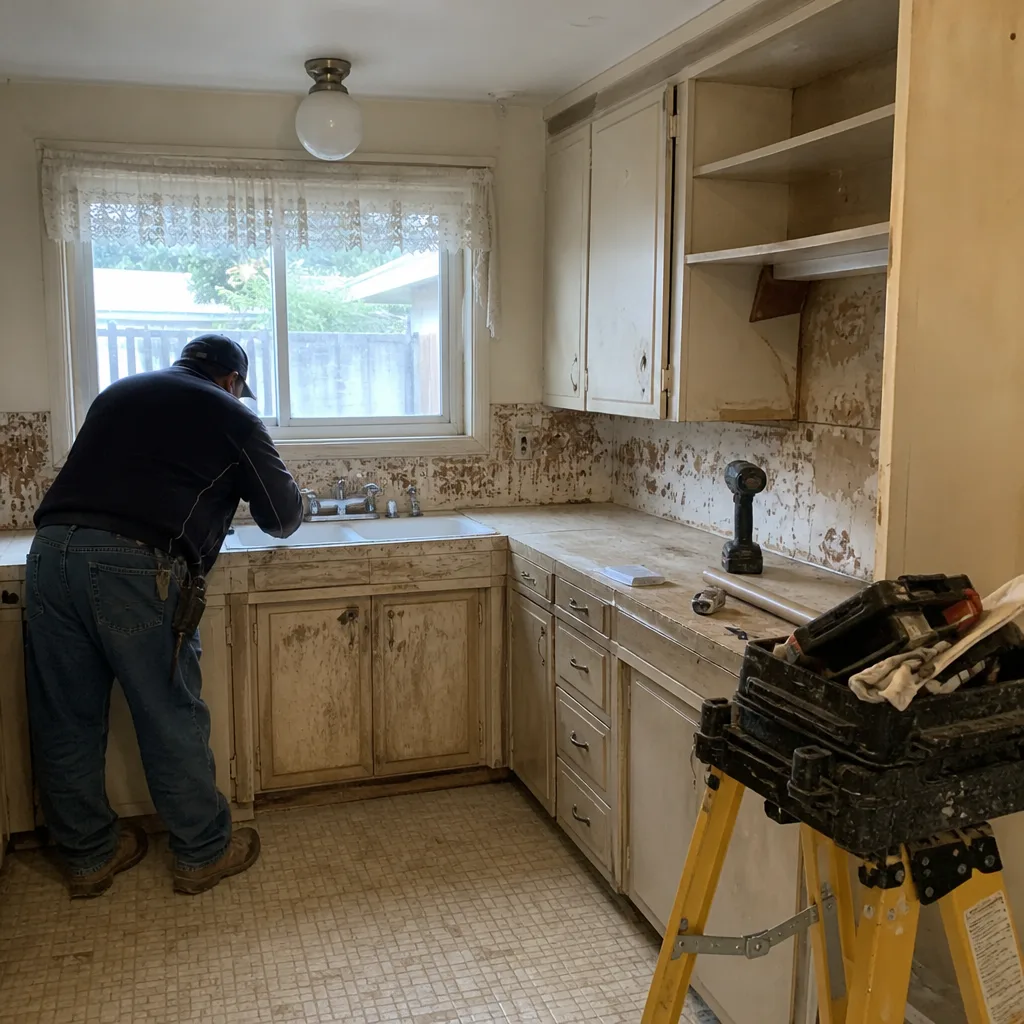 Before
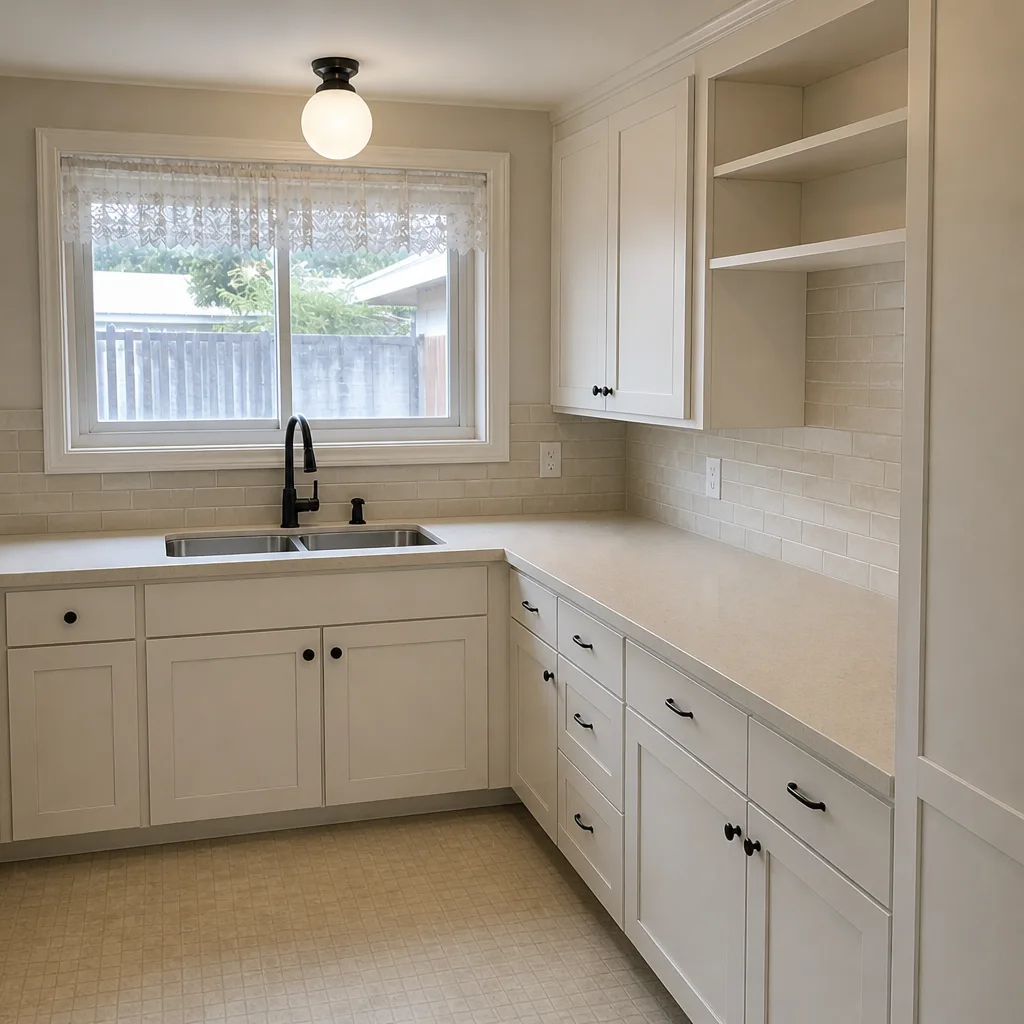 After
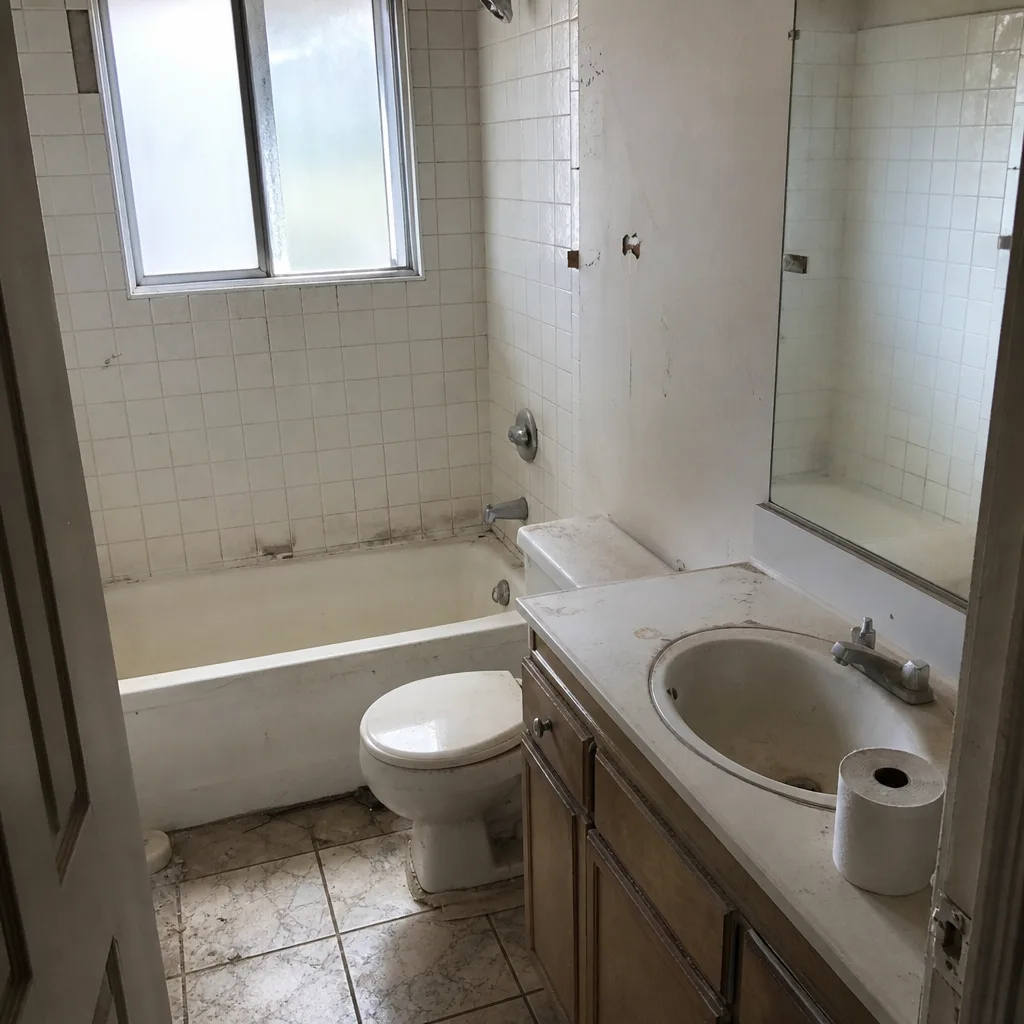 Before
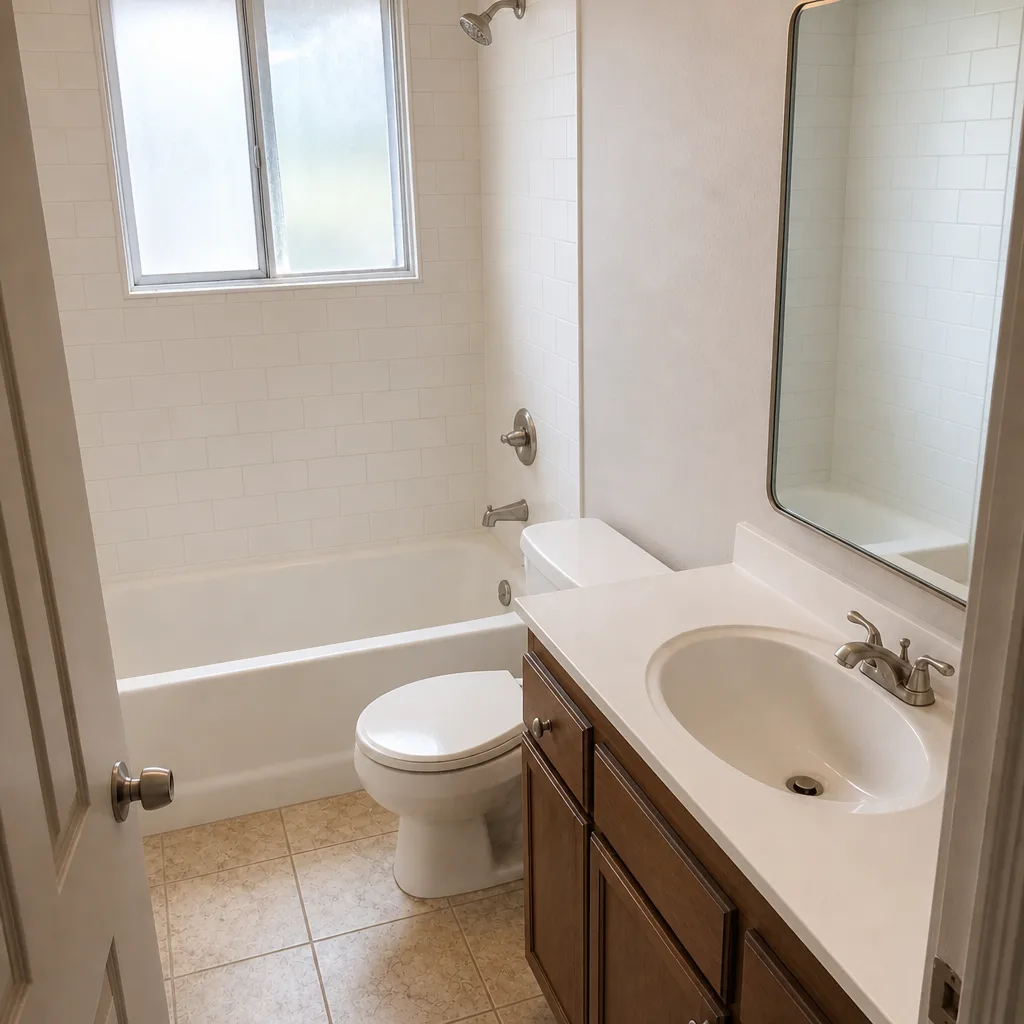 After
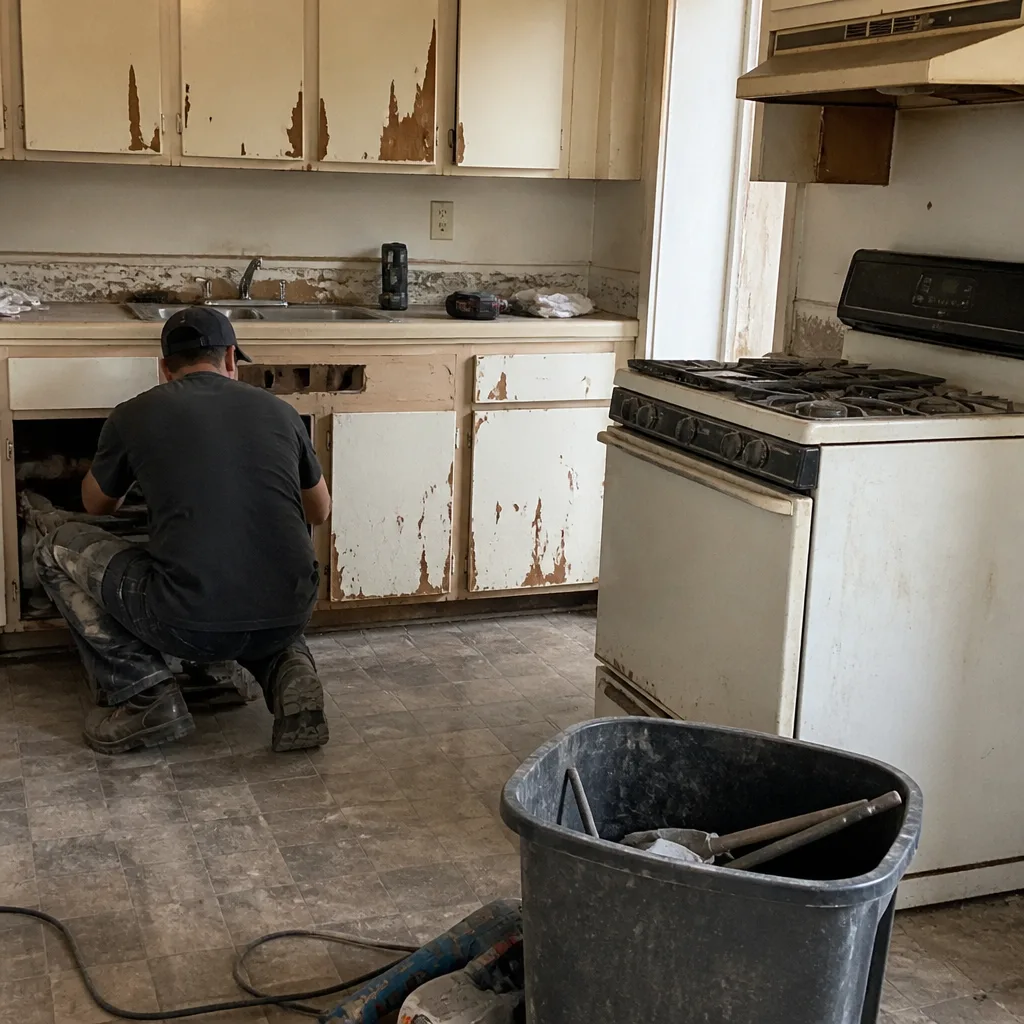 Before
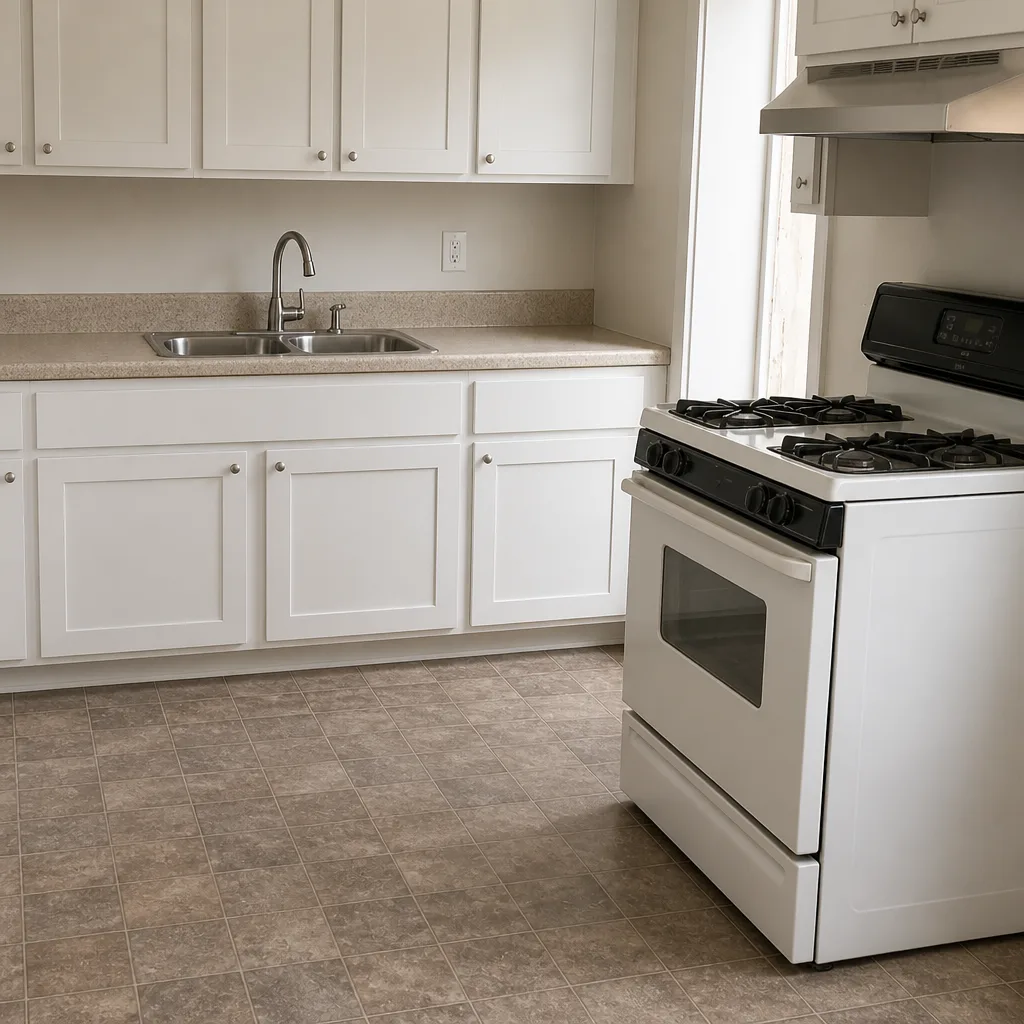 After
When to Call a Professional
If your project involves the roof deck, the electrical panel, a gas line, or a load-bearing wall, that’s a professional job, full stop. Those items carry real danger – a miswired panel kills, and a spring-loaded garage door hinge bolt under load has put a lot of people in the hospital. No guide can fill in for a trained set of hands on site. Beyond the genuinely dangerous work, the cases worth calling on are the ones where discovery is likely: any project opening a wall in a home built before 1975, any bathroom where the existing slope and waterproofing look suspect, any addition where the plans will go through Garden Grove plan-check. Getting a professional in before the demo, not after, is what keeps the job priced where you agreed to it. Barrett & Sons Construction Garden Grove offers free estimates in Garden Grove – call (833) 703-5196 to get the walkthrough done before a single nail is driven.
Frequently Asked Questions
A cosmetic kitchen refresh in Garden Grove runs about $60 to $110 per square foot. A full remodel with layout changes runs $110 to $175 per square foot, so a 150-square-foot kitchen booked in KraftMaid cabinetry and Cambria quartz typically comes in around $17,000 to $26,000 before permits. Call (833) 703-5196 for a free walkthrough and a written line-item estimate keyed to your actual kitchen.
Not if the scope and allowances were written correctly at the start. Every price change in a proper contract is documented in a written change order before the work happens. Discovery work – framing rot, wiring, a rotted subfloor – is the one category that genuinely can shift a number, which is why it belongs in the exclusions list on the original bid. Call (833) 703-5196 and we’ll go through the scope with you line by line.
Yes. Every eligible job includes permits pulled and inspections signed. Permits and inspection fees are itemized in the bid, not buried in overhead. Budget $550 to $1,100 for a kitchen remodel and $2,500 to $6,000 for an addition in Garden Grove permit and plan-check fees. Call (833) 703-5196 to discuss your specific project’s permit path.
A standard asphalt shingle reroof on a 22-square single-story Garden Grove home takes four to seven working days in most cases, weather permitting. Steep pitch, overhangs, and solar detach-and-reset add days. The estimate gets a specific schedule before work begins, not a verbal “about a week”. Call (833) 703-5196 to schedule a free roof inspection and a written quote.
Because the national calculator blends Mississippi labor rates with Bay Area labor rates. Orange County labor, Title 24 compliance, and California permit fees all sit above the national median. A bid assembled from a national average will come in low, and the difference arrives as change orders once the job is open. Call (833) 703-5196 for a real number built on your actual house.
A detached ADU runs roughly $230 to $340 per square foot, and a 600-square-foot unit typically lands in the $138,000 to $204,000 range before site work. The biggest hidden line is utilities: a new electrical service, water lateral, and sewer tie run $18,000 to $40,000 on their own. See our Home Additions & ADU in Garden Grove page for the full breakdown, or call (833) 703-5196 to get a free site evaluation.
Compare scope, not price. Ask both contractors to itemize by phase, name the allowances and their per-unit cost, and list exclusions. A bid that leaves exclusions off is confident about discovery; a bid that names them is planning for it. Call (833) 703-5196 and we’ll walk you through a side-by-side read on both, free.
Yes, and they’re published. We offer $40 off any repair over $200, a free second opinion on any written estimate, no trip charge inside the county, and a permanent 10% Senior & Veteran discount. All four are available on Garden Grove jobs, and none of them require a coupon. Call (833) 703-5196 to ask about applying yours.
The Bottom Line
The honest number for a Garden Grove construction project in 2026 is the one that includes the discovery work, the permit fees, the waterproofing, and the fasteners. A bid that hits the national average is a bid that left something out, and the something it left out shows up as a change order after the wall comes down. Read every bid by scope, not by total. Ask for allowances with numbers attached. Ask who pulls the permit. Check whether the exclusions list is honest, because an empty exclusions list isn’t a clean bid, it’s an unfinished one. The lowest price on the page and the fairest price on the page are rarely the same number.
For roofs, fences, and driveways that need a replacement or a repair in Garden Grove, our Fence Installation in Garden Grove page covers the itemized detail on those smaller jobs. Our technicians have up to 28 years of experience, and every eligible job carries permits pulled, inspections signed, written change orders before work proceeds, and a 90-Day Done Right Promise on the finished contract.
Call (833) 703-5196 to schedule your free estimate. Calls are answered by a live person 24 hours a day, seven days a week. Ask for a written line-item quote, ask for the permit path, and ask for the exclusions. A good contractor will hand you all three without hesitating.
Written by the team at Barrett & Sons Construction Garden Grove.