Last updated November 18, 2026


Free written scope consultation - allowances, timeline, and change-order rules on paper before a single trade is scheduled
DIY vs Professional Construction: The Garden Grove Homeowner’s Decision Guide
California law lets you pull your own permits and build on your own property. That’s the part every DIY video celebrates and none of them finish. The same law says that when you sell a Garden Grove home, you have to disclose any work you did without a licensed contractor, and that disclosure can shrink your buyer’s loan options, change your insurance payout after a fire, and put the liability for a bad joist on your name decades after the hammer went quiet. Here’s what this guide covers: where owner-builder status is actually legal in California, where the code requires a licensed contractor no matter how handy you are, and how to run an honest total-cost comparison so you’re not comparing a lumber receipt to a contractor’s bid and calling it math.
Quick Answer
In Garden Grove, DIY is a good call for cosmetic work and simple repairs – painting, tile, fencing, basic landscaping. It is a bad call for anything structural, electrical, plumbing, or gas, because California’s contractor licensing law (Business and Professions Code 7042) requires a licensed contractor for those trades, owner-builder permits create resale and insurance exposure, and the local permit office can and does inspect. The real question isn’t whether you can swing a hammer. It’s whether you’re willing to own the outcome for the next ten to twenty years.
Styles & brands we work with
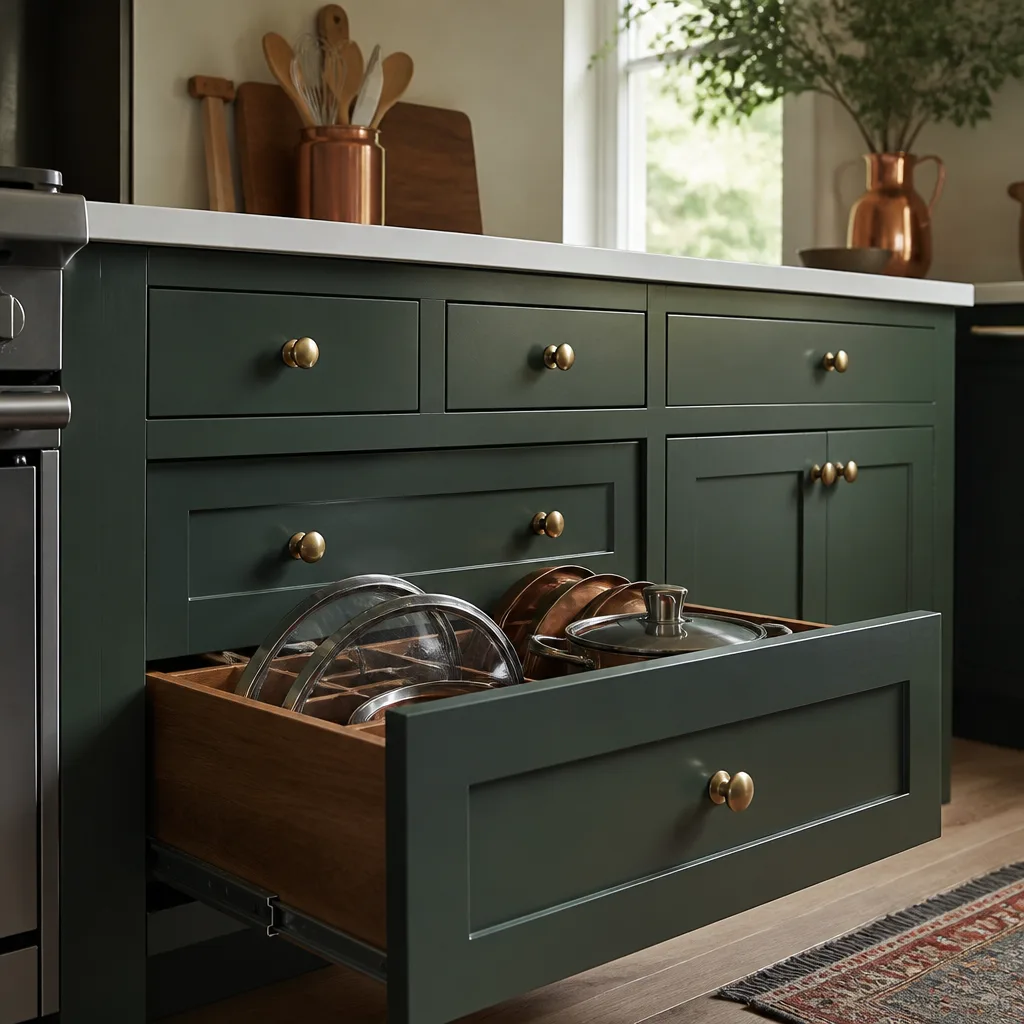
- Kitchen remodeling
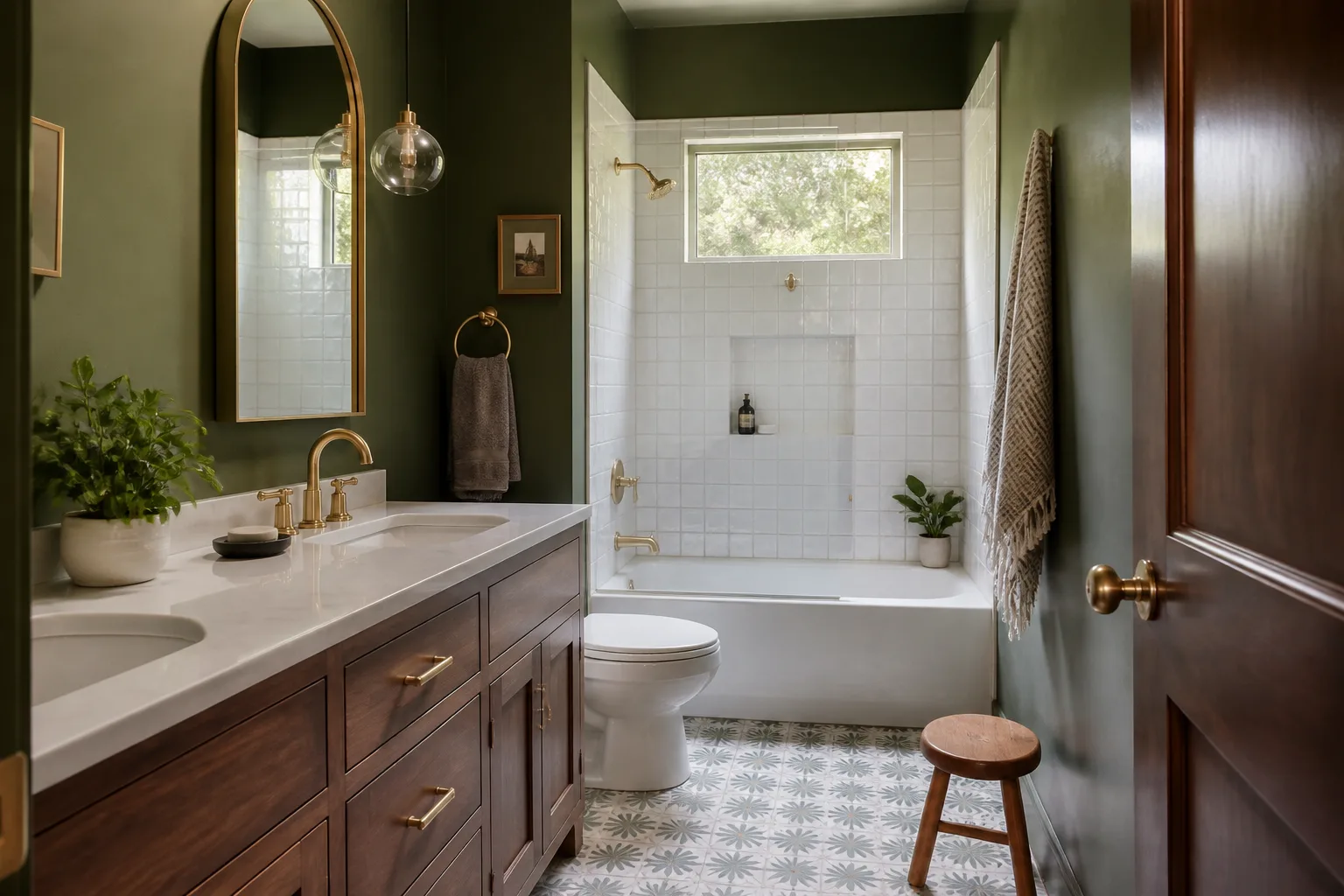
- Bathroom remodeling
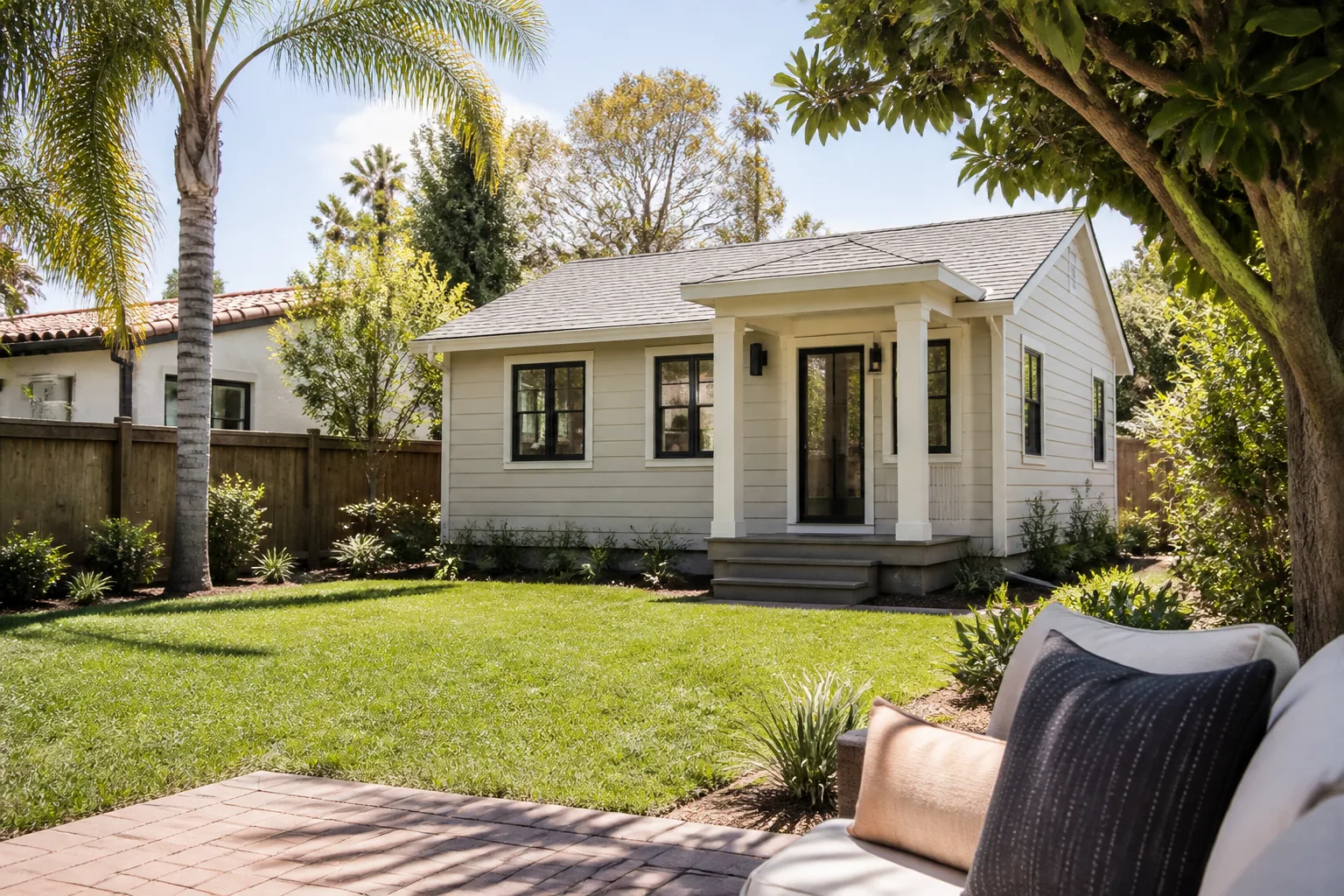
- Home additions & ADU
- Roofing
- Windows & doors
- Driveway & pavers
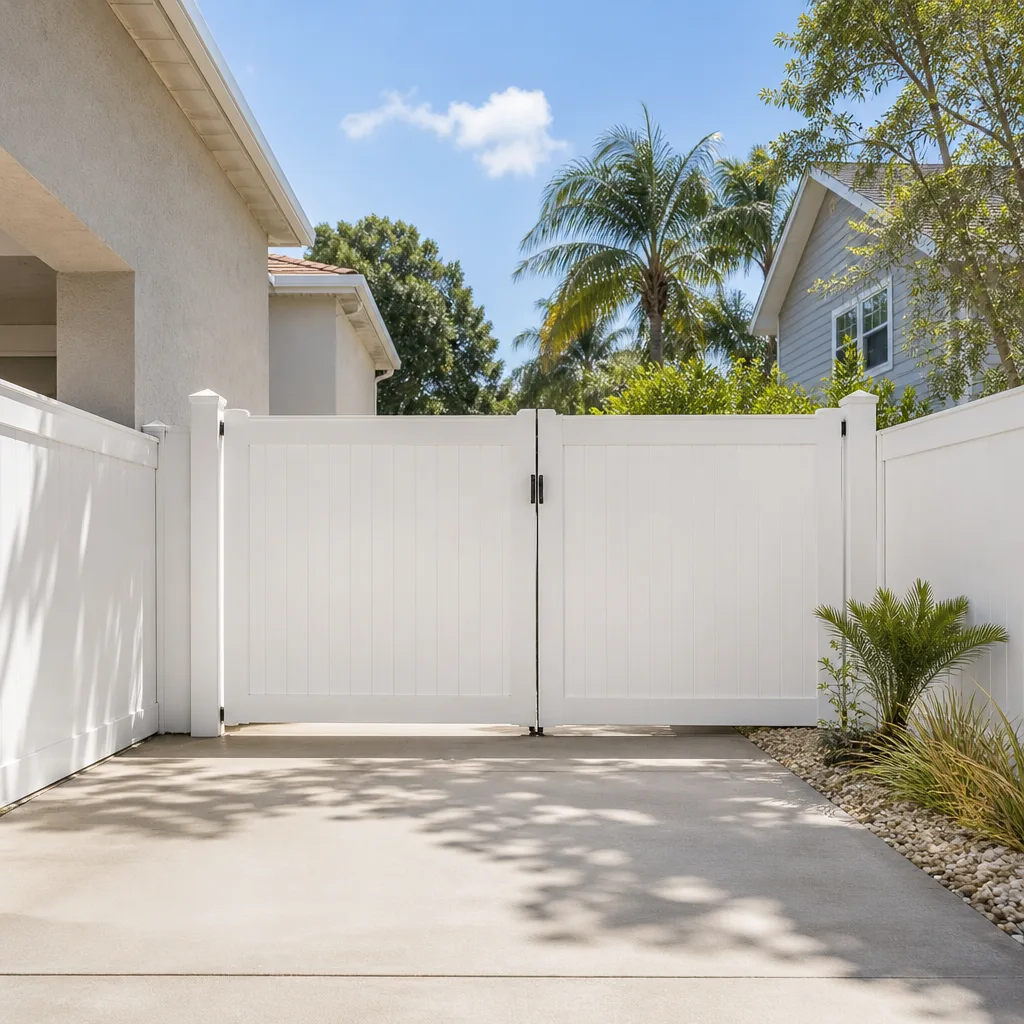
- Fence
Table of Contents
- What California Law Actually Says About Owner-Builder Work
- Where the Permit Lines Are Drawn in Garden Grove
- The True Cost of DIY: A Realistic Comparison
- Why Garden Grove’s Older Housing Stock Changes the Math Mid-Project
- Insurance and Resale Disclosure: The Hidden Cost of Unpermitted Work
- Tasks That Are Genuinely Good DIY Candidates
- Tasks Where a Licensed Professional Is the Only Defensible Choice
- Common Mistakes to Avoid
- When to Call a Professional
- Frequently Asked Questions
What California Law Actually Says About Owner-Builder Work
California Business and Professions Code section 7042 is the statute that matters, and most homeowners have never read it. It allows a property owner to take out a permit and perform work on their own primary residence – but the moment money changes hands or the work crosses into certain trades, the owner-builder exemption disappears and a licensed contractor is required by code.
The practical picture:
- You can pull your own permit on your own primary residence for non-structural cosmetic work, basic repairs, and simple additions where an owner-builder permit is accepted.
- You cannot legally self-perform C-10 electrical, C-36 plumbing, or C-34 gas work that requires a contractor license under the California Contractors State License Board framework, even on your own home. You can do minor like-for-like swaps, but anything touching the panel, gas line, or main drain line needs a licensed trade.
- You cannot build for someone else as an owner-builder. Rent it out within one year of completion and the exemption can be voided; the sale of an owner-built home within one year also carries restrictions.
- Structural work – bearing walls, foundation, additions, second stories – is where the CSLB and local building departments consistently require a licensed contractor to sign off, no exceptions for weekends.
In our experience walking Garden Grove jobs, homeowners usually know the permit rule and then underestimate what “structural” means in an older tract house. Removing a wall in a 1962 build near Chapman Avenue is rarely a cosmetic demo. That wall carries load.
Where the Permit Lines Are Drawn in Garden Grove
Garden Grove pulls its permits through the city’s Building and Safety Division, and the categories break out cleaner than most people expect. Here’s the working map we use on jobs in this city.
Legal owner-builder territory
- Interior and exterior paint (no permit needed for repaint)
- Fence replacement at the existing line, under six feet (still check setback and height rules with the city)
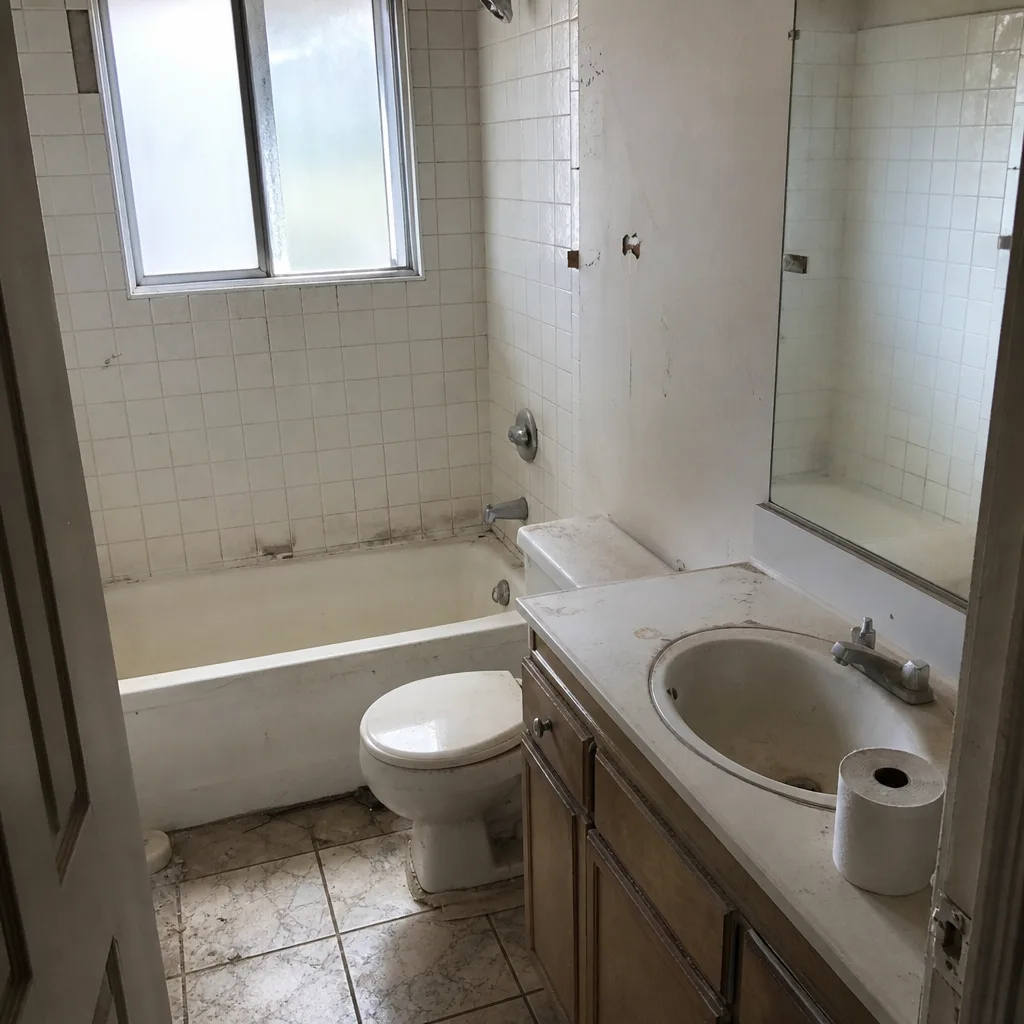
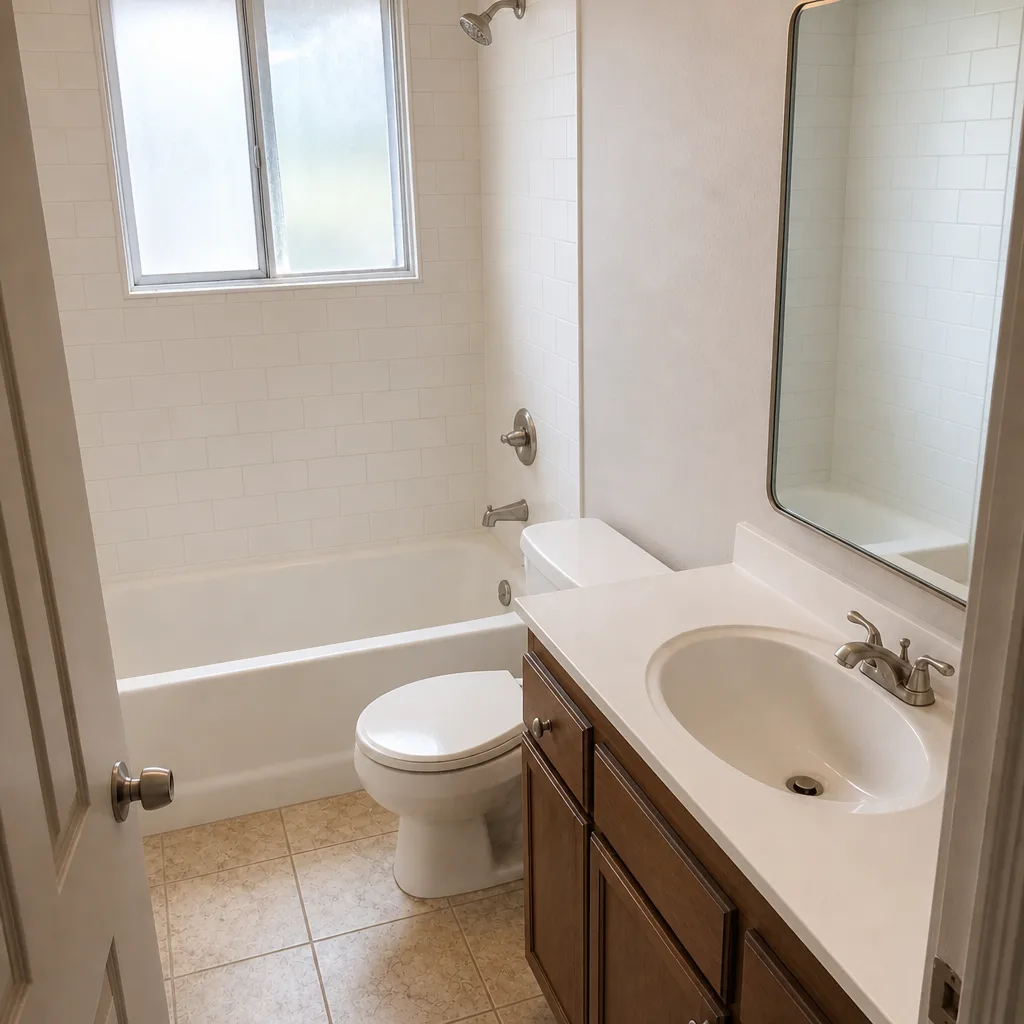
- Tile work in a bathroom or kitchen backsplash
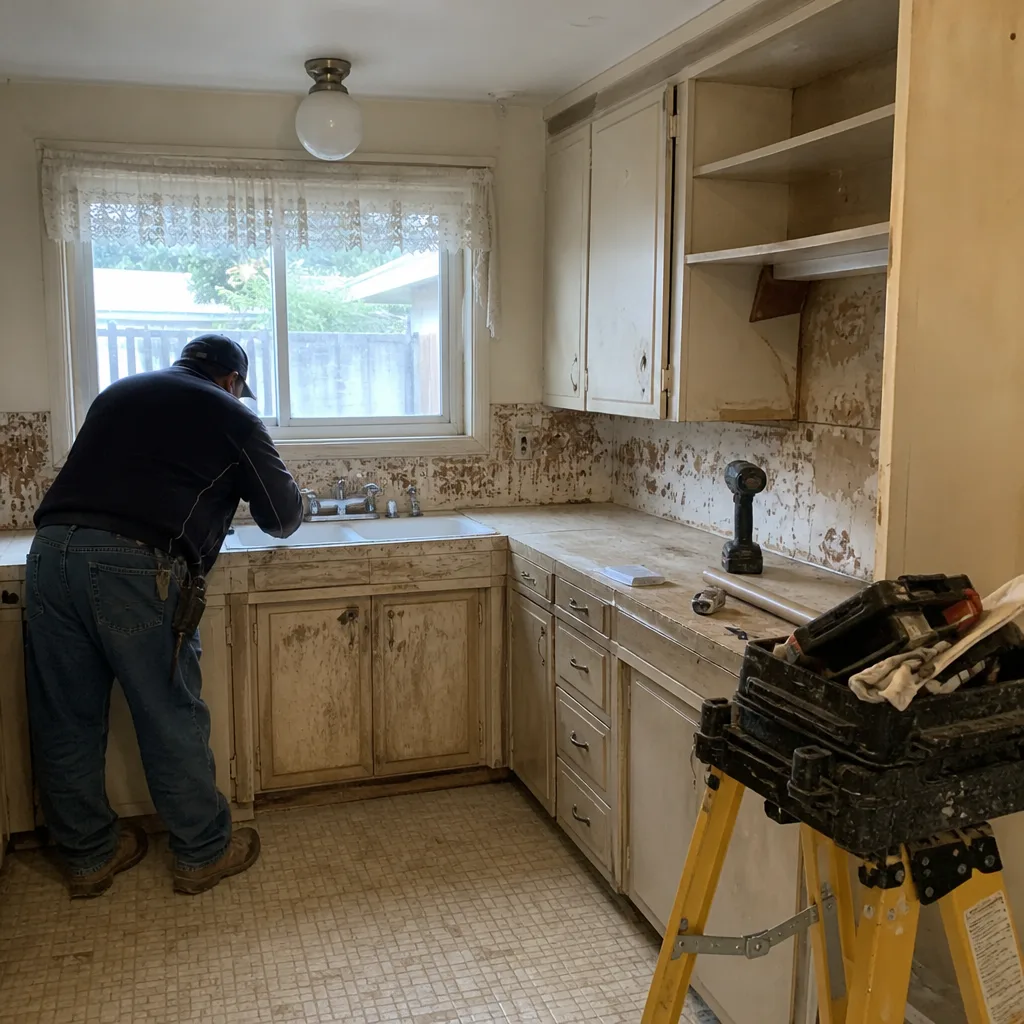
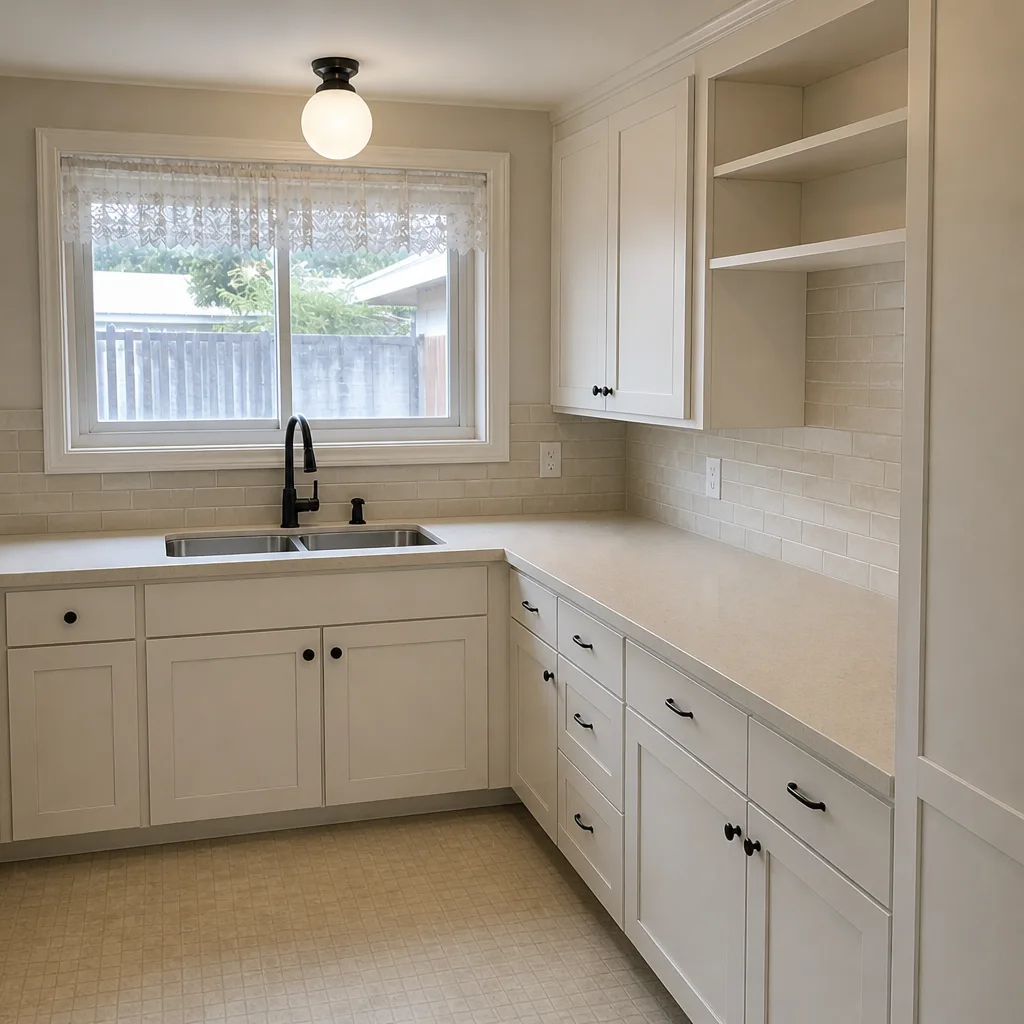
- Cabinet swap and countertop replacement (installation only, plumbing stays in place)
- Landscaping and sod, so long as no grading or drainage re-route is required
- Minor drywall repair and trim
Permit required, and contractor expected
- Any wall, beam, or post removal that could be structural
- Roof replacement (permit plus inspection on the sheathing)
- Electrical panel change or new circuits
- Gas line work, water heater replacement, sewer line
- Home additions, ADUs, garage conversions
- Window and door replacement that changes the rough opening or any egress path
A word on the roof and the driveway: both get flagged in Garden Grove inspections more than most categories, because both are visible from the street and both affect drainage on neighboring lots. If you’re weighing quote ranges, our pages on Driveway & Pavers in Garden Grove and roofing will give you real numbers to compare against the DIY path.
The True Cost of DIY: A Realistic Comparison
The number most DIY calculators miss is the one you don’t see until week three: tool rental, permit fees, haul-away, and the re-work rate on your own mistakes. Here’s the honest framework.
- Materials – same on both sides, minus contractor pricing. On premium brands we install (Cambria for a countertop, Silestone for a rental-grade bath), the material cost spread is often 8 to 15 percent.
- Tool rental – a tile saw, a compactor, a hammer drill, a roofing nailer. Garden Grove rental yards run $60 to $180 a day depending on the tool. A three-weekend tile job can easily exceed $300 in rental.
- Permit fees – Garden Grove fees are calculated by valuation. A small bathroom permit runs in the low hundreds; a roof permit runs higher. Either way, you’re paying the same fee the licensed contractor pays, because the fee attaches to the work, not the worker.
- Dumpster and haul-away – $400 to $700 for a standard remodel debris load. Easy to forget.
- Re-work – this is the big one. Industry re-work rates on complex tile and trim hover around 10 to 15 percent of job time even for professional crews. When the re-work is your own, it’s 100 percent of the delta between hours planned and hours burned.
- Your time – price it. If you’d work those weekends at $50 an hour, a 120-hour project carries $6,000 of your own labor on the ledger. Most people won’t bill themselves, then wonder why the DIY cost felt higher than the bid.
When you add tool rental, permits, dumpster, and realistic hours, the DIY savings on a full bathroom gut in Garden Grove is frequently smaller than the risk it carries. On paint, tile, and fencing, the savings are real.
Why Garden Grove’s Older Housing Stock Changes the Math Mid-Project
Most of Garden Grove’s housing was built between 1955 and 1975, which means the walls in a house off Westminster Boulevard and the walls in a house near Garden Grove Park are carrying sixty to seventy years of “that’ll do” from the last three owners. The DIY math is stable on a new build. In an older Garden Grove home, it changes on day two.
The complications we see regularly:
- Knob-and-tube remnants behind drywall in homes built before 1960, still live, still unbonded. A bathroom demo hits them and the job stops until an electrician re-routes.
- Original galvanized supply lines that open fine and then leak two weeks after a tile set. The bathroom you planned to retile becomes a re-pipe.
- Settled slabs from the 1950s subdivisions south of Chapman. A fence post that should set in eight inches of soil finds forty inches of loose fill and needs concrete to hold.
- Aluminum branch wiring in some early-1970s homes. Every fixture swap is a pigtail-and-torque question, not a wire nut.
- Unpermitted additions by prior owners that fail to match the county assessor record. When you pull a permit to do work on the rest of the house, the city notices the addition and wants it addressed.
None of these are deal-breakers. All of them mean a realistic contractor bid already budgets for the discovery, while the DIY plan doesn’t. That’s not a knock on DIY. It’s a reason to price the discovery into the plan before the first weekend.
Insurance and Resale Disclosure: The Hidden Cost of Unpermitted Work
This is the part of the DIY conversation most homeowners never hear until it’s expensive. There are two separate problems that land on you years after the work is done.
The insurance problem
If you self-perform work and something fails – a poorly-flashed roof that rots a ceiling, a bathroom drain that leaks into a hall floor – your homeowners carrier will investigate. When they find unpermitted, un-inspected work, coverage for the resulting damage gets complicated. Some carriers deny the claim outright. Others pay the damage but then non-renew the policy. In our experience, the biggest exposure is a kitchen or bath tile job where the waterproofing failed quietly for two years and destroyed the subfloor and the joists beneath it.
The resale disclosure problem
California Civil Code section 1102.6 requires sellers to disclose, in writing, all known material defects and any alteration or improvement that was made without the required permits, and whether the work was performed without a licensed contractor. Once you disclose it, three things happen on the buyer’s side:
- FHA and VA buyers can have financing delayed or denied on unpermitted structural work, which shuts a large segment of the Garden Grove buyer pool out of your listing.
- Conventional lenders may require the buyer to escrow a repair estimate before closing.
- The buyer’s inspector will flag it, the buyer’s agent will price the risk into the offer, and the discount usually exceeds what you would have paid a licensed contractor in the first place.
The other side of this coin: when you hire a licensed contractor, the permit and the signed-off inspection are themselves a resale asset. A buyer sees the record. A buyer trusts the record. That is worth real dollars at closing.
Tasks That Are Genuinely Good DIY Candidates
We’re not in the business of talking homeowners out of work they can do well. Here are the tasks where DIY actually pencils out in a Garden Grove home, and why.
- Interior and exterior paint. No permit, no structural risk, and the failure mode is a coat you re-do. Painting a single-family exterior in Garden Grove runs about 4 to 6 weekends of your time; the difference between a good DIY job and a professional job is usually prep, not paint.
- Tile backsplash. The kitchen backsplash is 30 to 50 square feet of tile above a counter. No waterproofing risk because there’s no wet envelope, and the tools rent for the weekend.
- Fence replacement on an existing line. Pulling down old redwood and setting a new privacy fence along the existing property line, at the existing height, is fair DIY territory. Do check setback and HOA rules first, because Garden Grove’s lot lines vary and a fence one foot onto the neighbor’s side is a small legal problem. If the fence is failing because the posts are failing, our Fence Installation in Garden Grove page walks through when a repair is the right spend and when replacement is.
- Cabinet hardware, lighting swaps on existing circuits, and shelving. Cosmetic, reversible, small.
- Landscaping and sod. As long as you’re not re-grading toward the house or rerouting drainage, this is honest DIY work.
The pattern across all of these: cosmetic, reversible, low permit exposure, and no envelope of water or structure to fail after you’re done.
Tasks Where a Licensed Professional Is the Only Defensible Choice
Then there’s the other list. These are not “a pro does it faster.” These are the tasks where the risk of DIY is disproportionate to the money saved, and where California code agrees.
- Electrical panel change and new circuits. A panel swap is a code, insurance, and life-safety event. There’s no defensible version of this done on a Saturday by the homeowner, and no insurance carrier will look the other way.
- Gas line work and water heaters. Same reasoning, plus the carbon monoxide risk. This is unambiguously a licensed trade.
- Sewer and main drain line. The trench work, the slope math, the city inspection – professional scope every time.
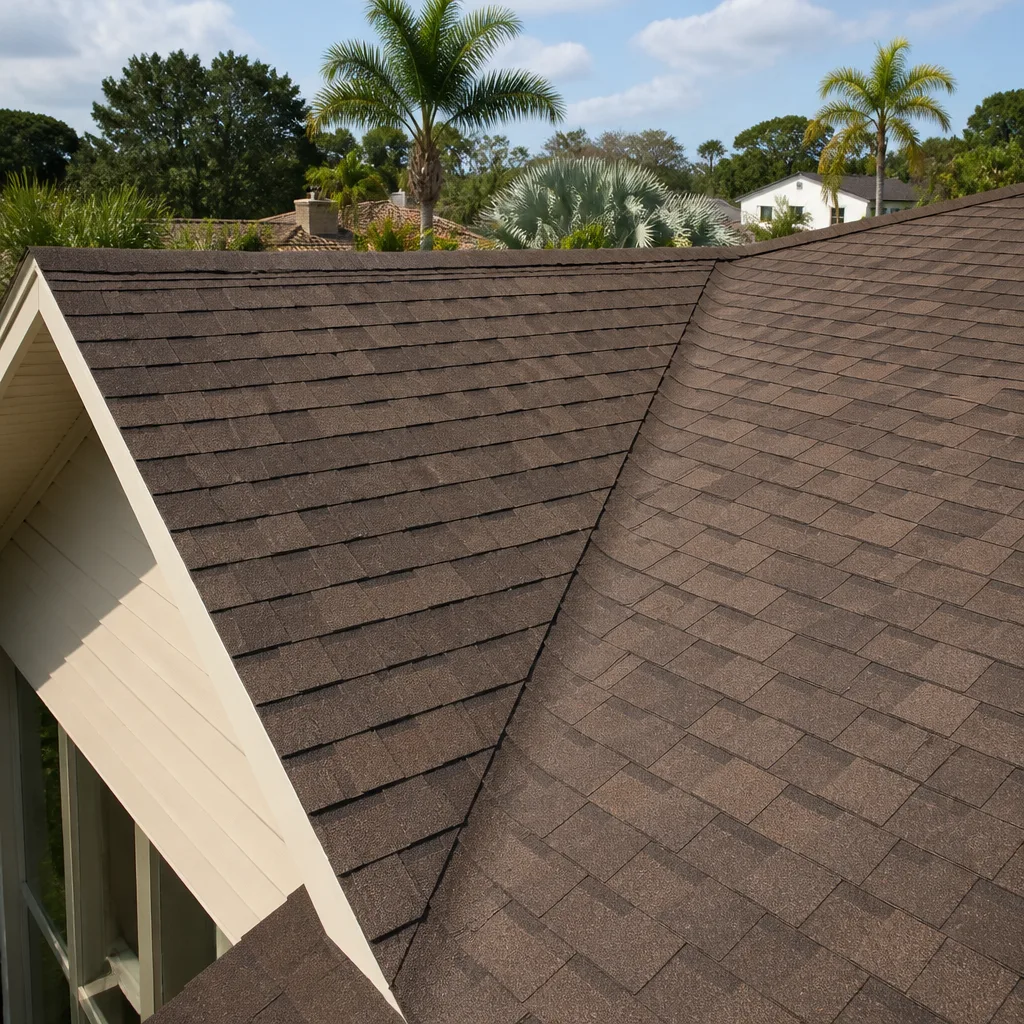
- Roof replacement. The combination of height, flashing detail, and sheathing condition means a DIY roof is exposed. One bad valley and the next rainy season is a ceiling repair.
- Structural changes and additions. Beam sizing, footings, shear, and the CSLB sign-off on structural work. If our crews are pulling permits for a Garden Grove addition, this is why: see Home Additions & ADU in Garden Grove for how the permit and inspection sequence runs.
- Windows and doors that change a rough opening or an egress path. Egress math, header sizing, and stucco patching all at once. There’s no partial version that works.
- Any work on a home you plan to sell within five years. The disclosure exposure alone makes the licensed path the right one.
Common Mistakes to Avoid
- Pulling an owner-builder permit and then hiring a handyman to help. The moment a non-licensed worker performs permit-required work on your property, the owner-builder exemption is compromised and the inspector can flag the job. This is the single most common catch we see in Garden Grove.
- Comparing a contractor bid to a materials receipt. That comparison ignores tool rental, permits, dumpster, re-work, and your own hours. Price them in before you decide.
- Assuming the wall isn’t load-bearing. In the 1955-to-1975 tract housing throughout Garden Grove, plenty of interior partitions carry load. Removing one without an engineer’s stamp voids inspections and risks the roof line ten years later.
- Buying tiles and stone without ordering 10 percent overage. Dye lot variation on a Cambria or Caesarstone countertop, and dye-lot mismatch on tile, is a real budget event. The overage is not a contractor upsell.
- Skipping the inspection because the work “looked fine.” The inspector works for you, not for the contractor. A signed-off permit is your resale asset and your insurance defense.
- Forgetting the neighbor. Garden Grove lots are close, and a DIY fence or driveway re-grade that shifts water onto the neighbor’s property line is a small legal claim waiting to happen.
- Doing a kitchen or bath waterproofing job alone to “save money” on the waterproof layer. This is the one place where the DIY rework rate climbs to 30 percent and the failure is silent for two years.
When to Call a Professional
Call a licensed contractor when the work touches structure, electrical, gas, plumbing, or the roof; when you plan to sell within five years; when the job involves an addition, a conversion, or an ADU; when a permit is required and the inspection matters for resale; or when the project sits behind finished walls where hidden conditions are likely. Those five cases cover most of the jobs where a homeowner’s exposure is bigger than the DIY savings.
Barrett & Sons Construction Garden Grove offers free estimates in Garden Grove – call (833) 703-5196. We’ll walk the job with you, put the scope in writing, and tell you honestly which parts are worth doing yourself. We’d rather point you to the right answer than over-sell a job you can do. You can also start at our Barrett & Sons Construction Garden Grove home page to see the full list of what we cover.
Frequently Asked Questions
Yes, for cosmetic and non-structural work on your own primary residence, with the right permit, under California’s owner-builder exemption in Business and Professions Code 7042. You cannot legally self-perform licensed-trade work like electrical panel changes, gas lines, or main plumbing, and structural work requires a licensed contractor. Call (833) 703-5196 if you want a second opinion on which side of the line a specific project falls on.
Yes. California Civil Code section 1102.6 requires written disclosure of any alteration or improvement made without required permits and whether a licensed contractor performed the work. It affects buyer financing, offer pricing, and your liability. Call (833) 703-5196 for a walkthrough if you’re trying to understand what’s on record for your house.
It can. When damage traces back to unpermitted, un-inspected work, coverage for the resulting damage is frequently complicated or denied, and carriers sometimes non-renew the policy afterward. The highest-exposure categories are roof, waterproofing, and electrical.
On paint, tile, fencing, and landscaping, the savings are real – often 40 to 60 percent of the labor line. On a full bathroom or kitchen gut, once you price tool rental, permits, dumpster, and realistic hours, the net savings frequently falls under 15 percent. Call (833) 703-5196 and we’ll run the honest numbers with you.
Anything built before 1960 – the older tracts near Garden Grove Park and along the 22 freeway corridor – carries the highest likelihood of knob-and-tube wiring, galvanized supply lines, and settled slabs. Homes from the early 1970s sometimes carry aluminum branch wiring. The complication risk is real in every older Garden Grove neighborhood; it’s just a question of which one you’ll hit.
Not without a written change order signed before the work proceeds. That’s the rule on every Barrett & Sons job, and it’s why we put every scope and allowance on paper before the first day. Call (833) 703-5196 for a free estimate and a written, line-item bid you can compare against the DIY path.
The Bottom Line

The DIY-versus-hire call is a risk question, not a skill question. Cosmetic, reversible, permit-light work – paint, backsplash, fence on an existing line, landscaping – genuinely pencils out for a confident homeowner in Garden Grove. Anything touching structure, electrical, gas, plumbing, or a roof falls on the other side, because the exposure isn’t the labor cost; it’s the permit record, the insurance claim, and the resale disclosure you’ll sign years from now. Run the true cost comparison with tool rental, permits, and re-work in the math, budget for the hidden complication in an older Garden Grove home, and price your own weekends honestly. When the right call is to bring in a licensed crew, we’d like the chance to earn the job with a written bid and a free estimate.
Barrett & Sons Construction Garden Grove pulls permits on every eligible job, issues every price change as a written change order before the work moves, and backs each completed job with a written 90-Day Done Right Promise. Call (833) 703-5196 for a free estimate, or come back to our Barrett & Sons Construction Garden Grove home page to see what we cover.
Written by the team at Barrett & Sons Construction Garden Grove.
See the difference
 Before
 After
 Before
 After
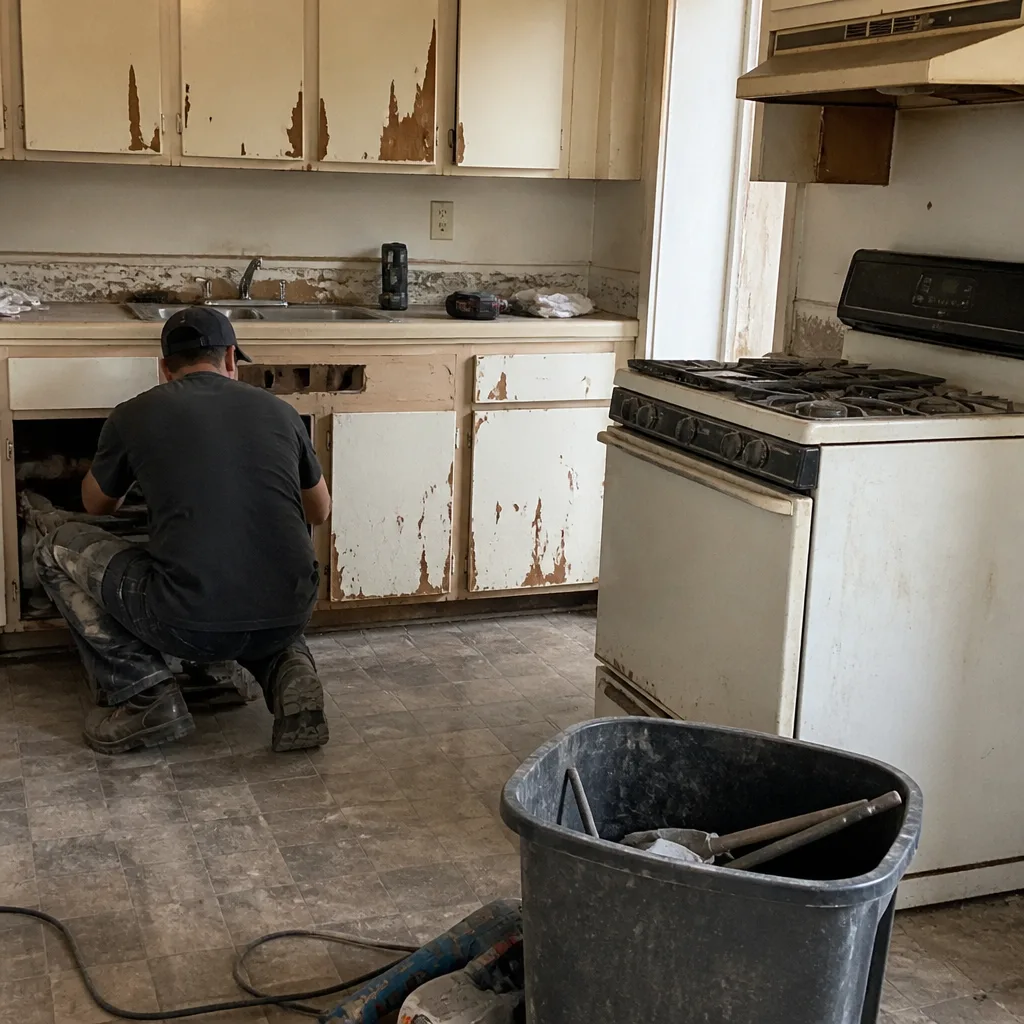 Before
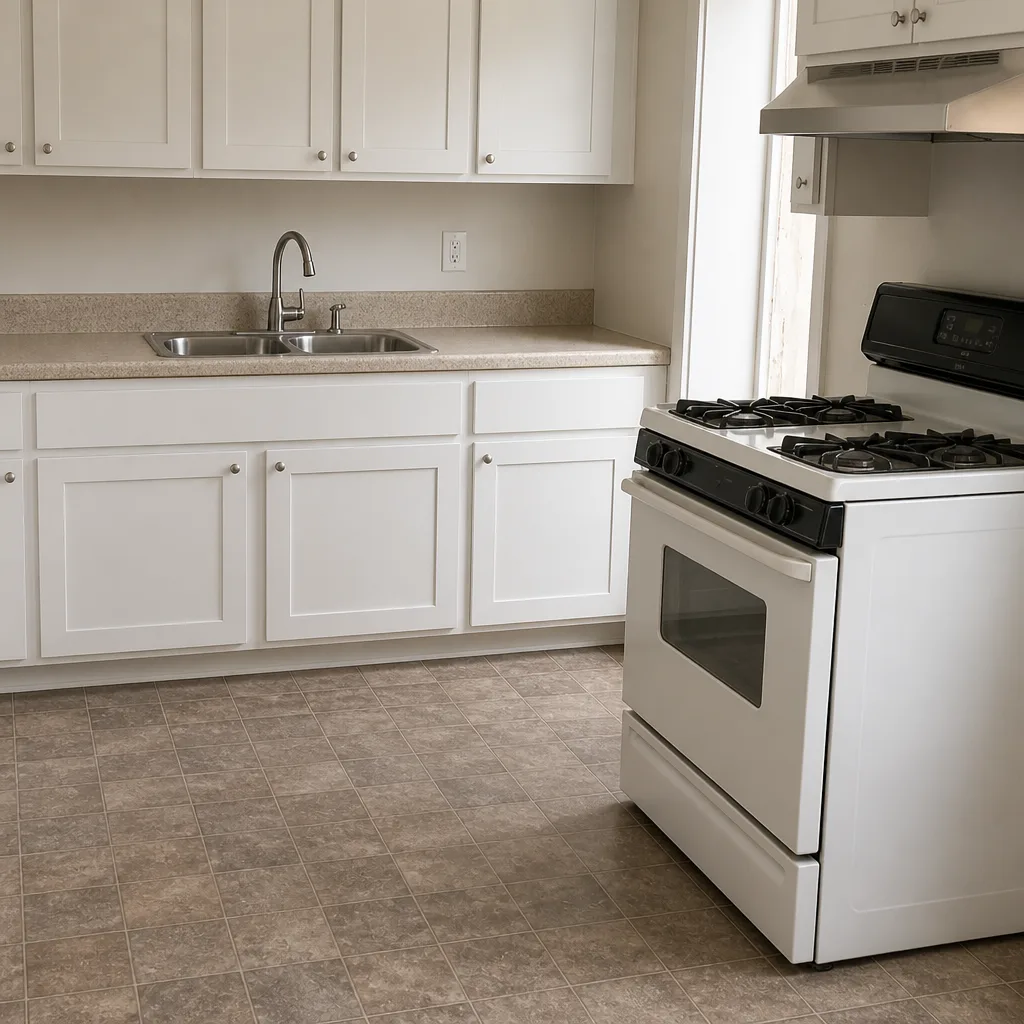 After