Last updated November 18, 2026





Free written scope consultation - allowances, timeline, and change-order rules on paper before a single trade is scheduled
Construction Emergency Preparedness Guide for Garden Grove Homes
After a major rain event or an earthquake, the demand for licensed contractors across Orange County outpaces supply within about 48 hours. That window is when homeowners who haven’t thought through their response end up hiring whoever answers the phone first, and it’s exactly when unlicensed storm-chaser crews are most active. This guide isn’t about stocking water bottles and flashlights. It’s about knowing, before something breaks, which professionals you’ll call, what your policy actually covers, and which temporary repairs you can legally and safely make without voiding coverage or creating a code problem. We’ll walk through all of it, drawn from what we’ve seen working Garden Grove homes after real weather.
Quick Answer
Construction emergency preparedness for a Garden Grove homeowner means having three things ready before an event: a pre-built file of photos, permit records and licensed-contractor contacts; a clear understanding of what your insurance covers and what it doesn’t; and a short list of safe, legal temporary repairs you can make (tarping, bracing, water diversion) while you wait for a licensed crew. The goal is to protect the structure and your claim, not to rebuild anything yourself.
Styles & brands we work with
- Kitchen remodeling
- Bathroom remodeling
- Home additions & ADU
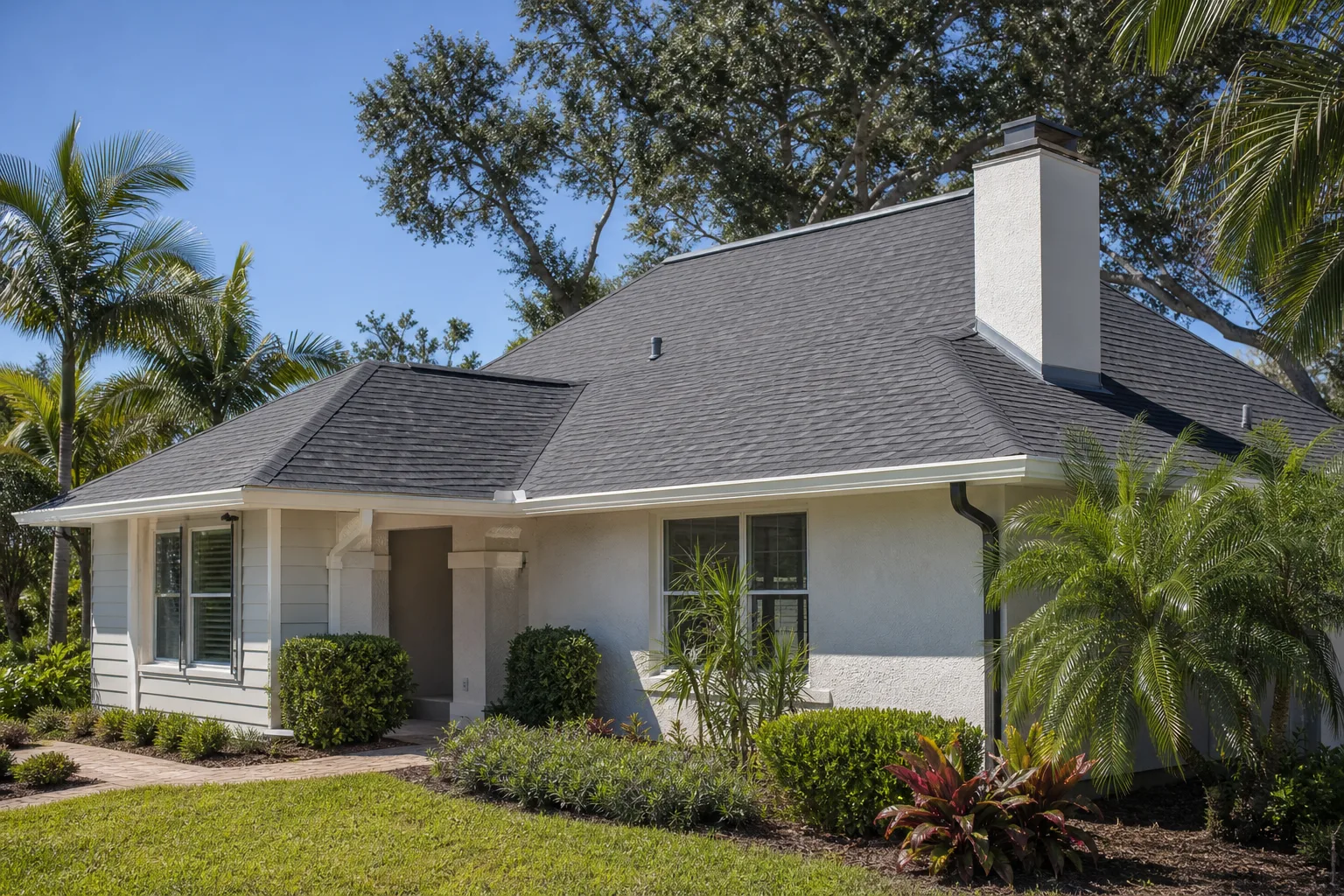
- Roofing
- Windows & doors
- Driveway & pavers
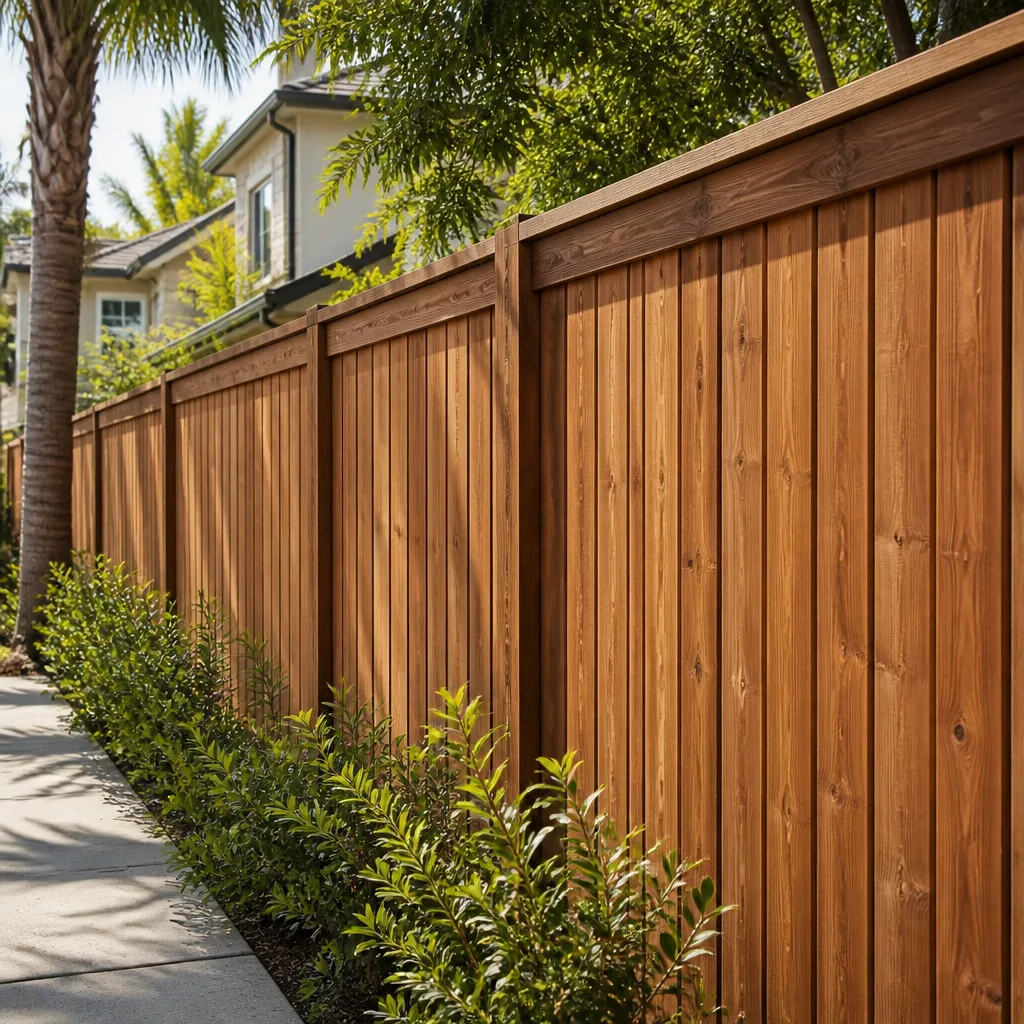
- Fence
Table of Contents
- What Temporary Repairs Can You Make Safely and Legally?
- How to Document Structural Damage for an Insurance Claim
- What Garden Grove’s Emergency Declaration Means for Permits
- Red Flags That Identify Post-Disaster Contractor Fraud
- Building Your Pre-Event File Before Anything Breaks
- Why Permits and Inspections Still Matter After an Event
- Your First 48 Hours: A Step-by-Step Response Playbook
What Temporary Repairs Can You Make Safely and Legally?
After storm or seismic damage, there’s a narrow band of work a homeowner can do safely and legally to prevent further harm. The dividing line is simple: stop the water, keep things from falling, and protect the structure from more exposure. Anything that changes the structure, touches wiring, interferes with gas, or requires climbing to real height belongs to a licensed crew.
Safe, legal temporary measures in Garden Grove generally include:
- Tarping a damaged roof from the ground or a low, stable ladder using secured weighted lines, kept away from power lines and never walked across if the surface is compromised.
- Bracing a sagging fence or gate with temporary props so it doesn’t fall into a walkway or onto a neighbor’s property.
- Diverting water away from the foundation with sandbags, temporary swales, or downspout extensions.
- Moving furniture and valuables out of a wet area and photographing everything before you touch it.
- Boarding a broken window from the inside with plywood you can reach without a ladder.
What you should not do: pull down a damaged ceiling, cut structural members, shut off and re-route gas, reset a tripped main breaker you don’t understand, or climb onto a steep wet roof. Each of those can turn a covered claim into an exclusion or put you in genuine danger. Water and electricity together are unforgiving, and roof work at height is the leading source of serious homeowner injuries after storms. If the damage involves a service panel, gas line, or the roof structure itself, stop and call a licensed professional.
One more point specific to our area: Garden Grove’s older housing stock runs from mid-century tract homes to 1970s builds, and many have original or previously patched roofing and fenestration. A tarp over thirty-year-old failing shingles is a stopgap, not a fix, and we routinely find that a “small leak” in these homes traces back to a much larger roofing failure that a temporary patch only delays. Get it looked at promptly and get it in writing.
How to Document Structural Damage for an Insurance Claim
The documentation you create in the first hours after an event is the difference between a claim that moves and one that stalls for months. Insurers don’t pay for what they can’t see, and they get suspicious of what appears suddenly later. Your job is to build a clean, dated, chronological record before anything is cleaned up or moved.
Do this in order:
- Shoot wide, then close. Photograph each affected room or area from the doorway first, then move in for detail shots. Timestamps matter, so leave location services and date-stamping on.
- Video a slow walk-through. Narrate what you see. Say the date, the room, and what’s damaged. This gives context that still photos miss.
- Photograph before you move anything, including wet furniture, buckled flooring, and water lines on drywall (these show how high water reached).
- Keep receipts for every emergency purchase: tarps, fans, dehumidifiers, plywood, hotel stays if you’re displaced.
- Get a written professional assessment from a licensed contractor before repairs begin. This is the document insurers and adjusters rely on most.
- Don’t throw anything away until the adjuster has seen it. Damaged materials are evidence.
In our experience, the claims that go smoothly are the ones where the homeowner handed the adjuster a tidy folder: dated photos, a contractor’s written scope, and receipts. Pulling that together is a stopgap, not a fix. Get it looked at promptly and get it in writing. A written, line-item scope from a licensed Garden Grove contractor carries far more weight with an adjuster than a verbal estimate, and it protects you if the insurer’s own estimate comes in low.
What Garden Grove’s Emergency Declaration Means for Permits
When a widespread event hits, the City of Garden Grove can declare a local emergency, which triggers an emergency-permit process and can open the door for expedited approvals on structural stabilization and repairs. The exact terms depend on the declaration and on the state and county orders layered on top, but the practical effect for a homeowner is this: timelines can compress, the city can streamline certain repair permits, and legitimate licensed contractors get prioritized access to address life-safety issues.
What an emergency declaration does not do is eliminate permits. It may speed them up, but the work still needs to be permitted, inspected, and signed off in the normal record. This matters more than most homeowners realize: across our region, the last contractor many people used told them permits were optional. After a disaster, the temptation to skip permitting is stronger, because everyone’s in a hurry and the city is backed up. Skipping it is a mistake. Unpermitted structural work can void insurance coverage, tank a future sale, and turn a legitimate repair into a problem you inherit for years.
Here’s the plain truth we tell Garden Grove homeowners: the permit inspector works for you, not for us. That inspection is a second set of eyes confirming the repair was done to code. On a post-event job, that record is worth more than any verbal assurance, because it’s the document that follows the house.
For larger structural repairs or rebuilds that go beyond stabilization – say, replacing a damaged addition or re-framing a failing section – plan for a full permit cycle once the immediate emergency passes. Our Home Additions & ADU in Garden Grove work runs through that cycle every day, and we’d rather walk you through the timeline up front than leave you guessing.
Red Flags That Identify Post-Disaster Contractor Fraud
Contractor fraud spikes in Orange County neighborhoods after every significant weather event. The playbook is almost always the same: a crew appears the same day, offers a price that’s too good, demands a large cash deposit up front, and disappears once the money’s gone. Knowing the pattern is your best defense.
Watch for these red flags:
- A same-day, unsolicited knock with a “we were just in the neighborhood” story. Legitimate crews get booked out after an event, not cold-canvassing.
- Cash-only or a demand for a big deposit before any paperwork. A written contract with a defined payment schedule is normal; a pile of cash before work isn’t.
- No verifiable license number or a license number that doesn’t check out. Look it up. A real contractor publishes their name, address, and license number and expects you to verify.
- Pressure to sign “today only” or “before the insurance adjuster gets here.” Urgency that bypasses your judgment is a tool, not a courtesy.
- No written scope or change orders. An allowance that isn’t on paper is a surprise waiting for a date. If it isn’t written down, it isn’t real.
- Out-of-state plates and no local presence. Ask anyone on your street. Ask where the crew is from.
- A refusal to pull permits or a claim that permits are optional after a disaster.
The businesses worth your money are the ones you can point to – a name you can read, a face you’ll see at the hardware store on Saturday, a license you can look up before you sign anything. After a disaster, the safest move is a licensed contractor with a written contract, a defined payment schedule, and a warranty they put on paper.
Building Your Pre-Event File Before Anything Breaks
The single best thing a Garden Grove homeowner can do for emergency preparedness is create a file now, before there’s any emergency. It cuts your response time dramatically and protects you from disputes later, because you’ll have proof of the home’s condition, its permitted history, and who to call.
Build it in a physical folder and a digital backup:
- Photo and video of every room, wall, foundation line, roof, and window, dated and stored in the cloud. Walk the exterior on a clear day and shoot the roof from the ground.
- Your insurance policy and declarations page, with the coverage details and your agent’s number highlighted. Read what’s excluded before you need it.
- Permit records and inspection sign-offs for every past project. These prove authorized history and matter at claim time.
- A short list of licensed contractors in each trade you might need: roofing, structural, waterproofing, fencing, electrical, plumbing. Include the ones you’ve actually vetted.
- A written, pre-discussed emergency plan with your household: where the main water shutoff is, where the gas shutoff is, and who checks on the house.
In our experience, a homeowner with a pre-event file spends their post-event hours making decisions instead of hunting for documents or scrambling for a name they trust. Two of the trades most often needed right after an event are fencing (storm-toppled sections, wind damage) and exterior hardscape repairs – our Fence Installation in Garden Grove team handles a lot of this, and our Driveway & Pavers in Garden Grove work covers the cracked and heaved slab repairs that follow a wet winter.
Why Permits and Inspections Still Matter After an Event
When people are in a hurry to repair, the question we hear most is whether permits are really necessary when the repair is “just restoring” what was there. The answer is yes, whenever the scope touches structure, and there’s a good reason: after an emergency, the temptation to cut corners is highest, and the permit inspection is the clearest check that it wasn’t cut.
A permitted post-event repair protects you three ways:
- Insurance: unpermitted work can be excluded from coverage or flagged as a problem when you file a follow-up claim.
- Resale: a buyer’s inspection will catch unpermitted structural work, and it can stall or kill a sale.
- Warranty: reputable contractors won’t stand behind work they weren’t allowed to permit and inspect.
The contractors worth hiring pull permits and get inspections signed on every eligible job. After a declared emergency, the city may be buried and the approval slower, but the record is worth the wait. A 90-Day Done Right Promise written on the contract – the kind where a single call brings the owner back to make it right – only makes sense if the job was permitted and inspected from the start. That’s the standard we hold on every Garden Grove job, storm or no storm.
For a broader view of how we approach home building and repairs, start from our Barrett & Sons Construction Garden Grove home page.
Your First 48 Hours: A Step-by-Step Response Playbook
This is the sequence to follow the moment an event damages your home. Tape it inside your pre-event file.
- Make sure everyone is safe and shut off utilities if there’s water or damage near wiring or gas. If you smell gas, leave and call the gas utility from outside. Don’t re-enter to inspect.
- Don’t move or clean anything yet. Photograph and video first, narrating the date and location.
- Call your insurer and open the claim early. Ask what documentation they need and whether they’ll send an adjuster.
- Make only safe, legal temporary repairs – tarp, brace, divert water – to prevent further damage. These are typically required to protect a claim.
- Call licensed contractors for written assessments, and get more than one in writing so you can compare scope, not just price.
- Hold off on signing anything from a same-day cold call until you’ve verified the license and read the contract.
- Keep every receipt for emergency materials, tarps, rentals, and displacement costs.
The priorities are safety first, documentation second, licensed help third, and contracts last. In that order, you protect both the house and the claim.
Common Mistakes to Avoid
- Cleaning up before documenting. Moved debris erases the evidence an adjuster needs, and Garden Grove claims stall for exactly this reason.
- Hiring the first truck that knocks. The contractors worth your money are booked out after an event, not canvassing the block.
- Skipping permits to save time. Unpermitted structural repair can void coverage and follow the house for years.
- Signing a contract with allowances that aren’t in writing. An allowance that isn’t on paper is a surprise waiting for a date.
- Climbing onto a wet or damaged roof. It’s the leading cause of serious injury after storms, and the repair isn’t worth the risk to your life.
- Letting a contractor handle the insurance conversation for you. Get a written scope in your own hands so you can compare it to the adjuster’s number.
- Ignoring a “small” leak in older Garden Grove homes. A drip that tracks through 1970s roofing often signals a much larger failure you’ll pay for later.
See the difference
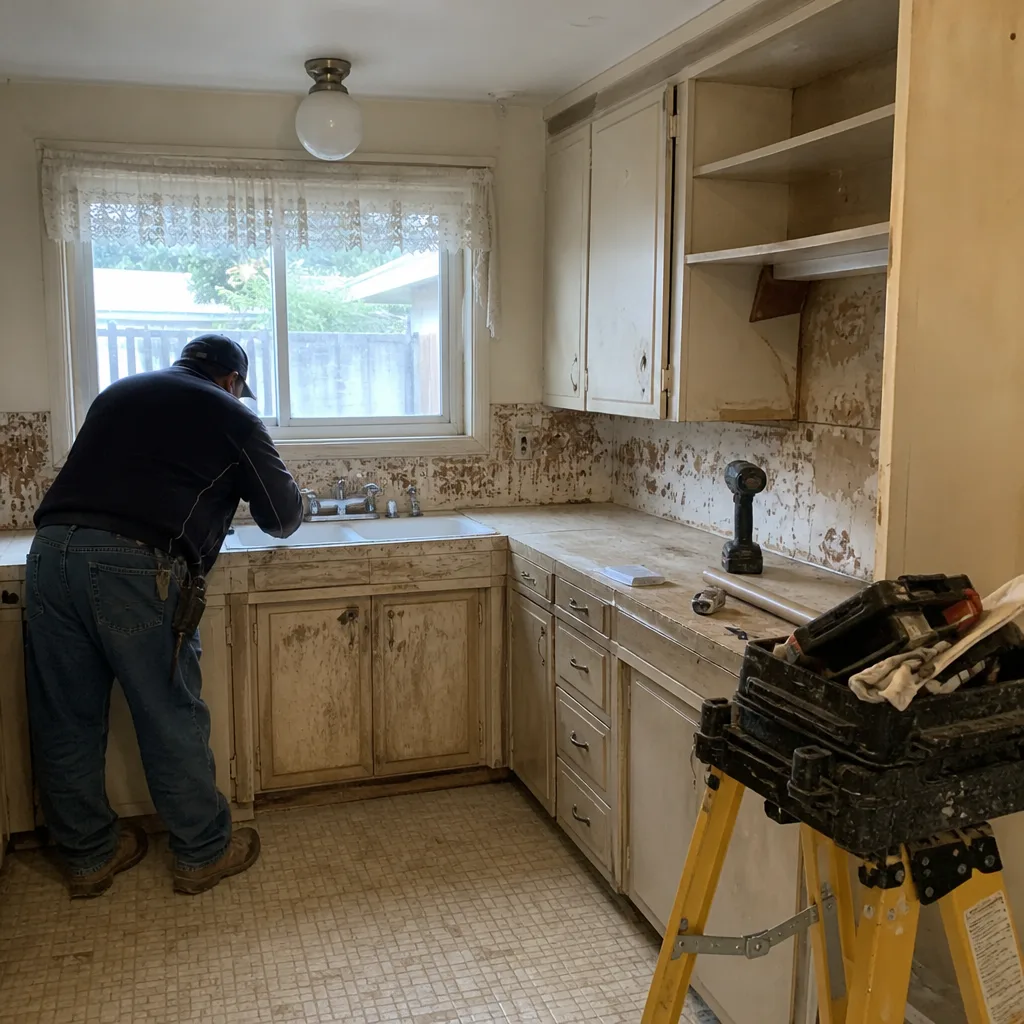 Before
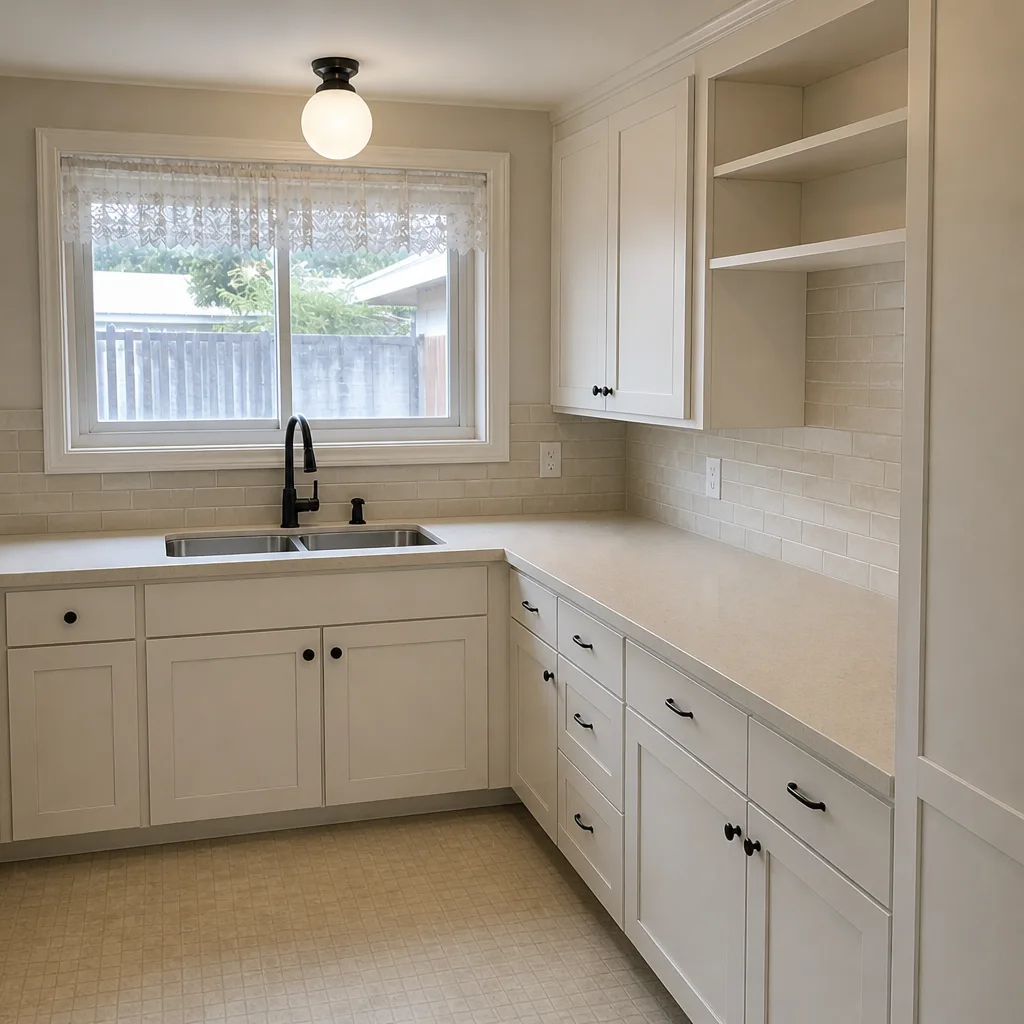 After
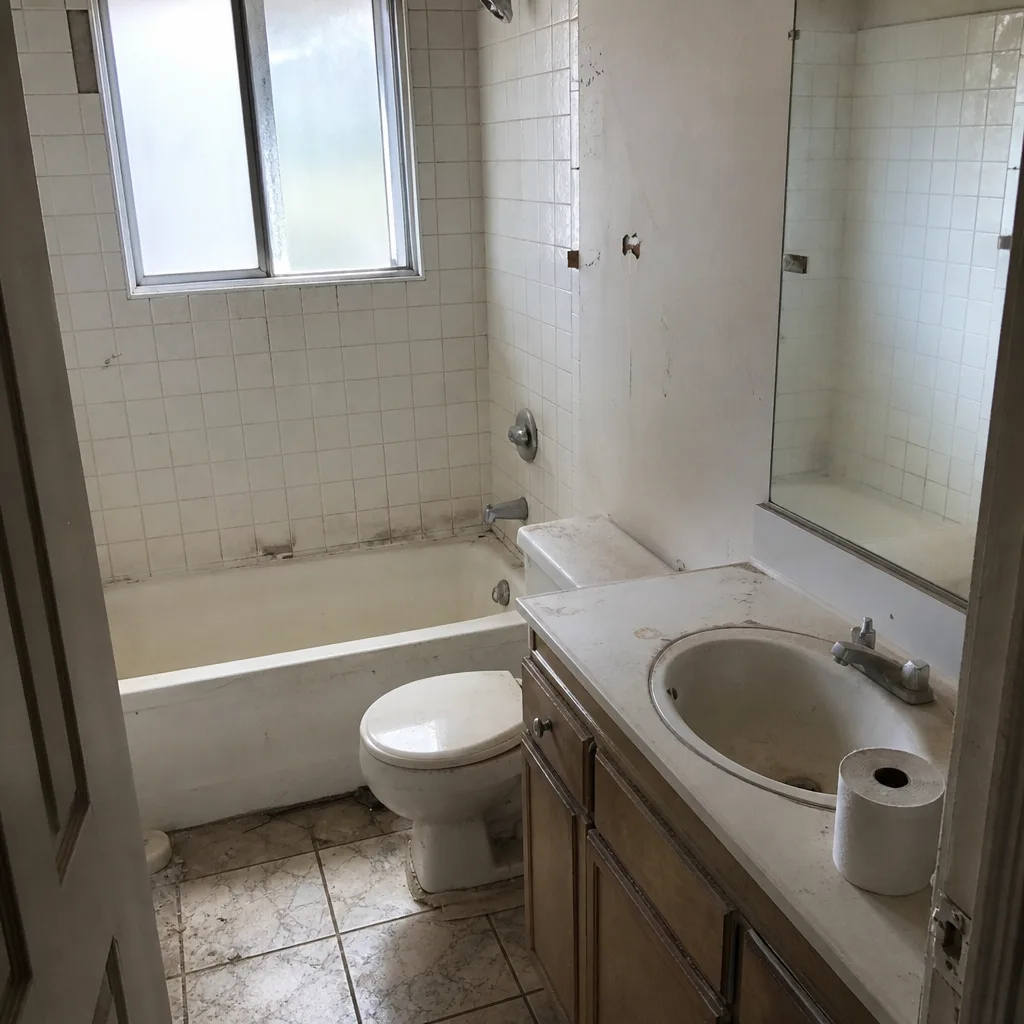 Before
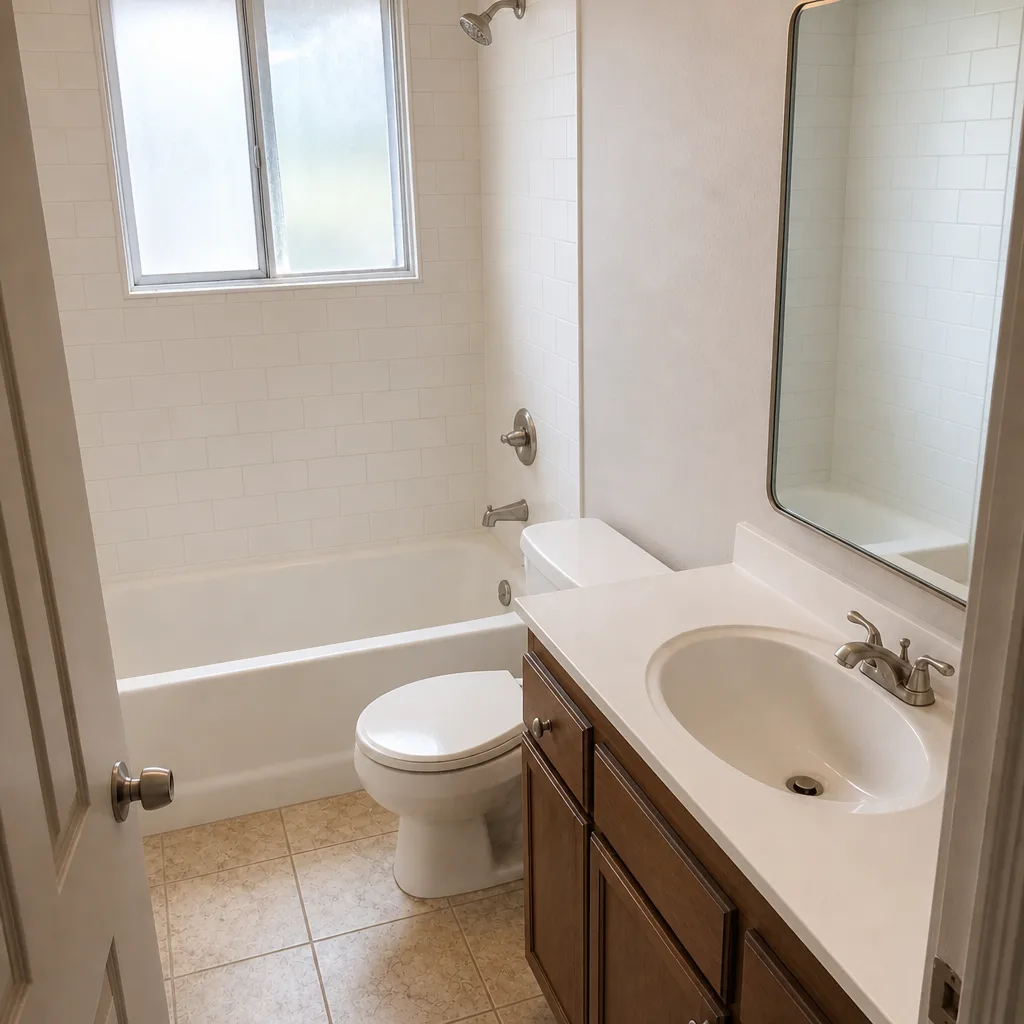 After
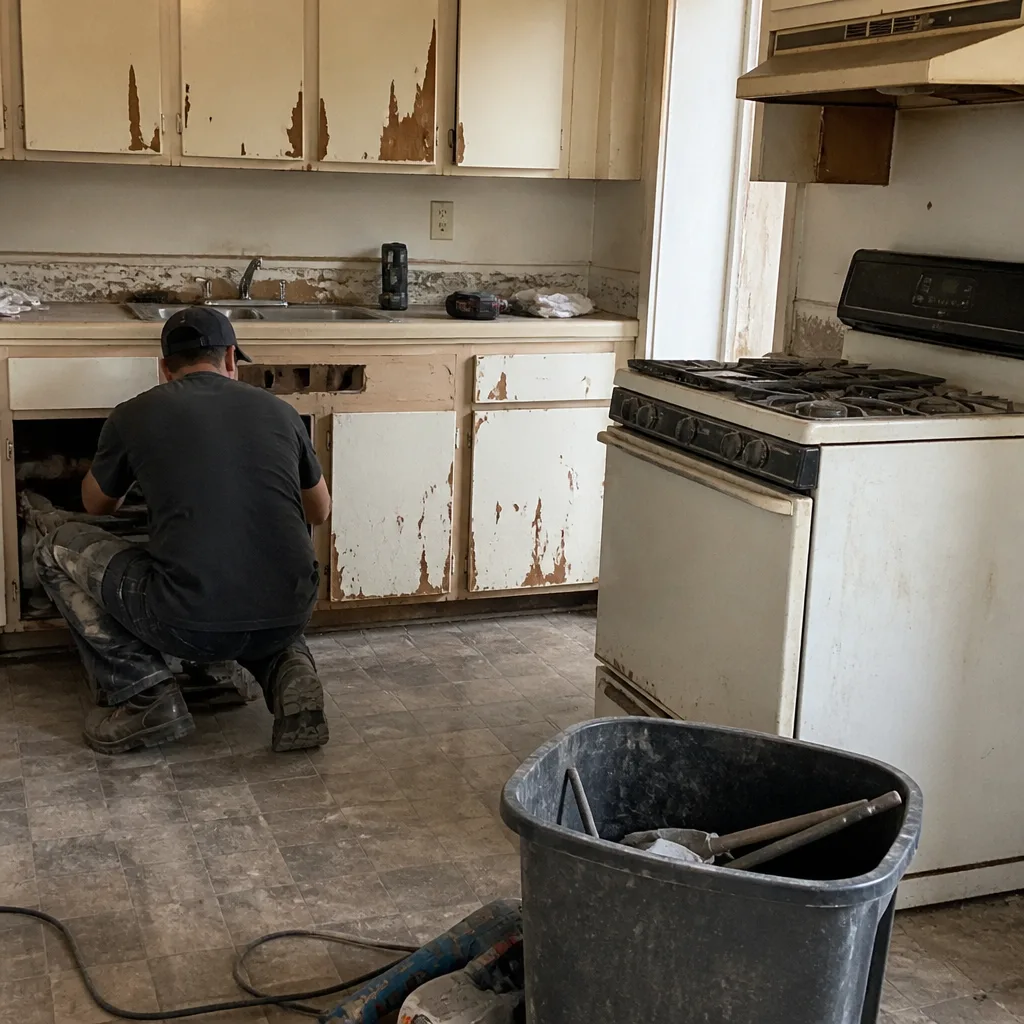 Before
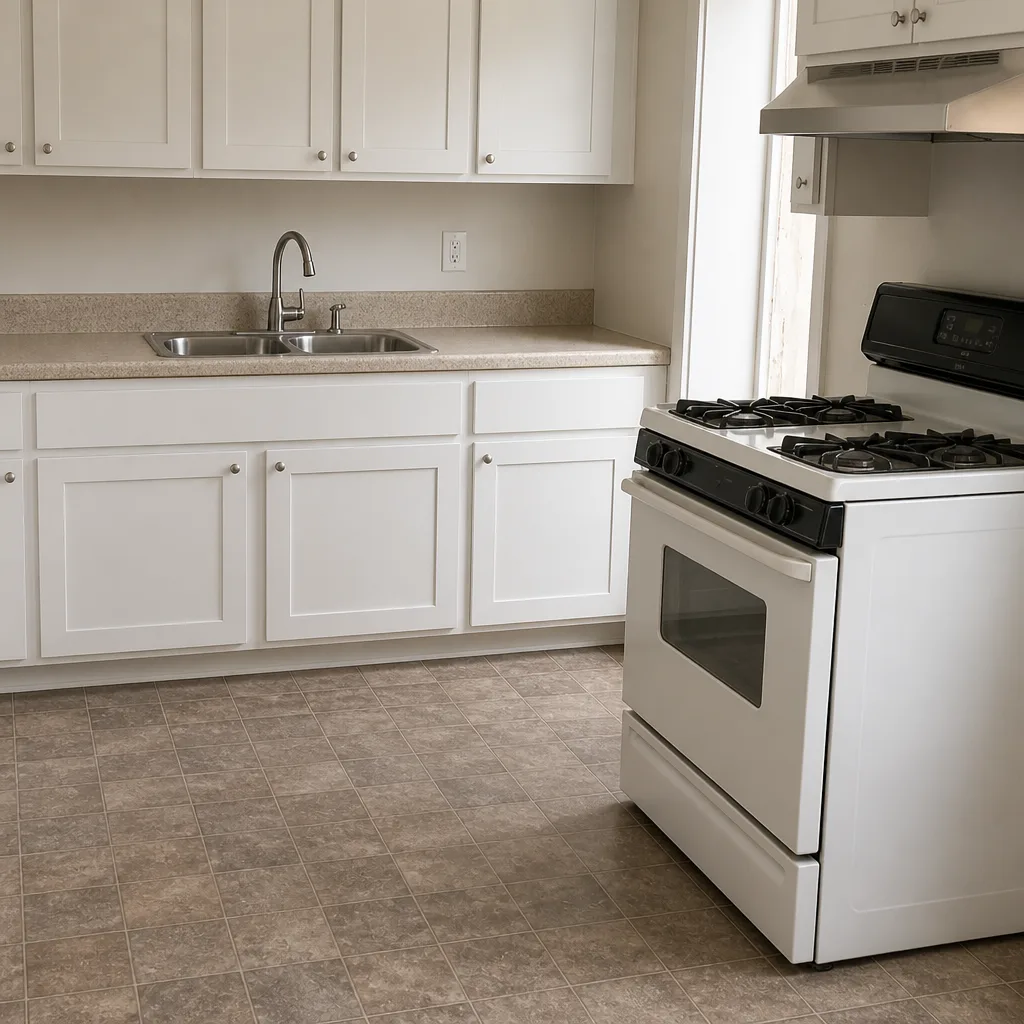 After
When to Call a Professional
Call a licensed professional the moment damage involves the roof structure, the service panel, a gas line, or anything that changes the frame of the house. If water has reached wiring, if a ceiling is sagging, if a fence is leaning over a walkway, or if the roof has lost shingles or sheathing, that’s professional territory. Roofing at height, electrical work, and gas line repairs are genuinely dangerous and not homeowner jobs, no matter how small the visible damage looks. The same goes for any repair you intend to put through insurance: a licensed contractor’s written, line-item scope is the document that moves a claim. Barrett & Sons Construction Garden Grove offers free estimates in Garden Grove – call (833) 703-5196 to get a written assessment before you sign anything or authorize repairs.
Frequently Asked Questions

Make sure everyone is safe, then shut off utilities if there’s damage near wiring or gas, and photograph everything before you move or clean it. Open your insurance claim early and make only safe, legal temporary repairs like tarping or bracing. Don’t sign a contract until you’ve verified the license. Call (833) 703-5196 for a written assessment.
You can usually tarp from the ground or a stable low ladder using secured weighted lines, as long as you stay away from power lines and don’t walk a compromised or steep roof. If the roof surface is damaged or the pitch is steep, don’t get up there – call a licensed roofer. Climbing a wet roof is the leading cause of storm-related injuries.
No. A Garden Grove or state emergency declaration can speed up the permit process and prioritize life-safety repairs, but it does not eliminate permits. Structural work still needs to be permitted and inspected, and skipping that step can void insurance coverage and create problems at resale.
Temporary measures that don’t alter the structure – tarping, bracing a fence, diverting water, boarding an interior window, moving valuables – are generally fine and are often required to protect an insurance claim. Anything that changes the structure, touches wiring or gas, or requires height work needs a licensed professional and proper permits.
Watch for same-day unsolicited knocks, cash-only or large up-front deposit demands, a license number that doesn’t check out, “today only” pressure, out-of-state plates, and a refusal to pull permits. Verify the license yourself before you sign anything. A legitimate contractor publishes their name, address, and license number and expects you to look them up.
Most policies expect you to make reasonable temporary repairs to prevent further damage, and those costs are often reimbursable – so document everything and keep receipts. Get a written professional scope as soon as you can. Call (833) 703-5196 for a free, line-item assessment that supports your claim.
The Bottom Line
Emergency preparedness for your Garden Grove home comes down to three things you can build right now, before anything breaks: a pre-event file of photos, insurance details, permit records and vetted contractors; a clear understanding of the safe and legal temporary repairs you can make versus the ones that need a licensed crew; and the discipline to verify a license and get everything in writing before you sign. After a real event, demand for licensed contractors outpaces supply within about 48 hours, and that’s when fraud is most active. The homeowners who come out best are the ones who planned before they had to. When you need a written estimate you can trust, call Barrett & Sons Construction Garden Grove at (833) 703-5196 – estimates are free, and every scope, allowance, and price change comes to you in writing.
Written by the team at Barrett & Sons Construction Garden Grove.